
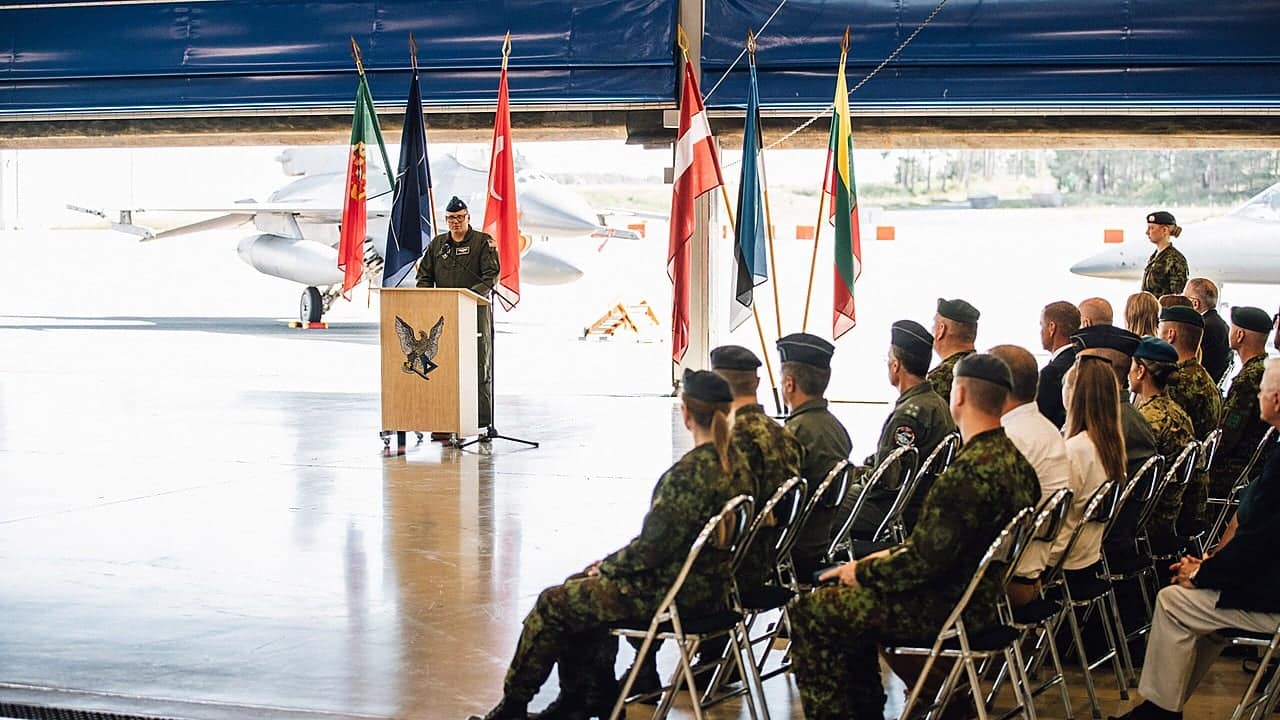
On Friday, the flags came down at Ämari. Portuguese airmen who had spent months guarding the Baltic sky handed the watch to a new crew, and for the first time the pilots taking over spoke Turkish. Five Turkish F-16 Fighting Falcons are now sitting alert in Estonia, minutes from Russian airspace.
It is a small deployment with an outsized message. Türkiye has policed Baltic skies before — twice from Šiauliai in Lithuania — but never from Estonia, and never at a moment quite like this. The 181st "Pars" (Leopard) Squadron brought 76 personnel north to Ämari for a four-month rotation running from 1 August to 30 November.
And the timing carries a twist that goes beyond a change of national markings on the flight line.
- Che cosa: Turkish Air Force takes over the NATO air defence mission over the Baltics
- Dove: Ämari Air Base, Estonia
- Quando: Handover ceremony Friday 31 July 2026; rotation runs 1 August – 30 November 2026
- Force: Five F-16 Fighting Falcons and 76 personnel from the 181st "Pars" Squadron
- Handover from: Portugal
- New name: "NATO Baltic Air Policing" becomes the "NATO Baltic air defence mission" on 1 August
The end of "Air Policing"
For more than 22 years, since the Baltic states joined NATO in March 2004, allied jets have taken turns flying the "Baltic Air Policing" mission — watching the airspace and scrambling to identify or shepherd away intruders. As of 1 August, that name retires. Under a decision taken at the recent NATO summit in Ankara, the mission becomes the "NATO Baltic air defence mission," and the Turkish rotation is the first to fly under the new banner.
The change is more than cosmetic. "Air policing" was, by design, a monitoring role. "Air defence" signals a more operational posture — one that plugs the fighters into NATO's integrated air and missile defence system so the Alliance can, if it must, actively counter an aerial attack rather than merely escort an unannounced visitor. It is the language of a continent that has stopped treating its eastern edge as a quiet corner.
Ankara's long reach
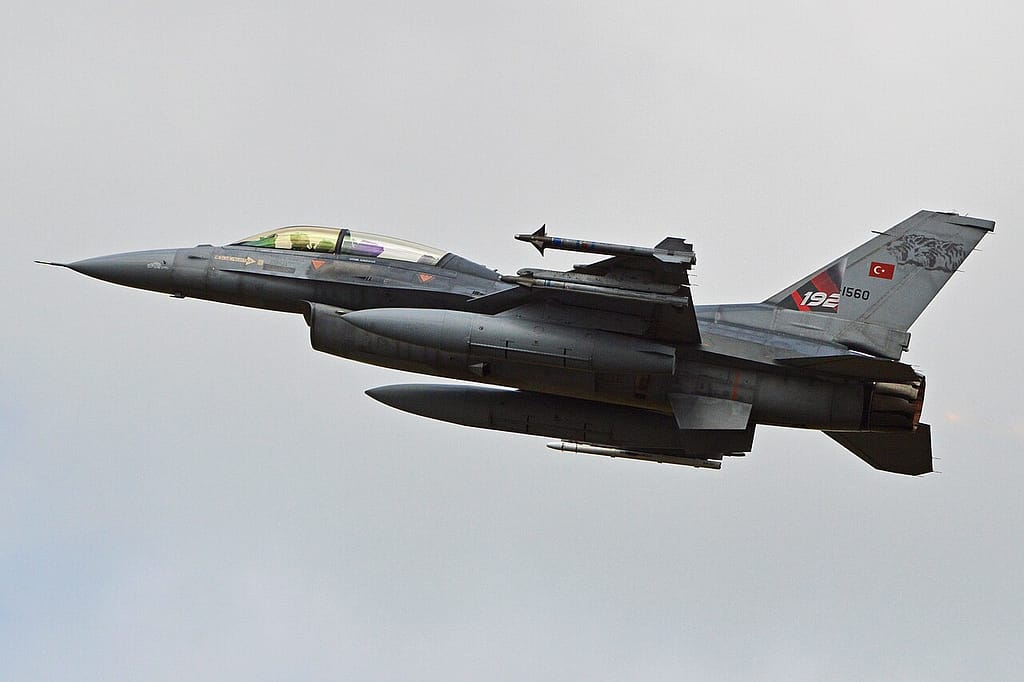
Türkiye fields one of NATO's largest F-16 fleets, and sending them to the Baltic underlines a point Ankara likes to make: its air force is an alliance-wide asset, not a regional one. For Estonia — which has no fighters of its own and relies entirely on allied rotations to keep its sky covered — the arrival of a heavyweight ally's jets is reassurance made tangible.
The mechanics are unglamorous and relentless: keep the jets fuelled and armed, sit quick-reaction alert around the clock, launch to identify anything that flies without talking to air traffic control, and train in between. Most days nothing happens. That is the point. The value of the mission is measured in the intercepts that never escalate.
A shared sky
Portugal flew home with thanks ringing in its ears; Türkiye settled in for the winter watch. The names on the fuselages change every few months, but the principle underneath does not: one member's airspace is every member's responsibility. On 1 August, that principle got a firmer name.
Sources: Estonian Defence Forces (mil.ee); Turkish Minute; Hürriyet Daily News; Army Recognition; APA.
0 Commenti