
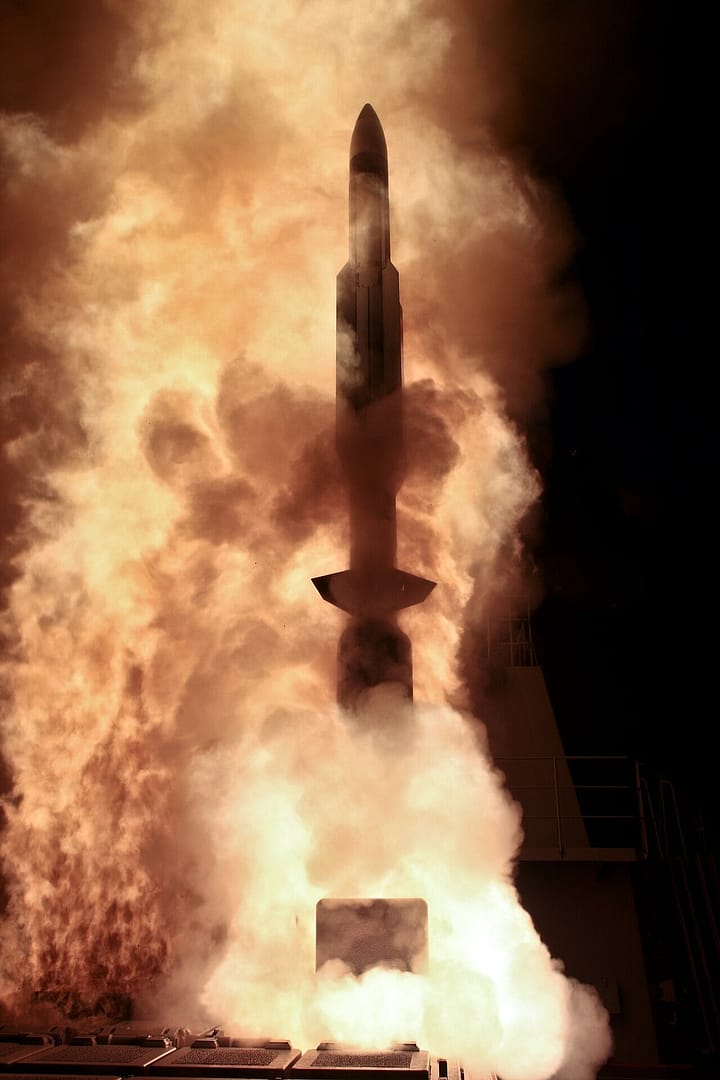
For decades Japan built warships bristling with missile cells and used them only to shoot things down. That just changed. On Jul. 29, 2026, the destroyer JS Chōkai fired a Tomahawk cruise missile into the Pacific — the first time a Japanese warship has ever launched a long-range land-attack weapon, and a milestone that quietly rewrites the rules of Japanese defence.
The test, run with US Navy support and announced by Tokyo the next day, makes Japan one of only a handful of nations outside the United States to fire a Tomahawk from a surface warship. It is the hardware side of a much bigger shift: Japan giving itself the ability to strike back.
Informazioni rapide
- Nave: JS Chōkai (DDG-176), Kongō-class Aegis destroyer
- Evento: Japan’s first-ever Tomahawk live-fire, Jul. 29, 2026 (Pacific, with US Navy)
- Weapon: BGM-109 Tomahawk (TLAM), Block IV & Block V
- Allineare: over 1,600 km, 1,000-lb-class warhead, subsonic
- Ordine: 400 Tomahawks from the US, finalised January 2024
- Fleet plan: five Aegis destroyers to gain the capability
- Chōkai: in service since 1998; 90 Mk 41 VLS cells
From shield to spear
The Japan Maritime Self-Defense Force has long operated Aegis destroyers packed with Mark 41 vertical launch cells — but until now those cells held only air-defence and anti-submarine weapons. The Tomahawk changes the job description. It gives Japan a stand-off strike weapon that can reach targets more than 1,600 kilometres away, flying low and subsonic under GPS and terrain-following guidance with a 1,000-pound-class warhead.
That reach is the whole point. After years of debate, Tokyo shifted its defence posture to allow “counterstrike” capability against adversaries fielding their own long-range missiles, and finalised the purchase of 400 Tomahawks — a mix of Block IV and Block V — from the United States in January 2024.
The ship that went first
Chōkai, a Kongō-class destroyer in service since 1998, sailed to the United States in the second half of 2025 for the modifications needed to fire the missile. Closely modelled on the US Navy’s Arleigh Burke class, the Kongō ships carry the AN/SPY-1 radar and the Aegis Combat System, with 90 Mark 41 cells — though, unlike their American cousins, they mount an OTO Melara 127 mm gun.
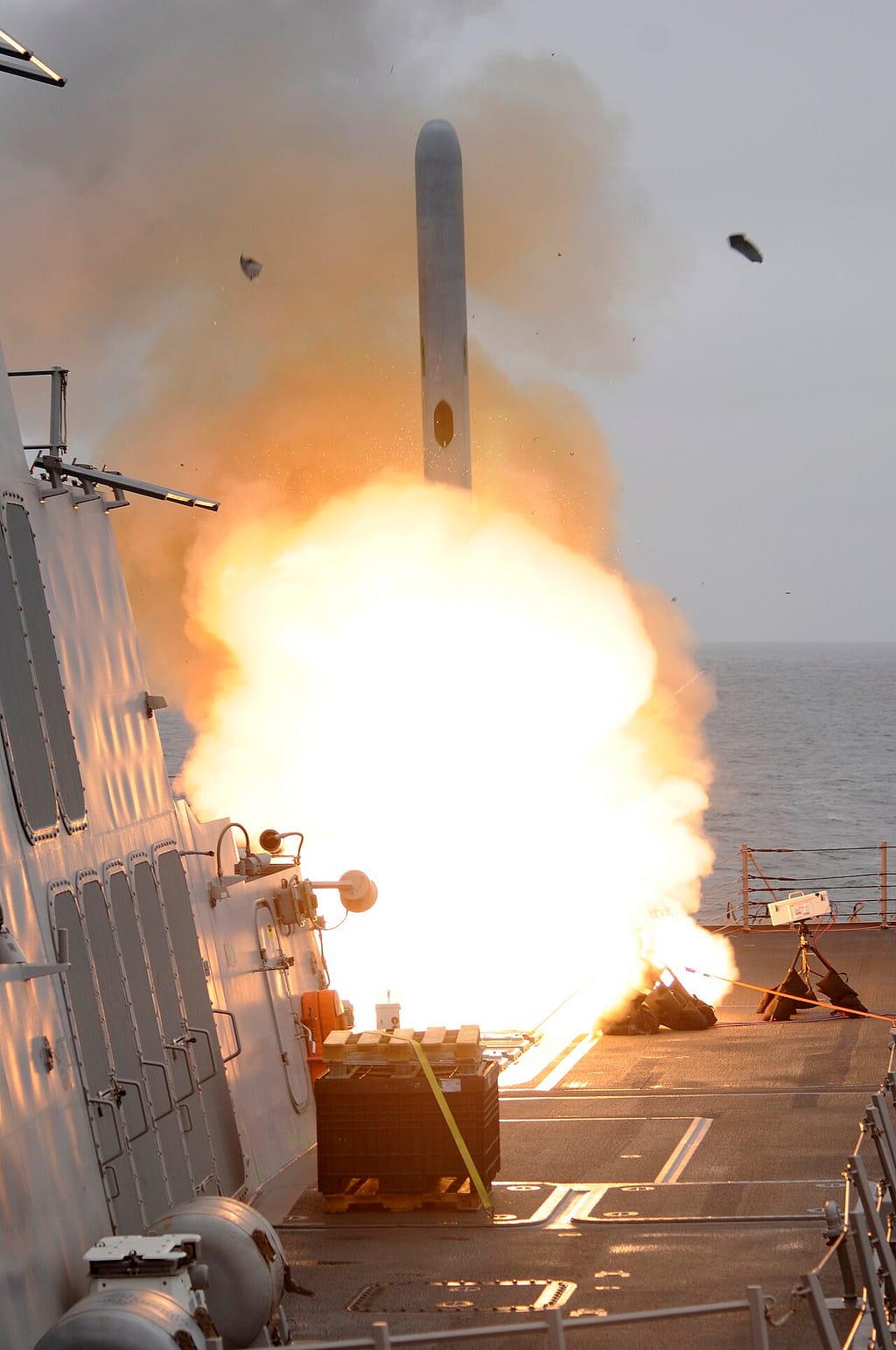
The Japanese Ministry of Defense framed the launch as proof the programme is on track.
Just the first of five
Chōkai will return to Japan in September 2026 after further testing and training, but it will not stay alone for long. Japan plans to arm five Aegis destroyers with the Tomahawk, with modification work already under way across the fleet. Reports also point to a future submarine-launched strike option, though that would test the limits of Japan’s long-standing aversion to offensive weapons.
For a country whose post-war identity was built on a purely defensive military, a single missile arcing over the Pacific carries a lot of weight. Japan now owns a weapon that can hit back — and the region has taken note.
Sources: Japanese Ministry of Defense; USNI News; Naval News; Janes; Stars and Stripes; The War Zone; The Aviationist.


0 Commenti