
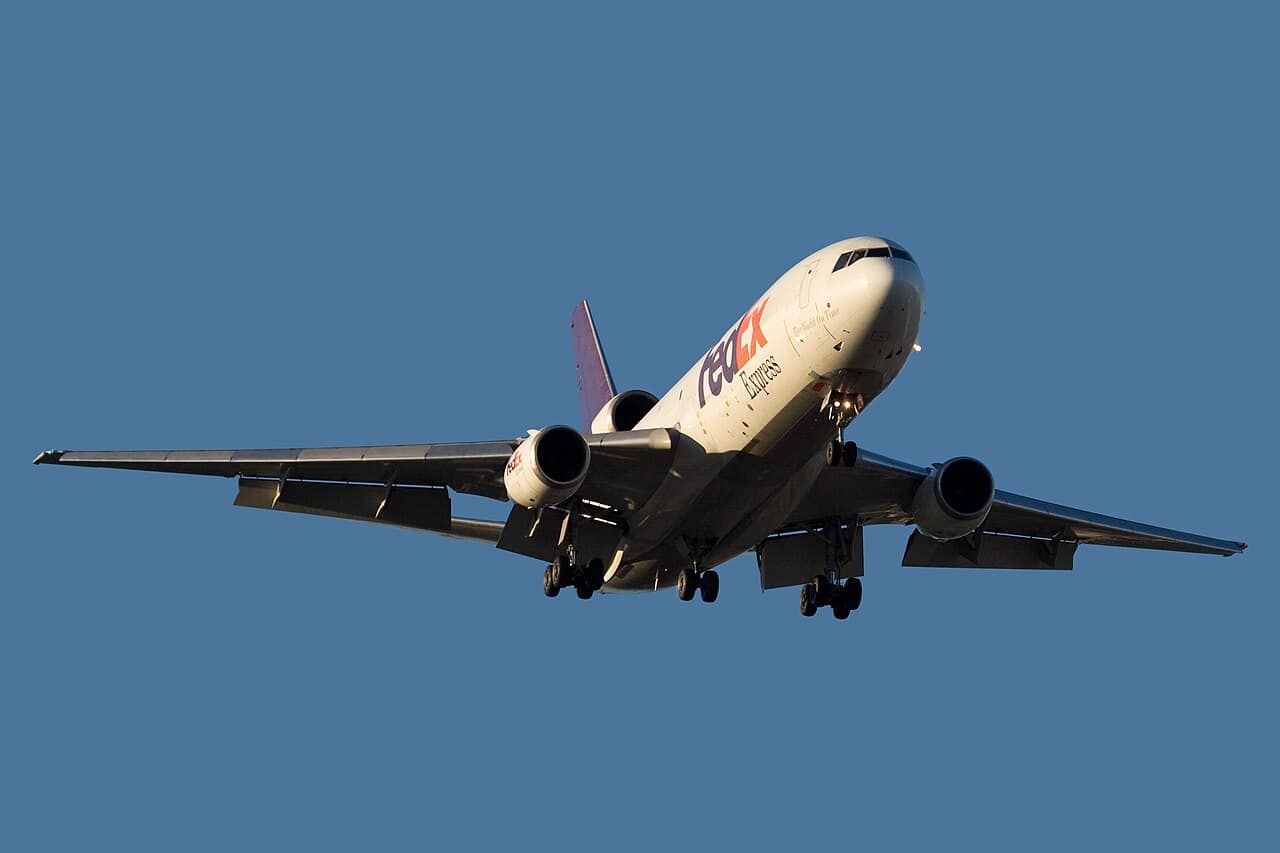
Twenty minutes out of Memphis, First Officer Jim Tucker heard a sound he had never heard on an aeroplane: a metallic ring, again and again. It was a claw hammer coming down on the skull of his flight engineer. In the next few seconds a man would try to murder all three crew and fly their DC-10 into FedEx’s headquarters — and the only weapon the bleeding pilots had left was the 250-ton aircraft itself.
Federal Express Flight 705 is one of the most extraordinary survival stories in aviation, and almost nobody outside the industry knows it. On 7 April 1994 an off-duty employee tried to turn a routine cargo run into a mass-casualty suicide attack. What stopped him was three gravely wounded airmen and a wide-body jet thrown through manoeuvres no DC-10 was ever built to survive.
Informazioni rapide
- Volo: Federal Express Flight 705, 7 April 1994
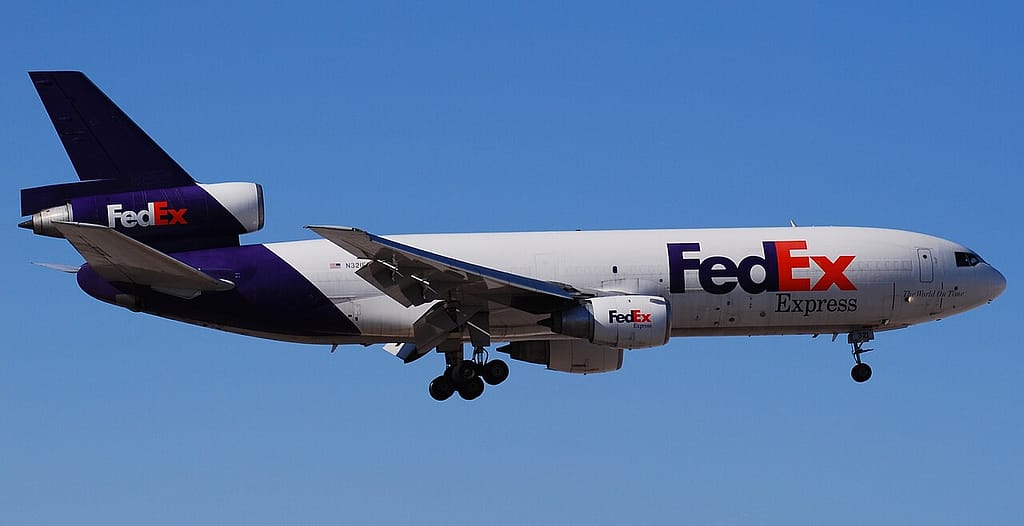
- Aeromobili: McDonnell Douglas DC-10-30F (registration N306FE)
- Itinerario: Memphis to San Jose
- Attacker: Auburn Calloway, a FedEx flight engineer facing dismissal, armed with hammers and a speargun
- His plan: kill the crew, crash the jet into FedEx’s Memphis hub to look like an accident and leave his family a $2.5m payout
- Equipaggio: Capt. David Sanders, F/O Jim Tucker, F/E Andy Peterson — all former military aviators
- The escape: Tucker rolled the DC-10 to about 140° and dived to throw the attacker off his feet
- Risultato: hijacker subdued in the air, safe landing at Memphis, all survived; Calloway jailed for life
The man with the guitar case
Auburn Calloway was a FedEx flight engineer, a Stanford graduate and former Navy pilot — and he was about to be fired for falsifying his flight hours. He boarded Flight 705 that afternoon as an off-duty crew member riding the jumpseat, carrying a guitar case. Inside were two claw hammers, a knife and a speargun.
His plan was cold and specific. He would disable the cockpit voice recorder, beat the three-man crew to death with the hammers so their injuries looked like the result of a crash, and drive the DC-10 into the FedEx hub at Memphis. If it read as an accident rather than a murder-suicide, his family stood to collect a $2.5 million life-insurance payout. Nothing about him raised an alarm when he came aboard; jumpseat riders were an everyday sight.
A brawl at 19,000 feet
Calloway struck as the crew passed 18,000 feet, everyone’s attention forward. The hammer blows fractured skulls and opened arteries; Tucker took a blow that drove bone into his brain and left his right side numb. Captain David Sanders and engineer Andy Peterson fought back hand-to-hand in a cockpit awash with blood, while Calloway went for the speargun.
Tucker, a former Navy A-7 and A-4 instructor, did the only thing left. He hauled back on the yoke and rolled the DC-10 hard, pitching everyone in the cabin off their feet. Rather than complete the roll — which would have let the attacker simply wait for level flight — he stopped at about 140 degrees, nearly inverted, and dived. The freighter accelerated past its design limits; control-balance panels tore away from the tail and fuel streamed from over-stressed wing spars. It held together.
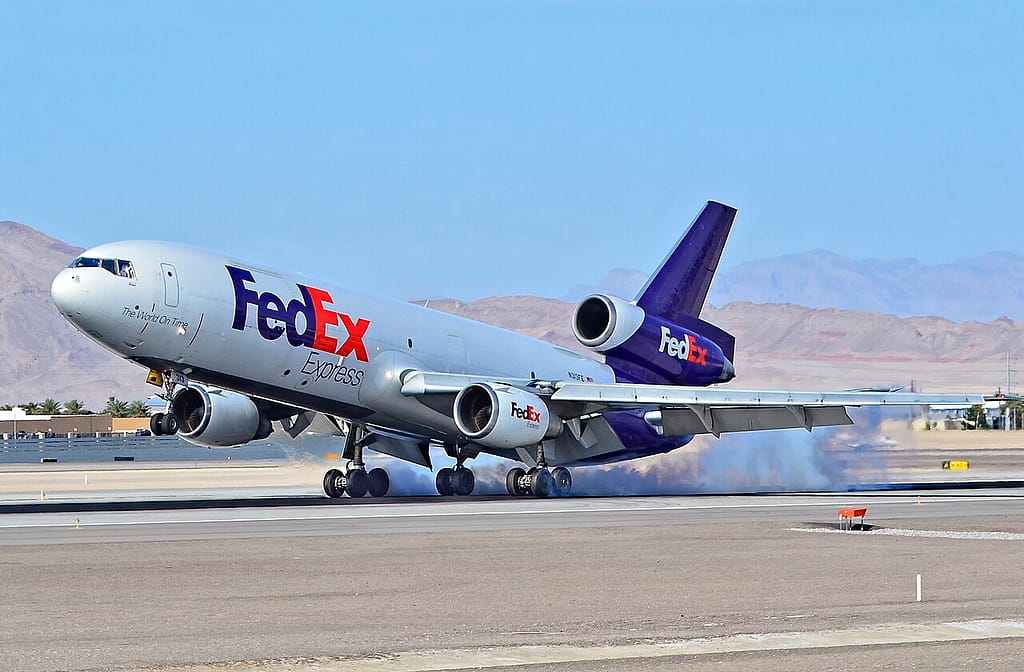
The violent manoeuvres bought the seconds Sanders and Peterson needed. Again and again over an interminable fifteen minutes, the crew pinned Calloway, lost him, and pinned him again, all while one pilot flew and the others fought. Every one of them was, by any medical logic, too badly hurt to still be conscious.
Bringing it home
With Calloway finally subdued in the cargo area, Sanders flew the crippled, overweight jet back to Memphis and put it on the runway. Tucker, half-paralysed, held the attacker down to the end. All four men lived. The crew’s injuries were catastrophic — skull fractures, a near-severed ear, blood loss minutes from fatal — and the head trauma ended Jim Tucker’s flying career.
Auburn Calloway was convicted of attempted air piracy and attempted murder and is serving a life sentence. The aircraft, N306FE, was repaired and flew on for years. And the three men who should not have survived are remembered for a simple, brutal lesson in airmanship: when everything else is gone, you still have the aeroplane — so fly it.
Sources: U.S. National Transportation Safety Board; AVweb (Jim Tucker interview by Joe Godfrey); “Hijacked: The True Story of the Heroes of Flight 705” by Dave Hirschman; Wikipedia.
Post correlati
0 Commenti