
Dopo sette ore di traversata oceanica, il passeggero del posto 34C ha perso completamente la sensibilità a una gamba, ha finito di guardare un film pessimo e si trova di fronte a una coda per la toilette. A poche migliaia di piedi di distanza, un pilota dell'aeronautica militare sta effettuando la stessa traversata, legato a un sedile monoposto. F-16 Viper. E qui arriva la parte che suona come una battuta finale: lui pensa di avere il posto migliore.
Questa, almeno, è la tesi sostenuta dal pilota di F-16 dell'USAF Rick Scheff, il cui resoconto in prima persona di un lungo volo da caccia è riemerso in un articolo dell'Aviation Geek Club all'inizio di giugno 2026. La sua affermazione è gloriosamente controintuitiva: che una macchina da guerra angusta possa essere più confortevole di un aereo di linea a fusoliera larga durante una lunga traversata atlantica. La cosa sorprendente è quanto di ciò che afferma si riveli effettivamente vero.
Chiariamo subito una cosa: quello che segue è l'opinione personale, dettata dal buon gusto, di un aviatore. Il volo è reale, le posizioni dei sedili sono reali e le traversate oceaniche sono reali. Se scambiereste il posto 34C con un sedile eiettabile, sta a voi deciderlo.
Informazioni rapide
- Il sedile eiettabile ACES II dell'F-16 è reclinato di circa 30°, molto più dei 13-15° tipici degli altri caccia.
- Quella posizione reclinata fu adottata in parte per aumentare la tolleranza dei piloti alle manovre di combattimento ad alta accelerazione e per adattarsi agli aviatori più alti.
- La calotta a bolla senza cornice offre una visione di quasi 360°, un angolo di visuale di 40° verso il basso lateralmente e di circa 15° sopra il naso.
- I caccia attraversano gli oceani nelle missioni "Coronet", scortati da aerei cisterna KC-135 o KC-46 che li riforniscono ripetutamente di carburante.
- Una singola tratta in traghetto può durare diverse ore e coprire oltre 2.000 miglia: Scheff cita come esempio il collegamento tra la base aerea di Shaw e Las Vegas, lungo circa 2.500 miglia.
- Attribuzione della fonte: le affermazioni sul comfort sono di Scheff; i dati relativi al sedile e alla missione sono documentati in modo indipendente.
La poltrona reclinabile a 30 gradi di cui nessuno parla
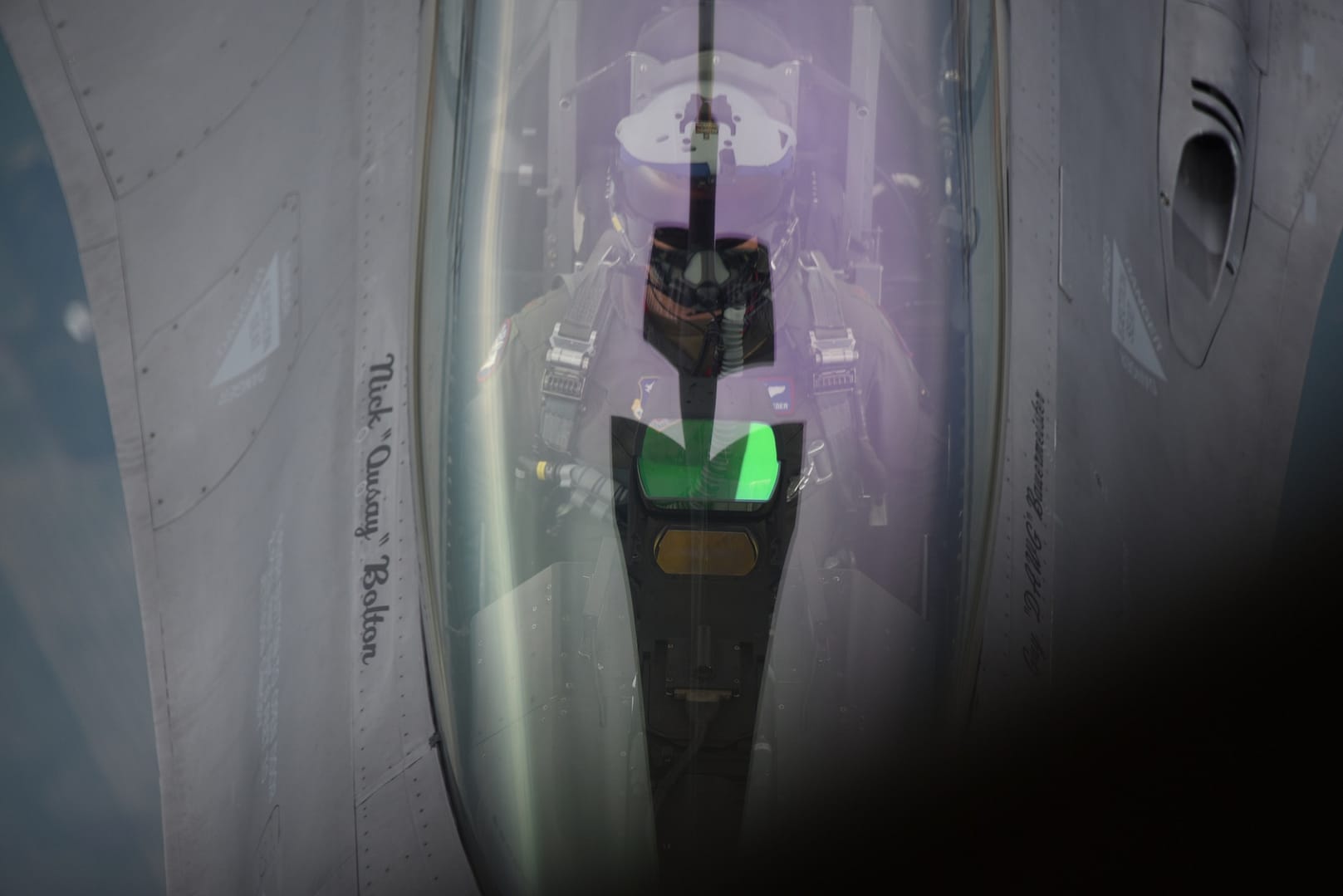
Partiamo dal sedile, perché è da lì che prende forma l'argomentazione di Scheff. Il sedile eiettabile ACES II dell'F-16 è reclinato di circa 30 gradi, un'inclinazione ripida, simile a quella di una poltrona, rispetto ai 13-15 gradi della maggior parte dei caccia. Non è stato progettato per schiacciare un pisolino. L'inclinazione aiuta il pilota a sopportare le brutali forze G del combattimento aereo, mantenendo cuore e cervello più vicini alla posizione orizzontale, e inoltre crea spazio per i piloti più alti in un abitacolo angusto.
L'effetto collaterale, durante un lungo volo di crociera livellato, è una postura che la maggior parte dei passeggeri in classe economica può solo sognare. "Per quanto riguarda la posizione di seduta, il sedile dell'F-16 è reclinato di 30 gradi, quindi ci si può appoggiare allo schienale e rilassarsi durante il volo", scrive Scheff. I pedali del timone, non utilizzati in crociera, scorrono completamente in avanti, permettendogli di distendere completamente le gambe.
Gli ingegneri vi diranno che l'angolo è stato un felice incidente tanto quanto un piano. Come afferma il sito di riferimento sull'evacuazione aeronautica The Ejection Site, il sedile dell'F-16 "è configurato con un angolo dello schienale di 30 gradi per consentire la risposta fisiologica del pilota alle forze G delle manovre di combattimento". Il comfort era un bonus, non l'obiettivo - e i jet successivi come l' F-22 Ho riportato l'inclinazione a circa 22 gradi.
Riprese GoPro dalla cabina di pilotaggio di un F-16: si noti la posizione reclinata dei sedili e la cupola avvolgente. (YouTube)
Un posto vicino al finestrino senza un brutto posto vicino al finestrino
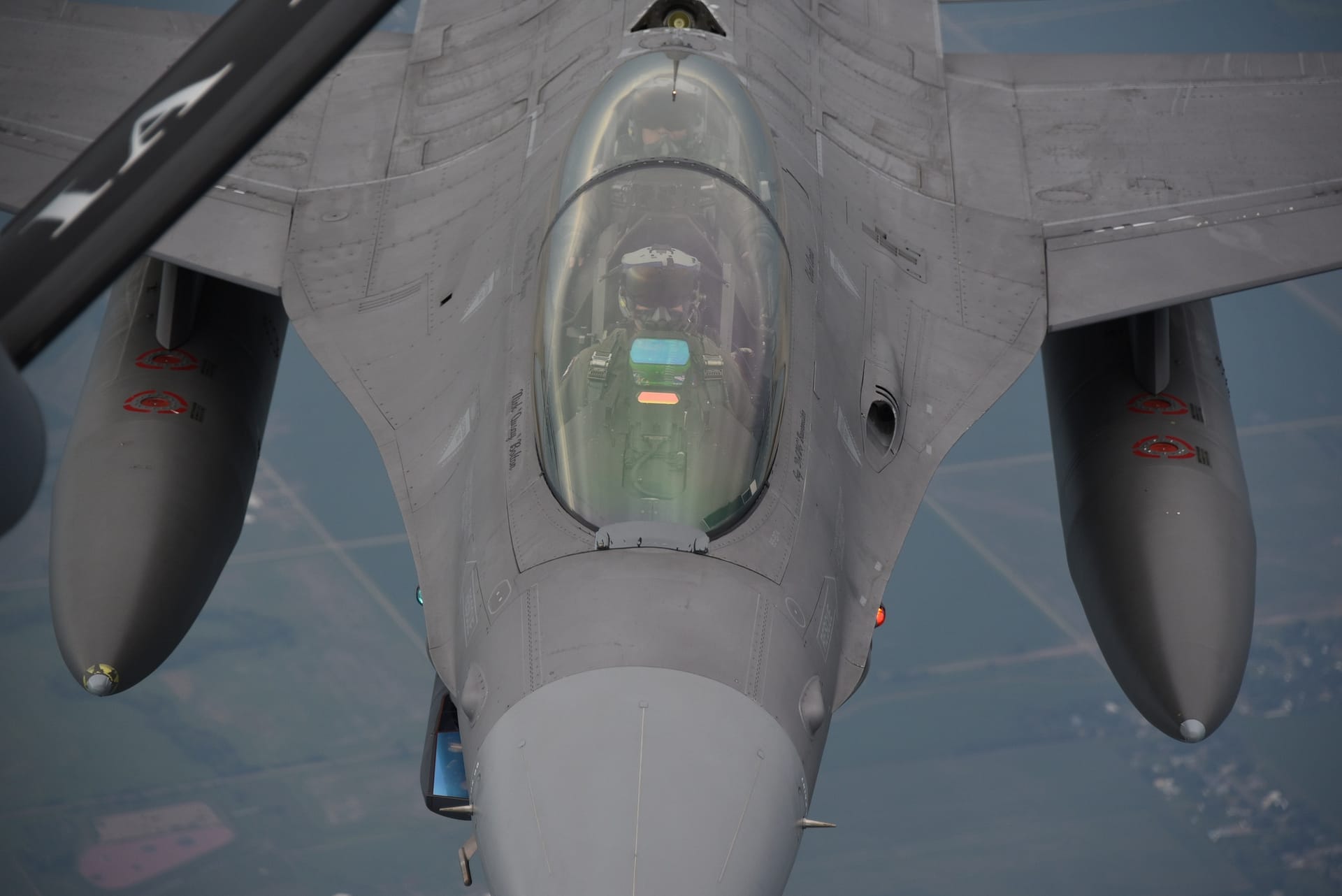
Poi c'è la vista. La cabina di pilotaggio a bolla senza cornice del Viper è uno dei capolavori dell'aviazione da caccia: visibilità quasi a 360 gradi, circa 40 gradi di visuale laterale verso il basso e circa 15 gradi sopra il muso. Nessuna paratia, nessuna ala d'intralcio, nessun vicino che si protende per ripararsi dal sole.
Su un volo in traghetto, questo significa ore di cielo libero e panorami che i reparti marketing delle compagnie aeree possono solo ritoccare con Photoshop. Il rovescio della medaglia, ovviamente, è che si è soli, sigillati sotto una lastra di plexiglass, senza corridoio da percorrere.
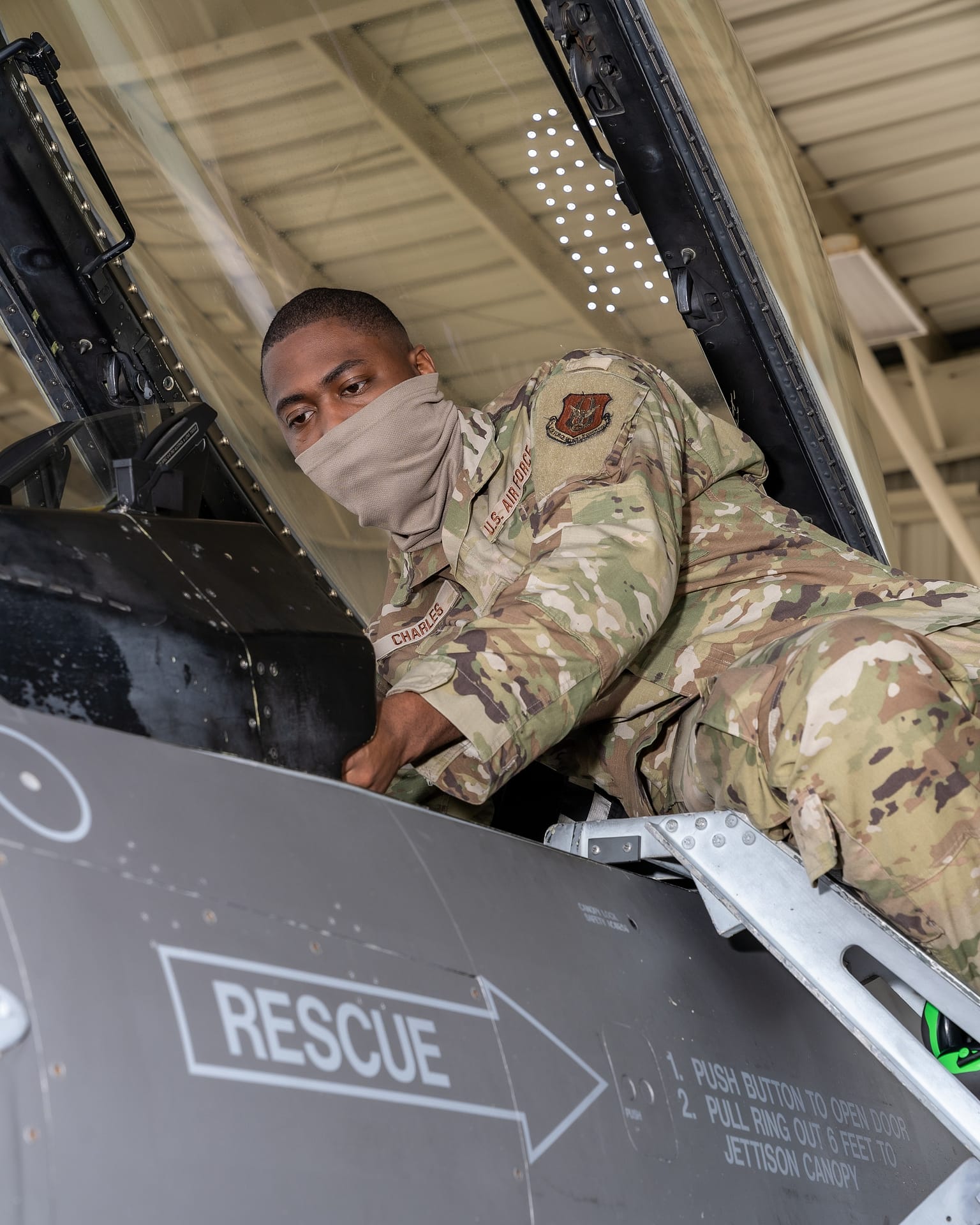
Secondo Scheff, il sistema di climatizzazione è davvero ottimo: una bocchetta di ventilazione anteriore funziona come la manopola del climatizzatore di un'auto, permettendo di regolare la temperatura da caldo a freddo mentre il jet vola sopra il motore, immerso in un'aria sotto zero. Per quanto riguarda il rumore, grazie agli auricolari personalizzati sotto il casco, lo definisce "più silenzioso di una normale auto" in autostrada.
La traversata oceanica, petroliera dopo petroliera.
La parte che sembra eroica – far volare un piccolo caccia attraverso l'oceano – è, sulla carta, un problema logistico risolto con il carburante. I caccia percorrono lunghe distanze in quelle che l'Aeronautica Militare chiama missioni Coronet: una formazione di jet scortati da aerei cisterna KC-135 o KC-46 che li riforniscono ripetutamente in modo che non rimangano mai a secco in mare aperto.
Si tratta di un lavoro preciso e poco appariscente. Come ha descritto un direttore delle operazioni di uno squadrone di aerocisterne, lo spazio aereo stesso si muove con la formazione.
Ogni caccia deve fare rifornimento più volte, avendo sempre a bordo carburante a sufficienza per decollare e raggiungere una base alternativa in caso di problemi. È il motivo, spesso sottovalutato, per cui un jet monomotore è in grado di attraversare l'Atlantico da un'isola all'altra.
Un KC-135 Stratotanker rifornisce di carburante gli F-16, il collegamento vitale che rende possibili le traversate oceaniche. (YouTube)
Nessuna TSA, nessun segnale di cintura di sicurezza, nessun compagno di posto
Il vero punto debole di Scheff sta nelle umiliazioni del viaggio in aereo. Su un Viper non c'è nessun cartello che inviti ad allacciare le cinture, nessuna regola sui liquidi, nessun gruppo d'imbarco, nessuna lotta per il bracciolo. Le spalline sono allentate – servono per agganciarti al paracadute, non per inchiodarti al sedile – così puoi muoverti liberamente per tutto il viaggio.
Anche il problema del bagno ha una soluzione rozza da pilota di caccia, che lasceremo a un sacchetto di emergenza e alla vostra immaginazione. Il suo punto resta valido: è meglio che scavalcare un compagno di viaggio addormentato per fare la fila per una cabina grande come una cabina telefonica.
E la comodità del servizio porta a porta è difficile da contestare. "Uscirò letteralmente dalla porta del mio ufficio, metterò la mia borsa nel vano di viaggio appeso sotto l'ala, avvierò il jet e partirò", scrive: niente coda ai controlli di sicurezza, niente ritiro bagagli, niente servizio di trasporto condiviso all'arrivo.
Il trucco (c'è sempre un trucco)
Prima di iniziare a invidiare i piloti dei traghetti, ecco alcune considerazioni oneste. Quel sedile reclinato è noto per causare dolori al collo durante i voli lunghi, spesso a causa delle abitudini di utilizzo del poggiatesta piuttosto che dell'inclinazione stessa. Non c'è un assistente di volo, nessun secondo pilota a sostituirvi, e un guasto meccanico in mezzo all'oceano è un evento ben più solitario di un ritardo al gate.
Il giudizio sul comfort è, francamente, anche una questione di gusti, nello specifico di quelli di Scheff. Ammette che la parte peggiore è dover allacciare le cinture con tutta l'attrezzatura prima ancora che la cupola si chiuda. Ciò che non è in discussione sono i fatti concreti: il sedile inclinato a 30 gradi, la cupola a bolla, le traversate oceaniche trascinate dal vento. Questi sono fatti documentati. La valutazione "meglio della prima classe" è solo l'opinione ottimistica di un pilota.
Vista dall'alto della cabina di pilotaggio di un F-16: l'ufficio in movimento. (YouTube)
Eppure, la prossima volta che vi trovate stipati in un sedile centrale a guardare la spia delle cinture di sicurezza che si accende per la terza volta, pensate al guidatore della Viper reclinato a 30 gradi, con le gambe distese, l'intero cielo nella sua capottina, da qualche parte sopra lo stesso oceano. Lui non è bloccato a 34°C. Anzi, forse se la sta persino godendo.
Fonti: The Aviation Geek Club (resoconto in prima persona di Rick Scheff, tramite Quora); US Air Force (af.mil, missione Coronet); The Ejection Site (sedile F-16 ACES II); Wikipedia / Simple Flying (specifiche della cabina di pilotaggio e del tettuccio dell'F-16).
Domande correlate
Su un volo lungo, un aereo da caccia è più comodo di un aereo di linea?
Sorprendentemente, un pilota di caccia sostiene di sì, almeno in tono scherzoso. Rick Scheff, pilota di F-16 dell'aeronautica statunitense, ha affermato che il suo F-16 monoposto è superiore al sedile di classe economica di un aereo di linea durante una traversata transatlantica, grazie al sedile eiettabile reclinabile e alla vista panoramica. Si tratta dell'opinione personale e scherzosa di un aviatore, ma i fatti concreti alla base di questa affermazione sono reali.
Perché il sedile eiettabile dell'F-16 è reclinato?
Il sedile eiettabile ACES II dell'F-16 è reclinato di circa 30 gradi, molto più dei 13-15 gradi tipici degli altri caccia. L'angolo elevato è stato adottato in parte per aumentare la tolleranza dei piloti alle manovre di combattimento ad alta accelerazione e per adattarsi agli aviatori più alti. Le stesse forze schiaccianti vengono esplorate nella nostra analisi di cosa succede al tuo corpo quando tiri 9G.
Come fanno i caccia ad attraversare l'Oceano Atlantico?
I caccia attraversano gli oceani nelle cosiddette missioni Coronet, scortati da aerei cisterna come il KC-135 o il KC-46 che li riforniscono ripetutamente in volo. Una singola tratta di trasferimento può durare diverse ore e coprire oltre 2.000 miglia: il pilota Rick Scheff cita un volo dalla base aerea di Shaw a Las Vegas di circa 2.500 miglia.
Quanto è buona la visibilità dalla cabina di pilotaggio di un F-16?
Eccellente. La cupola a bolla senza cornice dell'F-16 offre una visione di quasi 360 gradi, inclusi circa 40 gradi di visuale verso il basso lateralmente e circa 15 gradi sopra il muso. Questa visuale panoramica è uno dei motivi per cui i piloti apprezzano il jet e parte di ciò che rende un volo di un aereo da caccia civile così memorabile.
Un civile può fare un'esperienza di volo su un aereo da caccia?
Sì. Sebbene i caccia militari come l'F-16 non siano accessibili al pubblico, aziende come MiGFlug permettono ai civili di volare a bordo di veri aerei da caccia e da addestramento, inclusi voli supersonici. È l'esperienza più vicina che la maggior parte delle persone possa vivere al mondo panoramico e ad alta accelerazione descritto dai piloti.
0 Commenti