
Quick Facts
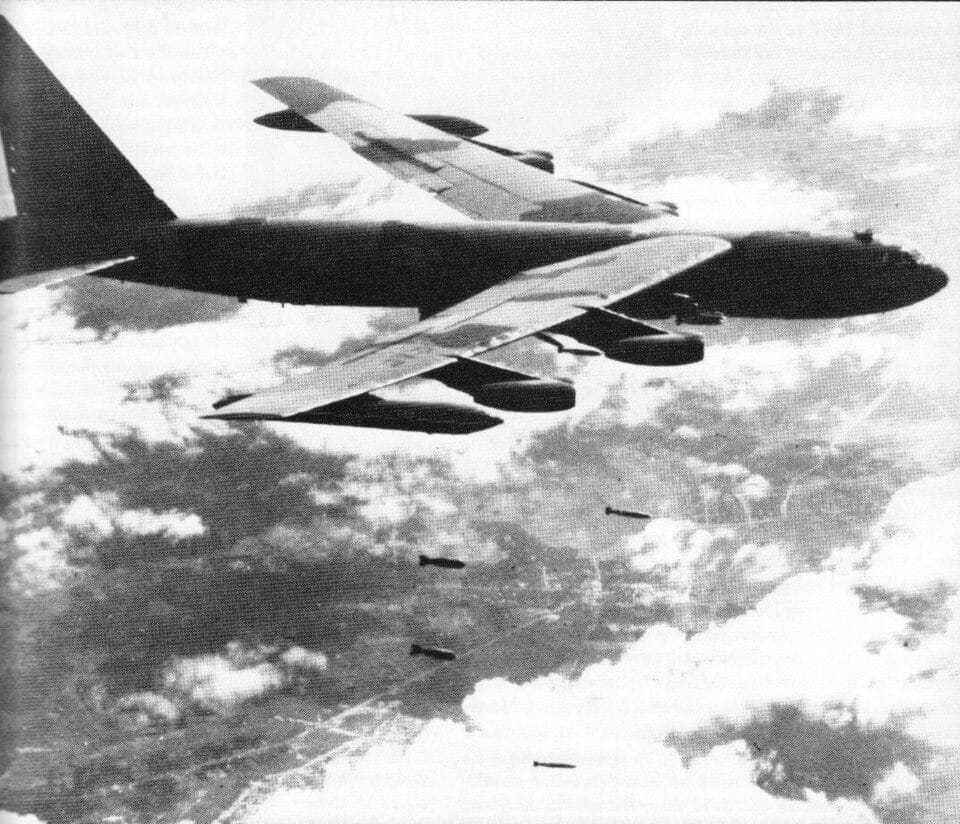
Operation: Linebacker II (also known as the Christmas Bombings)
Dates: December 18–29, 1972 (11 nights, with a Christmas Day pause)
Target: Hanoi and Haiphong, North Vietnam
B-52 sorties: 741
Bombs dropped: ~20,000 tons
B-52s lost: 15 (plus 9 other aircraft)
Aircrew: 33 killed, 33 captured, 26 rescued
Outcome: North Vietnam returned to Paris peace talks; accords signed January 27, 1973
The Most Dangerous Skies in History
Hanoi in December 1972 was defended by a system that had been built, tested, and refined over seven years of war. More than 900 Soviet-supplied SA-2 Guideline surface-to-air missiles ringed the capital. MiG-21 interceptors patrolled above. Anti-aircraft artillery — from 23mm automatic cannons to 100mm heavy guns — filled the lower altitudes. The North Vietnamese had shot down thousands of American aircraft since 1965. They knew how to fight.
Night One: Shock and Loss
The first wave hit Hanoi at 19:43 local time. One hundred and twenty-nine B-52s, supported by over 100 tactical aircraft providing SEAD (Suppression of Enemy Air Defences), Wild Weasel missions, chaff corridors, and fighter escort, rolled in from the northwest. The North Vietnamese fired more than 200 SA-2 missiles that first night. Three B-52s were shot down. It was the worst single-night loss of Stratofortresses in the aircraft’s history. The shock rippled through the bomber force. Crews who had been told that the B-52’s ECM would protect them watched wingmen explode in mid-air. Over the next two nights, the losses continued. By December 20, six B-52s had been destroyed. Crews began to question the tactics — particularly the requirement to fly straight and level on the bomb run and then execute a predictable post-target turn that kept them in the SAM envelope far too long.Adaptation Under Fire
The Air Force changed tactics. Post-target turns were eliminated — bombers now flew straight through the target area and exited on varying headings. Altitudes were varied. Approach routes were randomised. More chaff was laid. More Wild Weasels flew ahead to suppress SAM sites. The changes worked. After the first three nights, no B-52 was shot down for two consecutive nights. The North Vietnamese expended SAMs at an unsustainable rate. By Christmas Day — when the bombing paused for 36 hours — Hanoi’s missile stockpile was critically depleted. When the bombing resumed on December 26, 120 B-52s hit Hanoi simultaneously from multiple directions in a concentrated fifteen-minute strike. The SAM operators, overwhelmed and running low on missiles, shot down two bombers. It was the last significant loss of the campaign.The Price of Peace
Linebacker II ended on December 29. Fifteen B-52s had been shot down — along with two F-111s, three F-4s, two A-7s, an A-6, and an EB-66. Thirty-three B-52 crew members were killed. Thirty-three were captured (and released after the peace accords). Twenty-six were rescued. North Vietnam returned to the Paris negotiating table on January 8, 1973. The Paris Peace Accords were signed on January 27. American POWs — including the Linebacker II crews — came home in Operation Homecoming that spring. The campaign remains deeply controversial. Critics called it a terror bombing. Supporters argued it achieved in eleven nights what years of graduated escalation had failed to produce. The B-52 crews, who flew into the densest air defences in history night after night, called it something simpler: the toughest thing they ever did. Eleven nights. Fifteen bombers. A peace agreement signed in blood and jet fuel.Sources: Air Force Historical Studies Office, “The Eleven Days of Christmas” by Marshall Michel, National Museum of the USAF
 English
0 Comments