
Quick Facts
- Q1 EPS: $6.44 vs $6.77 expected — a $0.33 miss
- Revenue: $18.0B vs $18.4B expected
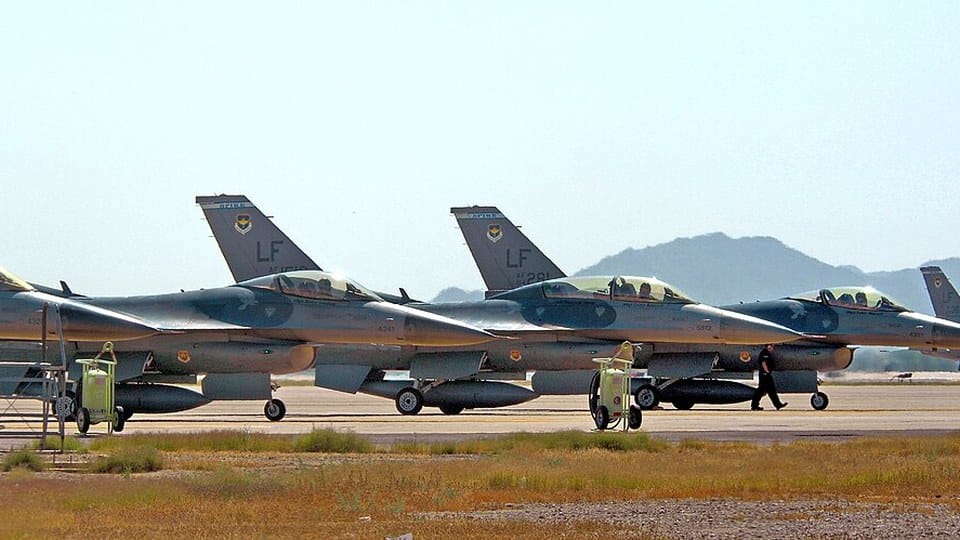
- F-16 hit: $125 million unfavourable profit adjustment from production and development delays
- C-130J hit: $55 million unfavourable adjustment from diminishing supplier base
- Aeronautics profit: Down 14% to $619 million
- Free cash flow: Swung from +$955M to -$291M year-over-year
- Stock reaction: Shares fell ~6.3% on the day
- Full-year guidance: Reaffirmed at $77.5B–$80.0B in sales
The F-16 Problem
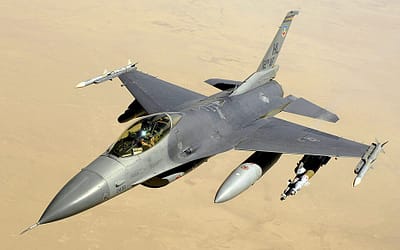
The $125 million F-16 charge is the larger wound, and it comes from two directions. First, production performance issues — Lockheed’s Greenville, South Carolina, F-16 line is handling complex upgrade and rework programmes for international customers including Taiwan and Morocco, and the work is proving more expensive than the company bid. These are not new-build jets rolling off a clean production line. They are existing airframes being torn down, modified, and rebuilt to newer configurations — a process that generates surprises. Second, development delays. The F-16 Block 70/72, the latest and most advanced Viper variant, is in various stages of delivery to multiple foreign customers. Integration of new radar systems, electronic warfare suites, and structural modifications has taken longer than scheduled. Every month of delay is a month of costs without corresponding revenue recognition. The irony is sharp. The F-16 is enjoying its strongest order book in years — Bahrain, Bulgaria, Slovakia, Taiwan, and others are all buying or upgrading. Demand has never been higher. Lockheed’s problem is not selling F-16s. It is building them profitably.The C-130 Problem
The C-130J Super Hercules charge — $55 million — stems from a quieter but more insidious issue: the disappearance of subcontractors. The C-130 has been in production since 1954. Over seven decades, the supply chain has evolved, consolidated, and in some cases simply vanished. Parts that were once produced by dozens of small machine shops are now sourced from a handful of remaining suppliers, some of whom are themselves struggling with workforce and capacity constraints. Lockheed calls this “diminishing manufacturing sources,” and it is a problem that gets worse with time, not better. When a sole-source supplier for a critical C-130 component falls behind schedule, there is no alternative. The production line waits, costs accumulate, and delivery dates slip. The C-130 remains in strong demand — the U.S. Air Force, Coast Guard, and over a dozen allied nations operate the type — but the economics of building a 70-year-old design with a 21st-century supply chain are becoming increasingly challenging.The Bigger Picture
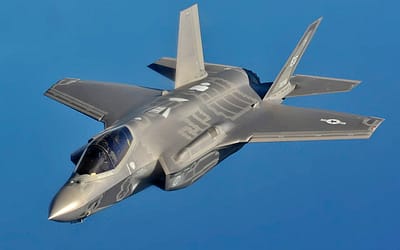
Despite the miss, Lockheed reaffirmed its full-year guidance: $77.5 billion to $80.0 billion in sales and $6.5 billion to $6.8 billion in free cash flow. Management attributed the cash flow swing to billing timing rather than structural deterioration, and pointed to strong demand across every business segment. The F-35 programme — Lockheed’s largest — continues to deliver, with Technology Refresh 3 software upgrades progressing and production rates holding steady. The classified portfolio is growing. International orders are robust. But Wall Street’s reaction was clear: in a defence market where every major prime is expected to benefit from rising global military spending, a miss is a miss. Lockheed’s stock dropped more in a single session than most defence stocks have moved all quarter. The F-16 and C-130 — two aircraft that have printed money for Lockheed for decades — are now the line items that investors want explained.Sources: Quartz, Yahoo Finance, Lockheed Martin Investor Relations, Aerotime

 English
0 Comments