
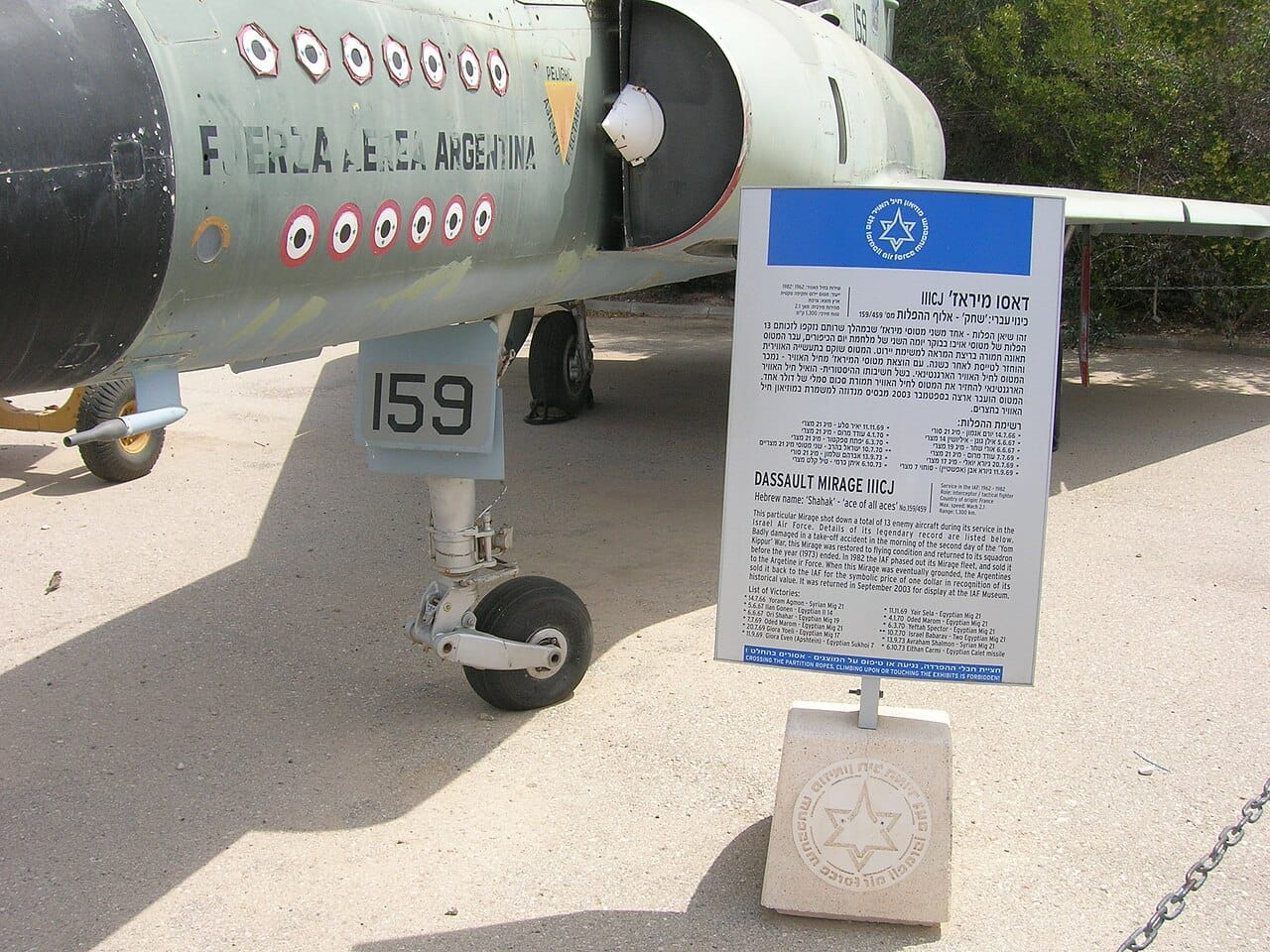
At 07:45 on the morning of June 5, 1967, Egyptian fighter pilots were finishing breakfast. Their dawn patrols had just landed; the sky was quiet. It was, by design, the most dangerous moment of their day.
Minutes later, French-built Israeli jets came howling in below the radar. By the time the Egyptians understood what was happening, the war in the air was already lost. In a single morning, Israel had effectively decided the Six-Day War.
Quick Facts
- Operation: Focus (Hebrew: Moked), June 5, 1967 — the opening blow of the Six-Day War
- Goal: a preemptive strike to destroy the Arab air forces on the ground
- Behind it: conceived by Ezer Weizman, executed by Maj. Gen. Mordechai “Motti” Hod
- The odds: about 200 mostly French-built Israeli jets against some 600 Arab aircraft
- The result: ~90% of Egypt’s air force destroyed; Jordan, Syria and an Iraqi base hit by dusk; Israel lost fewer than 20
Years in the Making
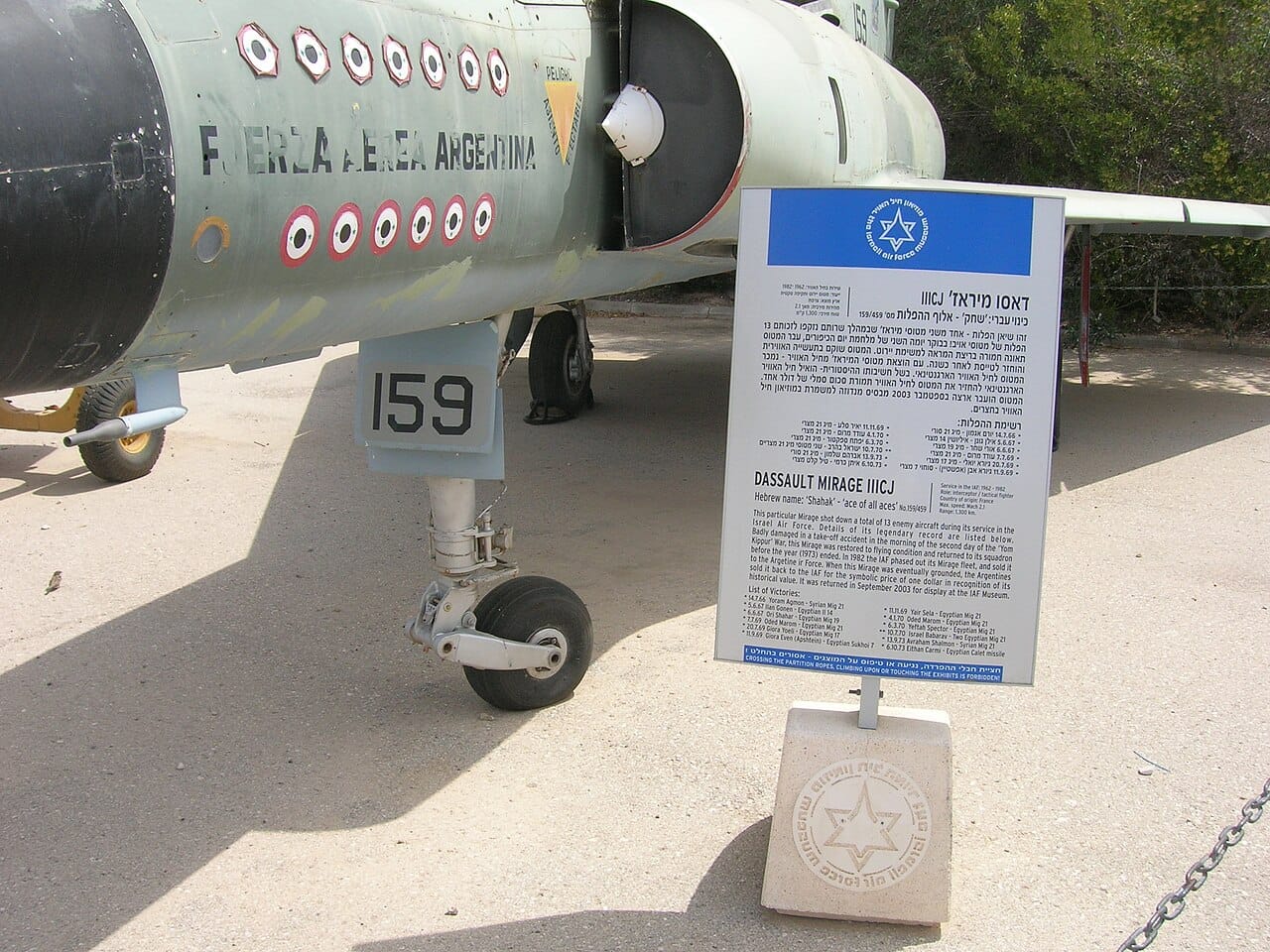
Operation Focus was not a gamble; it was a meticulously rehearsed plan years in the making. Conceived by Ezer Weizman during his command of the Israeli Air Force in the early 1960s, it passed to Major General Mordechai Hod to execute. On paper the odds looked grim: roughly 200 Israeli aircraft against some 600 Arab planes, including Soviet-supplied MiGs and a fleet of Tu-16 bombers that could strike Israeli cities.
The Genius Was the Timing
The masterstroke was the clock. A dawn attack was the obvious move — so Israel did not make it. The planners waited until 07:45, by which point the Egyptian dawn patrols had returned to base and crews had stood down for breakfast. The Israeli jets flew out over the Mediterranean in radio silence, dropped to wave-top height to slip under radar coverage, and swung in toward eighteen Egyptian airfields at once.
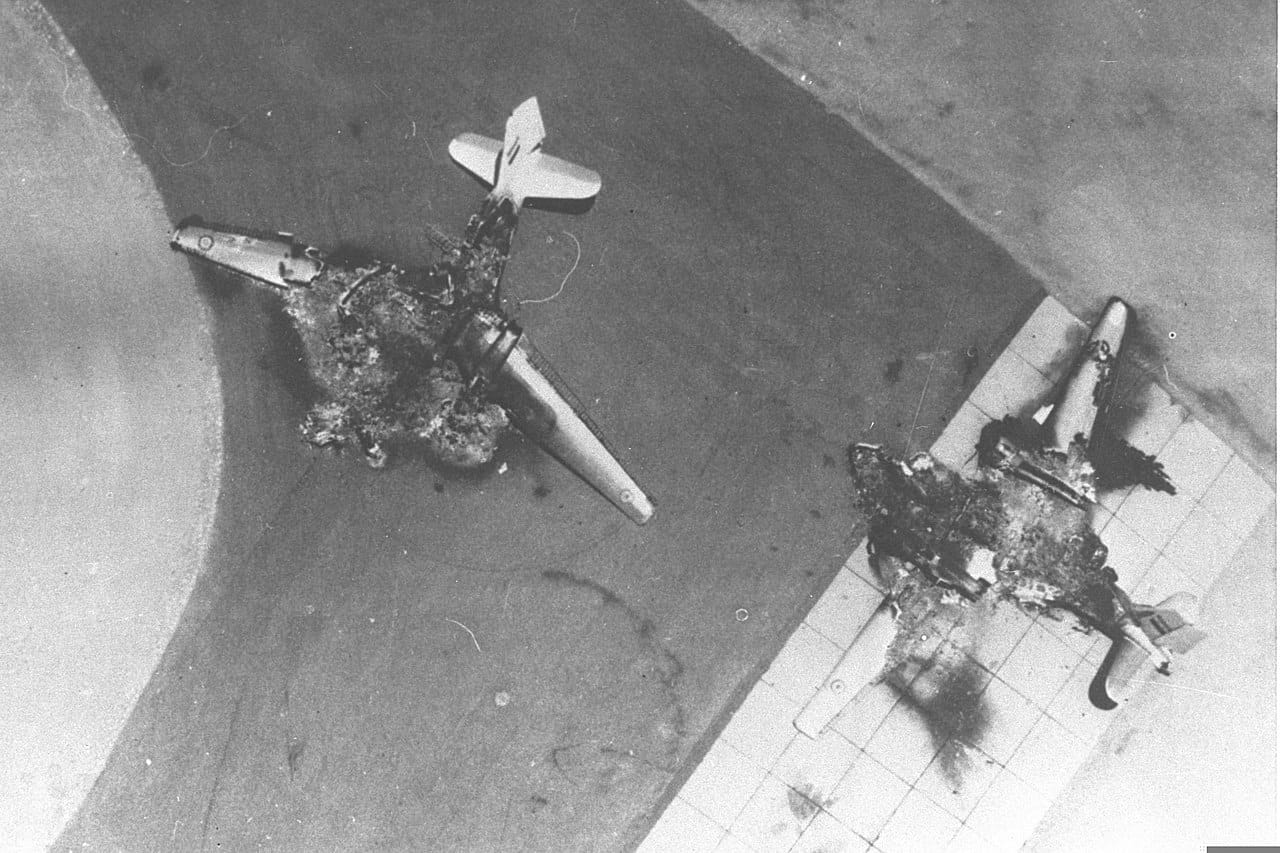
They carried a secret weapon as much about engineering as surprise: special runway-cratering bombs designed to crack concrete and trap surviving aircraft on the ground, unable to take off.
Three Air Forces Before Sundown
The numbers are almost hard to believe. The first wave destroyed some 186 Egyptian aircraft; a second wave around 09:30 added more than a hundred. By the time the sun set, Israel had effectively dismantled the air forces of Egypt, Jordan and Syria — and struck an Iraqi base for good measure — while losing fewer than twenty of its own aircraft.
With the skies cleared, Israeli ground forces moved with near impunity. The war would run six days, but its outcome was sealed in the first three hours.
More than half a century later, Operation Focus is still taught in war colleges as one of the most successful air campaigns ever flown — a case study in how surprise, timing and obsessive planning can overturn the odds in a single morning.
Sources: The National Interest; Israel National News; CBN News; U.S. Naval War College; Wikipedia.

 English
0 Comments