

Quick Facts
Operation: Project Freedom — U.S. Navy escort mission through the Strait of Hormuz
Launched: May 4, 2026
Paused: May 5, 2026 — one day later
Forces deployed: 100+ aircraft, guided-missile destroyers, 15,000 service members
Carrier Strike Groups: USS Abraham Lincoln and USS George H.W. Bush in the Arabian Sea
Reason for pause: Trump cited “progress toward a complete and final agreement” with Iran
The Biggest Naval Show of Force in Decades
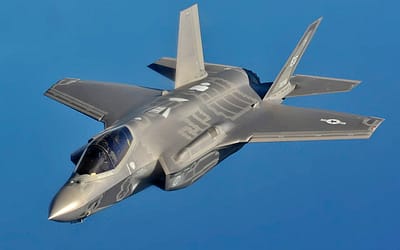
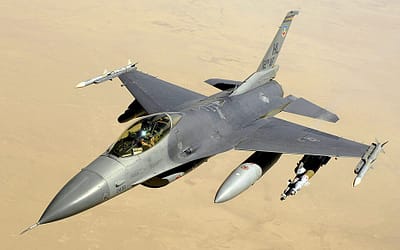
Project Freedom assembled an extraordinary concentration of firepower. Two carrier strike groups — led by USS Abraham Lincoln and USS George H.W. Bush — sat in the Arabian Sea. More than 100 fighter jets, reconnaissance aircraft, and drones provided round-the-clock surveillance. Guided-missile destroyers moved into the strait itself, forming a defensive corridor for commercial shipping.
Why Trump Hit Pause
The whiplash came fast. Less than 24 hours after the most aggressive U.S. naval action in the Gulf since 1988, Trump announced a pause. The stated reason: diplomatic progress. Behind the scenes, analysts offered different theories — everything from fuel for negotiations to a recognition that sustained escort operations through a mined, missile-covered strait would be enormously costly.
What Happens Now
The two carrier strike groups remain in position. The aircraft are still flying. The destroyers have not withdrawn. Project Freedom is paused, not cancelled — and the infrastructure to resume at short notice is already in place. For the shipping industry, the uncertainty is agonising. Insurance rates for Hormuz transits have skyrocketed. Many tanker operators are rerouting around the Cape of Good Hope, adding weeks and millions in costs. Until the strait is reliably open — or a deal with Iran is signed — the world’s energy supply chain remains hostage to a 33-kilometre stretch of water. One day of Project Freedom proved the U.S. can force the strait open. The question is whether Washington has the appetite to keep it open.Sources: CNBC, Breaking Defense, Al Jazeera, Stars and Stripes, DefenseScoop

 English
0 Comments