
India can build fighter airframes. What it has never managed to build is a fighter engine. That single gap has hobbled Indian air power for decades — and on 14 August 2026, the country’s richest man announced a plan to close it.
Reliance Industries, the conglomerate controlled by billionaire Mukesh Ambani, is teaming up with Britain’s Rolls-Royce to jointly design, develop and manufacture an indigenous engine for India’s Advanced Medium Combat Aircraft (AMCA), the stealth fighter New Delhi is racing to field. For a company best known for oil, telecoms and retail, it is a dramatic move into the hardest corner of aerospace.
If it works, it would end one of the most stubborn dependencies in Indian defence.
Quick Facts
Partners: Reliance Industries (Mukesh Ambani) and Rolls-Royce Holdings
Goal: an indigenous combat engine for India’s AMCA stealth-fighter programme
Plan: a dedicated aerospace gas-turbine complex in India
AMCA funding: ₹15 billion (~$157 million) earmarked by the government in May 2026
AMCA prototype: targeted around 2028
The problem it solves: India’s long reliance on foreign engines for its fighters
The Engine India Never Had
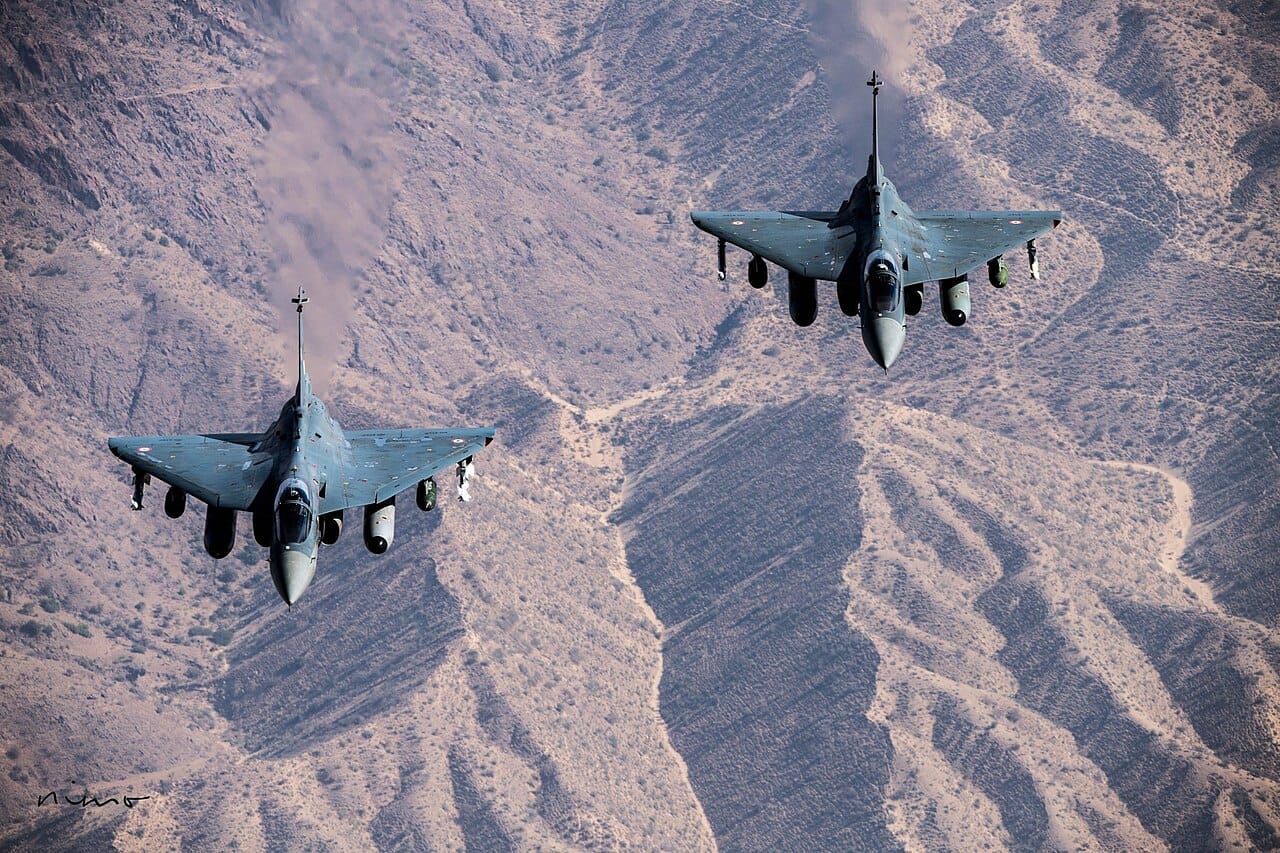
Every Indian fighter flying today breathes through a foreign engine. The indigenous Tejas light combat aircraft is powered by American General Electric F404 and F414 engines; the Su-30MKI uses Russian AL-31s; the Rafale uses French M88s. India’s own Kaveri engine programme, begun in the 1980s, never produced a powerplant good enough to fly a frontline fighter. The result is a strategic vulnerability: even when India builds the jet, it cannot fly it without a supplier abroad signing off.
That dependency has bitten hard and recently. Deliveries of the latest Tejas Mk1A stalled in part over the supply of GE’s F404 engines — brand-new Indian fighters sitting on the ground waiting for imported hearts. A sovereign engine is the missing piece of “Atmanirbhar Bharat”, India’s self-reliance drive.
Tejas and AMCA: the fighters at the heart of India’s drive for an indigenous aerospace industry.
Why Reliance and Rolls-Royce
The pairing is unusual but logical. Rolls-Royce brings something almost no one else will share: genuine expertise in designing military jet engines, a club of perhaps a handful of companies worldwide. Reliance brings capital, manufacturing scale and a track record of executing enormous industrial projects. The two say they will build a dedicated gas-turbine complex and explore wider work across defence, civil aerospace and power systems.

A Long Road Ahead
Caution is warranted. Designing a modern fighter engine is arguably harder than designing the aircraft around it, and neither company has disclosed a budget, a timeline, or which AMCA variant the engine is meant for. The AMCA itself is still years from a prototype, currently targeted around 2028, and India has separately shortlisted private firms to help build the airframe. A joint venture announcement is not a running engine.
Still, the significance is hard to overstate. If Reliance and Rolls-Royce can put a home-built engine in the back of an Indian stealth fighter, India joins a tiny group of nations able to power their own frontline jets — and finally stops waiting on someone else to deliver the one part it could never make.
Sources: Forbes; Reliance Industries; Rolls-Royce; Indian Ministry of Defence.
0 Comments