On March 3, 2026, a video surfaced showing a drone approaching the port of Fujairah — one of the UAE’s most critical energy hubs — and detonating against infrastructure. The drone appeared intact on approach. There was no visible sign of interception. The explosion was real. And the UAE said nothing.
According to an investigation by Bellingcat, this strike is one of several that the United Arab Emirates has systematically downplayed, mischaracterised, or simply refused to acknowledge. The pattern is consistent: Iranian drones and missiles hit UAE territory, and the official response ranges from denial to carefully curated narratives of successful interception.
Quick Facts
Source: Bellingcat open-source investigation (published April 2, 2026)
Confirmed strike: Drone hit on Fujairah energy port (March 3, 2026) — video evidence shows intact drone on approach
Iranian weapons used: Shahed-series one-way attack drones and ballistic missiles
UAE targets hit: Civilian buildings, military bases, energy infrastructure across Gulf states
Iranian campaign scale: At least 390 missiles and 830 drones launched in the first two days of retaliation
What Bellingcat Found
Bellingcat’s investigation cross-referenced publicly available video footage, satellite imagery, social media posts, and flight tracking data against UAE government statements. The gap between what the evidence shows and what authorities have acknowledged is significant.
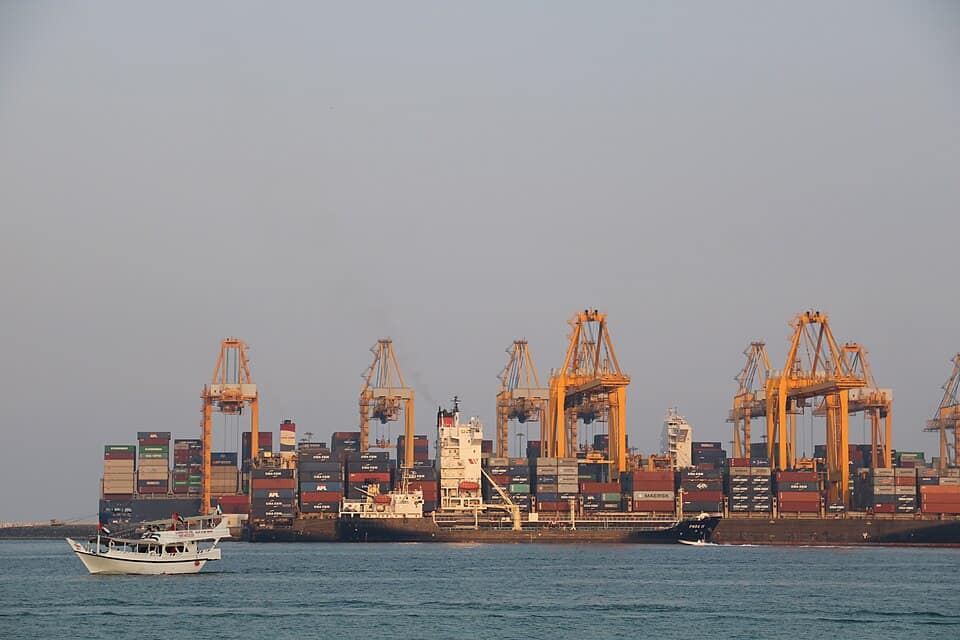
Oil storage tanks at the port of Fujairah — one of the UAE’s most strategically important energy hubs, and a confirmed Iranian drone strike target according to Bellingcat. Wikimedia Commons
In multiple cases, videos posted by residents showed explosions, fires, and drone debris in areas where the UAE government had either denied any strikes occurred or claimed all incoming threats were successfully intercepted. The Fujairah port strike is the most dramatic example — the video clearly shows a drone completing its approach and detonating on a target — but Bellingcat identified additional incidents across the country where the official narrative does not match the physical evidence.
The investigation also documented how UAE-linked social media influencers amplified government narratives of successful interceptions while downplaying or ignoring evidence of successful strikes. The information management effort appears coordinated and systematic rather than improvised.
The Scale of Iran’s Assault
The context matters. Iran’s retaliatory strikes against US-allied targets across the Gulf region were the largest missile and drone barrage in Middle Eastern history. In the first two days alone, Iran launched at least 390 missiles and 830 drones against targets in Israel, the UAE, Qatar, Kuwait, Jordan, and Iraq. Shahed-series drones struck civilian buildings in Gulf cities. Ballistic missiles targeted US military bases.
A reverse-engineered replica of the Iranian Shahed-136 one-way attack drone — variants of this weapon struck UAE targets that were never publicly acknowledged. Wikimedia Commons
No air defence system in the world can intercept every incoming weapon in a salvo of that magnitude. The physics of saturation attacks favour the attacker — defenders must stop every threat, while attackers need only one to get through. That some Iranian weapons reached their targets in the UAE is not a failure of Emirati air defences. It is the predictable outcome of facing a massive, coordinated strike package.
What makes the story newsworthy is not that strikes succeeded — it is that a nation chose to deny they happened rather than acknowledge the reality and address it publicly. For a country that has invested billions in air defence systems and marketed itself as a secure, modern hub for global commerce, admitting vulnerability to Iranian drones carries enormous economic and reputational stakes.
Why Transparency Matters
The implications extend beyond public relations. Military planners across the Gulf rely on accurate battle damage assessment to understand what works and what does not. If successful strikes are officially denied, the feedback loop that drives defensive improvements is broken. Engineers cannot fix what commanders refuse to admit is broken.
For the broader international community, the Bellingcat investigation raises uncomfortable questions about the information environment surrounding the Iran conflict. If allies are sanitising strike data to manage domestic panic and investor confidence, the true picture of the air war may be significantly more complex than official briefings suggest.
Bellingcat also released an updated version of its open-source Iran Conflict Damage Proxy Map, built on Sentinel satellite imagery, which allows independent analysts to identify destruction across the Gulf region regardless of what any government chooses to disclose. The tool represents exactly the kind of accountability mechanism that makes open-source intelligence so powerful — and so unwelcome in capitals that prefer curated narratives.
Sources: Bellingcat, open-source video evidence, satellite imagery analysis
From the fjords of northern Norway to the sun-baked runways of southern Spain, NATO is conducting the largest air exercise in Alliance history. Ramstein Flag 2026, which began on 8 June and runs through 19 June, has assembled more than 200 aircraft from 18 nations...
The numbers arrived in Brussels like a cold shower. US fighter jets allocated to NATO: cut from 150 to 100. KC-46 aerial refuelling tankers: all eight withdrawn. Maritime patrol aircraft: slashed from 26 to 15. One carrier strike group, one cruise-missile submarine,...
Forget everything you think you know about how military drones get made. Lockheed Martin's legendary Skunk Works division — the outfit that gave us the U-2, the SR-71 Blackbird, and the F-117 Nighthawk — just showed off an unmanned aircraft that was designed,...




 English
0 Comments