
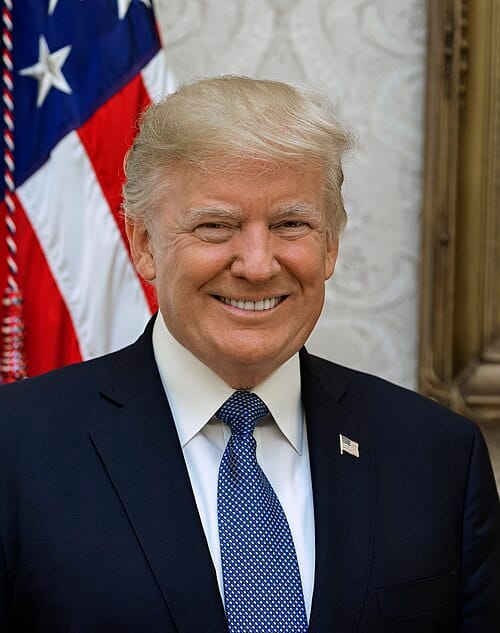
Ceasefire Announced April 7, 2026 — two-week pause in hostilities
Duration of War 38 days (February 28 – April 7)
US Claim "Total and complete victory, 100%" — President Trump
Iran Claim "Nearly all war objectives have been achieved" — Supreme National Security Council
Key Term Iran agrees to immediate, safe reopening of the Strait of Hormuz
Iran's Proposal 10-point peace plan — Trump calls it "a workable basis on which to negotiate"
Negotiations Set to begin in Islamabad, Pakistan, April 10
Disputed Whether Lebanon is covered by the ceasefire (US says no, Iran says yes)
Status Ceasefire, not peace — 14-day pause, no binding agreement yet
Trump's Stated Goals: The Scorecard
The Trump administration entered this conflict with a series of public demands that escalated as the war progressed. Some were stated explicitly by the President; others were articulated by officials including Secretary of State Marco Rubio and Special Envoy Steve Witkoff. Below is a factual comparison of what was demanded and what the ceasefire delivers.| Stated Goal | Source / Date | Status |
|---|---|---|
| Reopen the Strait of Hormuz — "The COMPLETE, IMMEDIATE, and SAFE OPENING of the Strait of Hormuz" | Trump, Truth Social, April 7 | ✅ |
| Destroy Iran's nuclear facilities — "obliterated" nuclear programme; decommission Fordow, Natanz, Isfahan | Trump, Feb 28; US 15-point proposal, March 25 | ⚠️ |
| Permanent commitment against nuclear weapons — Iran must never develop nuclear weapons | US 15-point proposal, March 25 | ❌ |
| Handover of uranium stockpiles to IAEA | US 15-point proposal, March 25 | ❌ |
| Dismantle ballistic missile programme — "destroy their missiles and raze their missile industry" | Trump, Feb 28 | ❌ |
| End support for regional proxies — Hezbollah, Houthis, Iraqi militias | US 15-point proposal, March 25 | ❌ |
| Meet and exceed all military objectives | Trump, April 7 | ⚠️ |
| Lebanon included in ceasefire | Pakistan mediator vs. Netanyahu, April 8 | ❌ |
✅ Achieved ⚠️ Partially / disputed ❌ Not achieved or not addressed in ceasefire
What Trump Claims
The President's messaging has been unambiguous. In his ceasefire announcement, Trump stated that the US had "already met and exceeded all Military objectives" and that "almost all of the various points of past contention have been agreed to between the United States and Iran."
What Iran Claims
Iran's narrative is strikingly similar — and equally selective. The Supreme National Security Council confirmed the ceasefire and claimed that "nearly all war objectives have been achieved." Iran's 10-point counterproposal includes demands that, if accepted, would represent significant concessions by Washington: a fundamental US non-aggression commitment, acceptance of Iran's nuclear enrichment programme, lifting of all primary and secondary sanctions, US withdrawal from regional bases, full war damages compensation, release of frozen assets, and a binding UN Security Council resolution. Iran also shifted its initial position. It moved from demanding an "immediate and permanent" ceasefire to accepting a temporary two-week arrangement. And it proposed using shipping fees from Strait of Hormuz transit to fund reconstruction — a pragmatic retreat from earlier demands for direct reparations.The Gap: What the Experts Say
The distance between the rhetoric and the reality has not escaped analysts. The range of expert opinion — from administration allies to sharp critics — reveals a consensus on one point: this ceasefire is a pause, not a resolution.
The Lebanon Problem
The most immediate threat to the ceasefire is not in Tehran or Washington — it is in Beirut. Within hours of the ceasefire announcement, a major contradiction emerged: Pakistan's mediator stated that the ceasefire covers Lebanon. Israeli Prime Minister Benjamin Netanyahu explicitly said it does not. Israel then launched its largest bombing campaign on Lebanese territory since the war began.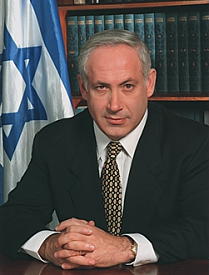
The Nuclear Question That Disappeared
The war began, at least in part, as a response to Iran's nuclear programme. Trump stated on February 28 that he had "obliterated" Iran's nuclear capability. Yet by March, the administration was again citing Iran's nuclear threat as justification for continued strikes — a contradiction that the UN's nuclear watchdog, the IAEA, quietly noted by stating that Iran was not in a position to build a nuclear weapon. Iran's 10-point plan includes a demand for "acceptance of enrichment" — the right to continue enriching uranium. The US 15-point proposal from March 25 demanded the opposite: decommissioning of enrichment facilities at Fordow, Natanz, and Isfahan, plus handover of uranium stockpiles to the IAEA. The ceasefire resolves none of this. It simply defers it to the Islamabad talks. The missile question follows the same pattern. Trump entered the war promising to raze Iran's missile industry. He has not mentioned missiles once in his ceasefire statements. Whether the missiles were sufficiently degraded by 38 days of strikes or whether the goal was quietly abandoned is a question the Islamabad negotiations will force into the open.14 Days to Decide
What the ceasefire achieved is narrow but real: the Strait of Hormuz reopens to commercial shipping, bombs stop falling on Iranian infrastructure, and both sides have agreed to negotiate. After 38 days of escalating violence — including the assassination of Iran's supreme leader, the downing of an F-15E, the destruction of American aircraft inside Iran, and the most devastating infrastructure bombing campaign since Baghdad 2003 — the mere fact of a ceasefire is significant. What it did not achieve is everything else. The nuclear programme is unresolved. The missile question is unanswered. Iran's proxy network is intact. Lebanon is burning. And the ceasefire expires in two weeks. Both sides are claiming victory because both sides need to. Trump needs a win before the political cost of an unpopular war becomes unsustainable. Iran needs to demonstrate that 38 days of bombardment did not break its will. The truth, as usual, lies in the details that neither side wants to discuss — and those details will be negotiated in Islamabad, starting April 10, with the clock already ticking. Sources: NPR, CNBC, CNN, Al Jazeera, Foreign Policy, Arms Control Association, NBC News, CBS News, HaaretzRelated Questions
How long did the 2026 US-Iran war last?
The 2026 air war between the United States and Iran lasted 38 days, running from February 28 to April 7, 2026, when a two-week ceasefire was announced. The article describes it as the most intense American air campaign since the Iraq War, ending with both sides claiming success after the regional airspace closures it triggered.
What was the outcome of the 2026 Iran war?
Both sides claimed victory but neither achieved all its aims. President Trump declared a "total and complete victory," while Iran's Supreme National Security Council said nearly all its war objectives had been met. The April 7 ceasefire included Iran agreeing to reopen the Strait of Hormuz, with negotiations set to begin in Islamabad, Pakistan.
Why is the Strait of Hormuz strategically important?
The Strait of Hormuz is a narrow waterway between Iran and the Arabian Peninsula through which a large share of the world's seaborne oil passes. Closing or threatening it can disrupt global energy supplies and prices, which is why Iran's agreement to an "immediate, safe reopening" of the strait was a central term of the 2026 ceasefire.
What is a ceasefire?
A ceasefire is a mutually agreed halt to active fighting, which may be temporary or open-ended. It is not the same as a peace treaty: hostilities can resume if talks collapse. The US-Iran ceasefire announced April 7, 2026 was a two-week pause meant to create space for negotiations, which were scheduled to begin in Islamabad, Pakistan.
Can both sides win a war?
Rarely in absolute terms, though both can claim victory. After the 2026 US-Iran war, each side declared success: Washington cited military dominance, Tehran cited survival and achieving its objectives. Such competing narratives are common when a conflict ends in a negotiated ceasefire rather than an outright surrender, leaving the real balance disputed.


0 Comments