
Here's a number that should terrify anyone who flies in the United States: 76. That's how many consecutive days American aviation has been disrupted since April 1, 2026 — the longest unbroken streak of chaos since airline deregulation in 1978.
And June 15 just delivered one of the worst single days yet.
The Numbers Are Brutal
As of this writing, 855 flights have been cancelled and 7,773 delayed across the US today. Dallas-Fort Worth alone accounts for 180 cancellations and 882 delays. Atlanta's Hartsfield-Jackson — the world's busiest airport — has racked up 891 delays. New York's LaGuardia has 187 cancellations.
The airline-level breakdown is equally grim. Southwest leads with 1,577 delays and 38 cancellations. American follows with 1,267 delays and 110 cancellations. Delta rounds out the top three with 1,089 delays and 76 cancellations.
Severe thunderstorms across the South and Midwest triggered FAA ground stops and flow control programs. But weather is only the match — the kindling has been building for years.
A System Running on Fumes
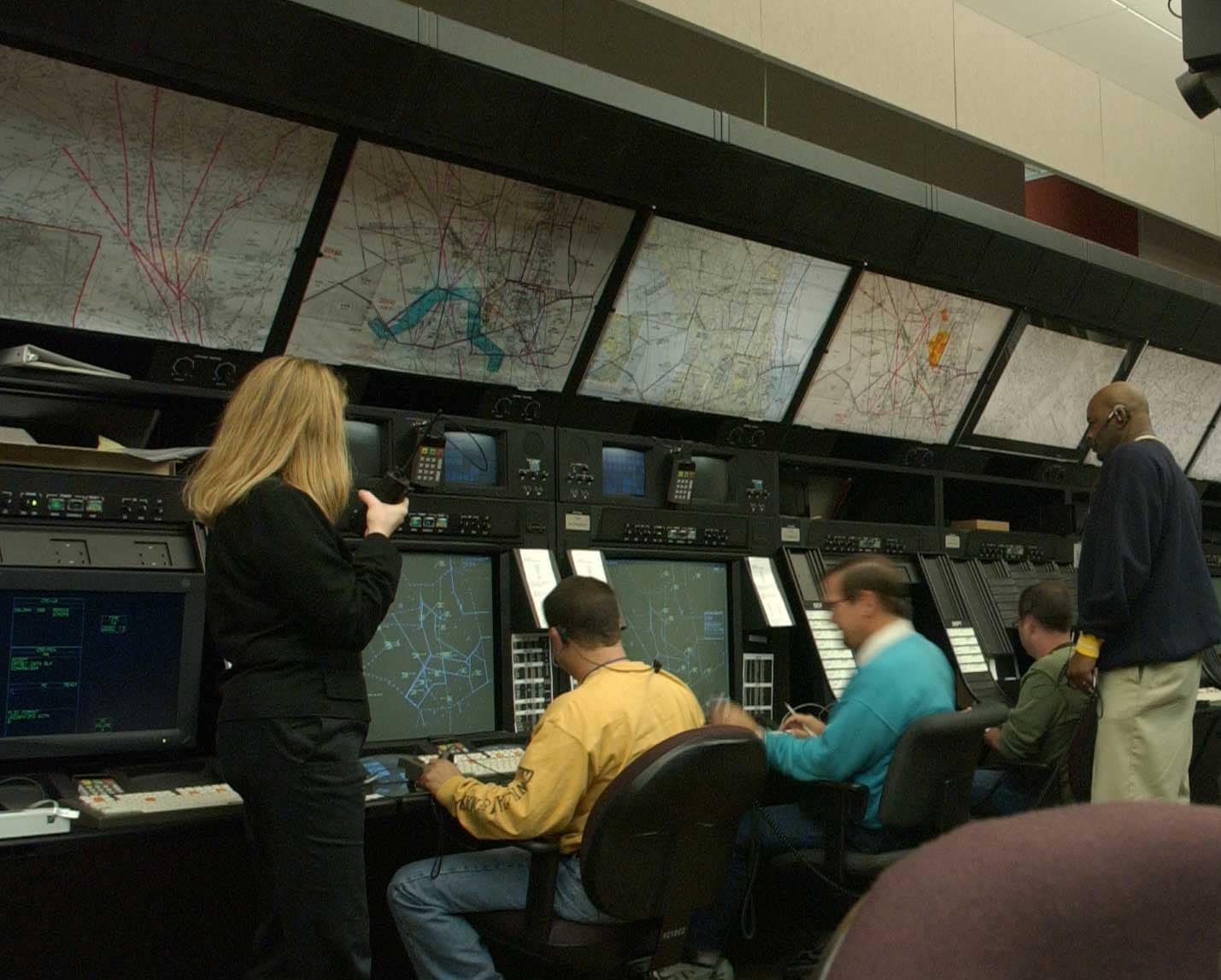
The FAA is roughly 3,500 controllers short of what it needs. The agency employs approximately 11,000 certified controllers against a requirement that used to be pegged at 14,633. Then, in May 2026, the FAA quietly slashed its own staffing target by nearly 2,000 positions — down to 12,563 — without consulting the National Air Traffic Controllers Association (NATCA).
The result is a workforce stretched to breaking point. Controllers at critical facilities are working six consecutive days on 10-hour shifts. Many facilities are operating at just 60% of required staffing levels. Fatigue isn't a risk factor anymore — it's a baseline condition.
The Pilot Pipeline Is Broken Too
It's not just the people in the towers. The United States is roughly 24,000 qualified pilots short of what airlines need. Making matters worse, approximately 4,300 captains will hit the mandatory retirement age of 65 every year for the foreseeable future. Airlines are hiring as fast as they can, but training a commercial pilot takes years and costs upwards of $100,000.
Regional carriers — the ones connecting smaller cities to major hubs — are being hit hardest. They simply cannot compete with mainline carriers on salary, and their routes are the first to be cut when crews run thin.
76 Days and Counting
What makes the current crisis different from a bad weather week is its relentlessness. Since April 1, there has not been a single day without significant disruption somewhere in the national airspace system. That 76-day streak is unprecedented in the modern era — nothing since the chaos following deregulation in 1978 comes close.
The causes compound each other in a vicious cycle: understaffed ATC facilities impose flow control restrictions, which create cascading delays, which overwhelm already-stretched airline crews, which trigger cancellations, which strand aircraft out of position for the next day's schedule.
What Comes Next
The honest answer: nobody knows. Training a new air traffic controller takes two to four years. The pilot shortage won't ease until training capacity expands dramatically or the retirement age is raised — both politically fraught propositions. And summer thunderstorm season is just getting started.
For now, if you're flying in the United States this summer, build in a buffer. A big one. The system that moves 2.9 million passengers a day is running on fumes, held together by exhausted controllers and overworked crews doing their best with too little support.
The 77th consecutive day of disruption is almost certainly coming tomorrow.
Related Questions
Why are so many US flights being delayed and cancelled in 2026?
A combination of severe weather and a strained air-traffic system has produced an extraordinary run of US flight disruptions in 2026, with 76 consecutive days of problems since April 1, the longest unbroken streak since airline deregulation in 1978. Severe thunderstorms triggering FAA ground stops have been a recurring trigger, building on earlier summer travel chaos.
How bad were the US flight cancellations on June 15, 2026?
June 15, 2026 was one of the worst days, with 855 flights cancelled and 7,773 delayed across the US. Dallas-Fort Worth alone saw 180 cancellations and 882 delays, Atlanta's Hartsfield-Jackson recorded 891 delays, and New York's LaGuardia had 187 cancellations.
Which airlines had the most delays?
On the worst day, Southwest led with 1,577 delays and 38 cancellations, followed by American with 1,267 delays and 110 cancellations, and Delta with 1,089 delays and 76 cancellations. Large hubs such as Dallas-Fort Worth and Atlanta concentrated much of the disruption.
What causes an FAA ground stop?
An FAA ground stop halts departures bound for a specific airport, usually because of severe weather, air-traffic control constraints or capacity problems at the destination. In 2026, thunderstorms across the US South and Midwest repeatedly triggered ground stops and flow-control programs, with chronic controller staffing shortages making recovery slower.
What was the longest streak of US flight disruptions since deregulation?
The 2026 disruptions produced 76 consecutive days of problems beginning April 1, described as the longest unbroken streak since US airline deregulation in 1978. Deregulation opened airline markets to competition and reshaped the industry, but the modern network's complexity can leave it vulnerable to prolonged cascading delays.
What can passengers do when flights are delayed or cancelled?
When flights are delayed or cancelled, passengers can generally request rebooking on the next available flight at no extra cost, and may be entitled to a refund if they choose not to travel. During widespread disruption it helps to monitor the airline app, rebook quickly and keep records, since compensation rules vary by airline and route.
0 Comments