
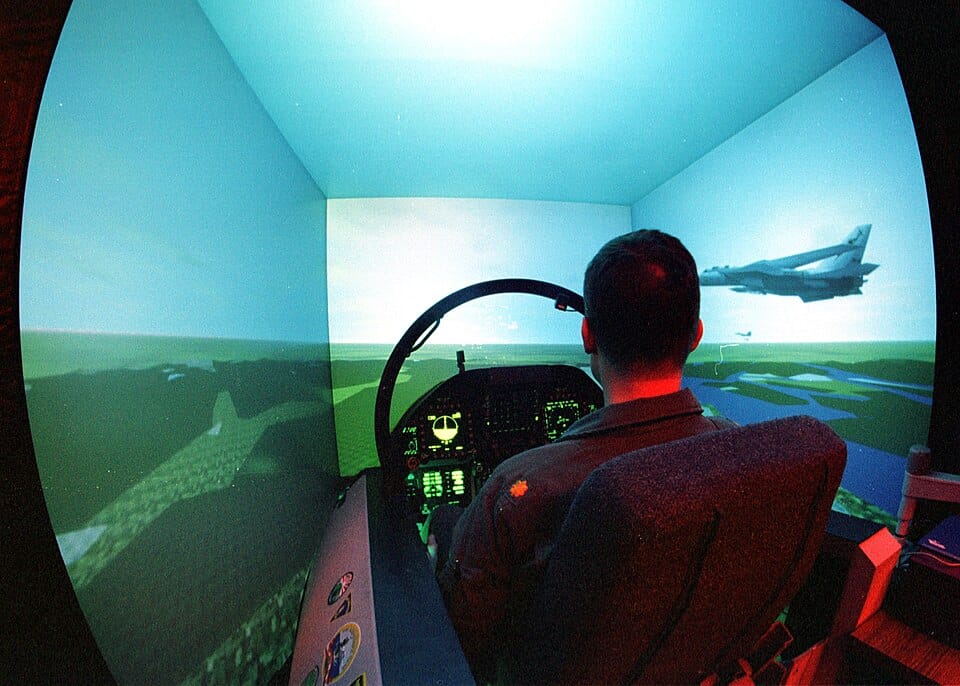
When something goes catastrophically wrong in an aircraft cockpit, everything changes in an instant. Warning lights illuminate, horns blare, and the aircraft may suddenly behave in ways the pilots have never experienced outside a simulator. What happens in the next 60 seconds will likely determine the outcome for everyone on board.
The first minute of any aircraft emergency is a precisely choreographed sequence — not of panic, but of trained responses drilled into pilots through years of practice. Every airline pilot spends days in simulators each year rehearsing failures they hope never to encounter. When those failures actually happen, the training takes over.
Understanding what pilots actually do and think during those critical first seconds reveals why commercial aviation remains the safest form of transportation — and why pilot training is the most important safety system any aircraft carries.
Quick Facts
- Pilots train for emergencies in recurrent simulator sessions, typically several days each year
- The first action in almost every emergency: fly the airplane first, troubleshoot second
- Memory items — critical actions memorized without a checklist — must be executed in seconds
- Crew Resource Management (CRM) ensures both pilots work as a coordinated team
- Captain Sullenberger’s Hudson River landing required just 208 seconds from bird strike to ditching
Fire: The Emergency Pilots Fear Most
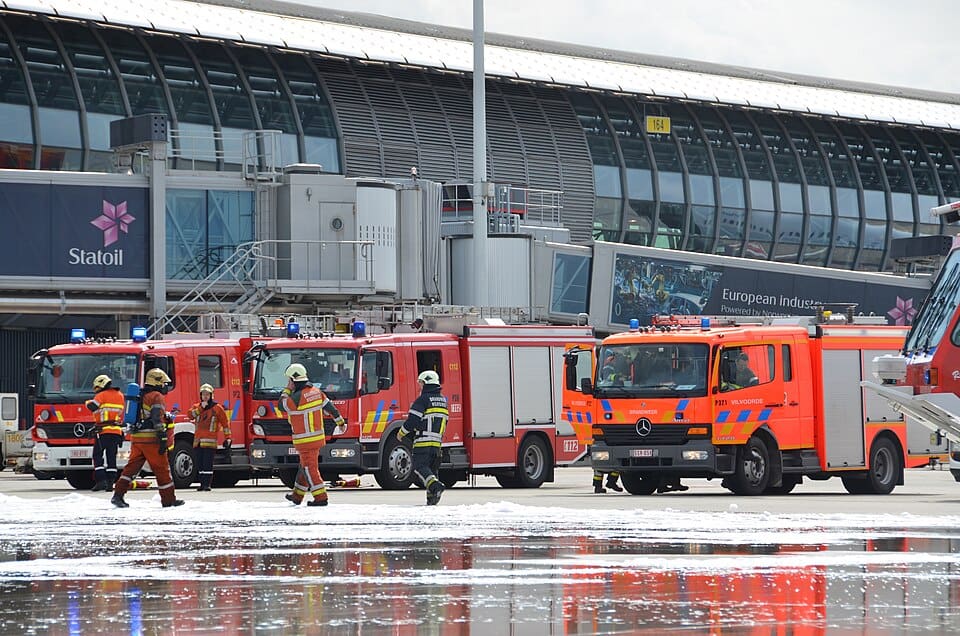
Ask any airline pilot which emergency they fear most, and the answer is almost universally fire. An engine failure gives you time. A decompression gives you a clear procedure. But a fire is unpredictable, progressive, and on a timeline you cannot control.
Engine fires have straightforward procedures: shut down the affected engine, close its fire valve (cutting off fuel and hydraulic fluid), and discharge the fire suppression bottle. Most engine fires are extinguished within seconds. The aircraft then diverts to the nearest suitable airport on the remaining engines.
Cargo hold fires and electrical fires are more insidious. The crew may first notice an unusual smell, a haze in the cockpit, or a circuit breaker that keeps tripping. The checklist involves systematically isolating electrical systems to find the source — a process that requires methodical discipline while smoke may be filling the cockpit. In the most severe cases, pilots don smoke goggles and full-face oxygen masks, and the priority shifts to getting on the ground as fast as possible.
Crew Resource Management: Two Pilots, One Team
The modern cockpit emergency response is built on Crew Resource Management (CRM) — the principle that both pilots work as a coordinated team with clearly defined roles. When an emergency occurs, the roles split immediately: the Pilot Flying maintains control of the aircraft, and the Pilot Monitoring runs the checklists, communicates with ATC, and manages systems.
This division exists because cognitive tunneling — becoming so focused on one problem that you lose awareness of everything else — is a well-documented human factor in emergencies. By splitting responsibilities, CRM ensures that someone is always flying the airplane while the other addresses the malfunction. Neither pilot acts unilaterally on critical decisions. Major actions, like shutting down an engine, are verbally confirmed between both crew members before execution.
Related Questions
What happens in the first 60 seconds of an aircraft emergency?
In the first minute, pilots follow a trained, choreographed sequence rather than panic: stabilise the aircraft, identify the problem and execute critical "memory items." The guiding rule is "fly the airplane first, troubleshoot second" — keeping control takes priority over diagnosing the fault.
What is the first thing pilots do in an emergency?
The first action in almost every emergency is to fly the airplane — maintain control and a safe flight path — before troubleshooting. This "aviate, navigate, communicate" priority stops a manageable malfunction from turning into a loss-of-control accident.
What are memory items in aviation?
Memory items are critical emergency actions pilots must perform immediately from memory, without a checklist — for situations like an engine fire or rapid depressurisation where seconds matter. They are drilled repeatedly so crews can execute them correctly under extreme stress.
How do pilots train for emergencies?
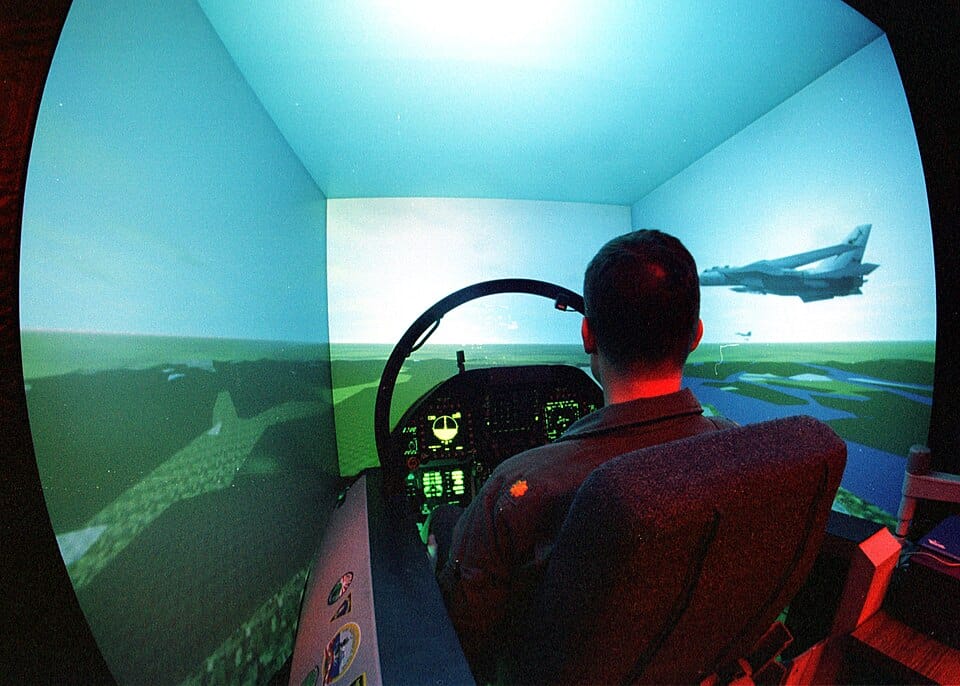
Airline pilots rehearse failures in recurrent flight-simulator sessions, typically several days each year, practising scenarios they hope never to face. This relentless training builds the reflexive responses that, in a real crisis, can save an aircraft — the foundation of good airmanship under pressure.
Why do pilots stay calm in emergencies?
Pilots stay calm because their responses are trained to the point of reflex, replacing panic with procedure. Decades of accident investigation — the kind the NTSB performs after a crash — have shaped these procedures, so each emergency draws on lessons paid for by earlier ones.
Why Training Makes the Difference
The reason the first 60 seconds of an emergency usually go well is not because pilots are inherently calm under pressure — it is because they have done it hundreds of times before. Simulator training transforms emergency procedures from intellectual knowledge into muscle memory. The correct response becomes automatic, freeing cognitive capacity for the decisions that cannot be rehearsed: where to land, what to prioritize, when to deviate from the checklist because the situation demands it.
Every successful emergency landing, every fire extinguished in flight, every decompression that ends with all passengers walking off the aircraft — these outcomes are built on thousands of hours of training that most people will never see. The first 60 seconds are not about heroics. They are about preparation meeting the moment it was designed for.
Sources
- FAA Advisory Circular AC 120-51E: Crew Resource Management Training
- NTSB Aircraft Accident Report: US Airways Flight 1549 (AAR-10/03)
- FAA Airplane Flying Handbook, Chapter 17: Emergency Procedures
- Airbus Flight Operations Briefing Note: Golden Rules for Pilots
Related Posts
What Happens When Both Engines Die?
The Most Dangerous Minutes of Every Flight
Why Do Planes Dump Fuel?

0 Comments