
Germany’s purpose-built tank-buster: a small, heavily armoured close-support aircraft that carried the biggest gun of any mass-produced warplane — deadly when it worked, but underpowered, cramped and forever in short supply.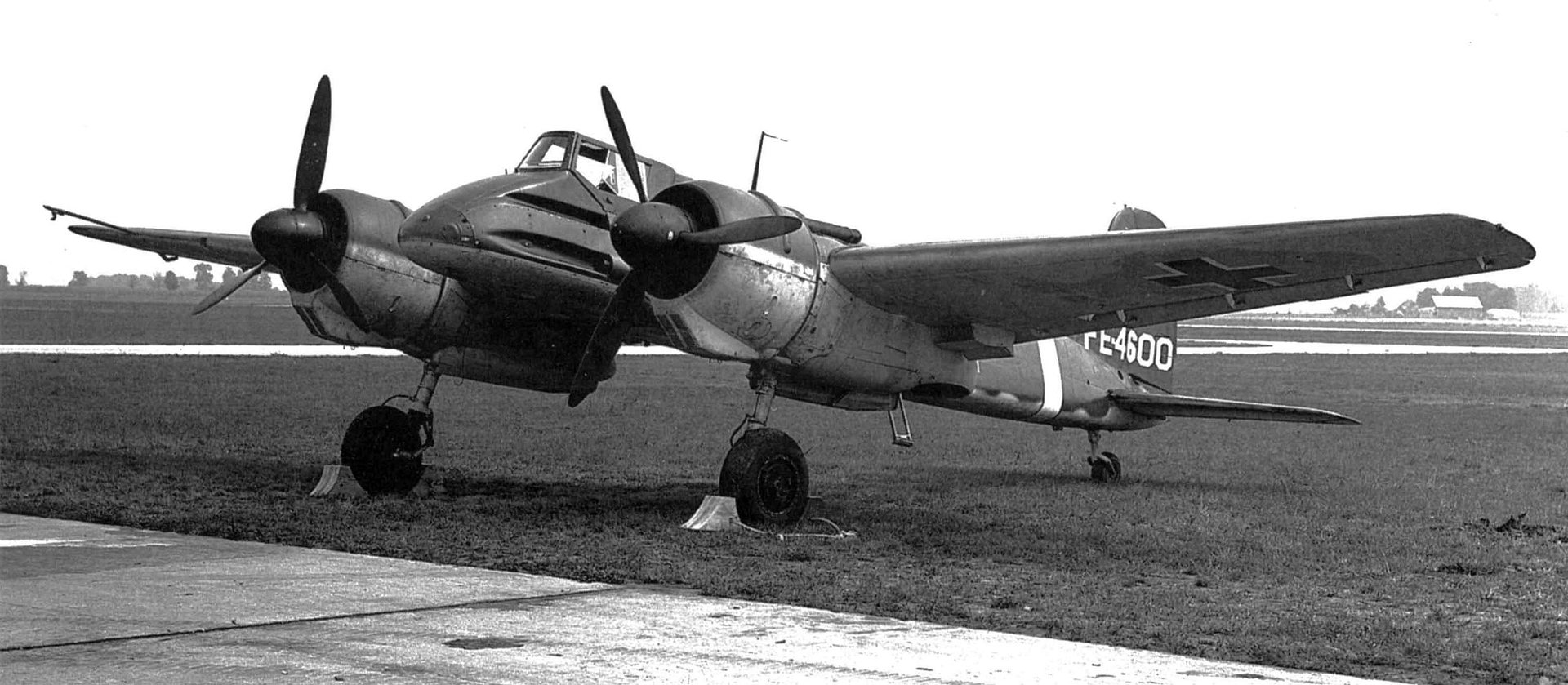
Henschel Hs 129
the flying anti-tank gun
The Henschel Hs 129: Germany’s dedicated flying tank-buster
The Henschel Hs 129 was one of the few aircraft of the Second World War designed from a blank sheet to do a single, brutal job: fly low over the battlefield and kill the enemy’s tanks and troops. Where most warplanes were adapted to ground attack, the Hs 129 was a purpose-built Schlachtflugzeug — an armoured assault aircraft — and almost everything about it was shaped by that mission.
The requirement came from the German Air Ministry (RLM) in 1937, which wanted a small, cheap, heavily armoured twin-engine machine that could survive small-arms and light flak while attacking pinpoint targets. Henschel’s design, led by Friedrich Nicolaus, beat a competing Focke-Wulf proposal and first flew on 29 May 1939. The heart of the concept was the pilot’s protection: the cockpit was a wedge of armour plate, with a windscreen of glass up to 75 mm thick, built to shrug off the ground fire that ground-attack pilots faced every sortie.
That protection came at a price. To keep the armoured box small and light, the fuselage was tiny and slab-sided, and the cockpit was famously cramped — so tight that some engine instruments had to be mounted outside, on the inner faces of the engine cowlings, and read through the canopy. Visibility was poor, and pilots found the aircraft demanding and uncomfortable to fly.
The bigger problem was power. The Hs 129 was meant to use two small Argus engines, but they were far too weak for a machine that kept gaining weight and armour. After the fall of France in 1940, Germany found itself with large stocks of captured French Gnome-Rhône 14M radial engines, and the production B-series was re-engined around them. Even so the aircraft remained underpowered, and the French radials proved unreliable — prone to failure and, worse, to choking on the dust and sand of the Eastern Front and the Tunisian desert. Engine trouble, not enemy fire, grounded many Hs 129s.
When it worked, though, the Hs 129 was a genuine tank-killer. Armament escalated steadily: from a pair of 20 mm cannon, to a 30 mm MK 101 or MK 103 in a conformal pod, and finally to the enormous 75 mm BK 7.5 on the Hs 129 B-3 — the heaviest gun ever fitted to a mass-produced aircraft. Specialist anti-tank squadrons used the type to hunt Soviet armour, aiming for the thinner rear and top armour of tanks, and Hs 129s were in the thick of the fighting at Kursk in July 1943 and in the defensive battles that followed.
But the aircraft was never available in large numbers, and it was vulnerable: slow, hard to fly, and easy prey for enemy fighters once its escort was gone. The same tank-busting job was also being done by the cannon-armed Junkers Ju 87G Stuka and by ground-attack Focke-Wulf Fw 190s. Around 865 Hs 129s were built before production ended in 1944, and the type faded from the battlefield as the war closed. Today not one flies; a few recovered wrecks and relics are all that remain of Germany’s dedicated flying anti-tank gun.
01The Henschel Hs 129 at the Battle of Kursk, July 1943
Kursk is the battle most associated with the Hs 129. In July 1943, during the massive armoured clashes of Operation Citadel, specialist anti-tank Panzerjagd units flying Hs 129 B-2s attacked Soviet tank formations with their 30 mm cannon, diving on the vehicles from the side and rear to strike thinner armour. German accounts credit Hs 129s with helping to break up Soviet counter-attacks in the southern sector, and the battle is often cited as the type’s finest hour. It should be read with care, however: claims from low-level attack are hard to verify, the Hs 129 force was small, and it operated alongside Ju 87Gs, Fw 190s and ground artillery. The Hs 129 was a useful specialist at Kursk — not, on its own, a war-winning weapon.
What made the Henschel Hs 129 different
The Hs 129’s armoured, cramped cockpit
The pilot sat inside a box of armour plate with a windscreen of glass up to 75 mm thick — protection against the ground fire that assault pilots met on every pass. To keep that armour small and light the cockpit was tiny, so tight that some engine instruments were fitted outside, on the engine cowlings, and read through the canopy. Visibility was poor and the office was uncomfortable, but the armour kept many pilots alive.
Underpowered French radial engines
After the intended Argus engines proved too weak, production aircraft used two captured French Gnome-Rhône 14M radials of about 700 PS each. They left the Hs 129 chronically underpowered and were unreliable, especially when dust and sand on the Eastern Front and in Tunisia were ingested into the cylinders. Engine failure was the type’s single greatest weakness.
An escalating anti-tank battery
Firepower grew as Soviet armour got tougher: from two 20 mm MG 151/20 cannon, to a 30 mm MK 101 or MK 103 in an underslung pod, and finally to the colossal 75 mm BK 7.5 on the B-3 — the largest gun ever carried by a mass-produced aircraft. The bigger the gun, the fewer rounds it carried and the harder the aircraft was to fly.
02Why the Henschel Hs 129’s cockpit was so notoriously tight
The Hs 129’s designers faced a hard trade-off. Armour is heavy, and the more of it you fit, the more the aircraft weighs and the more power you need. To protect the pilot without making the aircraft impossibly heavy, Henschel wrapped the smallest possible volume in armour — essentially a triangular, slab-sided fuselage with the pilot jammed into an armoured nose. The result was one of the tightest cockpits of any operational aircraft of the war. The control column, throttles and basic flight instruments were inside; but there was no room for a full instrument panel, so certain engine gauges were mounted on the inner sides of the engine nacelles, in the pilot’s peripheral view through the glass. Heavy canopy framing and the low, forward-set seat gave poor sightlines, which mattered for an aircraft whose whole job was to spot and hit small ground targets. Pilots respected the armour and disliked almost everything else about the office.
03The Gnome-Rhône engines: why the Hs 129 was always short of power
The Hs 129 was conceived around two Argus As 410 engines of only around 465 PS each. As the design absorbed more armour and equipment it grew heavier, and the Argus units simply could not haul it. The fall of France in 1940 handed Germany large stocks of the French Gnome-Rhône 14M — a compact 14-cylinder radial of about 700 PS — and the production B-series was built around a pair of them. Even doubled up, they gave the loaded Hs 129 a modest top speed of little over 400 km/h and sluggish climb, and the aircraft was underpowered for the weights it was asked to carry, especially with the heavier guns. The radials were also fragile in the field: they disliked dust and sand, needed careful maintenance, and suffered a high rate of failure in exactly the harsh Eastern Front and North African conditions where the Hs 129 was sent to fight. More Hs 129s were lost to mechanical trouble and accidents than many single-engine types, and low serviceability dogged the type throughout its career.
Henschel Hs 129 B full specifications
Airframe & powerplant
- Экипаж
- 1 (pilot)
- Длина
- ~9.75 m
- Размах крыльев
- ~14.2 m
- Высота
- ~3.25 m
- Пустой вес
- ~3,810 kg (est.)
- Max takeoff weight
- ~5,250 kg (Hs 129 B-2, est.)
- Электростанция
- 2 × Gnome-Rhône 14M-4/5 14-cylinder radial
- Power
- ~515 kW (700 PS) each for takeoff
- Max speed
- ~407 km/h at ~3,830 m
- Диапазон
- ~560–690 km (varies by source)
- Служебный потолок
- ~9,000 m (est.)
Armament, production & cost
- Standard forward cannon
- 2 × 20 mm MG 151/20
- Machine guns
- 2 × 7.92 mm MG 17
- Heavy anti-tank cannon
- 30 mm MK 101 or MK 103 (underslung pod, B-2/R variants)
- Heaviest gun (B-3)
- 1 × 75 mm BK 7.5 — largest gun on any mass-produced WWII aircraft
- Light ordnance
- Small bombs / anti-personnel bomblet containers
- First flight
- 29 May 1939
- Built
- ~865 (all variants; figures vary)
- Unit cost
- Not reliably recorded (WWII)
- Cost per flight hour
- Not applicable — no airworthy example
04The Henschel Hs 129’s operating costs: what a wartime tank-buster cost
Unlike modern aircraft, the Hs 129 has no meaningful published unit price or cost-per-flight-hour figure. Wartime German aircraft costs were recorded in Reichsmarks under a controlled economy, were not comparable to market prices, and were rarely broken out by type in surviving records; any single number would be misleading. What can be said is that the Hs 129 was meant to be cheap — a small, austere machine using captured French engines to spare scarce German powerplants for fighters and bombers. Yet its low serviceability, heavy maintenance demands and modest production run (~865 aircraft) made it expensive in practice for the results it delivered. And because not a single Hs 129 is airworthy today, there is no operating cost to quote at all: unit cost is best given as “not reliably recorded (WWII)” and cost per flight hour as “not applicable — no airworthy example.” All weight, speed and range figures on this page are wartime estimates that vary between sources and should be treated as approximate.
Henschel Hs 129: from requirement to retirement
Requirement issued
The German Air Ministry calls for a small, cheap, heavily armoured twin-engine ground-attack aircraft. Henschel and Focke-Wulf submit designs.
First flight
The Henschel Hs 129 V1 prototype flies on 29 May 1939, powered by two weak Argus engines. Test pilots criticise the cramped cockpit and poor performance.
Re-engined with French radials
Captured French Gnome-Rhône 14M engines, available after the fall of France, are chosen for the production B-series to cure the chronic lack of power.
Combat service begins
Production Hs 129 B-1s reach front-line assault units and see action on the Eastern Front and, from late 1942, in the Tunisian campaign in North Africa.
Tank-busting at Kursk
Hs 129 B-2s with 30 mm cannon hunt Soviet armour during the Battle of Kursk in July 1943, the type’s most famous action. Heavier 30 mm guns become standard.
The 75 mm B-3 appears
The Hs 129 B-3, carrying the massive 75 mm BK 7.5 anti-tank gun — the largest on any mass-produced aircraft — is developed late in the war; only around two dozen are completed.
Production ends
Hs 129 production finishes in September 1944 after roughly 865 aircraft. Losses, low serviceability and the collapsing war situation thin the fleet.
Withdrawal
The surviving Hs 129s fade from front-line use as the war ends. No aircraft is preserved in flying condition; a captured B-1 is shipped to the USA for evaluation.
From the war: twelve Henschel Hs 129 stories
A plane built around its armour
The Hs 129 started with the pilot’s survival, not speed.
Read the full story
Instruments on the outside
The cockpit was too small for a full panel.
Read the full story
A German plane on French engines
Captured Gnome-Rhône radials saved — and cursed — the design.
Read the full story
Sand in the cylinders
North Africa was brutal on the Hs 129’s engines.
Read the full story
Hunting tanks from behind
Pilots aimed for the thin rear and top armour.
Read the full story
Breaking up a counter-attack
The type’s most celebrated day.
Read the full story
The gun grows and grows
From 20 mm to a 75 mm anti-tank cannon.
Read the full story
The heaviest gun of the war
A field gun, more or less, bolted under an aeroplane.
Read the full story
Not only the Luftwaffe
The Royal Romanian Air Force flew the Hs 129 too.
Read the full story
Easy prey without an escort
Slow and heavy, the Hs 129 feared fighters.
Read the full story
Shipped across the Atlantic
A captured Hs 129 went to Freeman Field.
Read the full story
Wrecks, relics and restorations
No Hs 129 flies anywhere in the world.
Read the full story
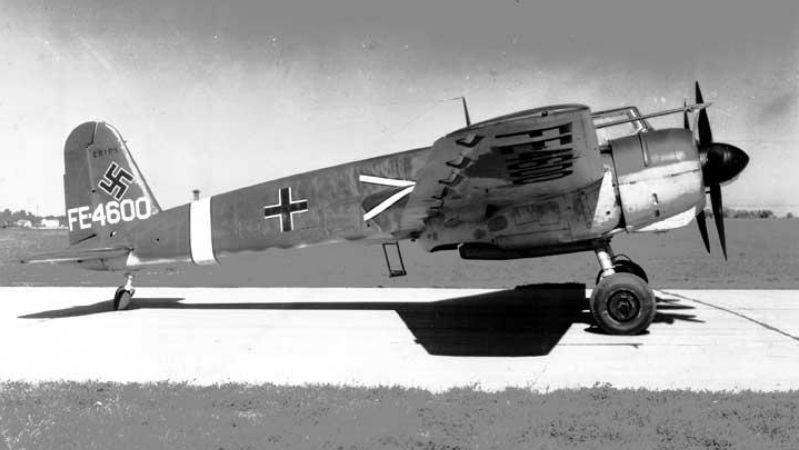
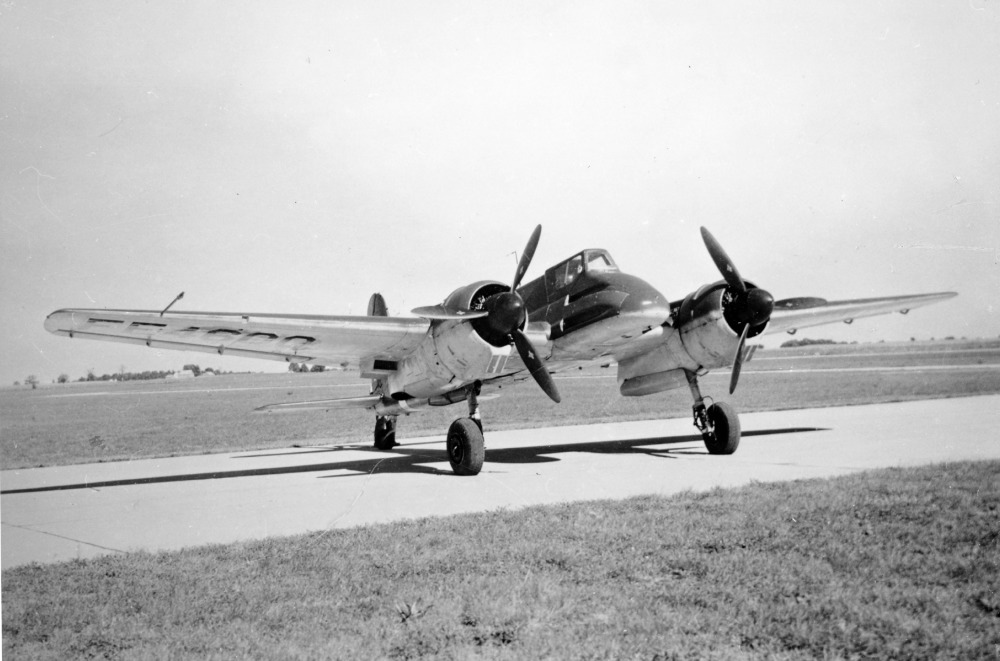
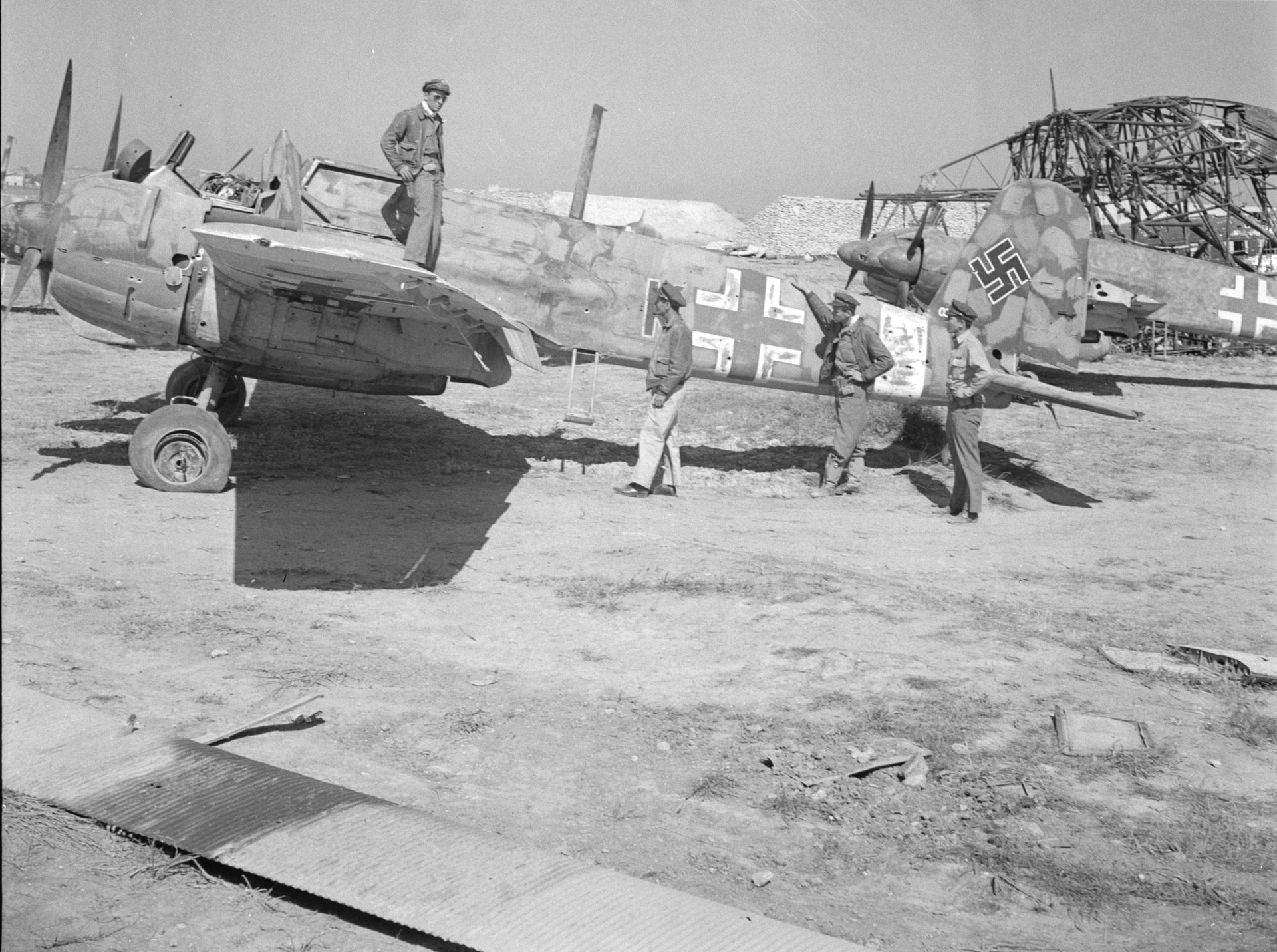
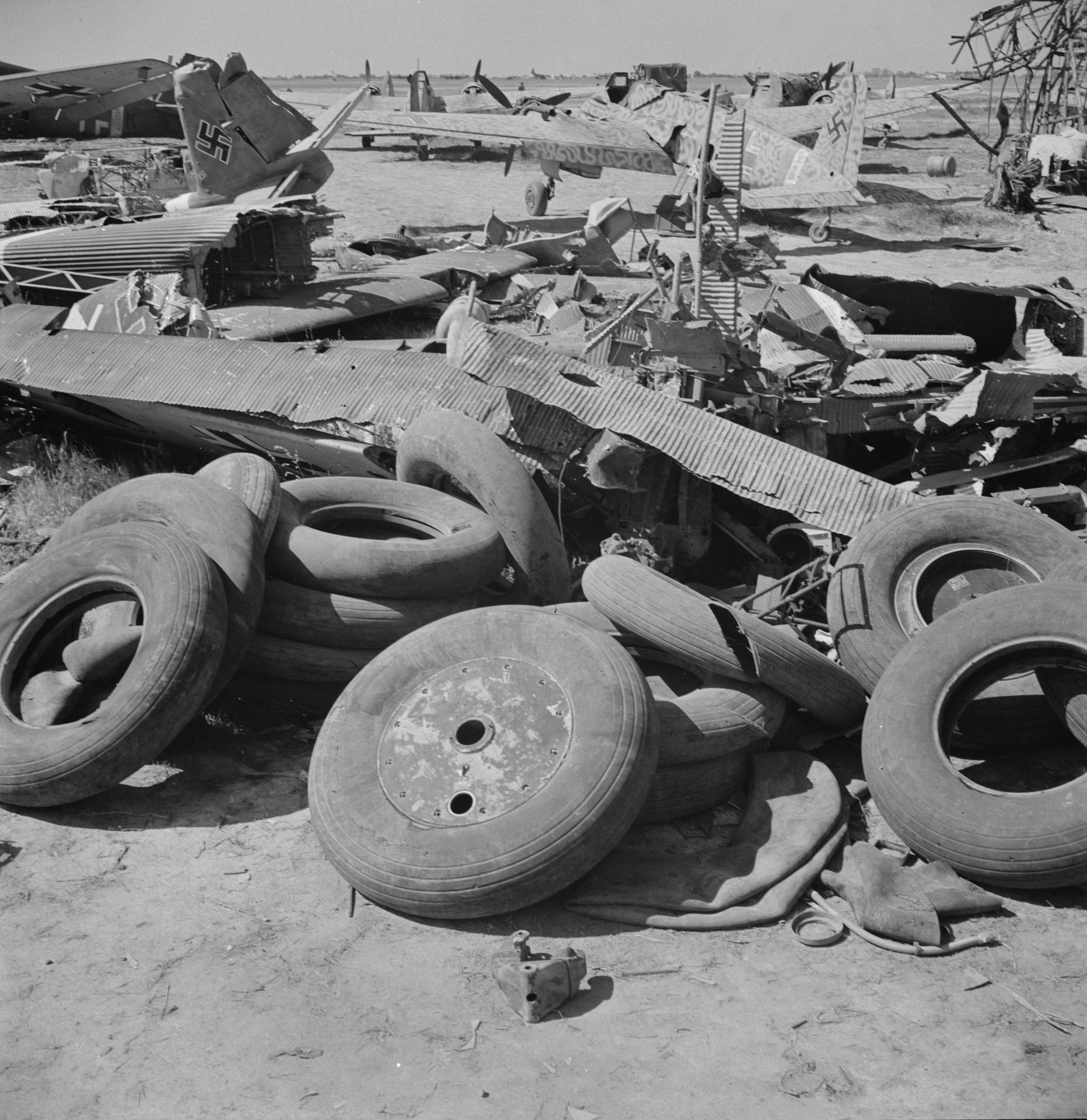
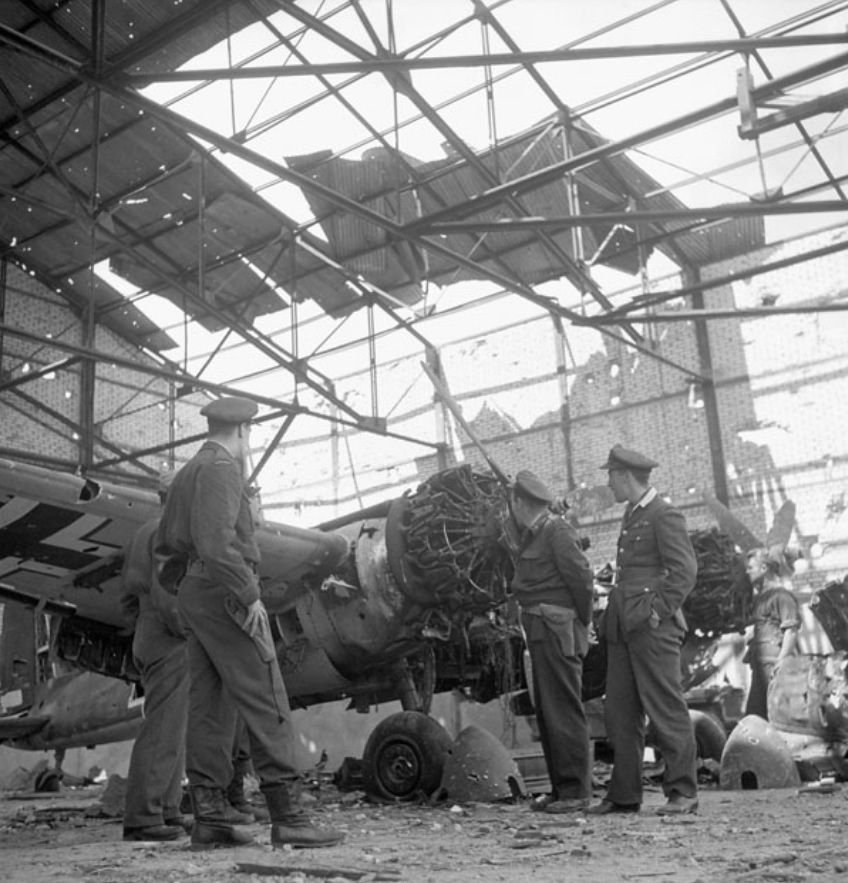
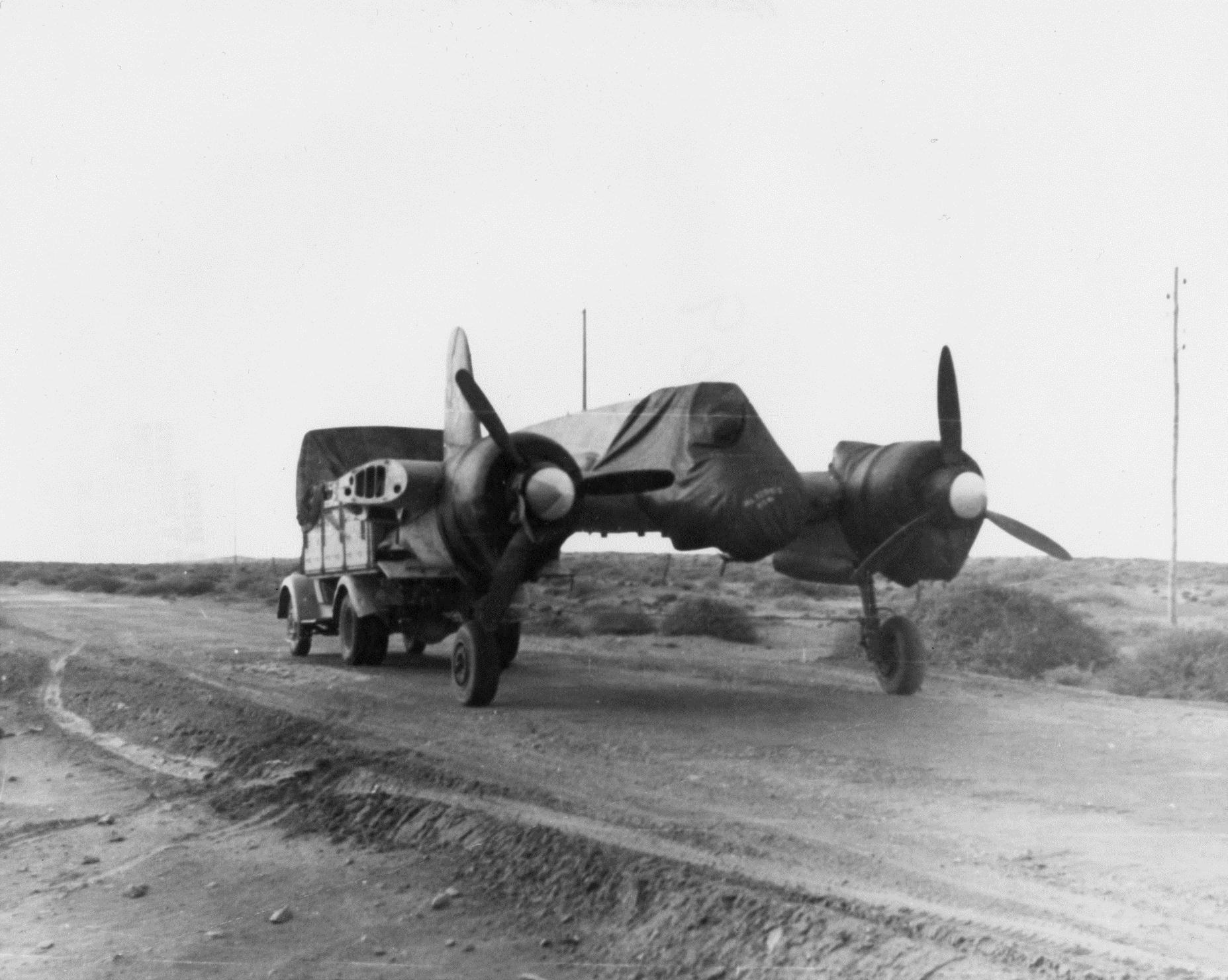
The Henschel Hs 129 in pictures
The Henschel Hs 129 in motion
A verified, high-view documentary on the Hs 129 from Rex’s Hangar, one of the most respected aviation-history channels — Germany’s Flying Anti-Tank Gun (about 424,000 views). It covers the design, the engine troubles and the tank-busting role honestly.
Where the Henschel Hs 129 flew
The Hs 129 was designed and built in Германия and flown almost entirely by the Luftwaffe as a close-support and anti-tank aircraft. Its combat was concentrated on the Eastern Front and in Тунис; Румыния and, reportedly, Венгрия also operated it against Soviet armour. No aircraft survives airworthy — recovered relics and a captured airframe are scattered between Germany, Russia and the United States. Toggle the categories to explore.
Map categories are colour-coded by relationship to the aircraft, not by fleet size. “Theatres” marks where the Hs 129 saw combat (the ground it was fought over), not the home nations of its operators. Figures are approximate and hedged; several are wartime estimates.
What the Henschel Hs 129 actually achieved
The Hs 129 was a specialist that punched above its numbers when serviceable, yet never decisive. It was deadly against tanks in the hands of trained anti-tank crews, but it was slow, vulnerable, hard to fly, plagued by engine failures and always in short supply. Honest assessments rank it as a useful niche weapon rather than a battle-winner — the Ju 87G and Fw 190 shared the tank-busting burden.
Compare it with other ground-attack aircraft in the Aircraft Museum. Many figures for the Hs 129 are wartime estimates and are hedged accordingly.
Everything people ask about the Henschel Hs 129
Can I fly in a Henschel Hs 129?
What was the Henschel Hs 129?
Why were some of the Hs 129’s instruments mounted outside the cockpit?
Why did the Hs 129 use French engines?
What was the 75 mm gun on the Hs 129 B-3?
How many Hs 129s were built, and are any left?
Did anyone besides Germany fly the Hs 129?
You can’t fly the Henschel Hs 129.
These, you can.
Some legends only live in museums — others are fuelled and waiting. MiGFlug has put civilians in real military jet cockpits since 2004.
 Fly the L-39 AlbatrosThe world’s most-flown jet trainer — aerobatics included
 Fly the F-104 Starfighter“The missile with a man in it”
 Fly the MiG-21The Cold War’s most-produced jet
 Управляйте самолетом T-33 Shooting Star.America’s first jet trainer
 Fly the DH VampireA piece of early jet history
 Fly the S.211Agile Italian jet trainer
 Fly the MB-326The classic Aermacchi jet
 Fly the MiG-15The Soviet legend of the Korean War
Continue the tour
Every fact, checked
- Military FactoryOverview of the Hs 129, production total (865) and operator list (Germany, Romania, Hungary).
- Imperial War MuseumsReference collections on Luftwaffe ground-attack aircraft and the air war on the Eastern Front and in North Africa.
- Smithsonian National Air and Space MuseumBackground on German wartime aircraft design and the class of dedicated ground-attack machines.
- Rex’s Hangar — “Germany’s Flying Anti-Tank Gun”Detailed, well-sourced video history of the Hs 129 (~424,000 views); the embedded film above.
- Wikimedia CommonsSource of the public-domain photographs used in the gallery, with author and licence details.
- MiGFlug Aircraft MuseumThe full Book of Beasts encyclopedia, including the Ju 87, Il-2 and Fw 190 exhibits referenced here.
Specifications, production totals and combat claims for the Henschel Hs 129 vary between sources; figures here are given as approximate and were cross-checked across the references above. Photographs are public-domain or no-known-restriction images via Wikimedia Commons, credited individually.