
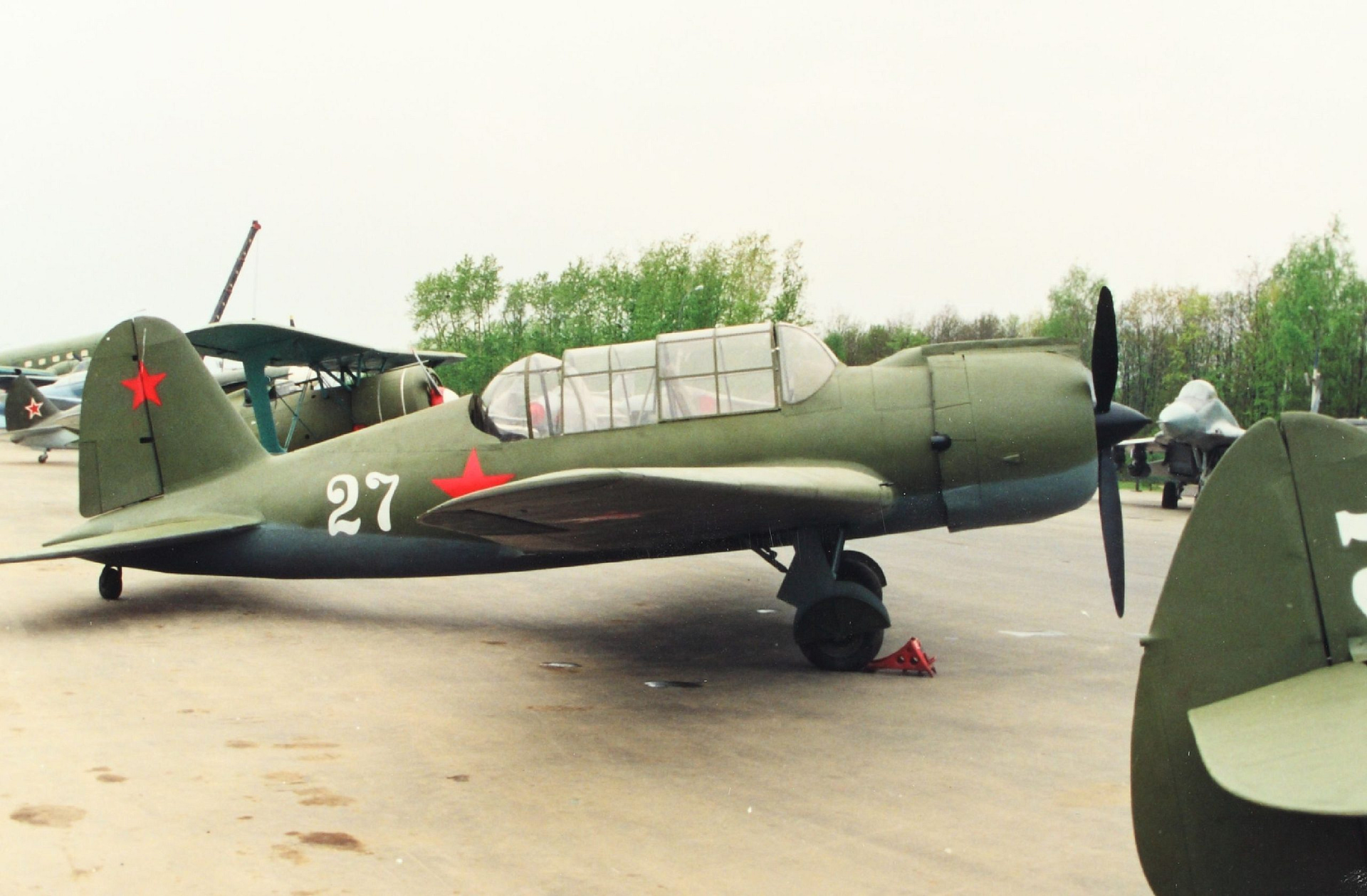
Sukhoi Su-2
Pavel Sukhoi’s first aircraft
A rugged Soviet light bomber thrown into the fire of 1941 — the first machine ever to carry the Sukhoi name, and the aircraft in which the only woman to ram an enemy plane made her last flight.
Pavel Sukhoi’s first aircraft, forged for a war it could not survive
The Sukhoi Su-2 was born of a Stalin-era competition. In 1936 the Soviet leadership issued a requirement — code-named “Ivanov” — for a simple, mass-producible multi-role aircraft that could bomb, scout and support the army. Several design teams answered. The winning entry came from a brigade led by Pavel Sukhoi, then working inside Andrei Tupolev’s design organisation, which is why the prototype first flew under the Tupolev designation ANT-51, in the hands of test pilot Mikhail Gromov, on 25 August 1937.
Ordered into production as the BB-1 (blizhniy bombardirovshchik, “short-range bomber”), it was renamed the Su-2 in 1940 under a new system that used the chief designer’s initials — making it the very first production aircraft to bear the Sukhoi name. It was a clean, low-wing monoplane of mixed construction: a plywood-skinned wooden fuselage married to metal wings, powered by an air-cooled radial and crewed by two, a pilot and a navigator who doubled as rear gunner. On paper it was thoroughly modern for the late 1930s.
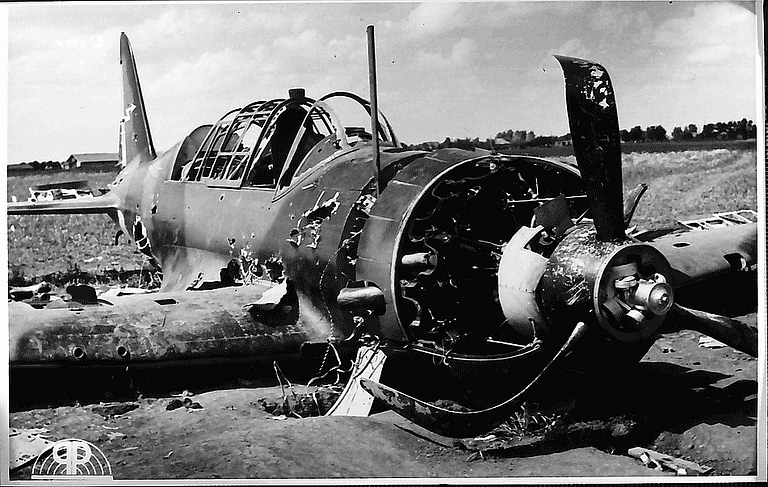
Then came 22 June 1941. When Germany invaded, only around a hundred Su-2s were in front-line service, and they were committed immediately to daylight bombing — often without fighter escort, against an enemy with air superiority. Losses were severe. The aircraft itself was sound and notably rugged, able to bring damaged crews home, but the tactical situation was hopeless. By 1942 it was being withdrawn from bombing and shifted to reconnaissance and artillery-spotting, roles in which it served usefully until worn out and superseded by the Il-2, Pe-2 and Tu-2. Barely 900-odd were built, and today not a single complete original survives.
01The Sukhoi Su-2’s origins: how Stalin’s “Ivanov” contest launched the Sukhoi name
The “Ivanov” requirement of 1936 — reportedly named after Stalin’s own telegraph pseudonym — asked Soviet designers for a rugged, easily-built aircraft able to switch between light bombing, reconnaissance and ground attack. Sukhoi’s brigade, operating under Tupolev, produced the ANT-51, and it won. When the Soviet designation system was reorganised in 1940 to credit the lead designer, the BB-1 became the Su-2. It is easy to overlook, but this modest bomber is the ancestor of one of the most famous names in combat aviation: every Su-27, Su-34 and Su-57 traces its designation lineage back to this two-seat machine of 1937.
What makes the Su-2 special
A wood-and-metal airframe built to be mass-produced
The Su-2 used mixed construction: a semi-monocoque fuselage of wooden formers and plywood skin, mated to metal (largely duralumin) wings with fabric-covered control surfaces. The layout was deliberately simple, reflecting the “Ivanov” brief for an aircraft that ordinary factories could turn out in quantity. The crew sat behind roughly 9 mm of armour, and the undercarriage retracted — advanced touches for a Soviet type of the late 1930s.
The Shvetsov M-88B radial
Production Su-2s were built around the air-cooled Shvetsov M-88B two-row radial of roughly 1,000 hp class (higher at rated altitude), after earlier prototypes tried the M-62 and M-87. It gave a top speed commonly cited between ~455 and 486 km/h — respectable for 1940, but soon eclipsed as the war accelerated engine development on all sides.
Modest guns, real bombs, a vulnerable gunner
Defensive and offensive armament centred on the rifle-calibre 7.62 mm ShKAS machine gun — several fixed in the wings plus one or two on flexible mounts for the navigator/gunner. It carried around 400 kg of bombs normally and up to 600 kg, and could sling RS-82/RS-132 rockets. Rugged though it was, a single rear gun was never enough against massed Bf 109s in 1941.
02The Sukhoi Su-2’s construction: wood, metal and the logic of mass production
Soviet industry in the late 1930s was short of light alloys and skilled labour, so mixed wood-and-metal construction was a pragmatic norm. The Su-2’s plywood-covered wooden fuselage was cheap and easy to build and repair, while the metal wing carried the loads and the retractable gear. The trade-off was weight and, in a wooden structure, vulnerability to fire and weather. It was a sensible design for its moment — but the moment passed quickly once cannon-armed fighters and purpose-built attack aircraft such as the Il-2 arrived.
03The Sukhoi Su-2’s firepower: modest guns, a lone gunner and heavy 1941 losses
The Su-2 was a light day-bomber, not a fighter, and its armament reflects that. Rifle-calibre ShKAS guns hit hard for their weight but lacked the reach and punch of the 20 mm cannon German fighters carried. With a single navigator-gunner covering the rear, an unescorted Su-2 formation attacked in daylight was desperately exposed. Contemporary Soviet accounts record entire flights being cut down; the aircraft’s ruggedness saved some crews, but the loss rate in the opening months of the war was punishing and drove the type out of the bombing role by 1942.
Sukhoi Su-2 full specifications
Airframe & Performance
- Экипаж
- 2 (pilot, navigator/gunner)
- Длина
- ~10.25 m
- Размах крыльев
- 14.30 m
- Высота
- ~3.9 m
- Max takeoff weight
- ~4,345–4,700 kg (sources vary)
- Max speed
- ~455–486 km/h (M-88B)
- Служебный потолок
- ~8,400–8,900 m
- Диапазон
- ~1,100 km
- First flight
- 25 August 1937 (as ANT-51)
Powerplant, Armament & Cost
- Двигатель
- 1 × Shvetsov M-88B radial
- Power
- ~1,000 hp class (higher at altitude)
- Guns
- 4–6 × 7.62 mm ShKAS (fixed + flexible)
- Bomb load
- ~400 kg normal · up to 600 kg
- Rockets
- RS-82 / RS-132 (optional)
- Built
- ~910 (approx. 893–910), to 1942
- Unit cost
- No reliable public figure
- Cost per flight hour
- No reliable public figure exists
04The Sukhoi Su-2’s operating costs: why no reliable price exists
The Su-2 was a wartime Soviet state product, built to plan rather than sold on any market, so there is no reliable unit cost and no credible cost-per-flight-hour figure for it in the open record. Soviet aircraft of this era were costed internally in roubles under a command economy, in terms that do not translate cleanly into comparable dollar prices. Any specific cost figure you may see attached to a Su-2 should be treated as a guess rather than a sourced number.
From Stalin’s contest to a vanished type
The “Ivanov” requirement
The Soviet leadership calls for a simple, mass-producible multi-role aircraft; Sukhoi’s brigade, working under Tupolev, takes up the challenge.
First flight
The prototype ANT-51 flies on 25 August, piloted by Mikhail Gromov.
Becomes the Su-2
Ordered into production as the BB-1, the design is renamed Su-2 — the first production aircraft to carry the Sukhoi name.
Thrown into Barbarossa
About 100 Su-2s are in service when Germany invades. They fly daylight bombing missions and take heavy losses; one is even downed by future ace Alexander Pokryshkin in a friendly-fire error on day one.
Zelenko’s ram
On 12 September, Snr Lt Yekaterina Zelenko rams a German fighter over Ukraine — the only aerial ram ever carried out by a woman.
Withdrawn from bombing
Outclassed as a bomber, the Su-2 shifts to reconnaissance and artillery observation; production ends after roughly 910 aircraft.
Last service
Surviving Su-2s soldier on as artillery spotters and hacks before being retired as newer types take over.
No original left
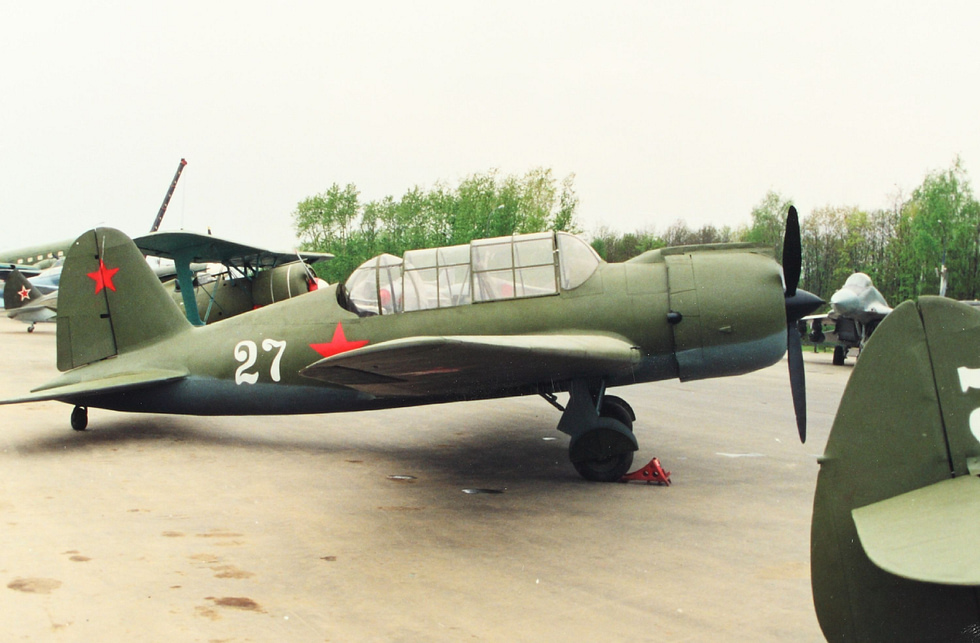
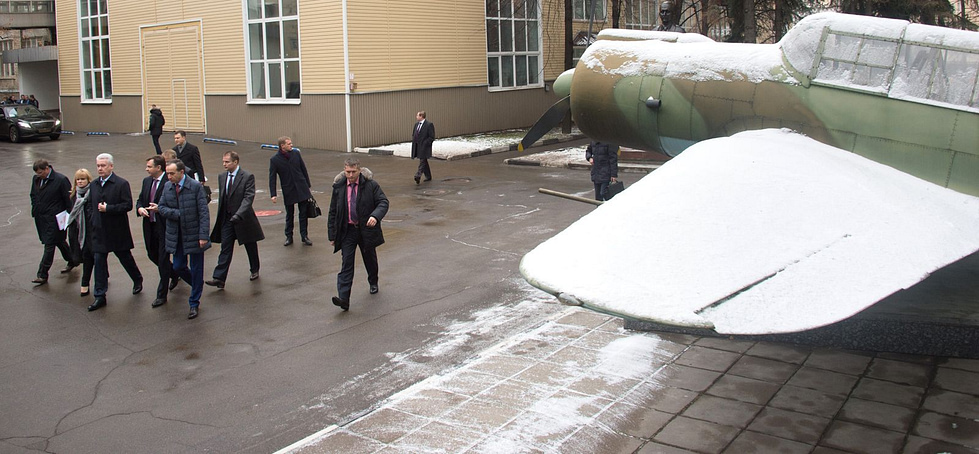
No complete original airframe is known to survive; a reconstructed Su-2 is displayed at the Central Air Force Museum, Monino.
From the front: twelve Su-2 stories
Stalin’s “Ivanov” contest
A 1936 requirement for a simple multi-role aircraft launched the design that became the Su-2.
Read the full story
Gromov takes it up
The prototype ANT-51 first flew on 25 August 1937 in the hands of the celebrated test pilot Mikhail Gromov.
Read the full story
The first Sukhoi
When the Soviet designation system was reworked in 1940, the BB-1 became the Su-2 — the first aircraft to carry the Sukhoi name.
Read the full story
Shot down by his own side
On the first day of the invasion, a Su-2 was downed by future top ace Alexander Pokryshkin, who did not recognise the new type.
Read the full story
Daylight without escort
Committed to unescorted daylight bombing against an enemy with air superiority, Su-2 units suffered severe losses in 1941.
Read the full story
Bringing crews home
For all its vulnerability, the Su-2 earned a reputation as a rugged machine that could absorb damage and still fly.
Read the full story
Zelenko’s taran
Senior Lieutenant Yekaterina Zelenko rammed a German fighter over Ukraine — the only aerial ram ever performed by a woman.
Read the full story
The army’s eyes
Withdrawn from bombing, the Su-2 found a second life as a reconnaissance and artillery-observation aircraft.
Read the full story
The M-82 and Su-4
Attempts to keep the design competitive with a more powerful M-82 engine led to the Su-4, but the war had moved on.
Read the full story
Out of production
Roughly 910 Su-2s were built before production ended in 1942, overtaken by the Il-2, Pe-2 and Tu-2.
Read the full story
The vanished aeroplane
No complete original Su-2 is known to survive anywhere in the world today.
Read the full story
The Monino reconstruction
A reconstructed Su-2 stands at the Central Air Force Museum at Monino, keeping the shape of the type alive.
Read the full story
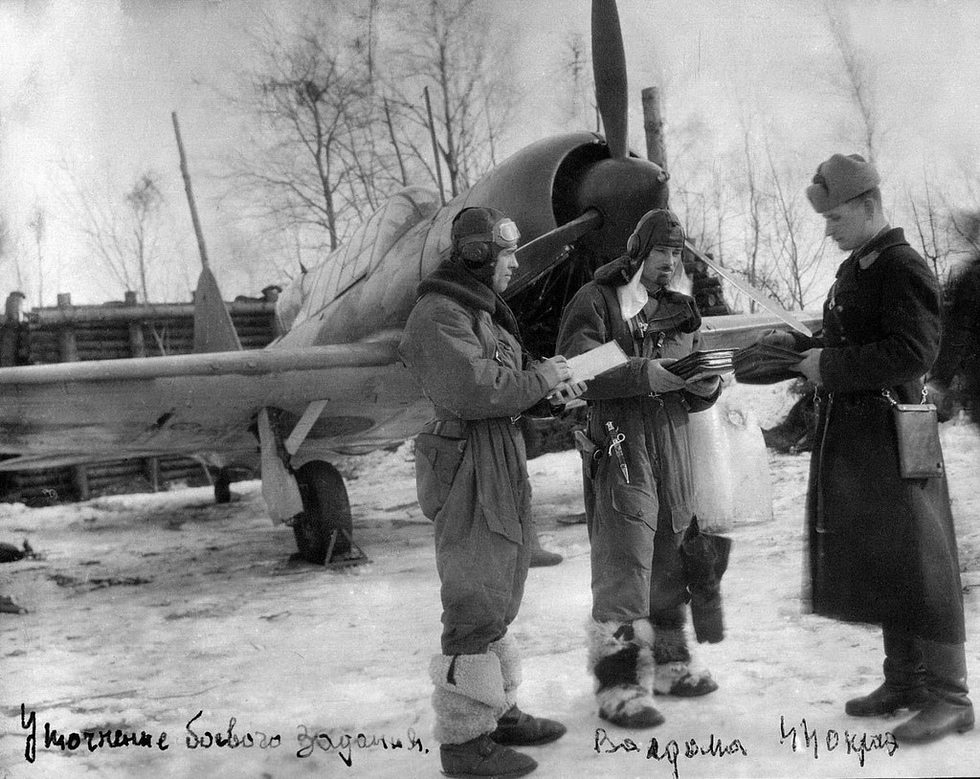
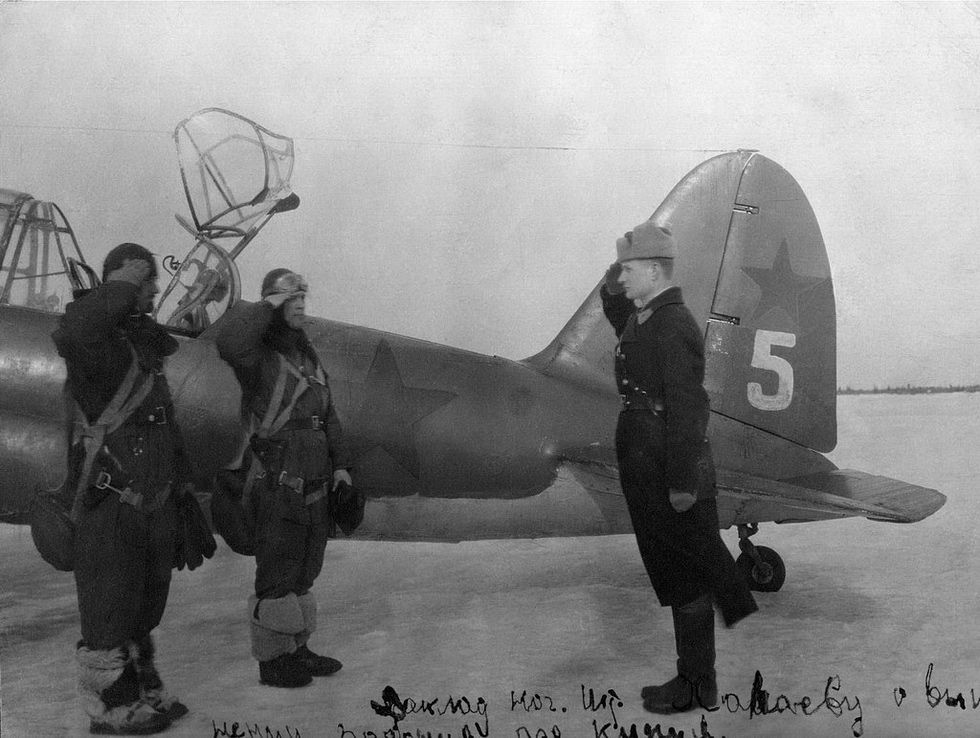
The Su-2 in pictures
The Su-2 in motion
Epic Soviet Documentaries: Sukhoi Su-2 Light Bomber Plane — a short archival profile of the type, its origins in the “Ivanov” programme and its hard war service.
Where the Su-2 flew
The Su-2’s war in numbers
The Su-2 was a light bomber and scout, not a fighter, and its record is one of sacrifice rather than aerial victories. Committed to unescorted daylight bombing in 1941, it took punishing losses before being pulled back to reconnaissance and artillery observation. Its most famous moment in the air was not a kill but a ram.
Compare the combat record of every military aircraft. Figures are best estimates from the sources below.
Everything people ask about the Sukhoi Su-2
Can I fly in a Sukhoi Su-2?
What was the Sukhoi Su-2?
Who designed the Su-2, and why does the name matter?
Was the Su-2 any good?
Did a woman really ram an enemy plane in a Su-2?
How many Su-2s survive today?
Why was the Su-2 retired so quickly?
You can’t fly the Sukhoi Su-2.
These, you can.
Some legends only live in museums — others are fuelled and waiting. MiGFlug has put civilians in real military jet cockpits since 2004.
 Fly the L-39 AlbatrosThe world’s most-flown jet trainer — aerobatics included
 Fly the F-104 Starfighter“The missile with a man in it”
 Fly the MiG-21The Cold War’s most-produced jet
 Управляйте самолетом T-33 Shooting Star.America’s first jet trainer
 Fly the DH VampireA piece of early jet history
 Fly the S.211Agile Italian jet trainer
 Fly the MB-326The classic Aermacchi jet
 Fly the MiG-15The Soviet legend of the Korean War
Continue the tour
Every fact, checked
- Military Factory — Sukhoi Su-2Development history, specifications and production figures for the type.
- Aviastar — Sukhoi Su-2Technical data, variants and the ANT-51/BB-1 lineage.
- Russia Beyond — Yekaterina ZelenkoThe story of the only woman to carry out an aerial ram, flown in a Su-2.
- Smithsonian National Air and Space MuseumReference for Soviet WWII aircraft development and the Sukhoi design bureau.
- Imperial War MuseumsContext on the 1941 Eastern Front air war in which the Su-2 fought.
- AirVectors — Sukhoi Su-2 / Su-4Narrative history of the design, its engines and its combat career.
- Wikimedia Commons — Su-2 mediaSource of the archival and museum photographs used on this page.