
Fast, well-armoured and hard-hitting — widely regarded as arguably the best Japanese bomber of the war, yet it reached the front too late and in too few numbers to change anything.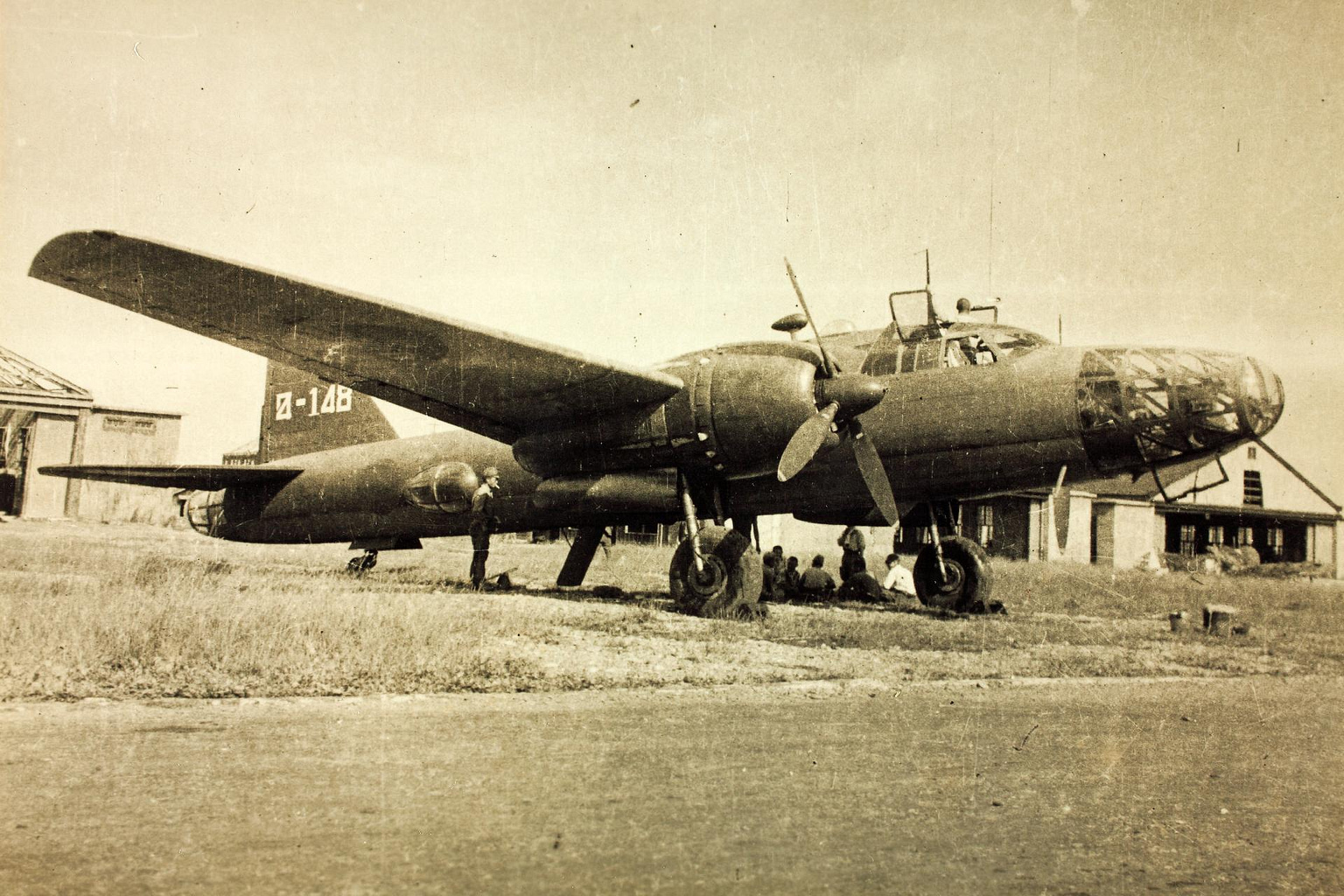
Mitsubishi Ki-67
“Hiryu” · “Peggy”
The best bomber Japan built — and the one that came too late
By 1940 the Imperial Japanese Army had watched its bombers burn. The Ki-21 “Sally” and the Navy’s G4M “Betty” could fly far, but they were lightly armed and almost unprotected — no meaningful crew armour, no self-sealing fuel tanks, and a fatal tendency to catch fire when hit. So when the Army issued the specification that became the Ki-67, it asked for something different: a fast, tough, survivable bomber that could defend itself and still reach out across the Pacific.
Mitsubishi delivered. The prototype first flew on 27 December 1942, and what emerged was, by common consent, the finest bomber the Japanese Army ever fielded — and one of the better twin-engine bombers of any nation. Powered by two Mitsubishi Ha-104 radials, the Ki-67 “Hiryu” (“Flying Dragon”) was quick, with a top speed of roughly 537 km/h (334 mph), and — most unusually for a Japanese design — it was protected: self-sealing tanks, armour for the crew, and a heavy defensive battery built around a 20 mm cannon.
It flew like nothing the Army had operated before. Test crews found it could be thrown around almost like a fighter — rolled, looped and turned tightly — a level of agility no earlier Japanese heavy bomber came close to. Allied intelligence gave it the reporting name “Peggy”, and would soon meet it in the torpedo-attack role off Formosa and the Philippines.
And yet the Ki-67’s story is a study in too little, too late. It did not reach front-line units until the summer of 1944, with its combat debut in October 1944. By then Japan had lost its trained aircrews, its fuel and its air superiority. Only about 698 were built (figures vary), against thousands of Allied aircraft — never enough to matter.
What service it did see was intense and often desperate. Ki-67 units flew anti-shipping torpedo strikes against the U.S. Navy off Formosa and the Philippines, level-bombing raids, and home-defence sorties. Many were stripped and packed with explosives for kamikaze “To-Go” special-attack units. And the airframe spawned the Ki-109, a dedicated bomber-destroyer meant to knock down B-29s with a 75 mm cannon.
01The Mitsubishi Ki-67 Hiryu’s late arrival: why Japan’s best bomber could not change the war
The Ki-67 was specified in late 1940, first flew at the end of 1942 and was accepted as the Army Type 4 Heavy Bomber in December 1943 — but did not reach operational units in numbers until the middle of 1944. That two-year gap between first flight and front-line service was fatal to its impact. By the time crews were flying it in combat from October 1944, the U.S. Navy fielded overwhelming fighter cover and radar-directed anti-aircraft fire, and Japan had neither the fuel nor the experienced aircrew to exploit a good aeroplane. With only about 698 completed across four production sites, the Ki-67 was always a rare sight in a sky filled with Allied machines. It was, in short, an excellent design that history handed too few chances — a recurring theme for late-war Japanese aviation.
What made the Ki-67 different
Protection, at last
Where earlier Japanese bombers left their crews and fuel exposed, the Ki-67 was built with self-sealing fuel and oil tanks and armour plating from the outset. It was the feature that mattered most in 1944: a Ki-67 that took hits could keep flying and keep its crew alive, where a Betty or a Sally would burn. This single change is the core of its reputation.
Two Ha-104s and fighter-like handling
Two Mitsubishi Ha-104 18-cylinder radials of about 1,900 hp each gave a top speed near 537 km/h and a ceiling around 9,470 m. Combined with a strong, clean airframe, they gave the Ki-67 genuine agility — test crews reported it could be rolled and turned in ways no earlier Japanese heavy bomber could match.
A heavy defensive sting — and a torpedo
Defence was built around a 20 mm Ho-5 cannon (usually in the dorsal turret) backed by four to five 12.7 mm heavy machine guns in the nose, tail and beam positions. The bomb bay could carry roughly 800 kg of bombs — or a single aerial torpedo, the weapon that defined its combat career against U.S. warships.
02The Ki-67 Hiryu’s manoeuvrability: a heavy bomber that could roll
Contemporary and post-war accounts consistently single out the Ki-67’s handling. Where most heavy bombers are deliberately stable, stately machines, the Hiryu was stressed for higher manoeuvre loads and reportedly demonstrated aerobatic-style manoeuvres during trials — rolls and tight turns more associated with fighters. In service this agility mattered twice over: it helped crews jink away from interceptors, and it made the type suitable for the low, fast torpedo runs the Army began flying against Allied shipping. It is one reason the Ki-67 is often called not just the best Japanese bomber but one of the finest twin-engine bombers of the war — though, as ever with rare late-war types, some of the superlatives should be read as informed judgement rather than hard statistics.
Mitsubishi Ki-67-I Hiryu full specifications
Airframe & Performance
- Mürettebat
- 6 to 8
- Uzunluk
- 18.7 m (61 ft 5 in)
- Kanat açıklığı
- 22.5 m (73 ft 10 in)
- Yükseklik
- 7.7 m (25 ft 3 in)
- Boş ağırlık
- ~8,650 kg (19,068 lb)
- Max takeoff weight
- ~13,765 kg (30,347 lb)
- Max speed
- ~537 km/h (334 mph) at 6,090 m
- Cruising speed
- ~400 km/h (249 mph)
- Servis tavanı
- ~9,470 m (31,070 ft)
- Normal range
- ~2,800 km (1,740 mi)
Propulsion, Armament & Production
- Engines
- 2 × Mitsubishi Ha-104 18-cyl radial
- Power (each)
- ~1,900 hp at takeoff
- Defensive guns
- 1 × 20 mm Ho-5 + 4–5 × 12.7 mm MG
- Bomb / torpedo load
- ~800 kg bombs or one torpedo
- First flight
- 27 December 1942
- Introduced
- Summer 1944
- Built
- ~698 (figures vary)
- Unit cost
- Not reliably recorded (WWII)
- Cost per flight hour
- Not reliably recorded (WWII)
03Ki-67 Hiryu variants: the Ki-67-I Kai suicide aircraft and the Ki-109 B-29 destroyer
The main production version was the Ki-67-I, built as the Ia and — from around the 451st airframe — the Ib, which swapped the single 12.7 mm tail gun for a twin mounting. A planned Ki-67-Ic with a heavier bomb load never entered production, and the more powerful Ki-67-II (with Ha-214 engines) was not completed before the war ended. Two derivatives stand out. The Ki-67-I Kai was a special-attack (kamikaze) conversion: turrets removed, a long nose rod to detonate the warhead, and a very heavy explosive load; roughly a dozen were operational by October 1944 in the “To-Go” force. The Ki-109 was a dedicated bomber-destroyer fitted with a 75 mm Type 88 cannon to attack B-29 Superfortresses at altitude — an imaginative idea that achieved little, largely because the aircraft’s high-altitude performance was inadequate for the interception role (an assessment on which sources broadly agree, though few combats were recorded).
04The Mitsubishi Ki-67 Hiryu’s operating costs: why the numbers were never kept
Unlike a modern jet, no reliable unit cost or cost-per-flight-hour figure survives for the Ki-67. Japan’s wartime industry was strained, accounting was disrupted, and cost data for individual 1944–45 airframes was neither standardised nor preserved. What the record does show is the price that mattered in 1944: fuel and trained aircrew, both of which Japan had all but run out of by the time the Ki-67 arrived. We have therefore marked the cost fields “not reliably recorded (WWII)” rather than invent a figure — the honest answer for almost every late-war Japanese type.
From a 1940 specification to the last Pacific torpedo runs
The Army asks for a survivable bomber
Late in 1940 the Imperial Japanese Army issues the specification that becomes the Ki-67 — explicitly demanding speed, defensive firepower and protection its earlier bombers had lacked.
First flight
The prototype flies on 27 December 1942. Trials reveal an unusually agile heavy bomber with fighter-like handling.
Accepted as the Type 4 Heavy Bomber
The design is frozen and accepted in December 1943 as the Army Type 4 Heavy Bomber, Model 1A — the “Hiryu”.
Enters service
Deliveries to operational units begin in the summer of 1944, far later than Japan needed them and against a tightening Allied advance.
Combat debut off Formosa
Ki-67 torpedo units strike U.S. Navy task forces during the Formosa Air Battle — the type’s first major action, and a taste of its anti-shipping role.
Special attack and the B-29 hunter
Ki-67-I Kai aircraft are converted for kamikaze “To-Go” missions over the Philippines, while the Ki-109 derivative is fielded to hunt B-29s with a 75 mm cannon.
Okinawa and home defence
Ki-67s fly torpedo, bombing and special-attack sorties around Okinawa and in defence of the home islands during the final months of the war.
War’s end — and no survivors
Production ends at roughly 698 aircraft. None would survive intact; today only relics and captured components remain.
Twelve stories of the Ki-67 “Hiryu”
A bomber designed not to burn
The Army had seen its bombers flamed out of the sky. This time it demanded protection first.
Read the full story
First flight of something different
On 27 December 1942 the prototype lifted off — and the test crews were startled by how it flew.
Read the full story
Self-sealing tanks and armour
The feature that mattered most was the one you couldn’t see: the Ki-67 was built to take a hit.
Read the full story
The heavy bomber that could roll
Accounts describe aerobatic-style manoeuvres during trials — extraordinary for a twin-engine bomber.
Read the full story
“Flying Dragon” and “Peggy”
To Japan it was “Hiryu”. To Allied intelligence it became, simply, “Peggy”.
Read the full story
Torpedoes off Formosa
The Ki-67’s first big action was an anti-shipping strike against the U.S. fleet.
Read the full story
An Army bomber learns the torpedo
Attacking warships with torpedoes had been the Navy’s trade. The Ki-67 brought it to the Army.
Read the full story
Fleet strikes and heavy losses
Over the Philippines the Ki-67 fought hard — and was ground down.
Read the full story
The Hiryu as a flying bomb
Some of Japan’s best bombers were deliberately expended as guided weapons.
Read the full story
A 75 mm cannon against the Superfortress
The Hiryu airframe was reworked into a heavy interceptor to knock down B-29s.
Read the full story
~698 — and too late
Japan’s finest bomber was also one of its rarest.
Read the full story
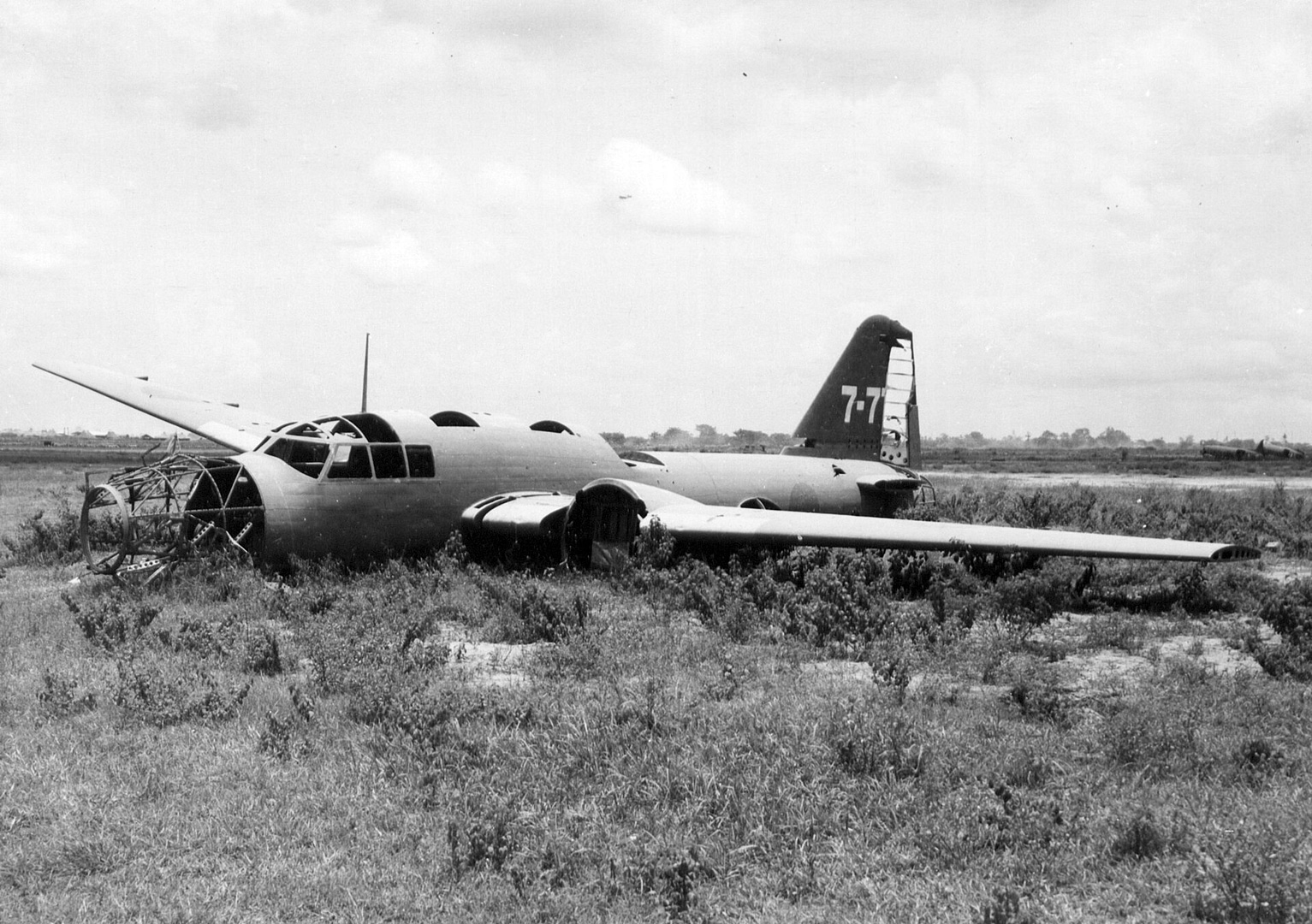
No complete Hiryu survives
The best bomber Japan built left almost nothing behind.
Read the full story
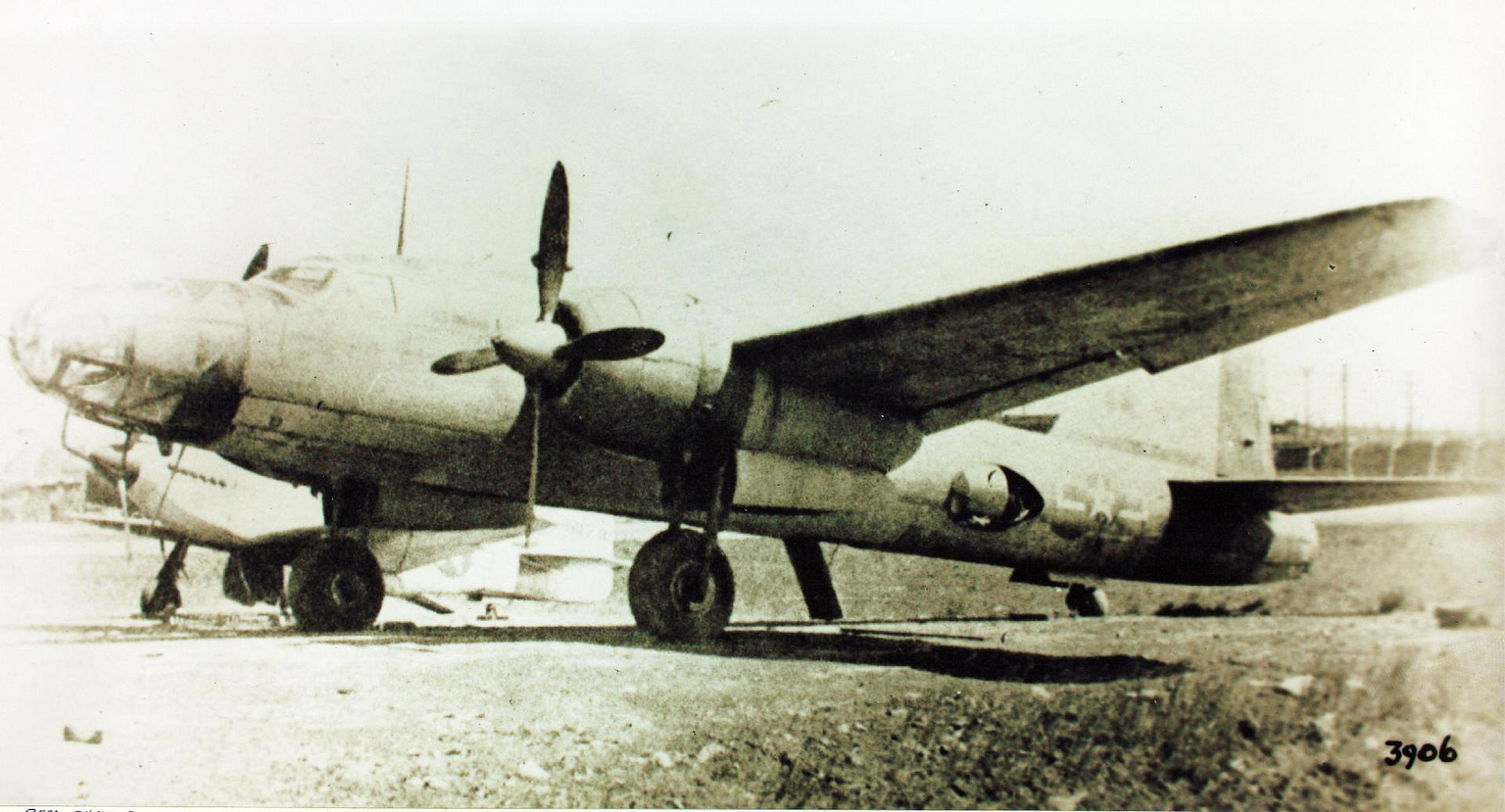
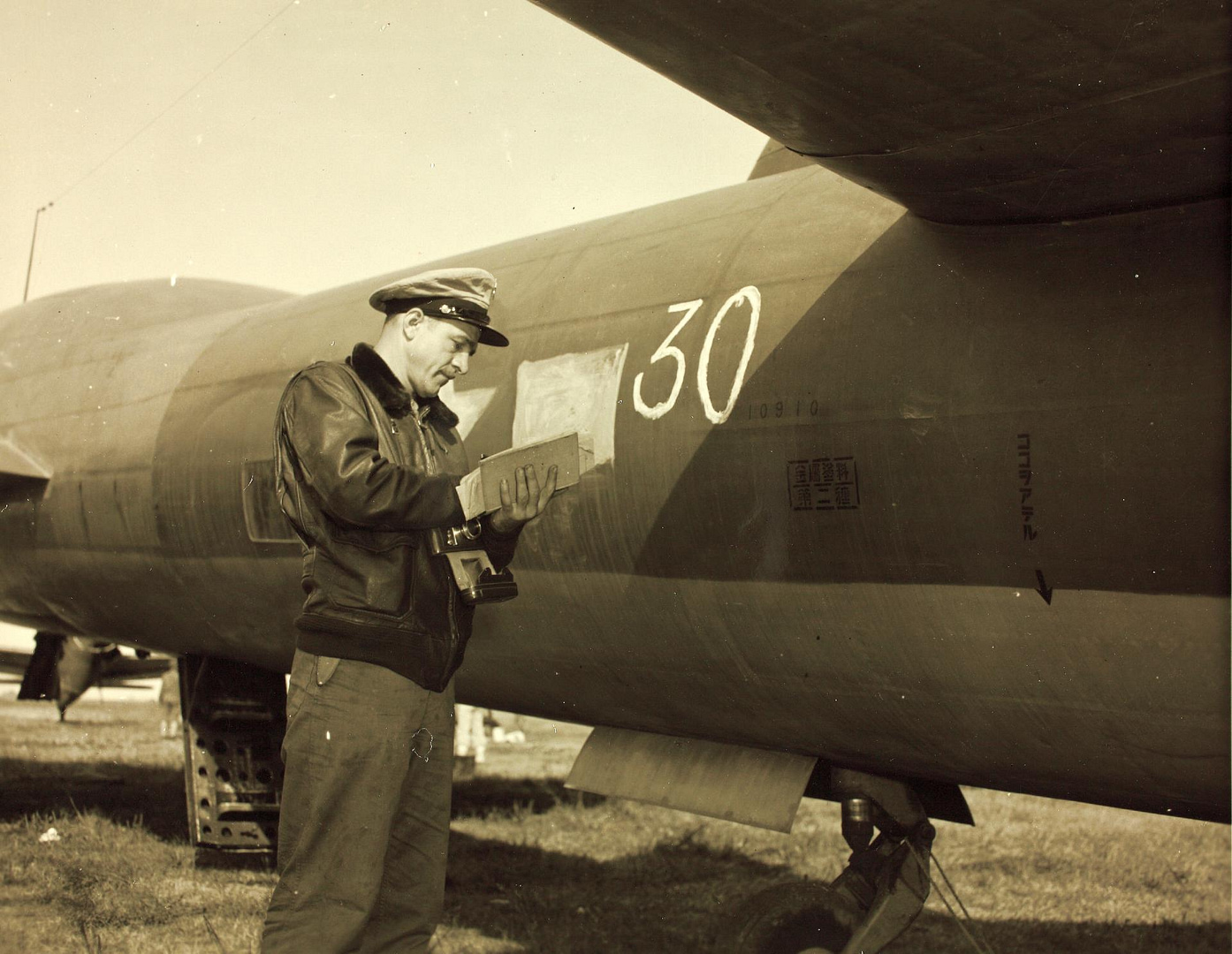
The Ki-67 “Hiryu” in pictures
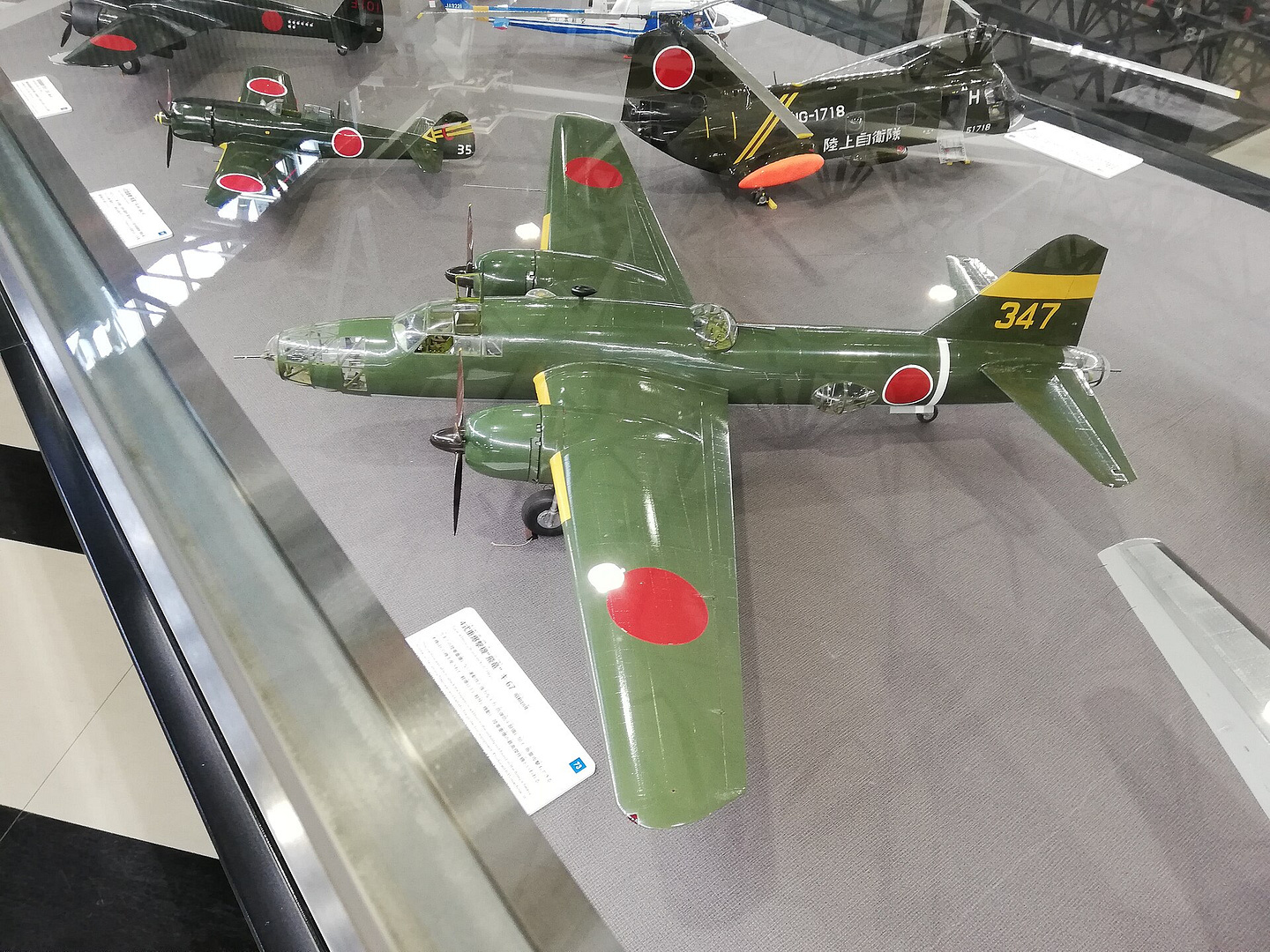
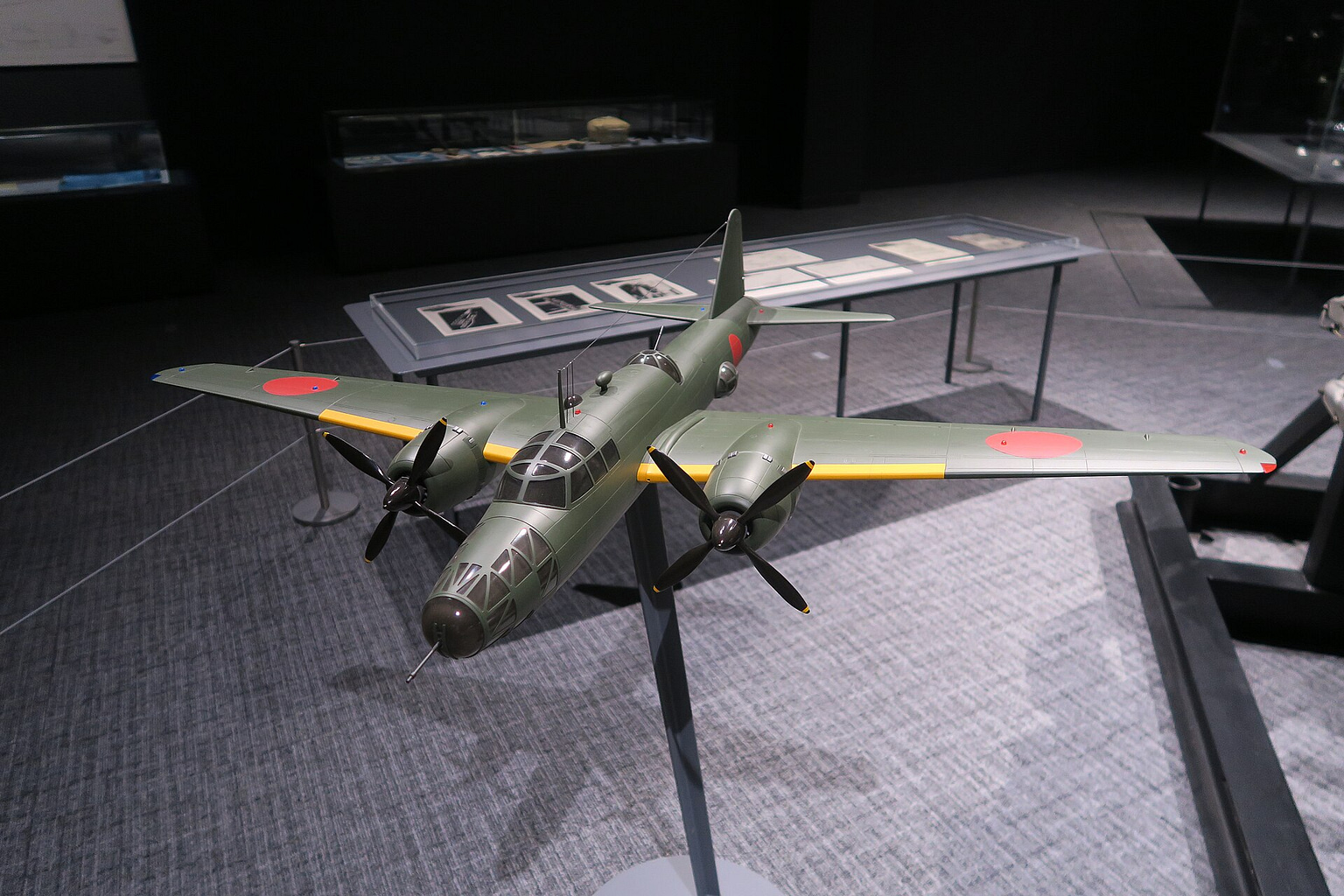
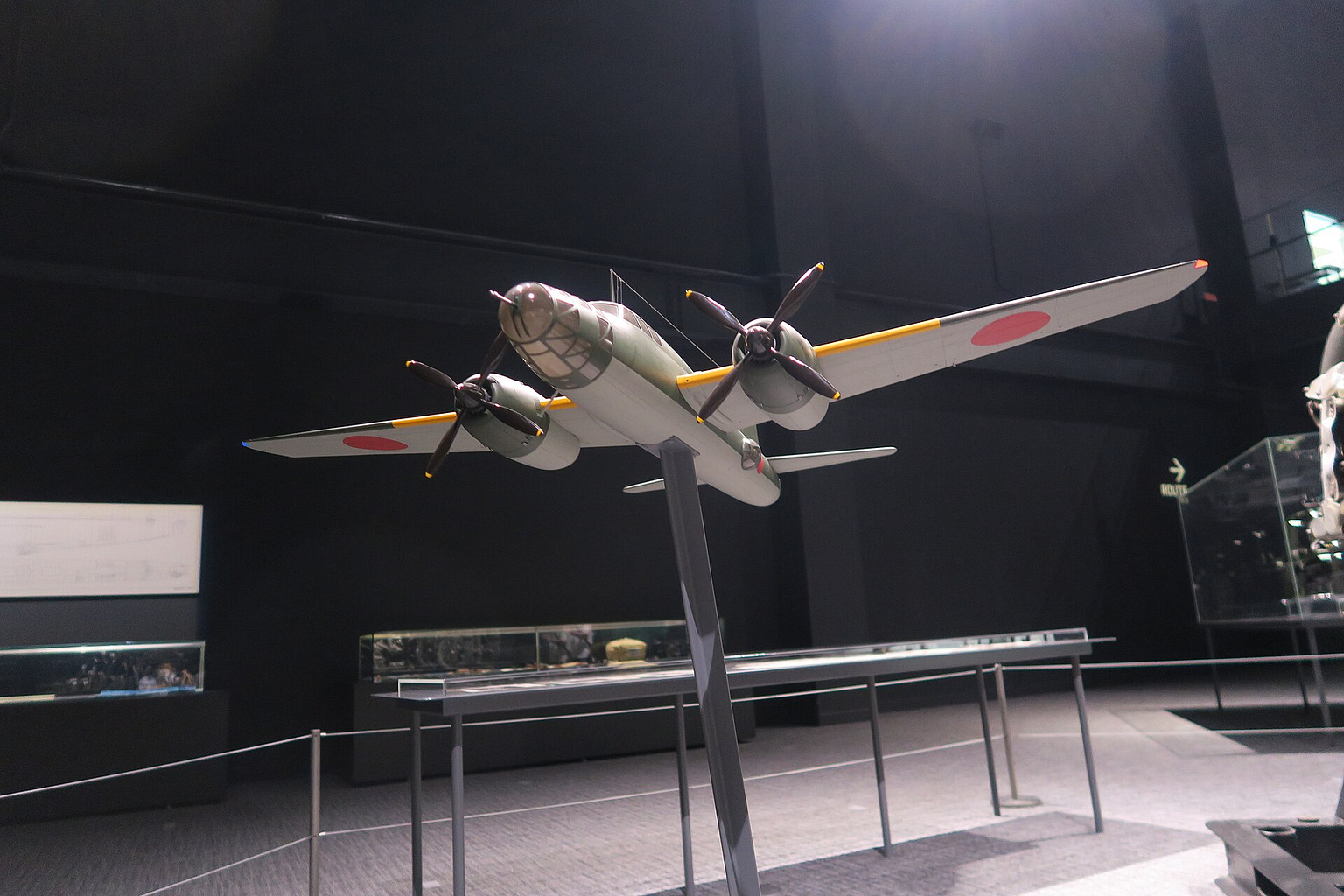
The Ki-67 “Hiryu” in motion
IHYLS: Japan’s Best “Heavy” Bomber Wasn’t Very Heavy — Mitsubishi Ki-67 Hiryu. A focused documentary on the type’s design, protection, torpedo role and the Ki-109 derivative (roughly 65,000 views and a 99% positive rating from an established aviation-history channel).
Where the Ki-67 flew and fought
The Ki-67’s war, in three numbers
The Ki-67 was a survivable, hard-hitting bomber that arrived far too late to shape the outcome. Its record is best measured not in decisive victories but in a short, intense operational life squeezed into the war’s final year.
Compare the combat record of every military aircraft.
Everything people ask about the Mitsubishi Ki-67 Hiryu
Can I fly in a Mitsubishi Ki-67?
Why is the Ki-67 called the best Japanese bomber of the war?
What do “Hiryu” and “Peggy” mean?
Was the Ki-67 really a torpedo bomber?
What was the Ki-109?
Were Ki-67s used as kamikaze aircraft?
How many Ki-67s were built, and why couldn’t it change the war?
Do any Ki-67s survive today?
You can’t fly the Ki-67 Hiryu.
These, you can.
Some legends only live in museums — others are fuelled and waiting. MiGFlug has put civilians in real military jet cockpits since 2004.
 Fly the L-39 AlbatrosThe world’s most-flown jet trainer — aerobatics included
 Fly the F-104 Starfighter“The missile with a man in it”
 Fly the MiG-21The Cold War’s most-produced jet
 T-33 Shooting Star'ı uçurunAmerica’s first jet trainer
 Fly the DH VampireA piece of early jet history
 Fly the S.211Agile Italian jet trainer
 Fly the MB-326The classic Aermacchi jet
 Fly the MiG-15The Soviet legend of the Korean War
Continue the tour
Every fact, checked
- Pacific Wrecks — Mitsubishi Ki-67 (Peggy)Technical data plus the fate of individual airframes, relics and wrecks recovered across the Pacific.
- HistoryOfWar.org — Mitsubishi Ki-67 Hiryu “Peggy”Detailed development history, variants and the assessment of the type as the best Army bomber of the war.
- National Museum of the U.S. Air ForceReference collection on captured Japanese aircraft and the Pacific air war of 1944–45.
- Smithsonian National Air and Space MuseumBackground on Japanese wartime aircraft design, protection and the late-war technical picture.
- World War II Database — Ki-67 HiryuSpecifications, production figures and a concise operational summary.
- Vintage Aviation News — First Flight of the Ki-67Feature on the 27 December 1942 first flight and the aircraft’s place in Japanese aviation.
- Gifu-Kakamigahara Air and Space MuseumJapanese museum holding Ki-67 relics and detailed models — a rare surviving link to the type.
- MiGFlug — Afterburner MagazineMiGFlug’s own aviation writing, and where to book a flight in a real ex-military jet today.