

Lockheed YF-12
The Blackbird interceptor
A Mach 3 interceptor carved from the secret A-12 Blackbird — armed with a radar and missiles decades ahead of their time, a record-breaker the Air Force ultimately chose never to build.
The interceptor built from a spyplane
When the U.S. Air Force cancelled the Mach-3 North American XF-108 Rapier interceptor in September 1959, it was left holding two extraordinary orphans: the Hughes AN/ASG-18 pulse-Doppler radar and the long-range GAR-9 / AIM-47 Falcon missile. Both were years ahead of anything flying. What the Air Force lacked was an aircraft fast enough to carry them.
Lockheed’s Skunk Works, under Clarence “Kelly” Johnson, already had one: the secret CIA A-12 “Oxcart” reconnaissance aircraft. Johnson proposed marrying the two, an interceptor he called the “AF-12.” His team added a second cockpit for a fire-control officer, cut a radar nose into the A-12’s chined fuselage, converted three bays to carry AIM-47 missiles internally, and bolted on ventral fins to claw back the stability the radar nose had cost. The result flew as the YF-12A on 7 August 1963 at Groom Lake.
President Lyndon Johnson revealed it to the world on 29 February 1964 — partly, historians agree, as a convenient cover story to draw attention away from the still-classified A-12. On 1 May 1965 two YF-12As set world speed and altitude records that still impress. And yet the interceptor was never built in numbers: Defense Secretary Robert McNamara withheld production money three years running and cancelled the programme in early 1968. The Cold War threat was shifting from manned bombers to intercontinental missiles, and the money was going to Vietnam.
01The YF-12’s cover story: how President Johnson used it to hide the A-12
When President Johnson announced the aircraft on 29 February 1964 he called it the “A-11” and presented it as an experimental interceptor at Edwards Air Force Base. The description was deliberately imprecise. The real purpose of the announcement, most accounts agree, was to give the Blackbird family a public face — the YF-12 — so that the far more sensitive CIA A-12 “Oxcart” spyplane, which shared the same airframe, could keep operating in secret. Reporters flown to Edwards to see the newly revealed jet reportedly found it still warm on the ramp, having just flown in from the classified base at Groom Lake.
What makes it special
A titanium airframe built for Mach 3
The YF-12 shared the titanium-alloy structure of the A-12 and SR-71 — roughly 85–90% titanium, the only practical way to survive skin temperatures that climb past 500 °F in sustained Mach 3 cruise. The same slender chined fuselage that made the Blackbirds possible carried the interceptor, modified only where the radar nose, second cockpit and missile bays demanded.
The ASG-18 radar and AIM-47 Falcon
Its Hughes AN/ASG-18 was the first American pulse-Doppler, look-down/shoot-down airborne fire-control radar, paired with the long-range AIM-47 Falcon missile. The pairing was salvaged from the cancelled F-108 — and it was the direct technological ancestor of the AN/AWG-9 radar and AIM-54 Phoenix that would arm the F-14 Tomcat a decade later.
Records, then a second life with NASA
On 1 May 1965 the YF-12 set an absolute speed record of 2,070.101 mph and a sustained-altitude record of 80,257 ft. After the interceptor was cancelled, the surviving airframes became one of the most valuable Mach 3 research testbeds ever flown, gathering thermal and propulsion data for NASA and the Air Force from 1969 to 1979.
02The YF-12’s fire control: the radar and missile that became the F-14’s Phoenix system
The Hughes ASG-18 and GAR-9/AIM-47 began life for the cancelled XF-108 Rapier, and when that programme died in 1959 the Air Force kept the weapon system alive and looked for a new aircraft to carry it. On the YF-12 it worked: in a series of test firings under Project Kedlock, six of seven guided AIM-47 launches scored kills, including a celebrated shot in which a YF-12A at Mach 3.2 and around 75,000 ft destroyed a drone flying far below it — a genuine look-down/shoot-down intercept decades ahead of its time. The Hughes engineering lineage ran straight on into the AN/AWG-9 radar and AIM-54 Phoenix of the F-14 Tomcat.
03The YF-12’s ventral fins: taming a Mach-3 interceptor’s stability
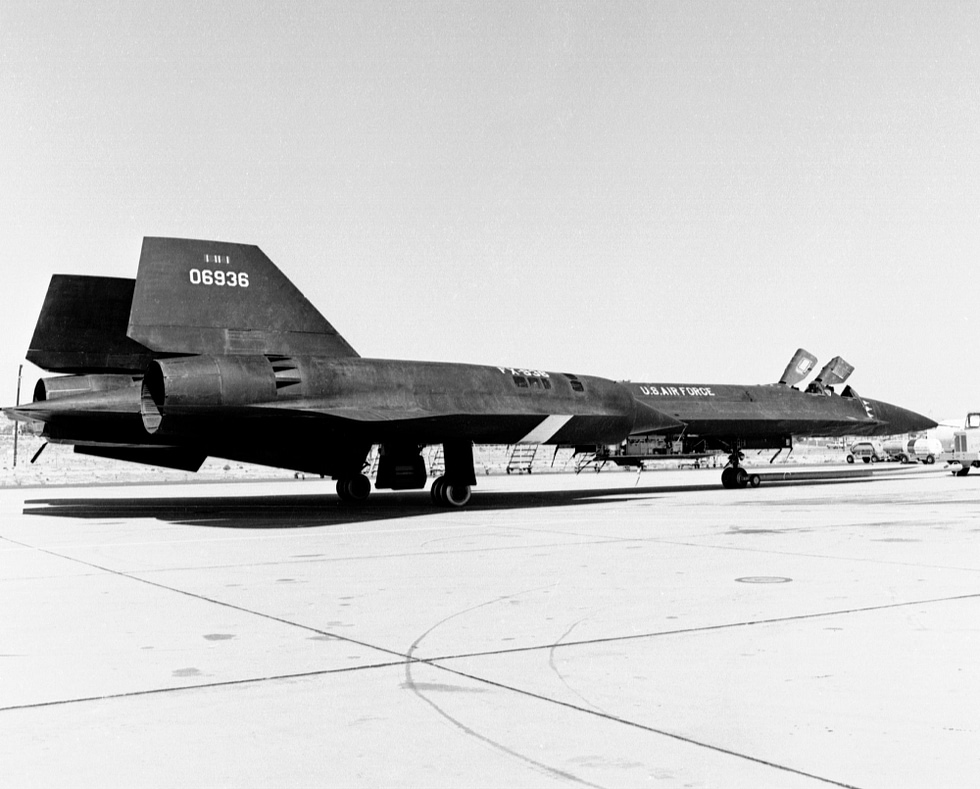
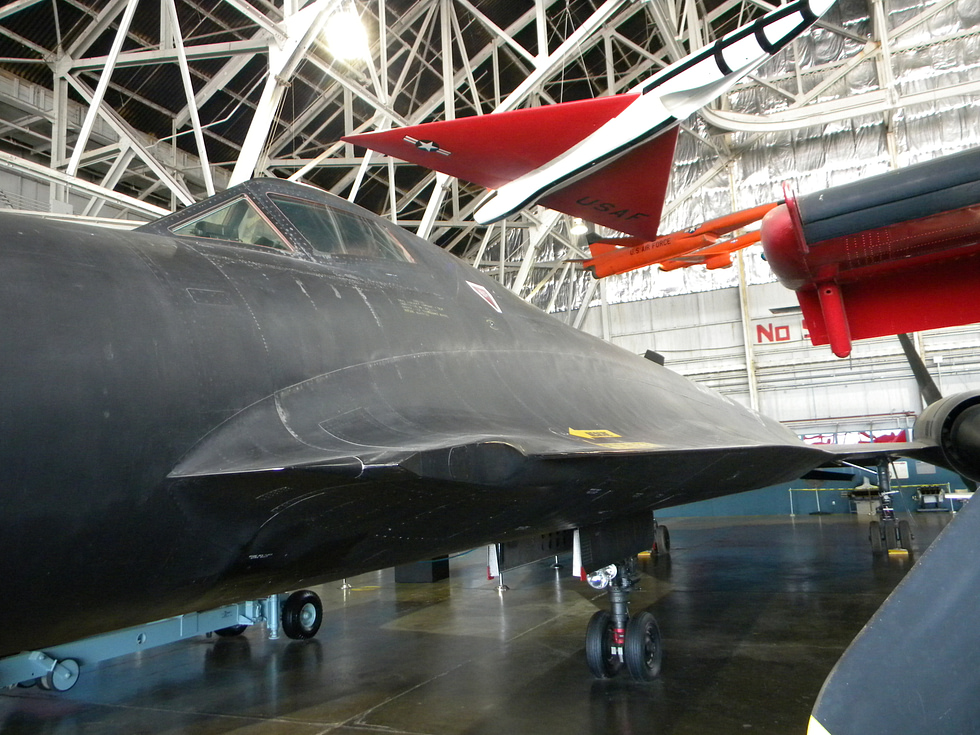
Cutting a radar nose into the A-12’s fuselage interrupted the sharp chines that gave the Blackbird much of its directional stability. To compensate, Lockheed added ventral fins beneath the engine nacelles and a large folding fin on the centreline of the fuselage — the centre fin folded to the side for take-off and landing clearance and extended in flight. It is one of the quickest ways to tell a YF-12 from an SR-71 in a photograph.
Full specifications
Airframe & Performance
- Mürettebat
- 2 (pilot + fire-control officer)
- Uzunluk
- 30.9 m (101 ft 8 in)
- Kanat açıklığı
- 16.9 m (55 ft 7 in)
- Yükseklik
- ~5.6 m (18 ft 4 in)
- Max loaded weight
- ~57,000 kg (~124,000–127,000 lb)
- Max speed
- Mach 3.2 design max (~2,000+ mph)
- Record speed
- 2,070.101 mph · 1 May 1965
- Servis tavanı
- above 80,000 ft (~90,000 ft cited)
- Record altitude
- 80,257 ft · 1 May 1965
- Menzil
- ~2,000+ miles
Propulsion & Systems
- Engines
- 2 × Pratt & Whitney J58 (JT11D-20)
- Thrust (each)
- ~32,000 lbf with afterburner
- Radar
- Hughes AN/ASG-18 pulse-Doppler
- Silahlanma
- 3 × Hughes AIM-47A Falcon (internal bays)
- First flight
- 7 August 1963
- Built
- 3 prototypes (60-6934/6935/6936)
- Programme
- Cancelled 1968; NASA research to 1979
- Unit cost
- No reliable public figure
- Cost per flight hour
- No reliable public figure
04The YF-12’s costs: why no reliable price exists
The YF-12 grew out of the CIA-funded A-12 — itself one of the most expensive aircraft programmes of its era — and only three were ever built, so there is no meaningful flyaway unit price in the public record. What is documented is that the Air Force wanted 93 production F-12B interceptors and that McNamara judged that fleet too costly to fund against Vietnam-era budgets, withholding the money three years running before cancelling it in early 1968. Any precise per-aircraft dollar figure you see attached to the YF-12 should be read as an estimate, not a sourced number.
From cancelled interceptor to Mach-3 research
The F-108 is cancelled
The Mach-3 XF-108 Rapier is axed, but its Hughes ASG-18 radar and GAR-9 missile survive — looking for a new aircraft to carry them.
The AF-12 takes shape
Kelly Johnson proposes an interceptor built on the secret A-12 airframe; the Air Force orders three prototypes.
First flight
The first YF-12A (60-6934) flies on 7 August at Groom Lake, Nevada.
Revealed to the world
On 29 February, President Johnson publicly unveils the aircraft — a useful cover for the still-secret A-12 spyplane.
A day of records
On 1 May, Col. Robert Stephens and Lt. Col. Daniel Andre set absolute speed (2,070 mph) and altitude (80,257 ft) records; a drone is destroyed by an AIM-47 that September.
Programme cancelled
Defense Secretary McNamara cancels the F-12 interceptor after withholding production funding three years in a row.
A second life with NASA
A joint NASA–USAF Mach 3 research programme begins; airframe 60-6936 is lost to an in-flight fire in June 1971, its crew ejecting safely.
The last flight
The surviving YF-12A makes its final flight and is delivered to the National Museum of the U.S. Air Force at Dayton — the only one left.
From the programme: twelve YF-12 stories
The interceptor born from a spyplane
Kelly Johnson pitched the ‘AF-12’ by turning the CIA’s A-12 spyplane into a missile-carrying fighter.
Read the full story
The weapon that outlived its aircraft
When the F-108 died in 1959, its radar and missile were saved and given a new home on the Blackbird.
Read the full story
The not-a-secret secret
President Johnson revealed the YF-12 partly to distract the world from the still-classified A-12.
Read the full story
Still warm from Area 51
Reporters sent to see the newly revealed jet found it had just flown in from the classified base at Groom Lake.
Read the full story
A day of records
On 1 May 1965 two crews set a clutch of world speed and altitude marks in a single afternoon.
Read the full story
The look-down, shoot-down shot
A YF-12A at Mach 3.2 fired an AIM-47 that destroyed a drone flying far below it — in 1965.
Read the full story
Six of seven
Of seven guided AIM-47 launches from the YF-12, six scored kills — a remarkable record for a new system.
Read the full story
The target with kill marks
One much-abused target drone survived the trials and carries three ‘YF-12 kill’ markings.
Read the full story
The DNA of the Tomcat
The YF-12’s radar and missile became the F-14’s AWG-9 and AIM-54 Phoenix.
Read the full story
The fire
A fuel-line failure set 60-6936 ablaze in flight; both crew ejected, and NASA replaced it with a disguised SR-71.
Read the full story
The Coldwall experiment
NASA flew a chilled, insulated tube to Mach 3, then stripped its cover to measure sudden heating.
Read the full story
The lone survivor
After its final flight the last YF-12 went to Dayton — where historians still argue over its serial number.
Read the full story
The YF-12 in pictures
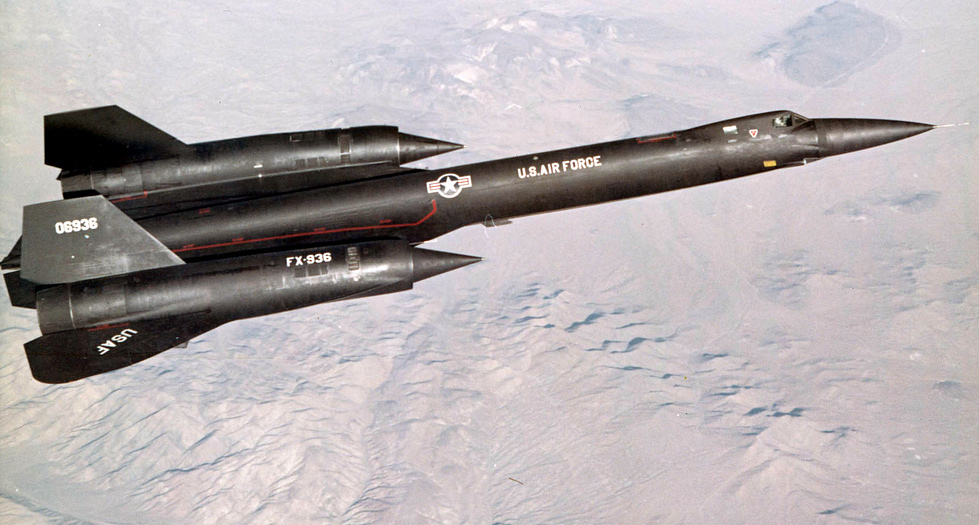
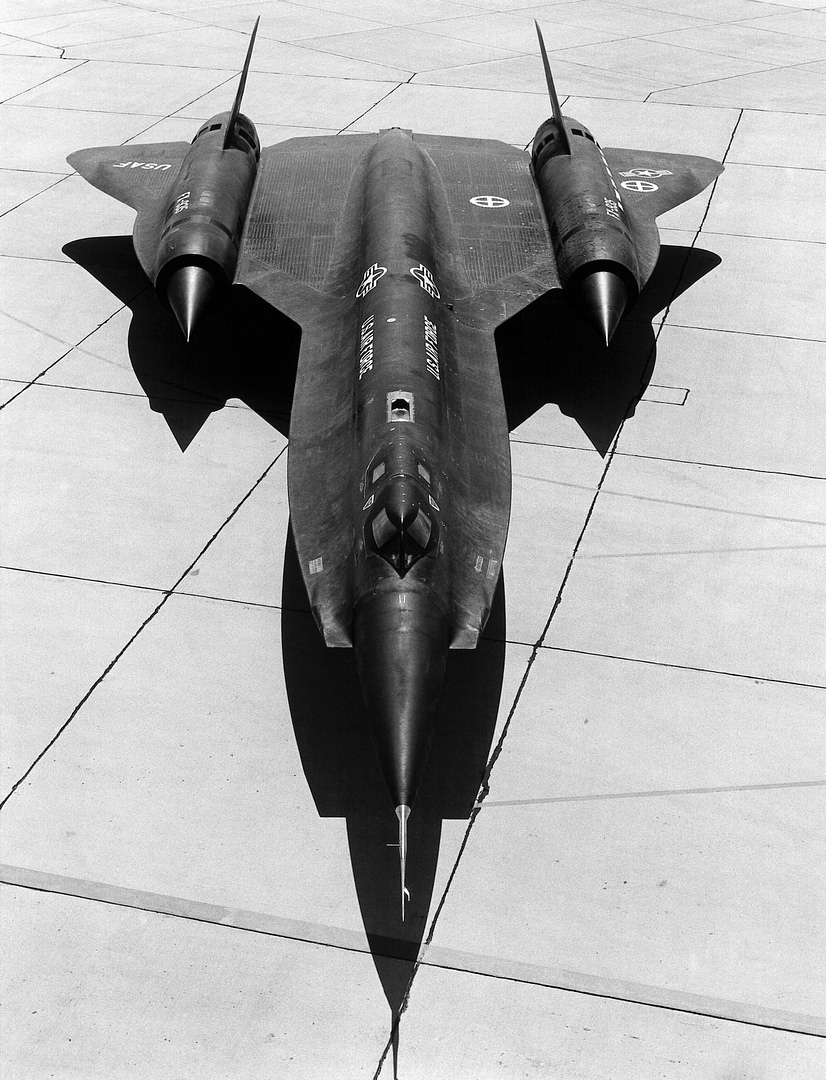
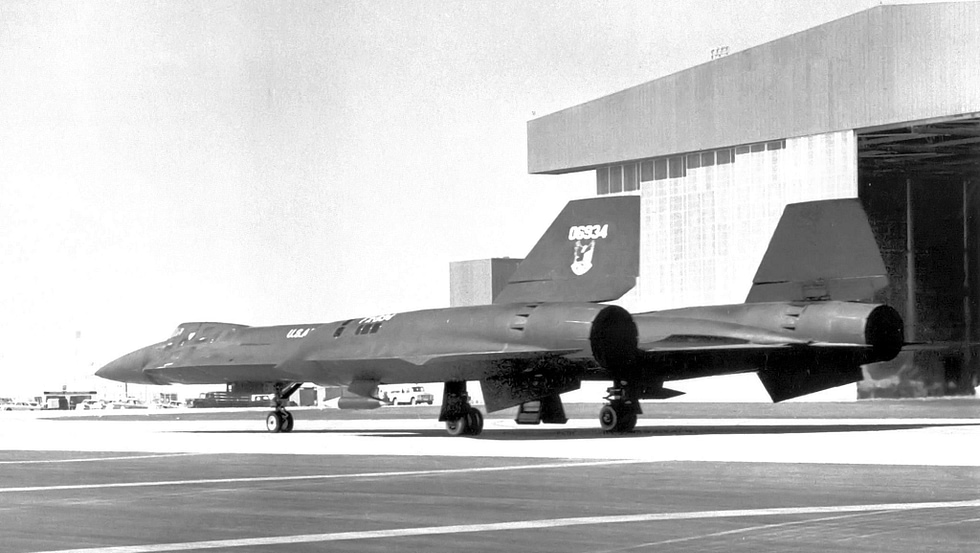
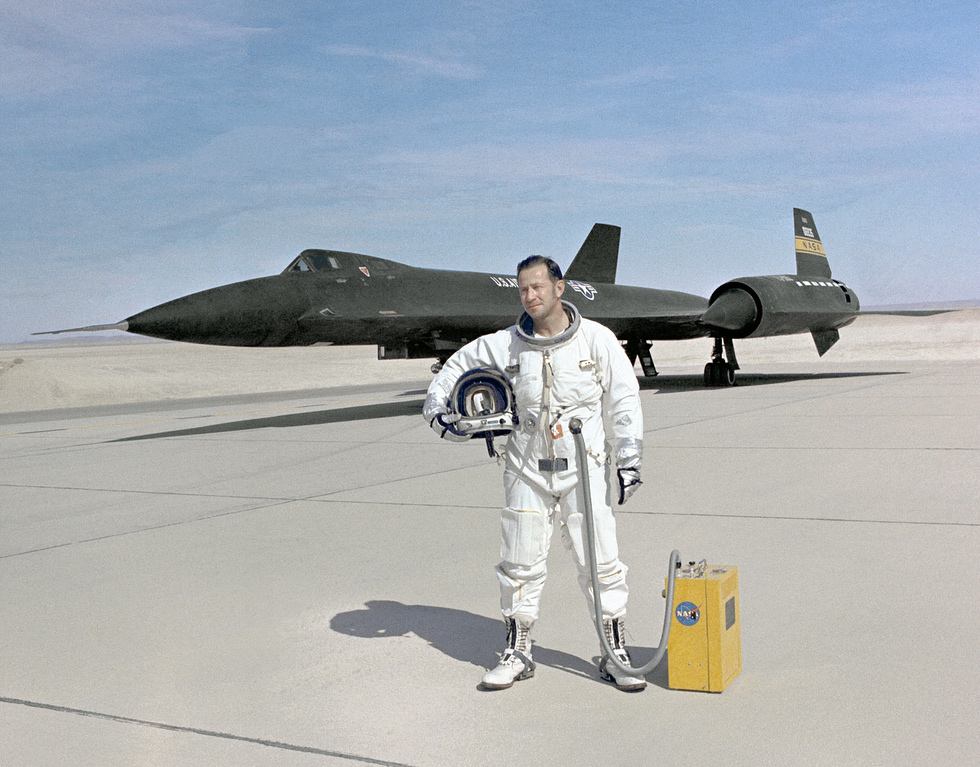
The YF-12 in motion
A dedicated YF-12 video feature is on its way. Video coming soon — in the meantime, explore the photo gallery above and the record-setting story of the fastest interceptor the U.S. Air Force never fielded.
Where the YF-12 flew
The score that defines it
The YF-12 never fired a shot in anger — it was a prototype, and it was cancelled before it could enter service. Its record is written instead in world speed and altitude marks, and in a missile system so far ahead of its time that six of its seven test shots found their targets.
Compare the combat record of every military aircraft. Figures as of July 2026.
Everything people ask about the YF-12
Can I fly in a YF-12?
Was the YF-12 ever operational?
How is the YF-12 different from the SR-71?
What records did the YF-12 set?
Why was the YF-12 cancelled?
What is the YF-12’s connection to the F-14 Tomcat?
How many YF-12s survive, and where?
You can’t fly the YF-12.
These, you can.
Some legends only live in museums — others are fuelled and waiting. MiGFlug has put civilians in real military jet cockpits since 2004.
 Fly the L-39 AlbatrosThe world’s most-flown jet trainer — aerobatics included
 Fly the F-104 Starfighter“The missile with a man in it”
 Fly the MiG-21The Cold War’s most-produced jet
 T-33 Shooting Star'ı uçurunAmerica’s first jet trainer
 Fly the DH VampireA piece of early jet history
 Fly the S.211Agile Italian jet trainer
 Fly the MB-326The classic Aermacchi jet
 Fly the MiG-15The Soviet legend of the Korean War
Continue the tour
Every fact, checked
- NASA Armstrong — YF-12 fact sheet & research historySpecifications, the 1965 records, NASA programme totals, the 1971 fire and the museum transfer.
- National Museum of the U.S. Air Force — Lockheed YF-12AOfficial specs, cancellation rationale and the surviving display aircraft.
- U.S. Air Force — Triplesonic Interceptors: F-103, F-108, YF-12AThe F-108 cancellation and the ASG-18 / GAR-9 weapon-system lineage.
- Vintage Aviation News — Flight Test Files: Lockheed YF-12Development, the records day, the NASA years and airframe disposition.
- The Aviation Geek ClubThe 1964 reveal as a cover story and the Project Kedlock kill markings.
- 19FortyFive — “Meet the YF-12”Cancellation analysis, airframe fates and the AIM-47 / Phoenix lineage.
- White Eagle Aerospace — “A Day of Records”Full breakdown of the 1 May 1965 records, crews and FAI categories.
- Blackbird reference archives (sr-71.org)First-flight detail, the 1965 missile-kill specifics and serial-number histories.