
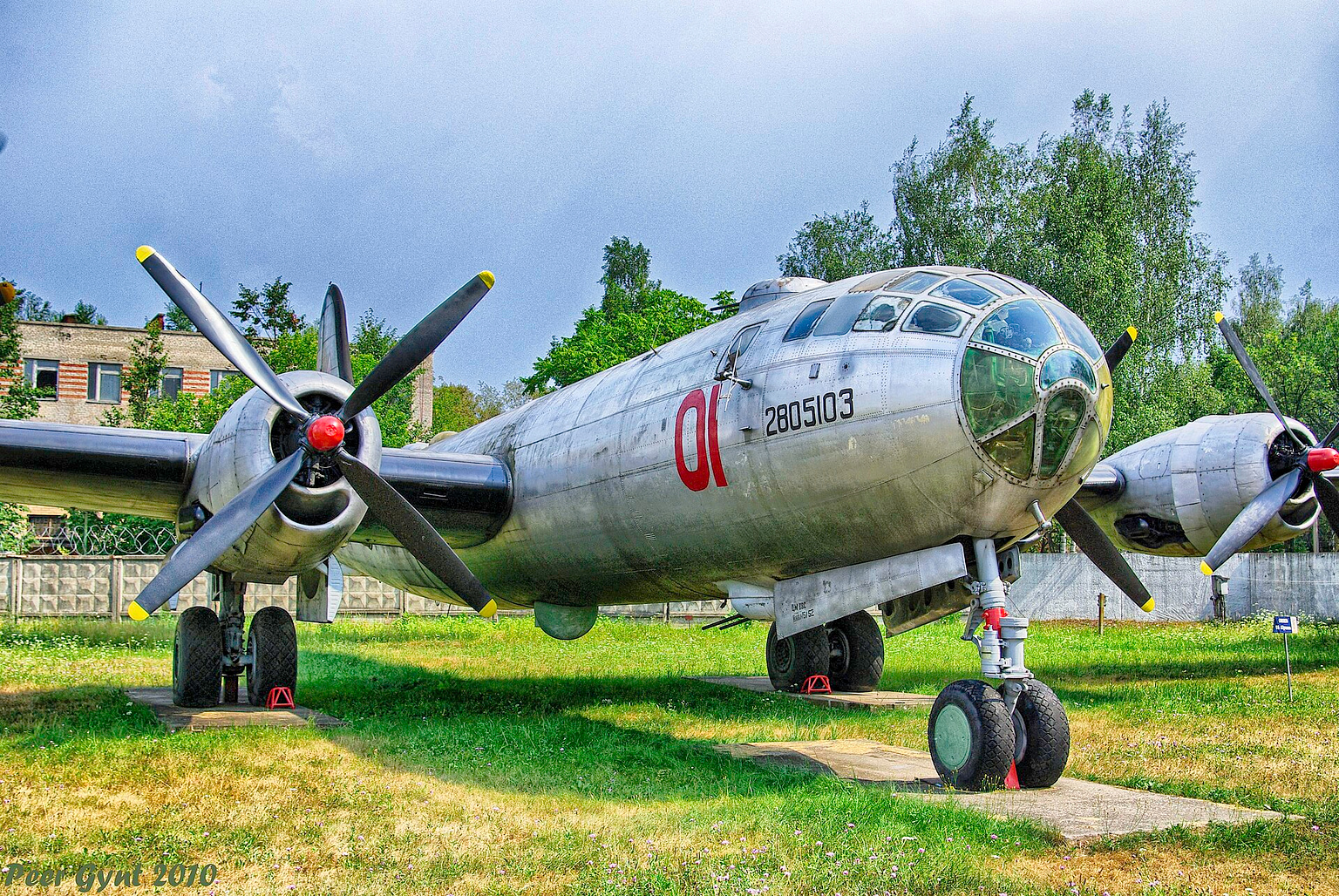
Petlyakov Pe-2
“Peshka”
The sleek twin-engine dive bomber that began life as a high-altitude fighter in a Soviet prison design bureau — and became the most-produced Soviet bomber of the Second World War.
The Petlyakov Pe-2: from a prison drawing board to the Red Army’s spearhead
The Pe-2 is one of the stranger success stories of Soviet aviation. Its designer, Vladimir Petlyakov, did not begin the project a free man. Swept up in Stalin’s purges in 1937 and accused of sabotage over delays to the ANT-42 heavy bomber, Petlyakov was imprisoned and set to work in a “sharashka” — a design bureau run inside the NKVD prison system, where jailed engineers worked under guard. It was there, as prisoner-designer, that he led the aircraft that would carry his name.
The machine did not start as a bomber at all. Petlyakov’s team designed the VI-100, a pressurised, twin-engine high-altitude fighter, which first flew on 22 December 1939. But in mid-1940, impressed by how effectively German Junkers Ju 87 Stukas had dive-bombed during the Battle of France, Soviet leadership ordered the design rapidly reworked into a dive bomber. The pressurisation and turbochargers were stripped out; a glazed nose for a bombardier and perforated dive brakes were added. The conversion, commonly said to have taken around 45 days, produced the PB-100 — and, redesignated, the Pe-2. The production aircraft flew in December 1940 and reached front-line units in 1941; Petlyakov was released for the work.
What emerged was fast, sleek and, for a bomber, hard to intercept. The Pe-2 became the mainstay of the Soviet front-line bomber force, flying level and dive-bombing missions across the Eastern Front from 1941 to 1945. Roughly 11,400 were built — more than any other Soviet bomber — and the airframe also spawned the Pe-3 heavy fighter. Among its many crews was the 587th Bomber Aviation Regiment, one of the women-organised units raised by Marina Raskova. Petlyakov himself did not see the aircraft’s greatest years: he was killed in a Pe-2 crash in January 1942.
01The Pe-2’s origins: how an NKVD prison bureau turned a fighter into a bomber
Petlyakov was one of several senior Soviet aircraft designers arrested during the Great Terror. He was held in TsKB-29, a special design bureau operated by the NKVD secret police — the kind of institution later nicknamed a “sharashka,” where imprisoned specialists designed weapons in exchange for the hope of release. His group’s brief was a high-altitude twin-engine fighter, the VI-100, complete with a pressurised cockpit and turbo-supercharged engines.
When the German Blitzkrieg in the West showcased the dive bomber, Soviet priorities shifted almost overnight. The VI-100 was ordered converted into a dive bomber, the high-altitude equipment deleted in favour of a bomb bay, a bombardier’s glazed nose and dive brakes. The speed of that redesign — measured in weeks, not years — is part of the type’s legend, though exact figures vary between accounts. The result entered production as the Pe-2, and Petlyakov earned his freedom by delivering it.
What makes the Pe-2 special
A fast dive bomber with dive brakes
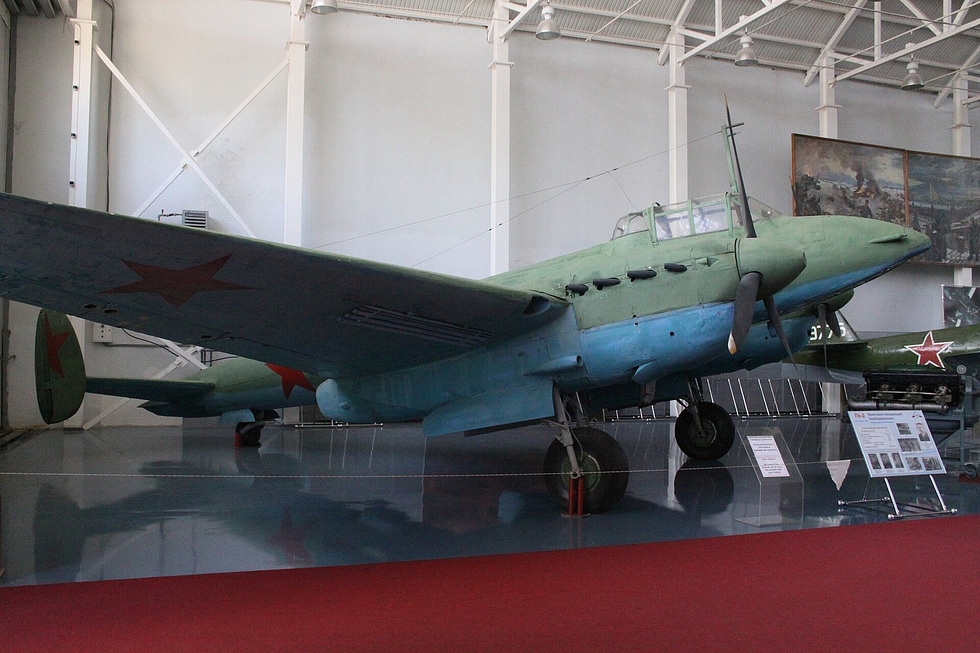
The Pe-2 was built to dive-bomb accurately and get away quickly. Slatted, perforated dive brakes under the wings let it enter a steep dive under control, and an automated system helped manage the dive and pull-out. With a top speed of roughly 540 km/h, it was fast enough that intercepting it was difficult — a bomber that could sometimes outrun the fighters sent after it.
Born a high-altitude fighter
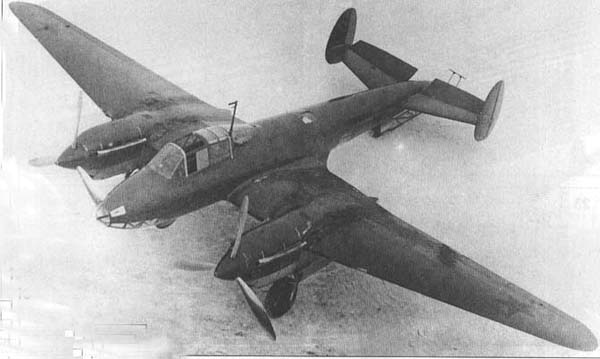
Before it was a bomber it was the VI-100, a pressurised twin-engine high-altitude fighter first flown in December 1939. When Soviet leaders demanded a dive bomber in mid-1940, the fighter was reworked in a matter of weeks — a rare case of a front-line bomber that started life as an interceptor and kept the clean, fighter-like lines to show for it.
Built in huge numbers — and a fighter spin-off
について 11,400 Pe-2s were built between 1940 and 1945, making it the most-produced Soviet bomber of the war and, at its peak, the bulk of the Soviet twin-engine bomber force. The same airframe was developed into the Pe-3, a long-range heavy and night fighter — the fighter idea returning, in a way, to where the design began.
02The Pe-2’s dive-bombing system: brakes, a glazed nose and an automated pull-out
Accurate dive bombing demands a stable, controllable dive and a reliable recovery — the aircraft plunges toward the target, releases, and must pull out before the ground. The Pe-2 used perforated air brakes that extended from under the wings to hold the dive at a safe speed, together with a glazed nose position for the bombardier. Contemporary accounts credit it with an automatic dive-and-recovery aid to help the crew avoid over-speeding or pulling out too late. In practice many Pe-2 sorties were flown as fast level bombing rather than steep dives, but the dive-bomber pedigree shaped the airframe.
03The Pe-2 and the Pe-3: how one design became both bomber and fighter
Because the Pe-2 was fast and clean, it lent itself to a fighter conversion. The Pe-3 replaced the bomb-aimer’s station with a heavier forward-firing gun battery to create a twin-engine long-range and night fighter, used for tasks such as reconnaissance escort and interception. It was never built in Pe-2 numbers, but it closed a curious loop: a design that began as a high-altitude fighter, became the Soviet Union’s standard dive bomber, and then spun back off into a fighter again.
Full Petlyakov Pe-2 specifications
Airframe & Performance
- クルー
- 3 (pilot, navigator/bombardier, radio-operator/gunner)
- 長さ
- ~12.66 m
- 翼幅
- ~17.16 m
- 身長
- ~3.5 m
- 空虚重量
- ~5,870 kg
- Max takeoff weight
- ~7,700 kg (up to ~8,500 kg)
- Max speed
- ~540 km/h (up to ~580 km/h, later variants)
- サービス天井
- ~8,800 m
- 範囲
- ~1,160 km
Propulsion, Load & Programme
- Engines
- 2 × Klimov M-105 (VK-105) V-12
- Power (each)
- ~1,100–1,210 hp
- Bomb load
- ~1,000 kg (max ~1,600 kg)
- Defensive guns
- ShKAS & UB machine guns
- First flight
- VI-100: Dec 1939 · Pe-2: Dec 1940
- Built
- ~11,400 (1940–1945)
- Unit cost
- No reliable public figure (Soviet state product)
- Cost per flight hour
- No reliable public figure
04The Pe-2’s cost: why no reliable dollar price exists
The Pe-2 was a wartime Soviet state product, built to plan rather than sold on an open market, so there is no meaningful flyaway unit price or cost-per-flight-hour figure in the public record. What is well documented is the scale: production of roughly 11,400 aircraft over five years made it, by output, one of the most cost-effective ways the Soviet Union could put a fast twin-engine bomber over the front. Any precise dollar cost attached to a Pe-2 should be treated as an estimate, not a sourced figure.
The Petlyakov Pe-2 through the war and after
Petlyakov arrested
Designer Vladimir Petlyakov is caught up in Stalin’s purges and set to work in an NKVD prison design bureau.
VI-100 first flight
The pressurised high-altitude fighter that would become the Pe-2 first flies on 22 December.
Reworked into a dive bomber
Impressed by German Stukas, Soviet leaders order the design converted; the Pe-2 production prototype flies in December.
Enters service
The Pe-2 reaches front-line units and is in action from the German invasion of the USSR in June.
Petlyakov is killed
On 12 January, Vladimir Petlyakov dies in the crash of a Pe-2 while flying to Moscow.
The 587th enters combat
The women-organised 587th Bomber Aviation Regiment, raised by Marina Raskova, flies its Pe-2s into action and later earns Guards status.
Backbone to Berlin
The Pe-2 serves as the Soviet Union’s standard front-line bomber through to victory in Europe.
Foreign service
Poland, Czechoslovakia, China, Bulgaria and Yugoslavia operate Pe-2s after the war before the type is retired in the 1950s.
Twelve stories of the Petlyakov Pe-2
The bomber designed in a prison
Vladimir Petlyakov led the design while imprisoned in an NKVD “sharashka” bureau.
Read the full story
It began as the VI-100
Before it was a bomber, the design was a pressurised high-altitude fighter.
Read the full story
Reworked in weeks, not years
After the fall of France, the fighter was ordered turned into a dive bomber.
Read the full story
Dive brakes and a glazed nose
Perforated air brakes and an automated pull-out aid defined its dive-bombing role.
Read the full story
Hard to intercept
For a bomber, the Pe-2 was fast — sometimes faster than its pursuers at low level.
Read the full story
Why “Peshka”
Soviet crews nicknamed the Pe-2 the “little pawn.”
Read the full story
The designer’s death
Vladimir Petlyakov was killed in a Pe-2 crash in January 1942.
Read the full story
The 587th Regiment
Marina Raskova raised a women-organised regiment that flew Pe-2s — distinct from the “Night Witches.”
Read the full story
More than any other Soviet bomber
About 11,400 were built — the most of any Soviet bomber of the war.
Read the full story
The Pe-3 fighter
The same airframe became a twin-engine heavy and night fighter.
Read the full story
Postwar operators
Several countries flew the Pe-2 after 1945.
Read the full story
The backbone bomber
The Pe-2 anchored the Soviet bomber effort from 1941 to 1945.
Read the full story
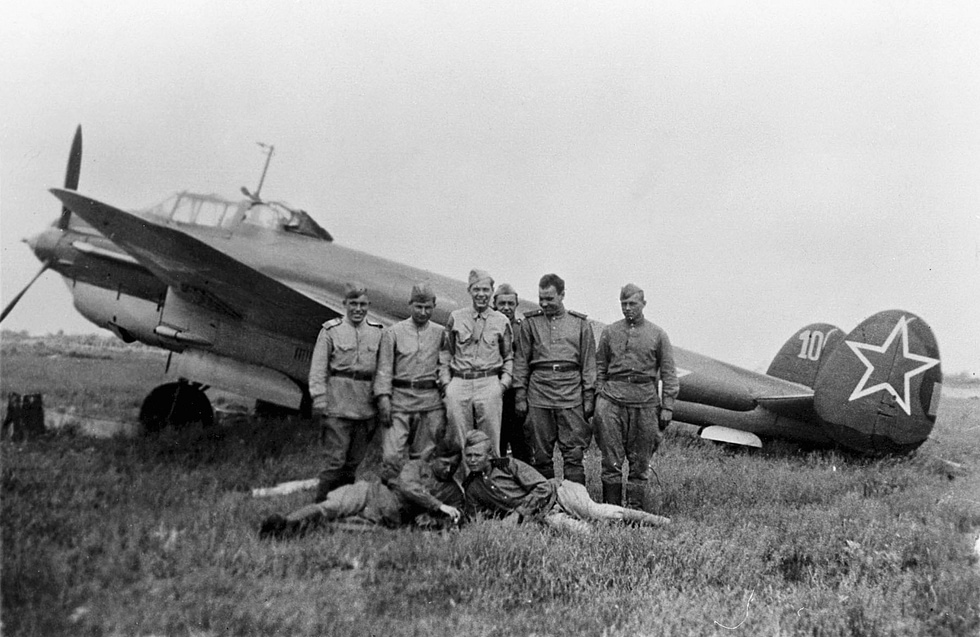
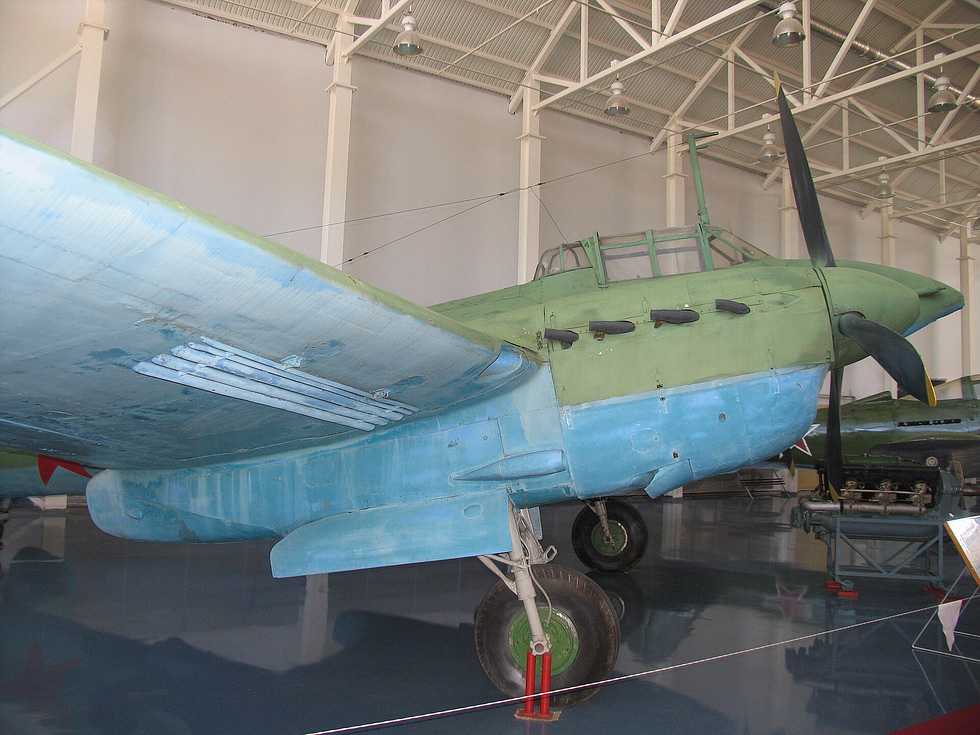
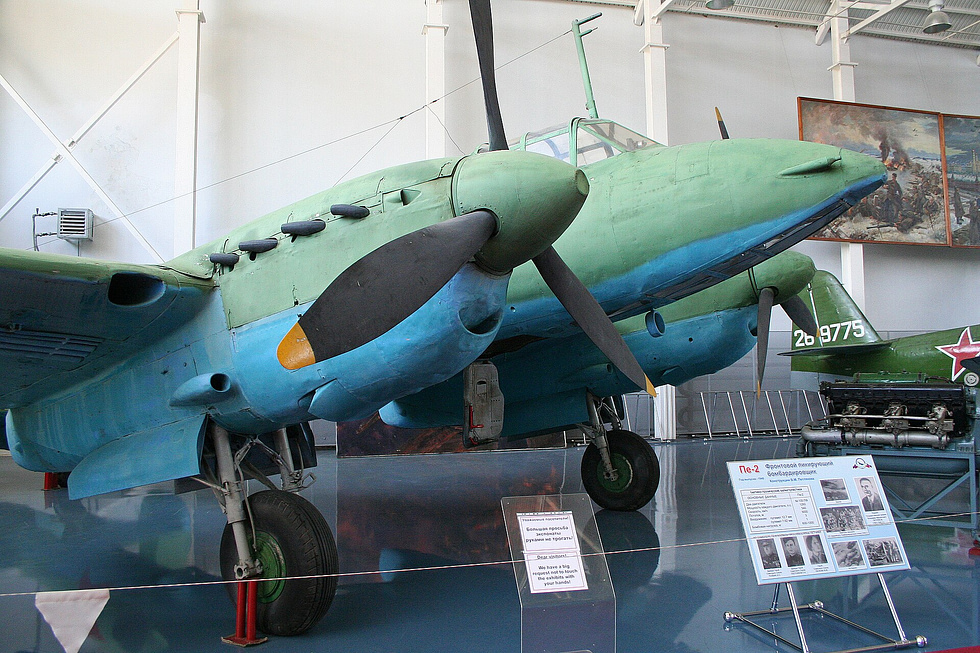
The Petlyakov Pe-2 in pictures
The Petlyakov Pe-2 in motion
A verified, high-authority video feature for the Pe-2 is still being sourced. Video coming soon.
Where the Petlyakov Pe-2 flew
The Pe-2’s place in the war
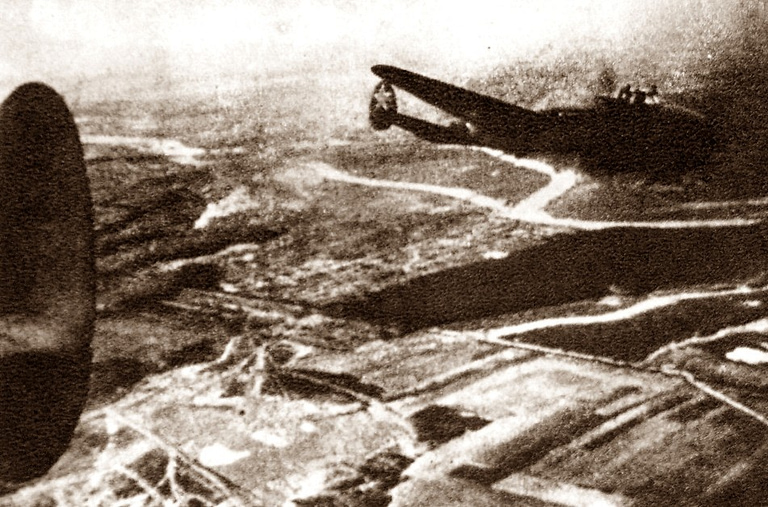
The Pe-2’s significance is measured less in individual duels than in scale and endurance: it was the Soviet Union’s standard front-line bomber for four years, flown on every major front by thousands of crews. Its speed made it hard to intercept, and its numbers made it indispensable.
Compare the combat record of every military aircraft. Figures as of 2026.
Everything people ask about the Petlyakov Pe-2
Can I fly in a Pe-2?
How fast was the Petlyakov Pe-2?
Why was the Pe-2 designed in a prison?
Did women fly the Pe-2? Was it the “Night Witches”?
How many Pe-2s were built?
Who flew the Pe-2 after the war?
Are any Pe-2s left today?
You can’t fly the Pe-2.
These, you can.
Some legends only live in museums — others are fuelled and waiting. MiGFlug has put civilians in real military jet cockpits since 2004.
 Fly the L-39 AlbatrosThe world’s most-flown jet trainer — aerobatics included
 Fly the F-104 Starfighter“The missile with a man in it”
 Fly the MiG-21The Cold War’s most-produced jet
 T-33シューティングスターを操縦しようAmerica’s first jet trainer
 Fly the DH VampireA piece of early jet history
 Fly the S.211Agile Italian jet trainer
 Fly the MB-326The classic Aermacchi jet
 Fly the MiG-15The Soviet legend of the Korean War
Continue the tour
Every fact, checked
- World War II Database — Pe-2 PeshkaSpecifications, the sharashka origin and the 45-day conversion story.
- Wing Web — The Petlyakov Pe-2VI-100 origins, dive brakes and Petlyakov’s fatal 1942 crash.
- Wright Museum of WWII — The 587th Bomber Aviation RegimentThe women-organised Pe-2 regiment and its Guards designation.
- Defense Media Network — Soviet Female AviatorsDistinguishing the 587th Pe-2 unit from the Po-2 “Night Witches.”
- The Aviation Geek Club — Petlyakov Pe-2The Pe-2 as the backbone of the Soviet light-bomber force.
- Military Factory — Petlyakov Pe-2Production figures, variants and the Pe-3 heavy-fighter derivative.
- WW2 Weapons — Pe-2Engine, performance and service data for the type.
- Imperial War MuseumsGeneral reference on Eastern Front air operations and Soviet aircraft.