
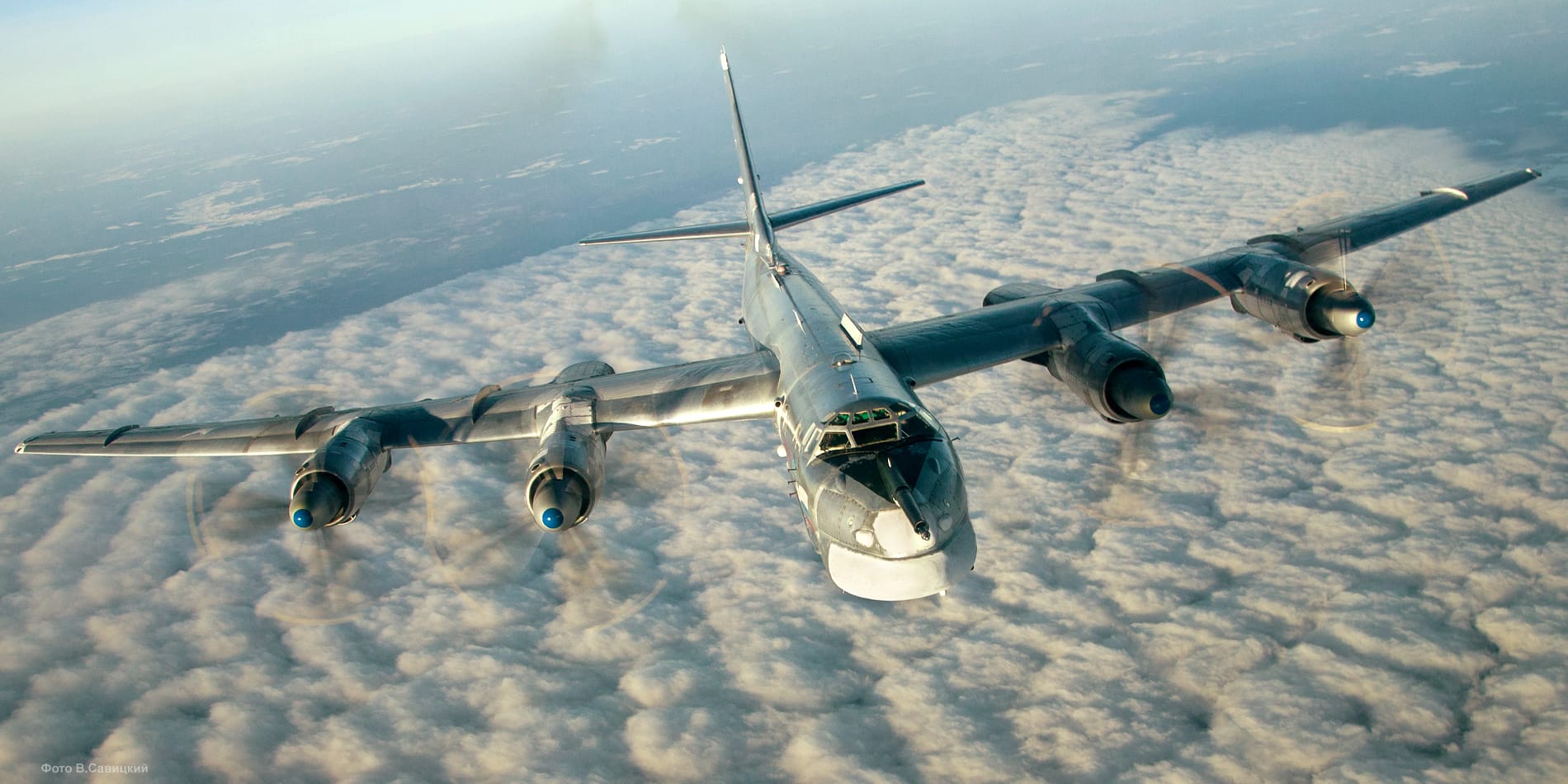
It reads like the plot of a heist film. Smuggle swarms of attack drones thousands of kilometres into the enemy’s heartland, hidden inside ordinary cargo trucks. Park them, unremarked, beside the most valuable aircraft in the arsenal. Then, at a chosen moment, slide back the roofs and let the drones fly. On June 1, 2025, Ukraine pulled it off for real.
It was called Operation Spiderweb, and it rewrote the rules of what a drone can reach.
Quick Facts
- Operation: Spiderweb (Pavutyna), June 1, 2025, by Ukraine’s Security Service (SBU)
- The method: 117 FPV drones smuggled deep into Russia hidden in the roofs of trucks, then launched near five airbases
- The targets: Russian strategic bombers (Tu-95, Tu-22M3) and A-50 radar planes, some over 4,000 km from Ukraine
- The toll: Ukraine claimed 41 aircraft hit; independent and U.S. assessments put it lower, with roughly 10–13 destroyed; about $7 billion in damage
- The prep: around 18 months in planning
Drones in a Box
The genius of Spiderweb was its sheer audacity. Ukraine’s SBU concealed 117 small first-person-view drones inside modified wooden cabins built onto flatbed trucks. Over many months, the trucks were driven deep into Russia by hauliers who, by all accounts, had no idea what they were carrying. When the trucks were in position near five airbases — including Belaya, thousands of kilometres away in Siberia — the roof panels were opened remotely and the drones rose into the sky, flying pre-planned routes straight to their targets. Ukraine says the plot took about a year and a half to prepare.
Hitting the Untouchable
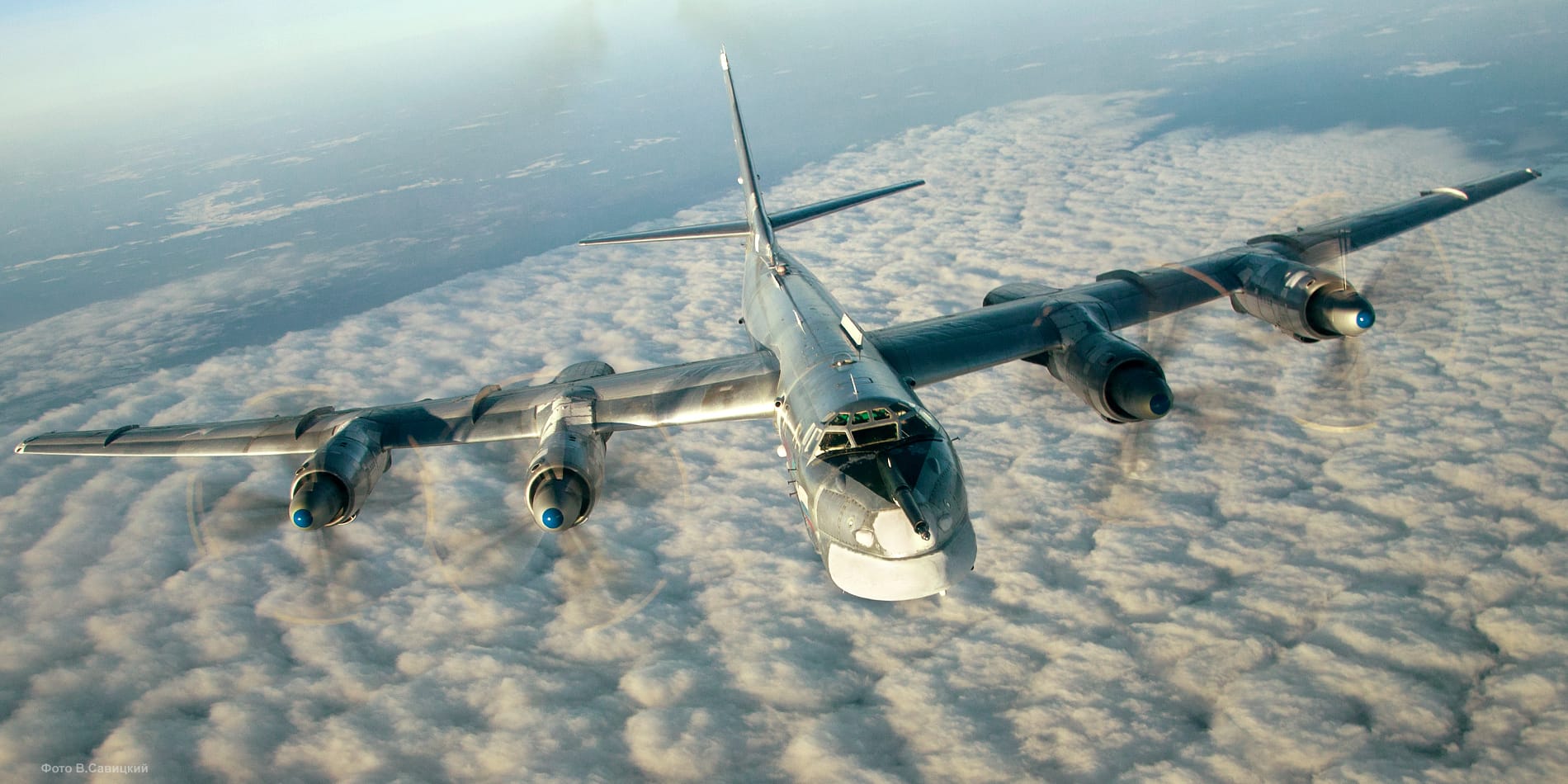
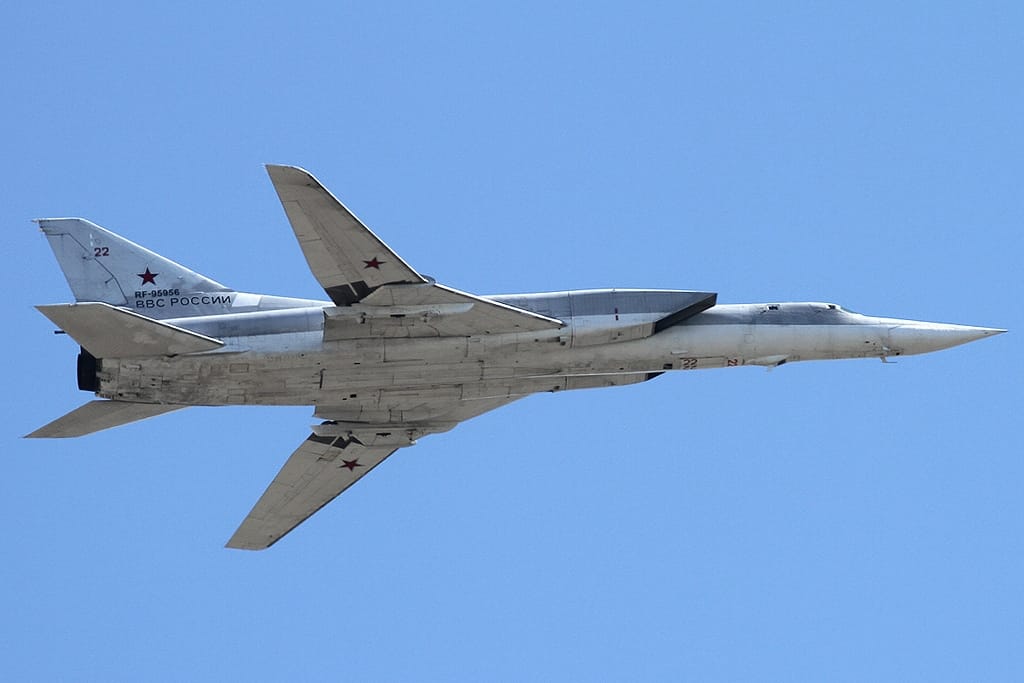
The drones went for the crown jewels of Russia’s long-range aviation: Tu-95 and Tu-22M3 strategic bombers — the very aircraft that hurl cruise missiles at Ukrainian cities — along with rare A-50 radar planes. These were parked far from the front, on bases their crews assumed were untouchable. That assumption is what Spiderweb destroyed.
How Many, Really?
The exact toll is disputed, and worth stating carefully. Ukraine’s SBU claimed 41 aircraft were hit, and President Zelensky said the strike took out 34% of Russia’s strategic cruise-missile carriers. Ukraine’s national security council put confirmed destroyed at “at least 13.” Independent and U.S. assessments were more conservative — on the order of 10 to 20 aircraft hit, with around 10 destroyed. Even at the low end, with damage estimated near $7 billion and the Tu-95 no longer in production, the losses are effectively irreplaceable.
A New Kind of War
Beyond the numbers, Spiderweb delivered a strategic shock. It proved that cheap drones and patient deception can reach the most heavily defended assets anywhere on a map — that an airbase deep in the rear is no longer a safe place to park a billion-dollar bomber. Months later, the SBU released the full footage of the raid, a reminder of just how completely the geography of air power has changed.
Sources: Security Service of Ukraine; Kyiv Independent; The War Zone; CSIS; Newsweek.


 English
0 Comments