

It was a bright, ordinary afternoon in Florida. At about two o’clock on 5 December 1945, five Grumman Avenger torpedo bombers rumbled off the runway at Naval Air Station Fort Lauderdale on a routine navigation exercise. Fourteen men, a clear sky, a familiar patch of ocean. They never came back.
By the time the sun went down, all five aircraft had vanished without a trace — and so had the seaplane sent to find them, with thirteen more men aboard. Twenty-seven lives gone in a single evening, and not one body or aircraft ever recovered. This is Flight 19, the loss that gave the Bermuda Triangle its legend.
QUICK FACTS
| When | 5 December 1945, afternoon |
| Flight | Five Grumman TBM Avenger torpedo bombers |
| From | Naval Air Station Fort Lauderdale, Florida |
| Leader | Lt. Charles C. Taylor, a Pacific combat veteran |
| Lost | All 14 aircrew — plus 13 more on the search plane |
| Legacy | The disappearance that launched the Bermuda Triangle legend |
A routine flight goes wrong
The flight was led by Lieutenant Charles Taylor, an experienced aviator with around 2,500 hours and a Pacific combat tour behind him. His pilots were trainees, with only a few hundred hours each. The plan was simple: fly east over the Atlantic, run a practice bombing leg, and navigate home.
Then Taylor’s compasses failed. Somewhere over the scattered islands of the Bahamas, he became convinced he was over the Florida Keys instead — far to the south-west of his true position. Believing he had to fly north and east to reach the mainland, he led the formation in exactly the wrong direction: out, into the open ocean, away from land.
Lost in the dark
Ground stations could hear the flight’s radio chatter growing more anxious as the afternoon wore on. Taylor, sure his instruments were lying to him, overruled his own trainees — some of whom suspected they should turn the other way. As fuel ran low and a winter storm churned the sea below, the transmissions faded. The Avengers almost certainly ran their tanks dry and ditched into heavy seas somewhere north of the Bahamas, where a torpedo bomber sinks in seconds.
The rescue plane that also vanished
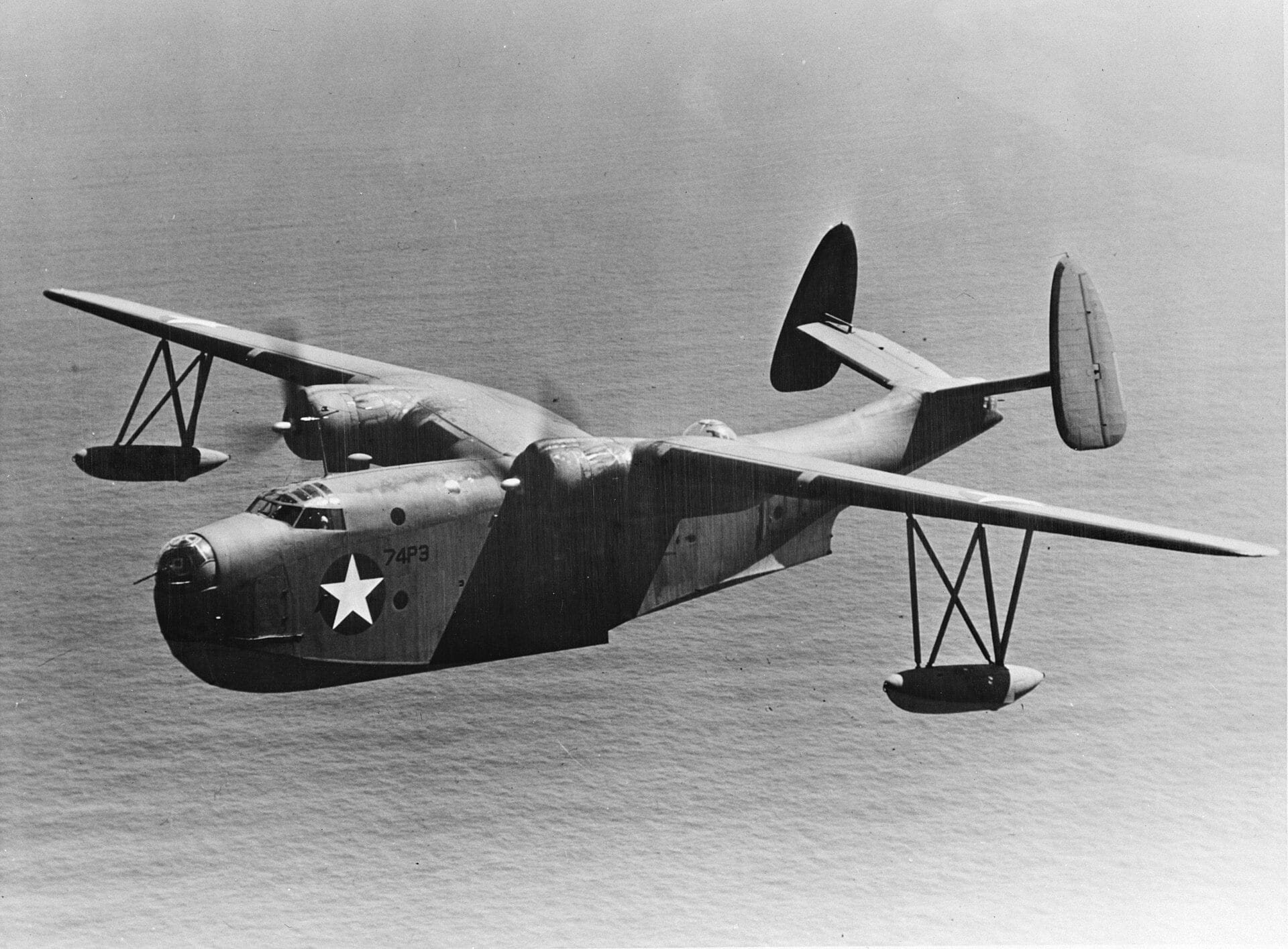
What turned a tragedy into a mystery was what happened next. A Martin PBM Mariner flying boat launched from Naval Air Station Banana River to search for the lost flight. It radioed once, then went silent. It was never seen again, and all thirteen crew were lost.
The Mariner was not bewitched. The big flying boat had a grim nickname — the “flying gas tank” — for its habit of accumulating fuel vapour, and a passing merchant ship reported seeing a fireball in the sky and an oil slick on the water at about the right time and place. The most likely explanation is the least mysterious one: it blew up.
How a tragedy became a legend
The Navy’s investigators first blamed Taylor’s navigation, then quietly amended the verdict to “cause unknown” — partly out of respect for his grieving mother, who could not accept that her son had been at fault. That phrase, “cause unknown,” did the rest. With no wreckage, no bodies and an official shrug, the door swung open for decades of speculation about magnetic anomalies, time warps and worse.
The truth is quieter and far more human: a failed compass, a stubborn turn, a gathering storm, and a stretch of ocean that does not give its dead back. Twenty-seven men flew into an ordinary December evening and into a legend they never asked to start.
Sources: U.S. Naval History and Heritage Command; Smithsonian Magazine; HISTORY; NAS Fort Lauderdale Museum; BBC.
Related Questions
What was Flight 19?
Flight 19 was a group of five U.S. Navy Grumman TBM Avenger torpedo bombers that vanished off Florida on 5 December 1945 during a routine navigation exercise. All 14 aircrew were lost, along with 13 more men on a seaplane sent to search for them — 27 lives in a single evening.
What happened to Flight 19?
The flight became disoriented. Its leader, Lt. Charles Taylor, believed his compass was faulty and led the formation the wrong way over the Atlantic. As fuel ran low and a winter storm rose, the Avengers almost certainly ditched into heavy seas north of the Bahamas, where a torpedo bomber sinks in seconds.
Did Flight 19 disappear in the Bermuda Triangle?
Yes — Flight 19's loss is the event that launched the Bermuda Triangle legend. But the disappearance has a mundane explanation: navigational confusion, low fuel and rough seas, not anything supernatural.
Why did the rescue plane also vanish?
A Martin PBM Mariner flying boat sent to search for Flight 19 radioed once and was never seen again. The Mariner was nicknamed the flying gas tank for accumulating fuel vapour, and a passing merchant ship reported seeing a fireball in the sky — it almost certainly exploded in mid-air.
How many people died in the Flight 19 incident?
Twenty-seven men in total: 14 aircrew aboard the five Avengers and 13 more on the PBM Mariner rescue plane. Not a single body or aircraft was ever recovered.
What really caused the loss of Flight 19?
The likely cause was navigational error compounded by worsening weather. The flight leader became convinced his instruments were wrong and overruled trainees who suspected the correct heading, leading the formation away from land until the aircraft ran out of fuel and ditched at sea.
0 Comments