
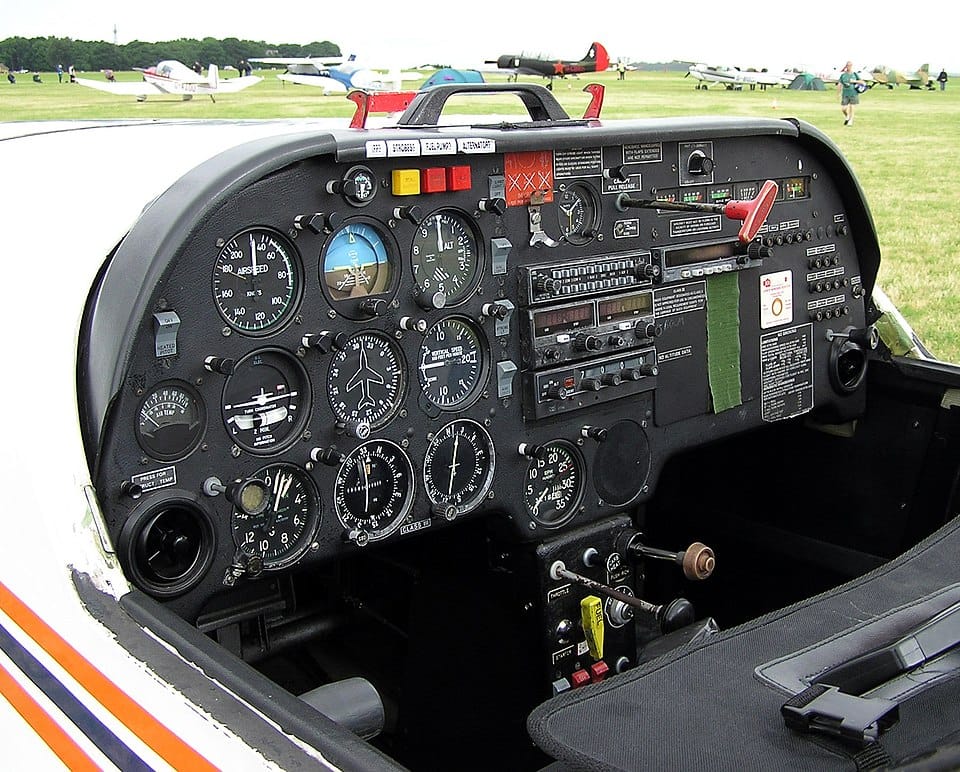
Every flight that takes off anywhere in the world operates under one of two sets of rules: Visual Flight Rules (VFR) or Instrument Flight Rules (IFR). For passengers, this distinction is invisible. For pilots, it changes everything — from how they navigate to how they communicate with air traffic control to whether they can even legally take off.
The difference between VFR and IFR is not just a technicality. It is the foundation of how airspace is organized, how pilots are trained, and how millions of flights safely share the sky. Understanding these two systems reveals the invisible architecture that makes modern aviation possible.
Quick Facts
- VFR = Visual Flight Rules: pilot navigates primarily by looking outside
- IFR = Instrument Flight Rules: pilot navigates using cockpit instruments and ATC guidance
- All airline flights operate under IFR, regardless of weather
- VFR requires minimum visibility of 3 statute miles in controlled airspace (US)
- IFR pilots must hold an instrument rating beyond their pilot certificate
- Military fighters typically operate under special military IFR procedures
Why Airlines Always Fly IFR
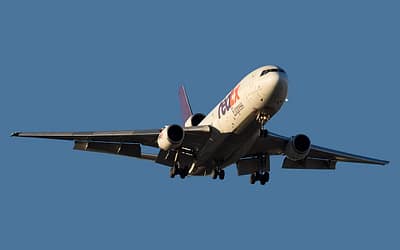
Every commercial airline flight in the world operates under IFR, even on perfectly clear days. This is not just regulation — it is practical necessity. IFR provides the structured environment that allows hundreds of aircraft to operate safely in the same airspace simultaneously.
Under IFR, ATC knows exactly where every aircraft is, where it is going, and at what altitude. Separation is guaranteed by the system. Under VFR, separation depends on pilots seeing each other — a method that works with a few aircraft in uncrowded skies, but becomes unworkable in dense traffic around major airports.
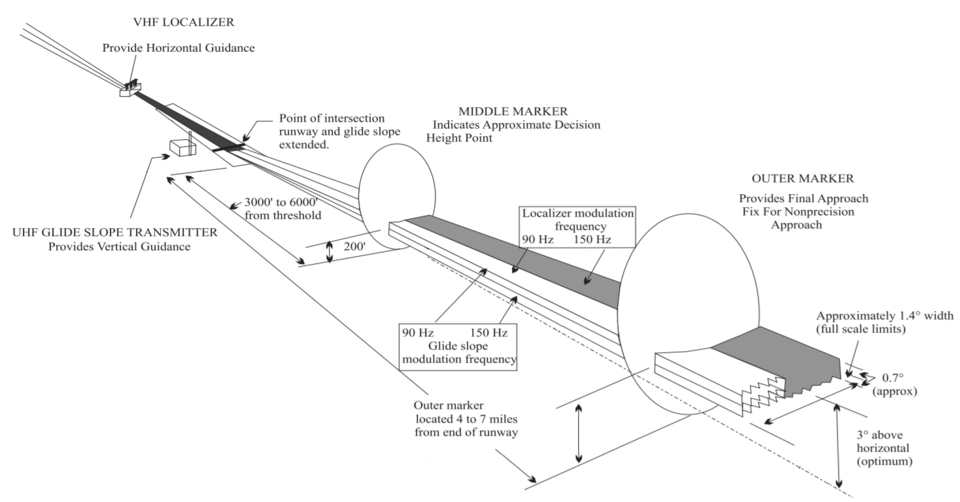
IFR also provides weather resilience. An airline operating VFR would have to cancel flights every time clouds dropped below minimum heights. Under IFR, aircraft can descend through cloud layers on precision approaches, landing in conditions where visibility may be less than half a mile.
Military and Fighter Operations
Military aviation adds another layer of complexity. Fighter jets typically operate under special military IFR procedures that give them more flexibility than civilian IFR, but more structure than civilian VFR. In combat, standard IFR rules obviously do not apply. But training flights, transits, and peacetime operations follow strict instrument procedures.
At MiGFlug, our fighter jet experience flights operate under the rules applicable to each aircraft and airspace. Military training areas have their own regulations, and our pilots — all active or recently retired military aviators — are qualified to the highest instrument standards in their respective air forces.
MVFR, LIFR, and the Gray Zones
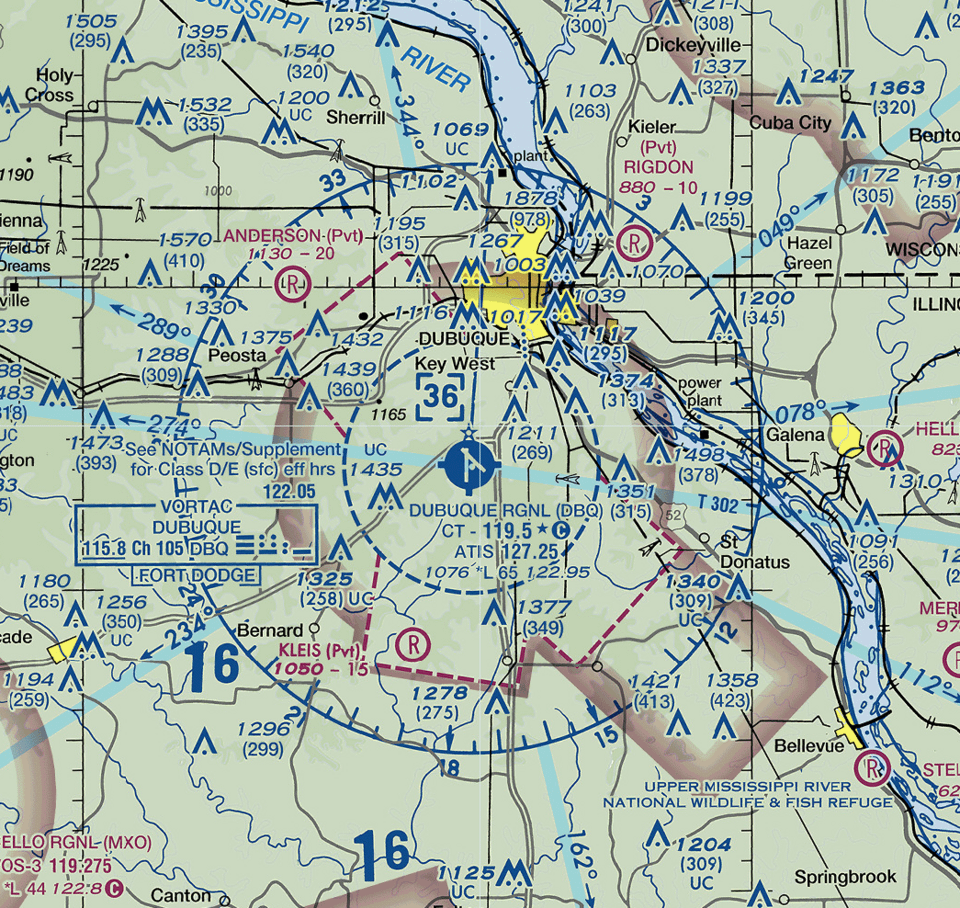
Weather does not switch neatly between VFR and IFR conditions. Aviation recognizes several intermediate categories. Marginal VFR (MVFR) means conditions are legal for VFR but deteriorating — visibility between 3 and 5 miles, or ceilings between 1,000 and 3,000 feet. Low IFR (LIFR) means ceilings below 500 feet and/or visibility under 1 statute mile — conditions that demand the highest level of instrument equipment and proficiency.
These gray zones are where the most dangerous decisions happen. A VFR pilot looking at MVFR conditions must decide: is it safe to go, or should they wait? Statistically, the decision to press on into deteriorating weather is one of general aviation's leading killers. The solution is straightforward — get that instrument rating, file IFR, and take the weather out of the equation.
Sources
- FAA Aeronautical Information Manual (AIM), Chapter 5: Air Traffic Procedures
- 14 CFR Part 91: General Operating and Flight Rules
- FAA Instrument Rating Airman Certification Standards (ACS)
- AOPA Air Safety Institute: VFR into IMC Accident Analysis
Related Questions
What is the difference between IFR and VFR?
VFR (Visual Flight Rules) means the pilot navigates primarily by looking outside and "seeing and avoiding" other traffic, while IFR (Instrument Flight Rules) means flying using cockpit instruments and air traffic control guidance. The choice shapes navigation, communication and whether a flight can legally depart.
Do airline flights use IFR or VFR?
All airline flights operate under Instrument Flight Rules (IFR), regardless of weather. Flying IFR keeps aircraft within a structured system of ATC clearances and instrument procedures, allowing safe operation in cloud, at night and in busy airspace where seeing-and-avoiding alone would be unsafe.
What are the weather minimums for VFR flight?
VFR flight requires a minimum visibility — generally 3 statute miles in much controlled airspace — plus specified distances from cloud, so the pilot can see and avoid other traffic and terrain. When weather drops below these minimums, pilots must fly under IFR or stay on the ground.
Why does the IFR/VFR distinction matter?
It is the foundation of how airspace is organised, how pilots are trained, and how millions of flights safely share the sky. IFR provides structure and ATC oversight for poor visibility and complex airspace, while VFR offers freedom in good weather — coordinated through busy controllers, the source of many memorable radio exchanges.
Can a pilot switch between IFR and VFR during a flight?
Yes. A suitably rated pilot in a properly equipped aircraft can change between VFR and IFR in flight — for example, picking up an IFR clearance before entering cloud. Knowing when to switch is a core skill, much like the trained responses behind handling an in-flight emergency.
0 Comments