
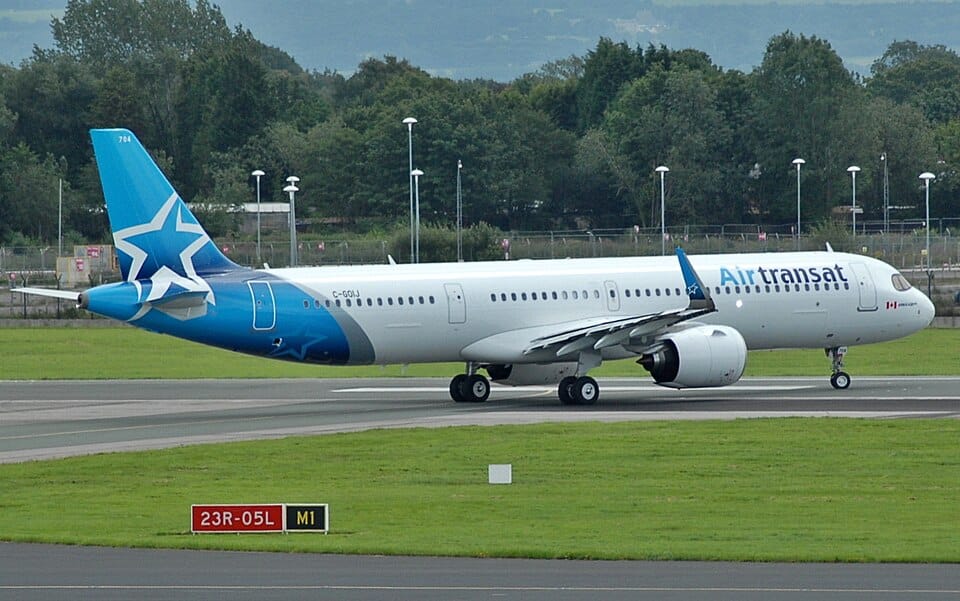
Quick Facts
Airline: Air Transat (Transat A.T.)
Capacity cut: 6% of summer 2026 programme
Flights cancelled: 129 (June 20 – October 25)
Total trips affected: ~1,000 over six months
Routes reduced: Select European and Caribbean frequencies
Cuba: Suspension extended through October 2026
Cause: Aviation fuel crisis linked to Iran conflict and supply volatility
The Fuel Equation
Jet fuel typically represents 25 to 35 percent of an airline’s operating costs. When crude oil prices spike — as they have since military operations in the Persian Gulf disrupted tanker routes and refinery supply chains — the impact on airlines is immediate and brutal. Carriers with fuel hedging programmes (long-term contracts that lock in prices) are partially insulated. Leisure carriers like Air Transat, which often hedge less aggressively than their mainline counterparts, absorb the full shock.
What Gets Cut
Air Transat’s approach is surgical. The 129 cancelled flights target routes where frequency can be reduced without eliminating service entirely. A route that operated four times per week might drop to three. A seasonal destination that was scheduled to launch in late June might be pushed to July. The goal is to reduce fuel burn while preserving the network — giving customers fewer options but not no options. The Cuba suspension is a different story. Transat has been flying Canadians to Cuban beach resorts for decades, and the route was once a core part of the winter programme. But the combination of fuel costs, Cuba’s ongoing economic difficulties, and reduced tourist infrastructure has made the route commercially unviable for the foreseeable future.
A Sector-Wide Problem
Transat is not alone. Airlines across the leisure segment are trimming summer schedules as fuel costs erode margins. European charter carriers, US ultra-low-cost carriers, and Asian budget airlines are all making similar calculations. The difference is that Transat — as a mid-sized Canadian carrier competing against Air Canada’s massive network — has less financial cushion to absorb sustained fuel shocks. For Canadian travellers, the practical impact is higher fares and fewer choices. The flights that remain will carry higher fuel surcharges. The routes that were cut may not return if the fuel crisis persists into 2027. And the dream of a cheap last-minute booking to Lisbon or Cancún is, for the moment, exactly that — a dream priced out of reach by a war thousands of kilometres away. Sources: Global News, BNN Bloomberg, PAX News, Travel and Tour World, Daily HiveRelated Posts

 English
0 Comments