
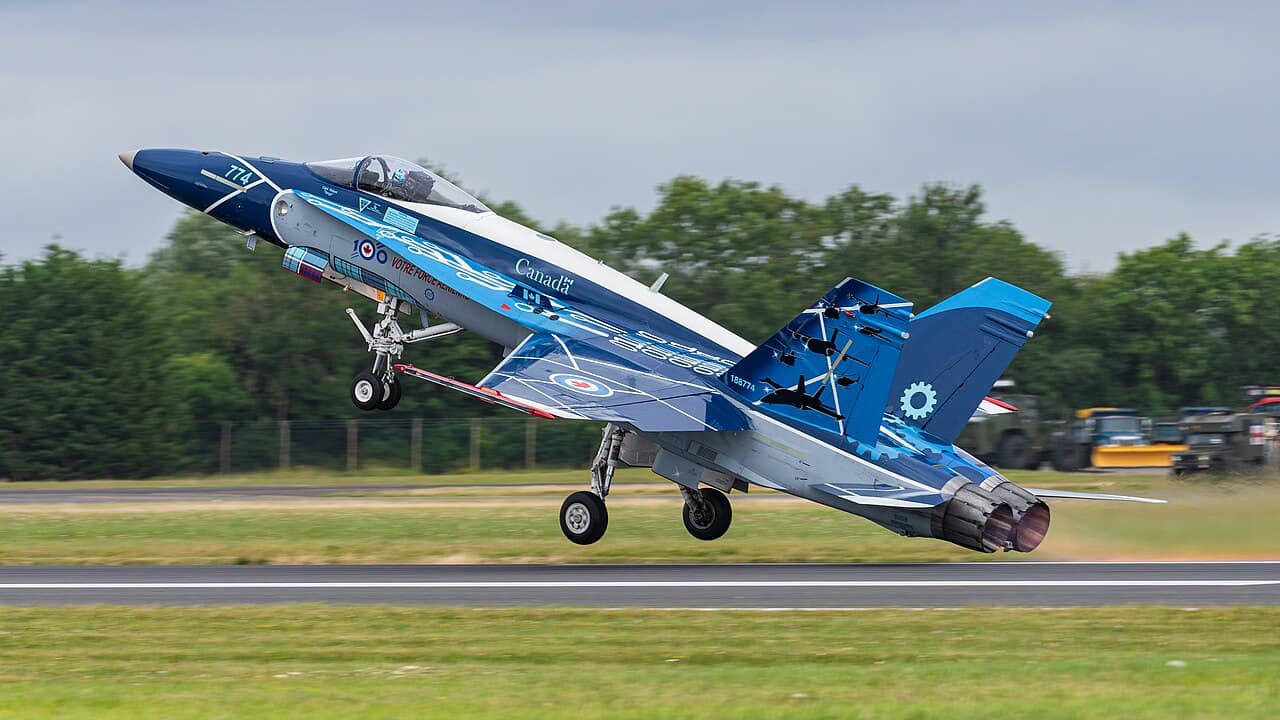
Canada already knows what its next fighter looks like: the F-35A, dozens of which are on order. And yet Ottawa has just reached for a very different aircraft — one being designed in London, Rome and Tokyo. Reporting on July 15 said Canada has agreed to join the Global Combat Air Programme, or GCAP, as an observer, with the formal announcement expected at the Farnborough International Airshow later this month.
It is a small step with a large subtext. Observer status does not commit Canada to buying anything, or to paying a euro of the development bill. What it buys is a look — a front-row seat at the most advanced fighter programme in the Western world, at a moment when Canada is quietly reconsidering how much of its future it wants to place in American hands.
Quick Facts
- Programme: Global Combat Air Programme (GCAP)
- Core partners: United Kingdom, Italy and Japan — equal 33.3% shares each
- Airframe industry: BAE Systems, Leonardo and Mitsubishi Heavy Industries
- Engines: Rolls-Royce, Avio Aero and IHI
- The jet: a crewed sixth-generation, delta-wing fighter teamed with drones; entry into service targeted for 2035
- Canada’s role: observer — access to programme data, with no funding or development commitment
- Expected announcement: Farnborough International Airshow, 20–24 July 2026
- Governance: GCAP International Government Organisation (GIGO), treaty signed December 2023
A Seat, Not a Signature
Observer status is a deliberately narrow door. According to defence reporting, it grants a country controlled access to classified programme information — operational concepts, industrial organisation and selected technical parameters — without financial contribution or any decision-making authority. There are no binding obligations, and a participant can walk away without penalty.
For Ottawa, that is precisely the appeal. It can study the aircraft’s design, its timelines and its industrial model, weigh how it might fit alongside the F-35, and only then decide whether to go further. The role is also a recognised on-ramp: in other multinational fighter projects, observer status has been the first rung toward manufacturing workshare tied to later financial contributions.
Why Ottawa Is Looking East, and Across the Atlantic
The timing is not an accident. Canada has committed to the F-35 and recently chose Norway’s Joint Strike Missile to arm it. But relations with the current U.S. administration have soured over trade and tariffs, and that friction has pushed Ottawa to widen its options. Sweden’s Gripen and the GCAP fighter both promise something Washington has been slower to offer allies: genuine industrial participation and a measure of independence.
The Jet Canada Wants to Watch
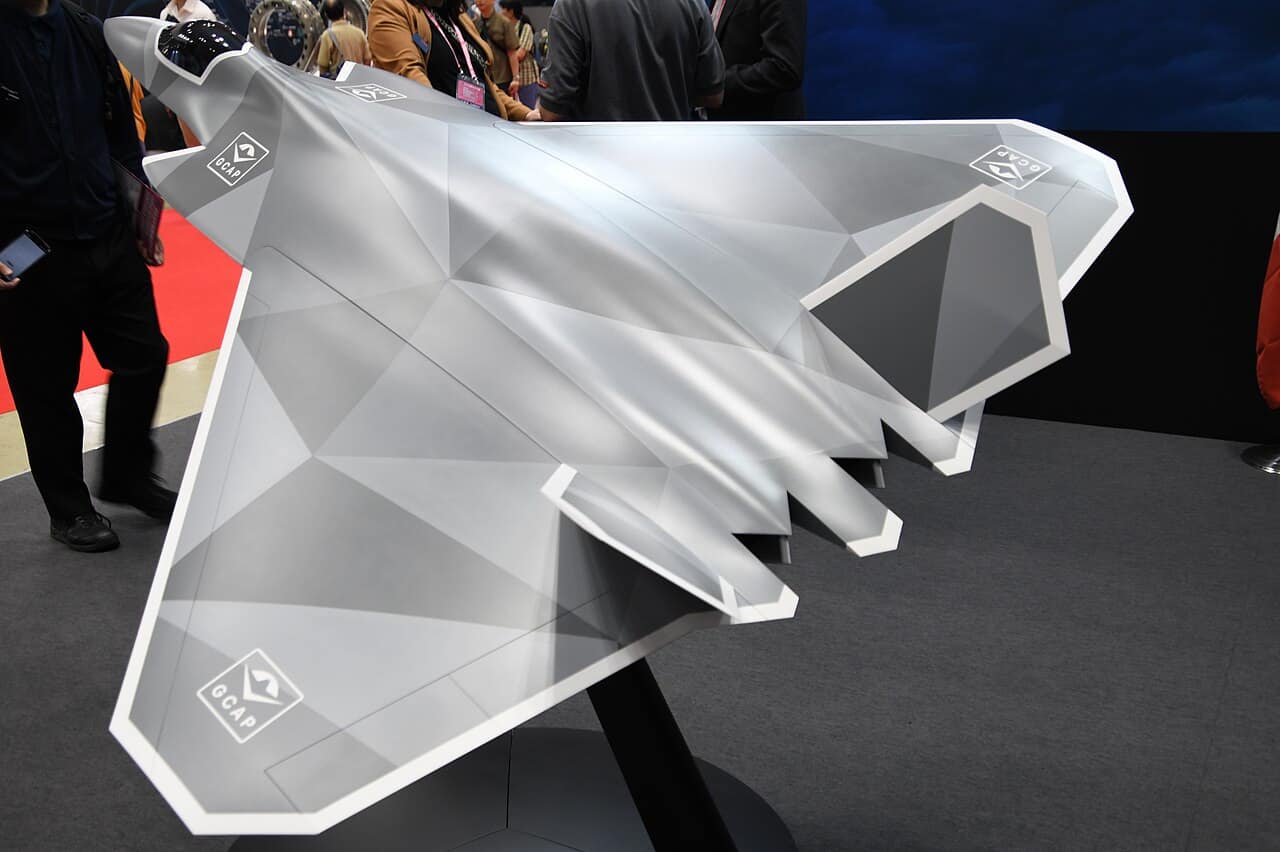
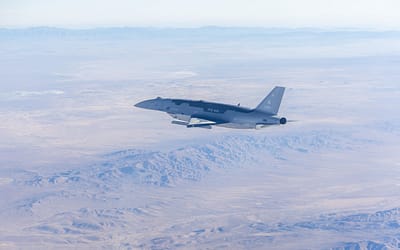
GCAP is the fusion of Britain’s Tempest and Japan’s F-X, launched in December 2022 and run through a treaty-based body, the GCAP International Government Organisation. The airframe is being built by BAE Systems, Leonardo and Mitsubishi Heavy Industries, with engines from Rolls-Royce, Avio Aero and IHI, each of the three nations holding an equal one-third share. The design is a large delta-wing fighter conceived as the crewed heart of a wider system — controlling drones, fusing sensors and sharing data across a combat cloud — with entry into service targeted for 2035.
The programme’s development bill could approach an estimated €60 billion, which is exactly why its founders are courting outside interest: more partners mean more aircraft built and costs spread wider. Australia, India, Saudi Arabia, Poland and Sweden have all been briefed or shown interest. Japan, mindful of its 2035 deadline and its technology security, has been the most cautious about adding full development partners — which is what makes the lighter observer arrangement such a useful compromise.
For now, Canada only gets to watch. But in a world where old alliances suddenly feel provisional, a front-row seat at the West’s most ambitious fighter programme is itself worth the price of admission — especially when the price is nothing at all.
Sources: Asahi Shimbun; CBC News; Breaking Defense; Reuters; The War Zone; Army Recognition.
0 Comments