History & Legends, Military Aviation
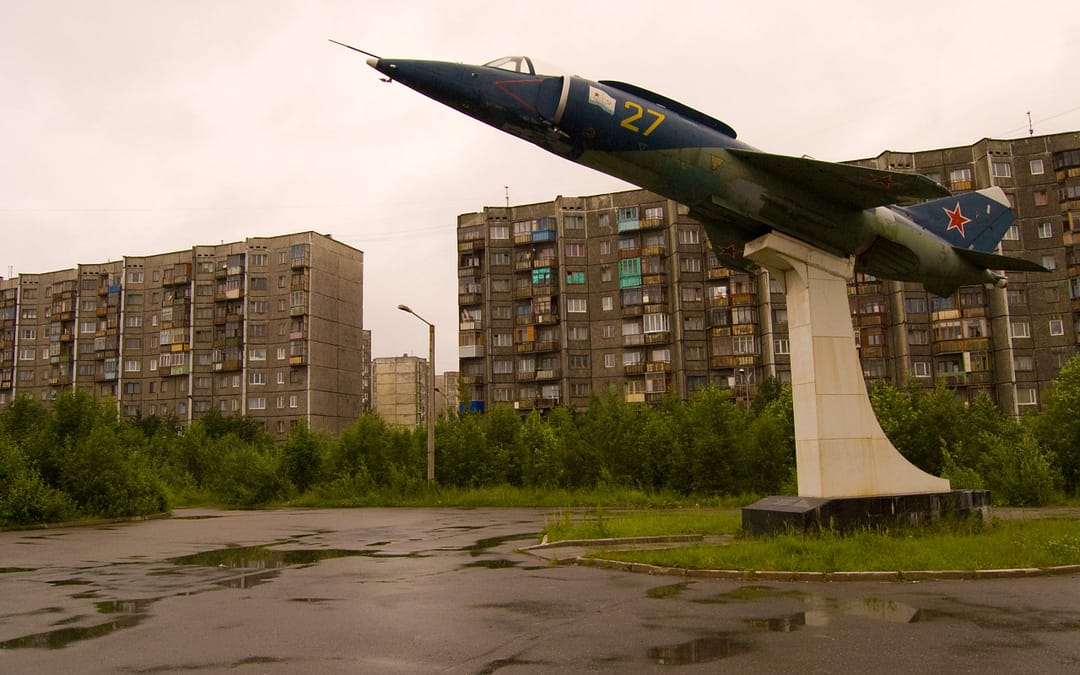
On paper, the Yakovlev Yak-38 looked like Moscow’s answer to the Harrier: a jet that could rise straight off a deck with no catapult, hover, and land vertically. In practice it was one of the most compromised combat aircraft of the Cold War.The Soviet Navy...

History & Legends, Military Aviation
Before dawn on New Year’s Day 1945, while much of the Allied camp slept off its celebrations, hundreds of German fighters lifted off in near-total silence. No radios. Incomplete maps. Pilots who, in many cases, had been told only minutes earlier where they were...
History & Legends, Military Aviation
He was twenty-one, a copper miner’s son from Phoenix with a boxer’s swagger and a habit of ignoring orders. In the last September of the First World War, Second Lieutenant Frank Luke Jr. turned himself into the most feared balloon-hunter in the skies over...
History & Legends, Military Aviation
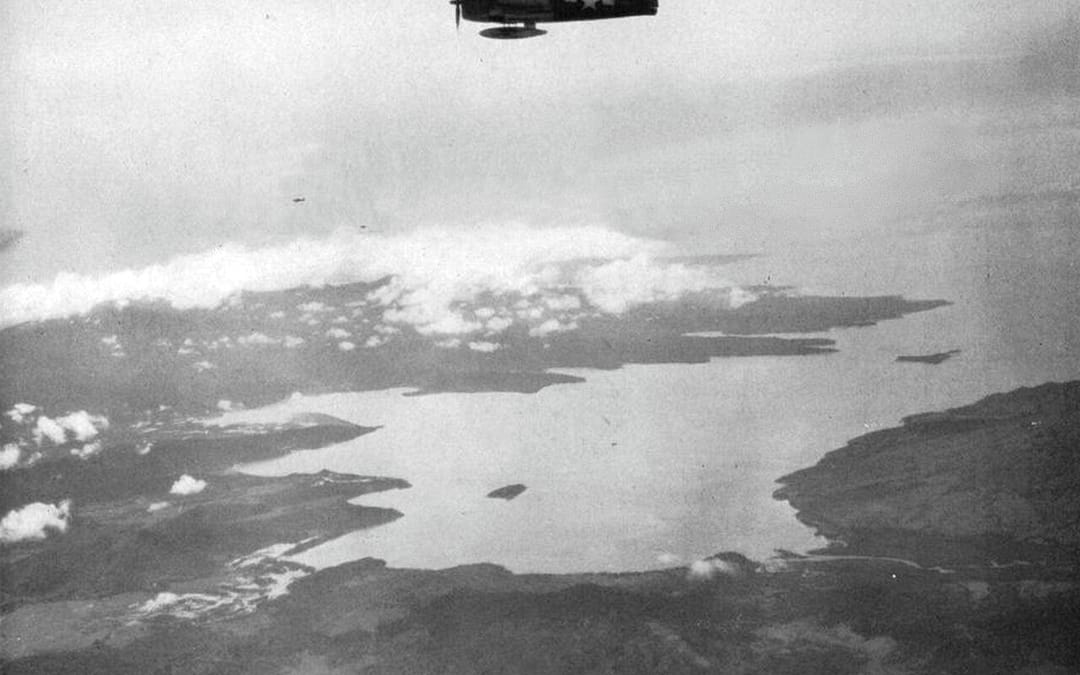
Grumman built the F8F Bearcat around one brutal idea: take the biggest engine America had and wrap the smallest possible aeroplane around it. The result was less a fighter than an engine with a saddle — an 18-cylinder radial hauling a featherweight airframe into...
History & Legends, Military Aviation
On the morning of 21 September 1953, a flight line at Kimpo Air Base watched a swept-wing jet swing onto the approach and took it for one of their own F-86 Sabres. It wasn’t. It was a Soviet-built MiG-15, still wearing North Korean red stars, flown by a...
History & Legends, Military Aviation
On Christmas Eve 1944, American troops dug in near Liège heard something wrong in the sky. Not the familiar growl of piston engines, but a smooth, piercing roar. Sleek aircraft swept overhead, dropped their bombs, and simply accelerated away. No Allied fighter...
History & Legends, Military Aviation
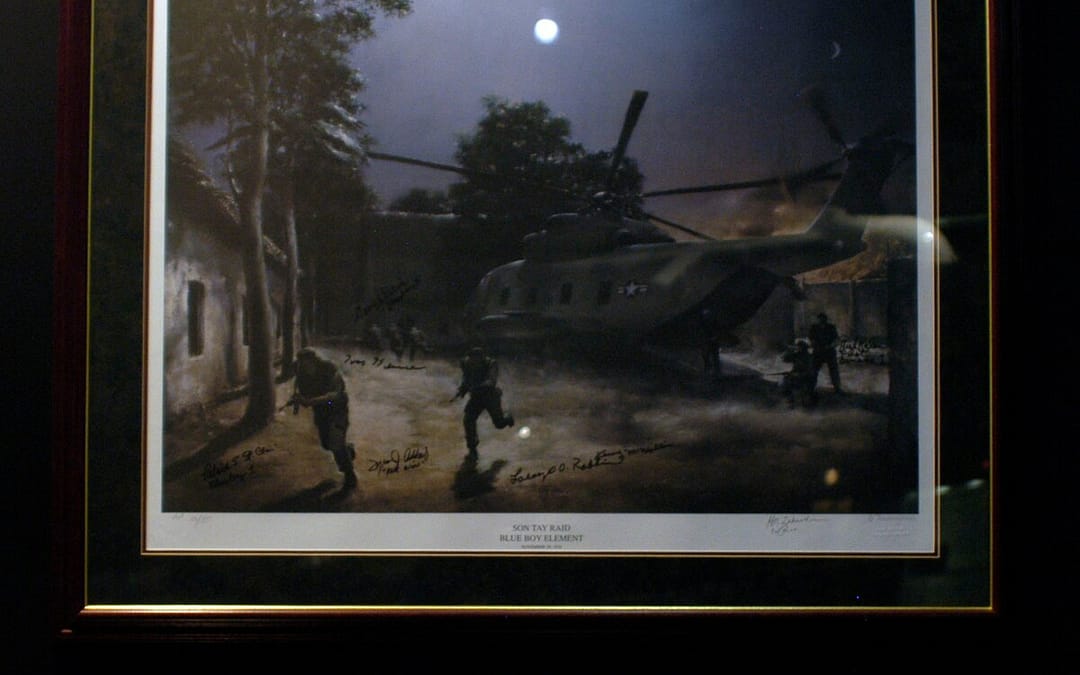
It was the most meticulously rehearsed rescue mission in modern US military history — and it saved nobody. In the pre-dawn dark of 21 November 1970, a joint Army–Air Force strike force punched 23 miles into North Vietnam, straight past Hanoi’s...
History & Legends, Military Aviation
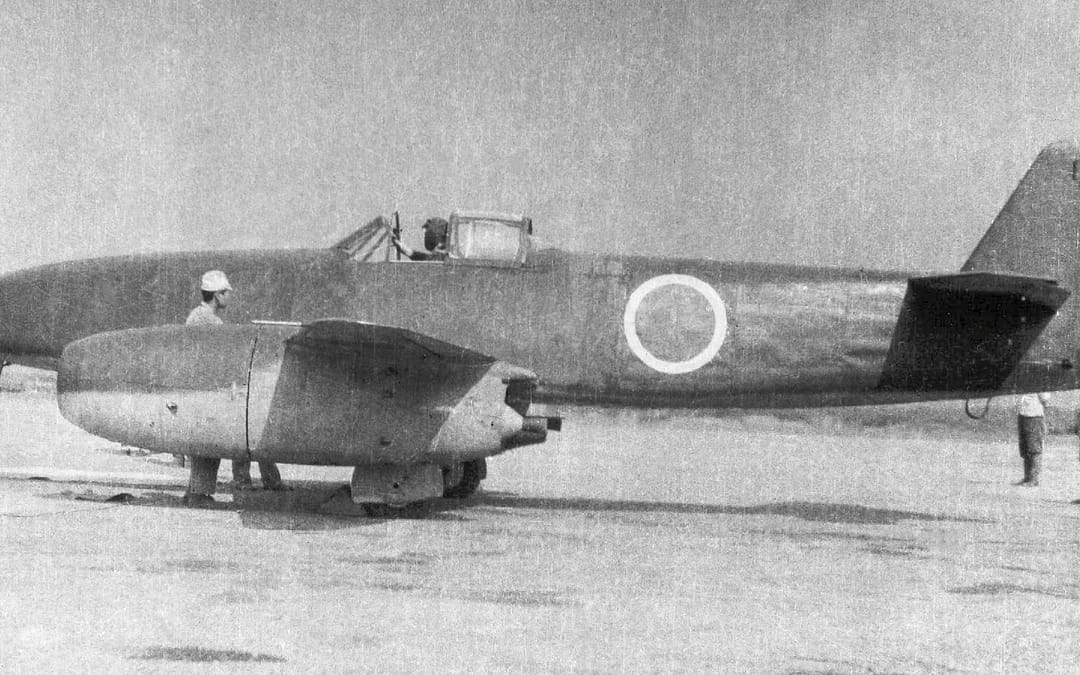
On the morning of 7 August 1945 — the day after Hiroshima — a small, silver twin-jet lifted off the runway at Kisarazu Naval Air Base. For about twenty minutes, Lieutenant Commander Susumu Takaoka flew Japan’s first jet aircraft, the Nakajima Kikka,...
History & Legends, Military Aviation
In the 1930s the Atlantic was aviation’s unconquered ocean. Airships had crossed it, but no commercial heavier-than-air machine could carry paying cargo the whole way in a single hop. The physics was brutally simple: a flying boat heavy enough with fuel to reach...
History & Legends, Military Aviation
For the first year of the Pacific war, the Mitsubishi A6M Zero had a kind of spell over Allied pilots. It turned tighter, climbed better and reached farther than anything the US Navy could put up against it, and the men flying the stubby F4F Wildcat learned to survive...
Aviation World, History & Legends
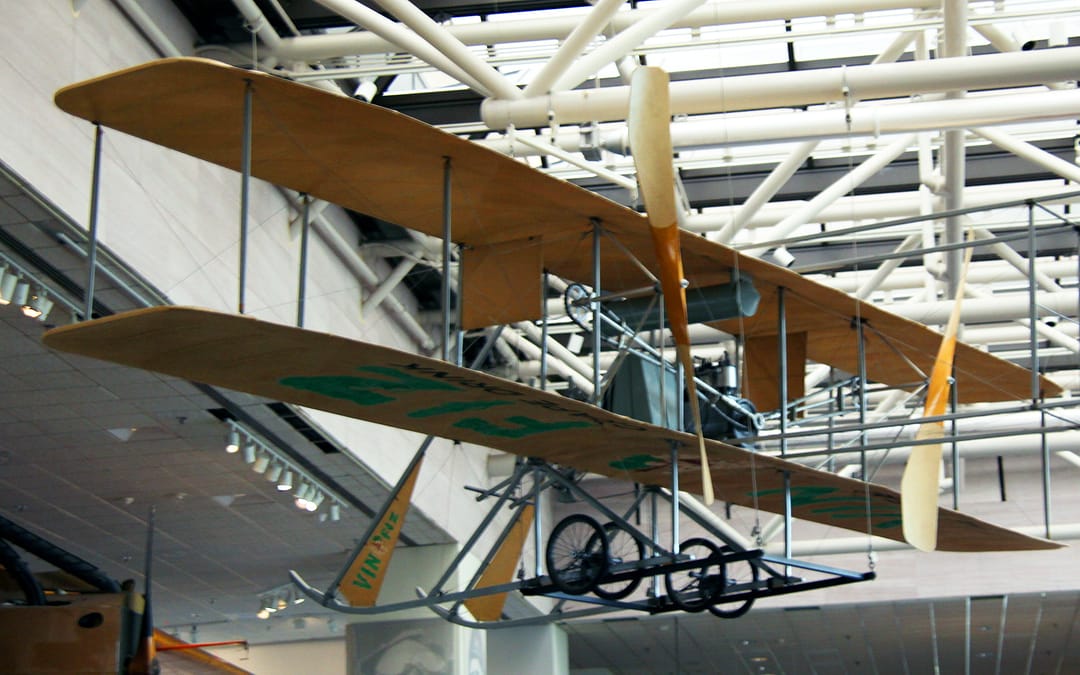
In 1911, flying across the United States was widely considered impossible. The newspaper magnate William Randolph Hearst put money on it anyway, offering $50,000 to the first pilot to cross the country by air in 30 days or less. The men best equipped to try it looked...
Aviation World, History & Legends
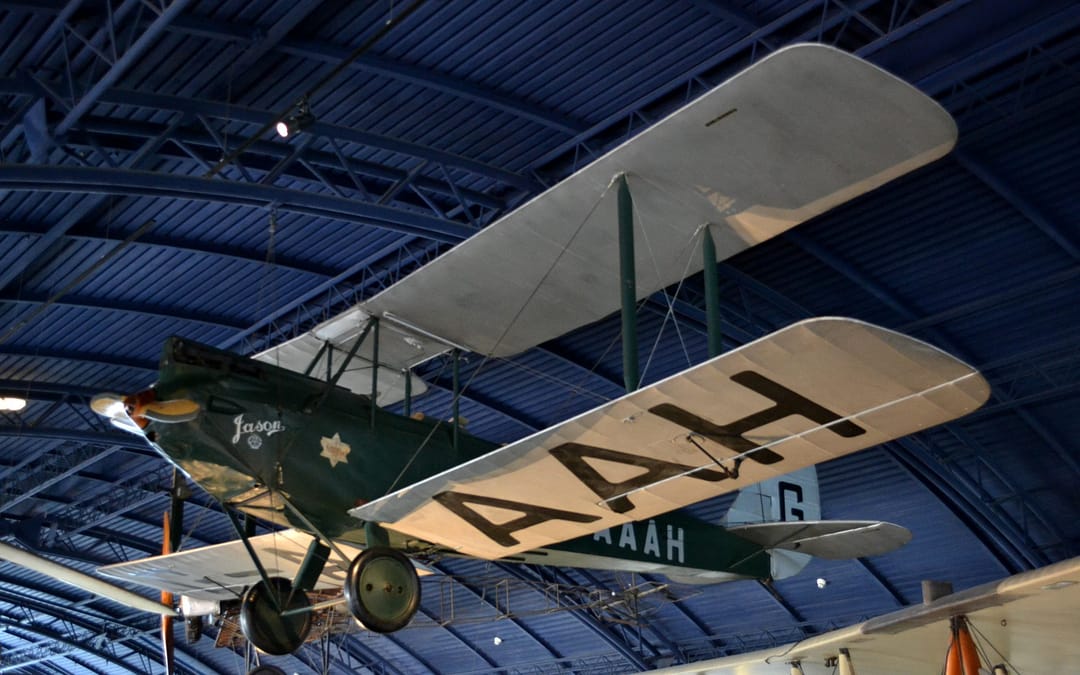
In May 1930 a 26-year-old typist’s daughter from Hull climbed into a second-hand biplane she had named Jason, pointed it toward the far side of the planet, and set out to fly alone to Australia. Amy Johnson had held a pilot’s licence for less than a year...




Recent Comments