
History & Legends, Military Aviation
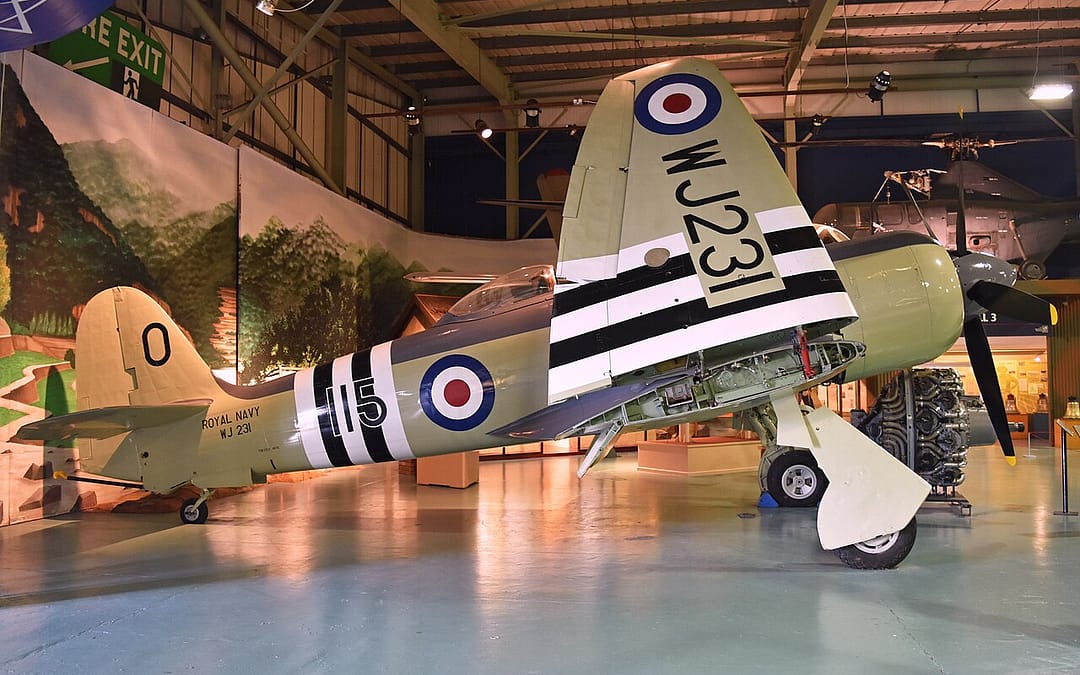
By 1952 the jet age had well and truly arrived. Swept-wing MiGs and Sabres were tearing across the skies of Korea at close to the speed of sound, and the propeller-driven fighter looked like a museum piece. Nobody told the Hawker Sea Fury. On a August morning over...
History & Legends, Military Aviation
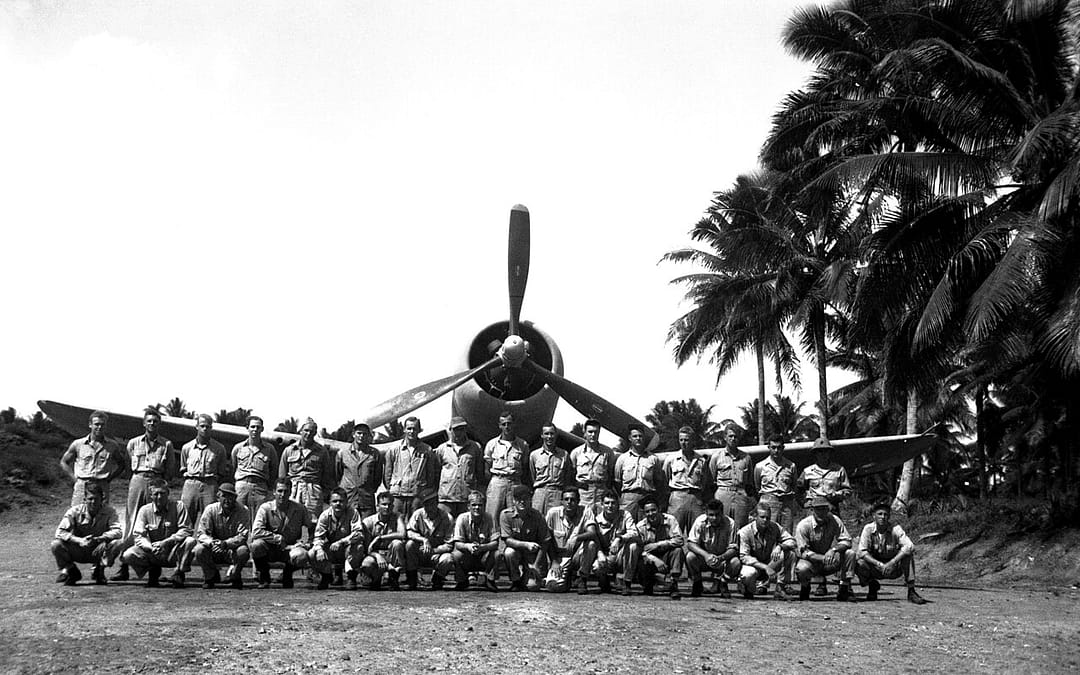
He was a brawler, a drinker, a man who forged his own name to get into flight school and punched a superior officer on his way out of one. He was also, when strapped into the cockpit of a bent-wing Corsair over the Solomon Islands, one of the finest fighter pilots the...
History & Legends, Military Aviation
On the morning of 17 January 1966, the people of Palomares were tending tomato fields under a clear Andalusian sky when the war they had never joined fell out of the heavens. Two American aircraft, tangled together seven miles up, came apart in a ball of fire —...
History & Legends, Military Aviation
On the afternoon of 24 June 1994, a 250-ton bomber wheeled around the control tower at Fairchild Air Force Base in a bank no B-52 was ever meant to hold. The left wing kept dropping — past 60 degrees, past 90 — until the giant simply stopped flying. It...
Aviation World, History & Legends
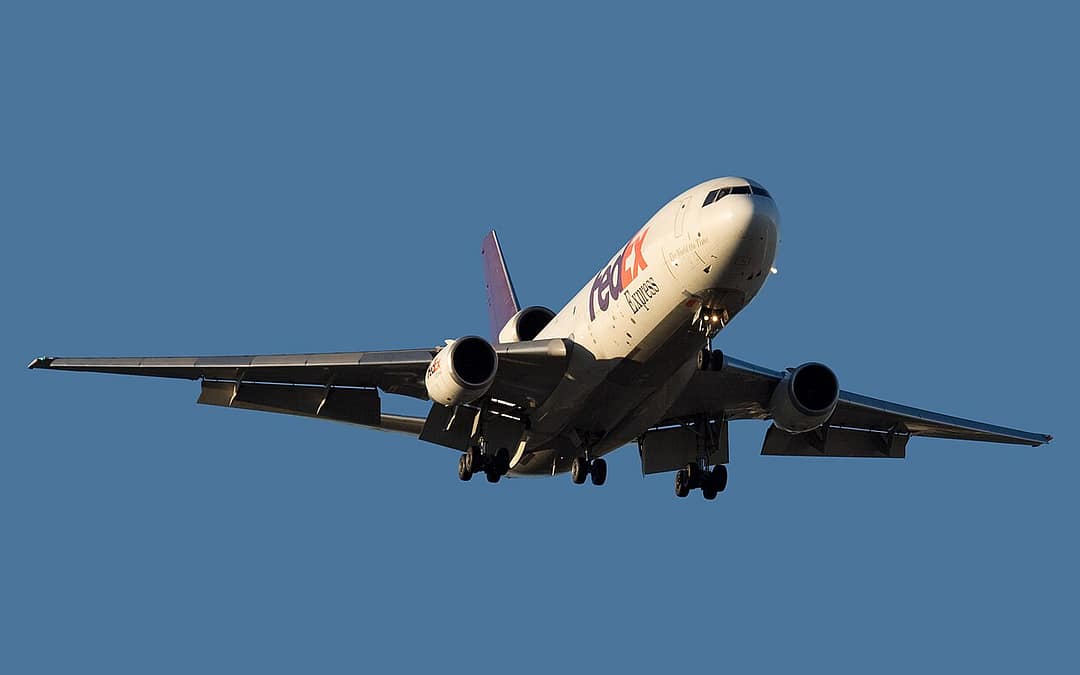
Twenty minutes out of Memphis, First Officer Jim Tucker heard a sound he had never heard on an aeroplane: a metallic ring, again and again. It was a claw hammer coming down on the skull of his flight engineer. In the next few seconds a man would try to murder all...
History & Legends, Military Aviation
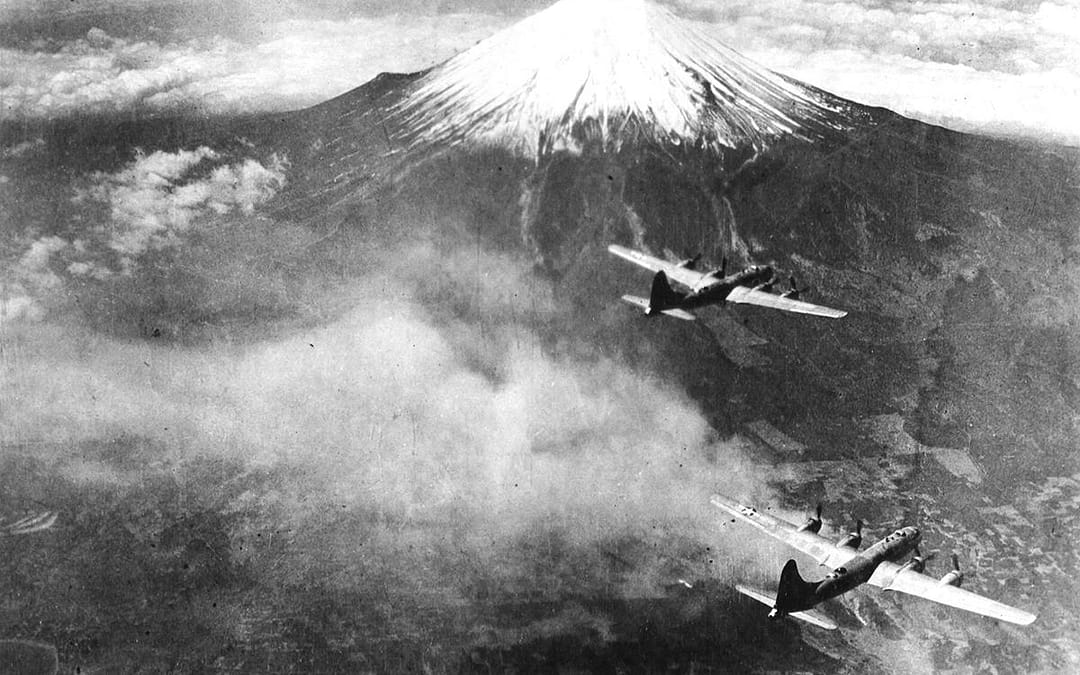
On 24 November 1944, a bombardier lay over his bombsight five and a half miles above Tokyo, cross-hairs settled on the Nakajima engine works, and watched his bombs miss by a mile. Not because his aim was bad — because something invisible had grabbed the falling...
History & Legends, Military Aviation
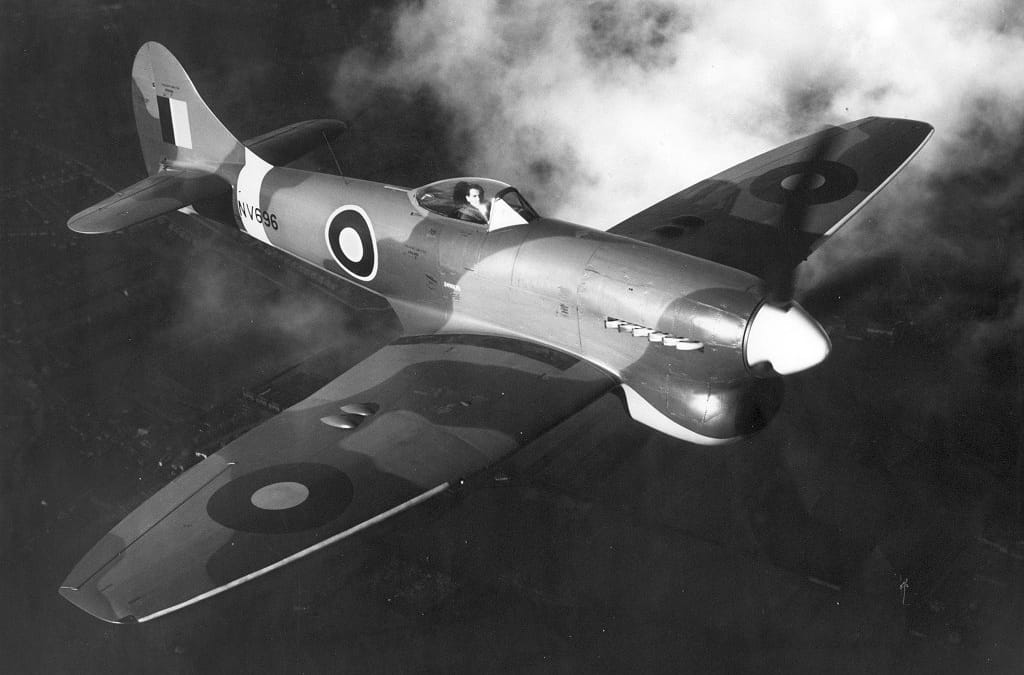
Ask which fighter the RAF prized most in the last year of the Second World War and most people will say the Spitfire. They would be wrong. The aircraft that its pilots rated above all others — faster on the deck than a Spitfire, deadlier against the V-1, and one...
Aviation World, History & Legends
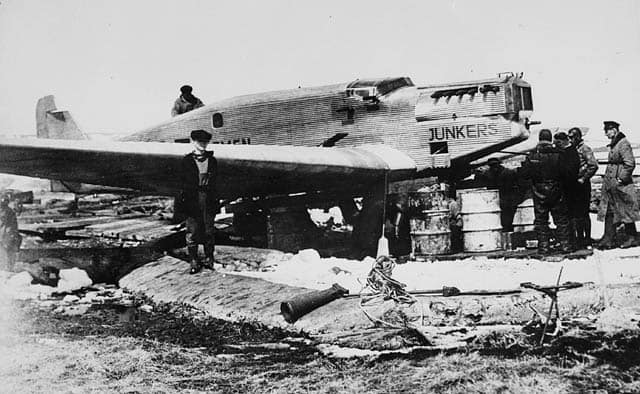
Everyone remembers Charles Lindbergh. Almost nobody remembers the three men who, a year later, flew the Atlantic the hard way — against the wind, from Europe to America — and nearly died doing it. Their aircraft was called the Bremen, and their forgotten...
History & Legends, Military Aviation
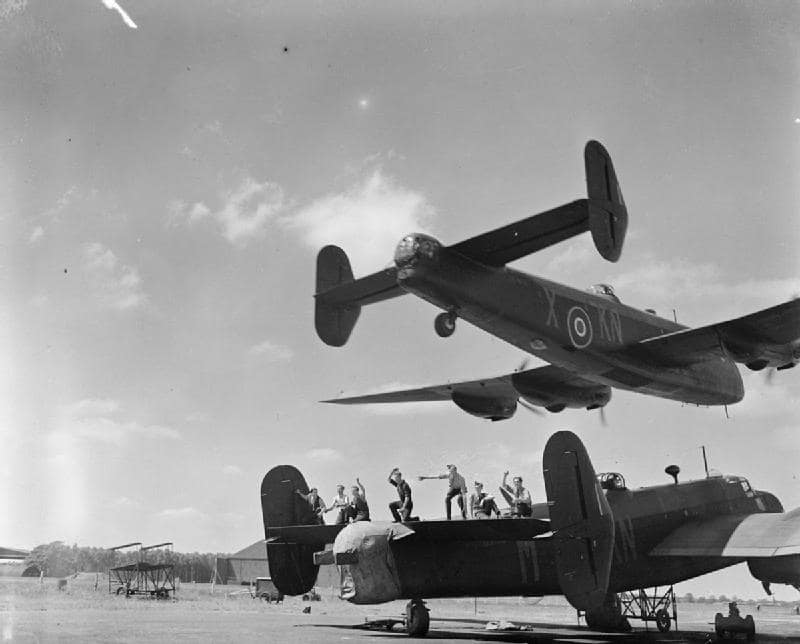
Ask anyone to name Britain’s heavy bomber of the Second World War and they will say the Avro Lancaster — the Dam Busters’ mount, the star of every film and airshow flypast. Almost nobody says Handley Page Halifax. Yet the Halifax flew tens of...
History & Legends, Military Aviation
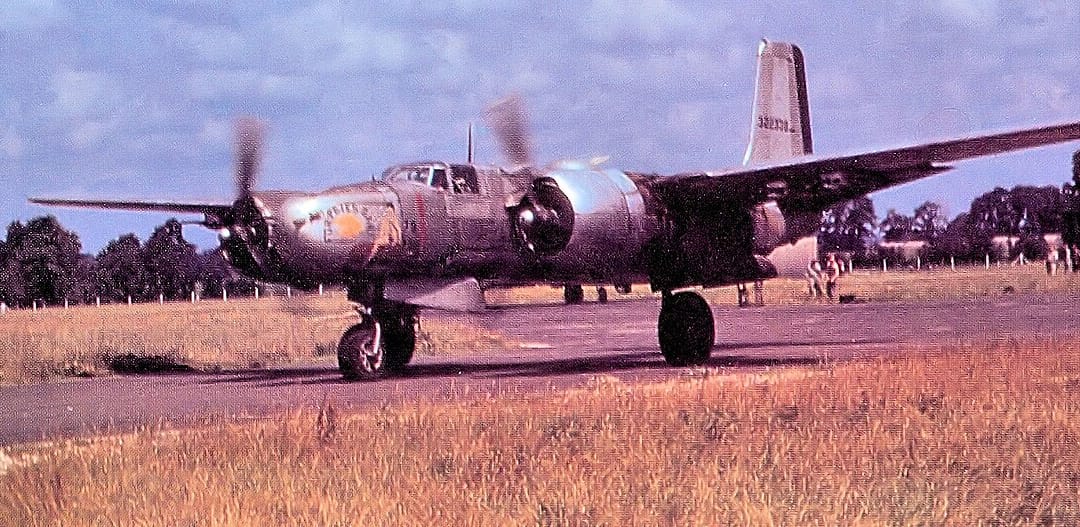
Most warplanes are lucky to see one war. The Douglas A-26 Invader saw three — World War II, Korea and Vietnam — the only American bomber ever to do so. Now one of these remarkable survivors has a new home: the Stockton Field Aviation Museum in...
Aviation World, History & Legends, Military Aviation
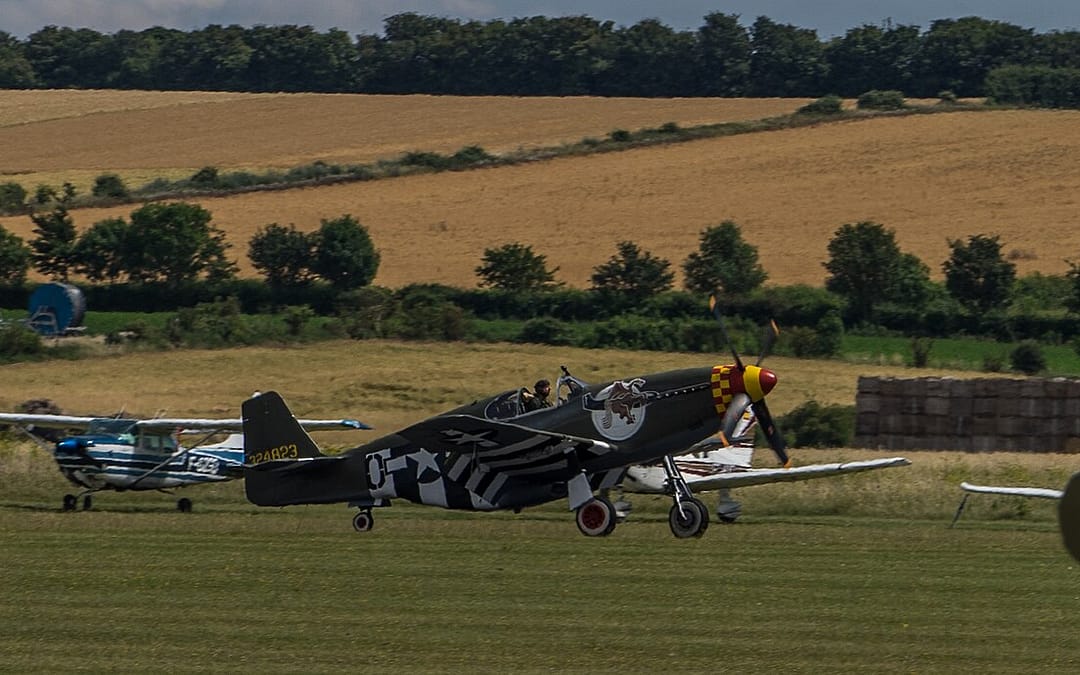
In August 1944, a young Minnesotan named Ken Dahlberg shot down three German aircraft in a single swirling dogfight, took a bullet through his oil system, and bailed out into the clouds over occupied France. Sheltered by the Resistance and — by one account...



Recent Comments