
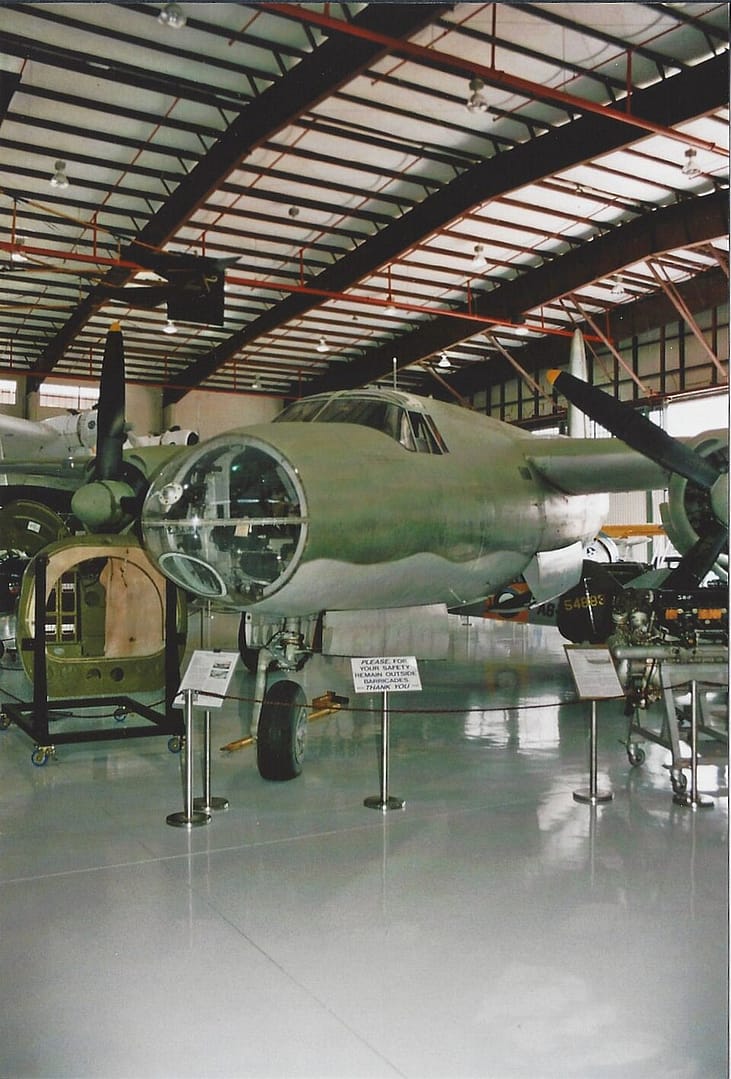
In the spring of 1942, young American pilots training in Florida had a grim joke about the sleek new bomber they were learning to fly: “one a day in Tampa Bay.” It was barely an exaggeration. The Martin B-26 Marauder was killing its own crews faster than any enemy — and it had not yet fired a shot in anger.
Yet by the end of the war, this same aircraft would post the lowest combat loss rate of any American bomber in Europe. Few machines have swung so violently from villain to hero.
Kurzinfo
- Flugzeug: Martin B-26 Marauder (WWII medium bomber — not the later A-26 Invader)
- Ruf: “the Widowmaker,” “One a Day in Tampa Bay” — feared in training
- Ursache: high wing loading gave great speed but unforgiving low-speed handling
- Redemption: after fixes, a 0.47% combat loss rate — the lowest of any U.S. bomber in Europe
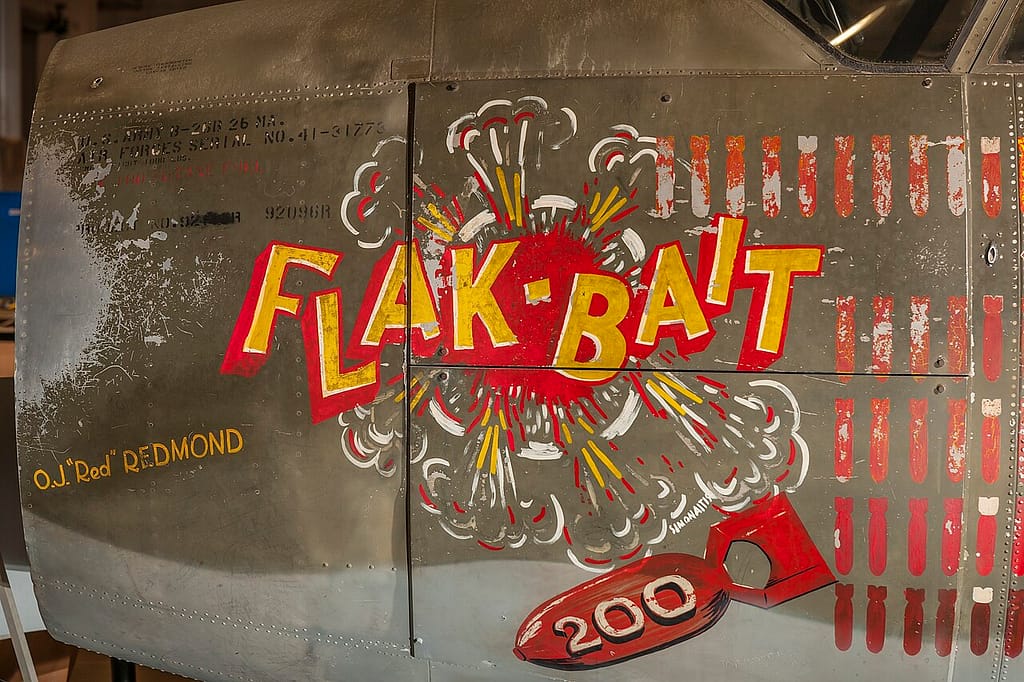
- Überlebende: “Flak-Bait” flew 207 missions, the most of any American aircraft in WWII
- Gebaut: about 5,288
- Geschwindigkeit: around 285–315 mph, fast for a 1940s bomber
Fast, sleek, and unforgiving
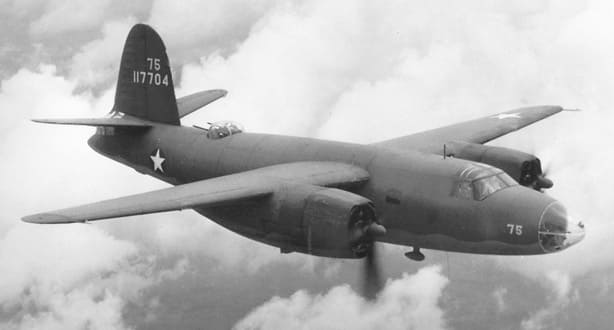
The Marauder was built for speed. Its designers gave it a small, efficient wing that let it streak along faster than most bombers of its day — but that same short wing meant it had to be flown fast, especially on approach, where pilots came in at around 150 mph. Slow it down too much and it would stall and drop. To green pilots stepping up from gentle trainers, it was terrifying.
The accidents piled up. At MacDill Field near Tampa, the crashes came so often that the trainees coined their black joke, and the aircraft collected a whole family of grim nicknames.
Crews also called it the “Widowmaker,” the “Flying Coffin,” and — mocking its stubby wings — the “Baltimore Whore,” a machine with “no visible means of support.” Congress took notice, and the whole program came close to cancellation.
Teaching men to tame it
The fix was partly metal and partly training. Martin lengthened the wing and enlarged the tail on later models to ease the handling, and the Army overhauled how it taught pilots to fly the aircraft — including famous demonstrations that a Marauder could be flown safely on a single engine. Confidence returned. Crews learned that, flown by the numbers, the B-26 was not a killer but a thoroughbred.
The results in combat were extraordinary.
Flak-Bait, the bomber that would not die
No aircraft told the redemption story better than a battered B-26 named Flak-Bait. It flew an astonishing 207 combat missions over Europe — more than any other American aircraft in the war — absorbing more than a thousand hits, losing engines and hydraulics, and always coming home. Today its nose section, still wearing its patched battle damage, is preserved at the Smithsonian’s National Air and Space Museum.
Around 5,288 Marauders were built, and the type served from the Mediterranean to D-Day and beyond. (Confusingly, the designation B-26 was later reused for the entirely different Douglas Invader — but the Widowmaker is the Martin.) It is one of aviation’s great rehabilitation stories: the bomber crews were taught to fear, then trusted with their lives.
Sources: Smithsonian National Air and Space Museum; Military Machine; Simple Flying.

0 Kommentare