
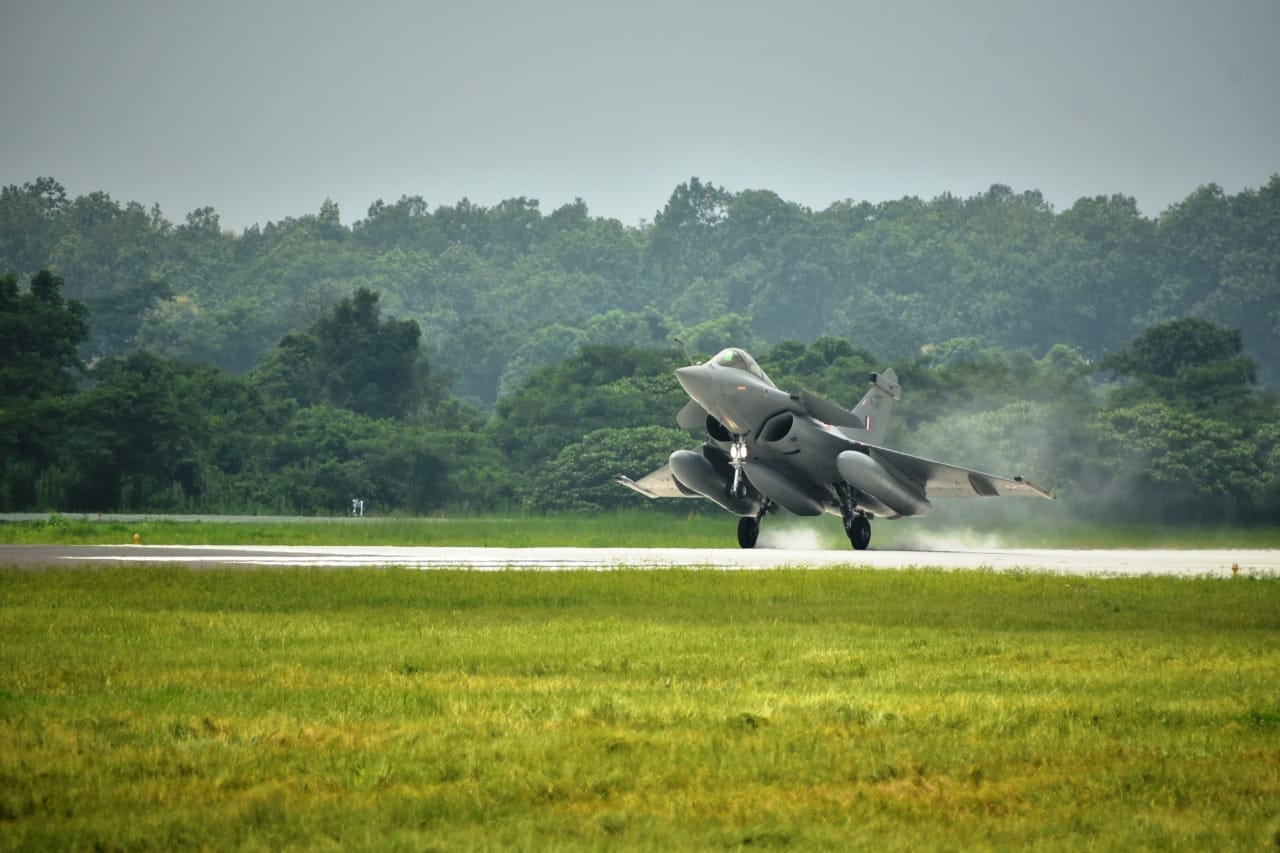
For a week in mid-August, the skies over Selangor turned into a laboratory of contrasts: French delta-wing fighters flown by Indian pilots, sparring with Russian-built Flankers and American Hornets in Malaysian colours. Exercise Udara Shakti 2026 put the Rafale nose-to-nose with the Su-30MKM — and it was the Rafale’s first appearance in this drill.
The Indian Air Force flew four Rafales of 101 Squadron into Subang Air Base, backed by two C-17 Globemaster III transports from 81 Squadron. Waiting for them were the Royal Malaysian Air Force’s Su-30MKMs and F/A-18D Hornets. Two air forces, three very different fighters, one shared question: can they fight as one?
• Übung: Udara Shakti 2026 (biennial India–Malaysia air drill)
• Wo: Subang Air Base, Selangor, Malaysia
• Concluded: August 14, 2026
• Indien: 4 Rafales (101 Sqn) + 2 C-17 Globemaster III (81 Sqn)
• Malaysia: Su-30MKM, F/A-18D and A400M
• Scale: ~83 personnel, 11 aircraft; dissimilar air combat, air-to-air refuelling, doctrine exchange
• Erste: Rafale’s debut in Udara Shakti since India inducted it in 2020
Dissimilar by design
The real value of an exercise like this is friction — the productive kind. A Rafale pilot rarely gets to train against a Flanker’s brute thrust and enormous radar signature, and an Su-30MKM crew rarely faces the Rafale’s tight delta and electronic-warfare suite. Put them in the same block of airspace and both sides learn things no simulator teaches: how the other jet bleeds energy in a turn, how its sensors behave, how its pilots think.
The Malaysians bring an unusually varied hand. The RMAF flies Russian Su-30MKMs and American F/A-18Ds side by side — a fleet few air forces can match for sheer diversity — which makes Subang an ideal proving ground for the interoperability both sides say they want.
The salesman in the cockpit
There is a commercial subtext no one in New Delhi or Paris will spell out. Malaysia needs to modernise an ageing fighter fleet, and India has become an enthusiastic ambassador for the Rafale it now builds relationships around. Flying the jet in front of a prospective customer, alongside that customer’s own aircraft, is soft-sell diplomacy at 30,000 feet.
It also fits a wider pattern. India is deepening defence ties across Southeast Asia, and the Rafale — already the backbone of a growing IAF fleet — is central to that outreach. Every sortie flown next to the RMAF is a quiet argument for what a shared platform could look like.
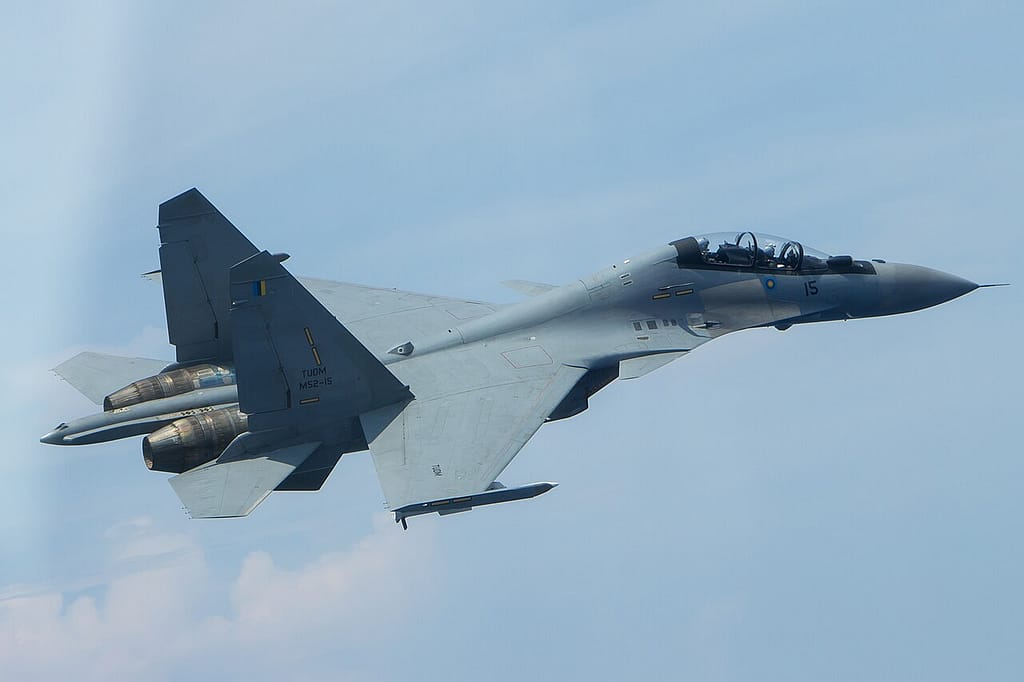
Indian Rafales and Su-30s flying together in a separate IAF exercise, showing the dissimilar formations Udara Shakti is built around.
Warum es wichtig ist
Bilateral drills rarely make headlines, but they are how modern air forces build the muscle memory to operate together in a crisis. For India, Udara Shakti 2026 was a chance to fly its marquee fighter far from home and show it can integrate with a partner half a continent away. For Malaysia, it was a look at one of the jets that might one day replace its own.
No missiles were fired in anger over Selangor. But the exercise answered its question: French, Russian and American metal, flown by two air forces, can indeed share the same sky.
Sources: Indian Air Force / PIB; New Straits Times; Defence Security Asia; IANS.
0 Kommentare