
Kurzinfo
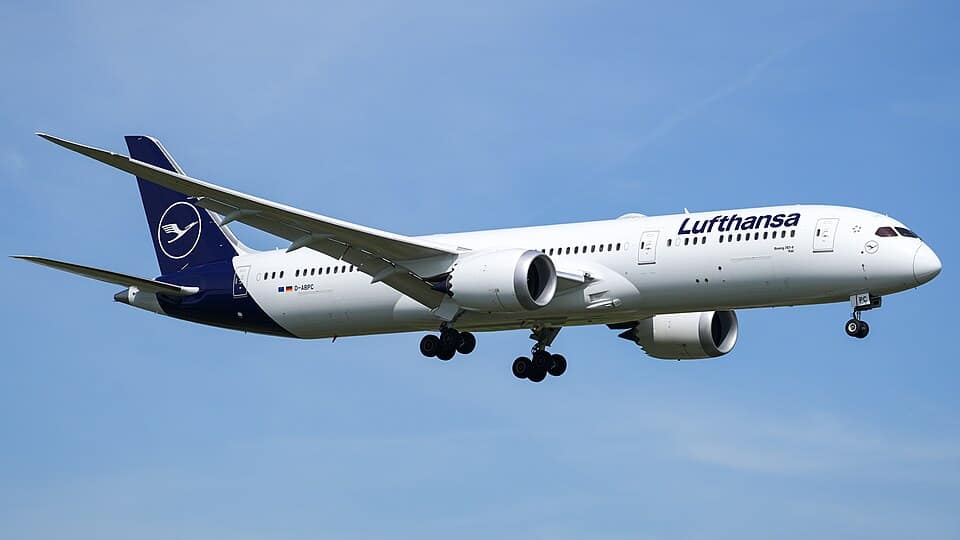
- Flugzeug: Lufthansa Boeing 787-9 (D-ABPQ, Name "Herne")
- Geliefert: Januar 2026 – zum Zeitpunkt des Vorfalls jünger als 4 Monate.
- Standort: Gate-Position, Flughafen Frankfurt (FRA)
- Datum: 4. Juni 2026, ungefähr 12:45 Uhr Ortszeit
- Verletzungen: zwei Kabinenbesatzungsmitglieder und mehrere Bodenmitarbeiter; keine Passagiere an Bord
- Ermittlungen laufen: BFU (Bundesamt für Flugunfalluntersuchung)
- Beteiligung von Boeing: Bereitstellung von Überwachungssystemdaten, Hydraulik- und Sensormesswerten
Worauf die BFU achtet
Die Untersuchung umfasst vier Hauptbereiche. Erstens: Wartungsunterlagen: Wurde das Bugfahrwerk seit der Auslieferung ordnungsgemäß gewartet und wurden alle Inspektionsanforderungen nach der Auslieferung erfüllt? Zweitens: Strukturelle Integrität: Liegt ein Herstellungsfehler an der Bugfahrwerksbaugruppe oder ihren Befestigungspunkten vor? Drittens: Hydraulik- und Sensordaten der Bordüberwachungssysteme von Boeing: Haben sich die hydraulischen Verriegelungen des Fahrwerks unerwartet gelöst, und wenn ja, warum? Viertens: Bodenverfahren: Wurden zum Zeitpunkt des Vorfalls Vorgänge am Flugzeug durchgeführt – beispielsweise Zurückschieben, Abschleppen oder Verladen –, die zu einer ungewöhnlichen Belastung des Bugfahrwerks geführt haben könnten?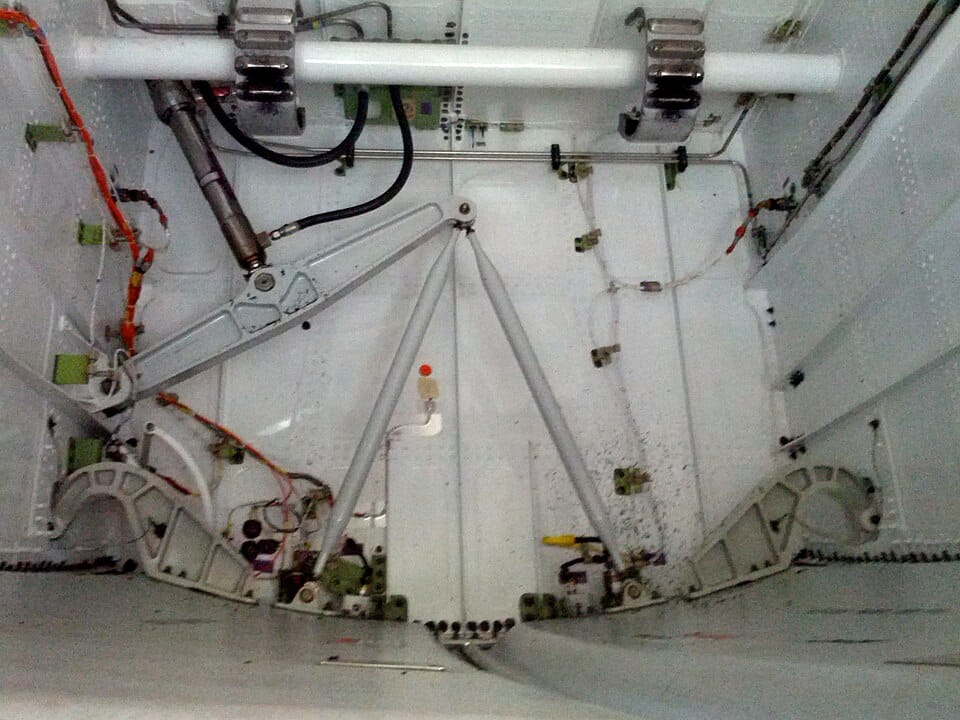
Erweiterte Boeing-Prüfung
Der Vorfall verschärft die ohnehin schwierige Lage von Boeing. Der Hersteller steht seit dem Defekt an der Türdichtung einer Alaska Airlines 737 MAX 9 im Januar 2024 und den darauffolgenden Produktionsproblemen unter starker Kritik hinsichtlich seiner Qualitätskontrolle. Obwohl das 787-Programm unabhängig von den Problemen der MAX verlief, wirft jeder Strukturfehler an einem nahezu neuen Großraumflugzeug unweigerlich Fragen zu den Fertigungsstandards der gesamten Boeing-Produktpalette auf.Was geschieht als Nächstes?
Die Untersuchung der BFU wird Monate dauern. Vorläufige Ergebnisse könnten schneller vorliegen, wenn eine eindeutige mechanische Ursache gefunden wird – beispielsweise ein defekter Hydraulikzylinder, ein fehlerhafter Verriegelungsstift oder eine Sensorfehlfunktion. Sollte die Ursache auf einen Fertigungs- oder Konstruktionsfehler hindeuten, könnte Boeing mit einer Lufttüchtigkeitsanweisung konfrontiert werden, die Inspektionen der gesamten 787-Flotte weltweit vorschreibt. Handelt es sich hingegen um einen Einzelfall oder einen Wartungsfehler, bleiben die Folgen begrenzt. So oder so, das Bild des brandneuen Dreamliners, der in Frankfurt auf der Nase lag, werden Boeing und Lufthansa so schnell nicht vergessen. Die Untersuchung wird zeigen, ob es sich um einen Einzelfall oder ein Warnsignal handelte. Quellen: ABC News, Aviation A2Z, Aviation24.be, Travel and Tour WorldVerwandte Fragen
Was geschah mit der Lufthansa Boeing 787 in Frankfurt?
Am 4. Juni 2026 brach das Bugfahrwerk einer fast neuen Boeing 787-9 Dreamliner der Lufthansa mit dem Namen „Herne“ gegen 12:45 Uhr Ortszeit auf dem Frankfurter Flughafen zusammen, als die Maschine am Gate parkte. Das Flugzeug kippte nach vorn. Es befanden sich keine Passagiere an Bord; zwei Besatzungsmitglieder und mehrere Bodenmitarbeiter wurden verletzt.
Wie alt war die abgestürzte Lufthansa 787?
Das Flugzeug mit der Registrierung D-ABPQ wurde im Januar 2026 an Lufthansa ausgeliefert und nahm im Februar mit der Flaggschiff-Kabine Allegris den Langstreckendienst auf. Es war weniger als vier Monate im Einsatz, als das Bugfahrwerk versagte – ungewöhnlich früh für ein so schwerwiegendes Strukturproblem.
Wer untersucht den Zusammenbruch des Bugfahrwerks der Lufthansa 787?
Die Bundesstelle für Flugunfalluntersuchung (BFU) hat eine formelle Untersuchung eingeleitet. Boeing stellt Daten der bordeigenen Überwachungssysteme des Flugzeugs zur Verfügung, darunter Hydraulik- und Sensormesswerte. Solche formellen Untersuchungen ähneln dem strukturierten Verfahren, das beispielsweise von anderen Institutionen angewendet wird. US NTSB.
Worum geht es in der BFU-Untersuchung?
Die BFU untersucht vier Hauptbereiche: Wartungsaufzeichnungen und ob das Bugfahrwerk seit der Auslieferung ordnungsgemäß gewartet wurde; die strukturelle Integrität und etwaige Herstellungsfehler am Fahrwerk oder seinen Befestigungspunkten; Hydraulik- und Sensordaten aus den Überwachungssystemen von Boeing; und die Verfahren des Bodenpersonals zum Zeitpunkt des Zusammenbruchs.
Was ist der Boeing 787 Dreamliner?
Die Boeing 787 Dreamliner ist ein modernes, treibstoffeffizientes Langstrecken-Großraumflugzeug, das größtenteils aus Verbundwerkstoffen gefertigt ist. Lufthansa setzt sie mit ihrer neuen Premium-Kabine Allegris ein. Wie andere aktuelle Verkehrsflugzeuge weist sie eine weitgehend ähnliche Form wie ihre Konkurrenten auf – Teil von warum moderne Jets so ähnlich aussehen.
Ähnliche Beiträge
Brandneue Lufthansa 787 stürzt auf die Nase
Was für ein bedauerlicher Vorfall für Boeing und Lufthansa! Ich bete, dass alle verletzten Besatzungsmitglieder und Mitarbeiter vollständig genesen und bald wieder arbeiten können.