
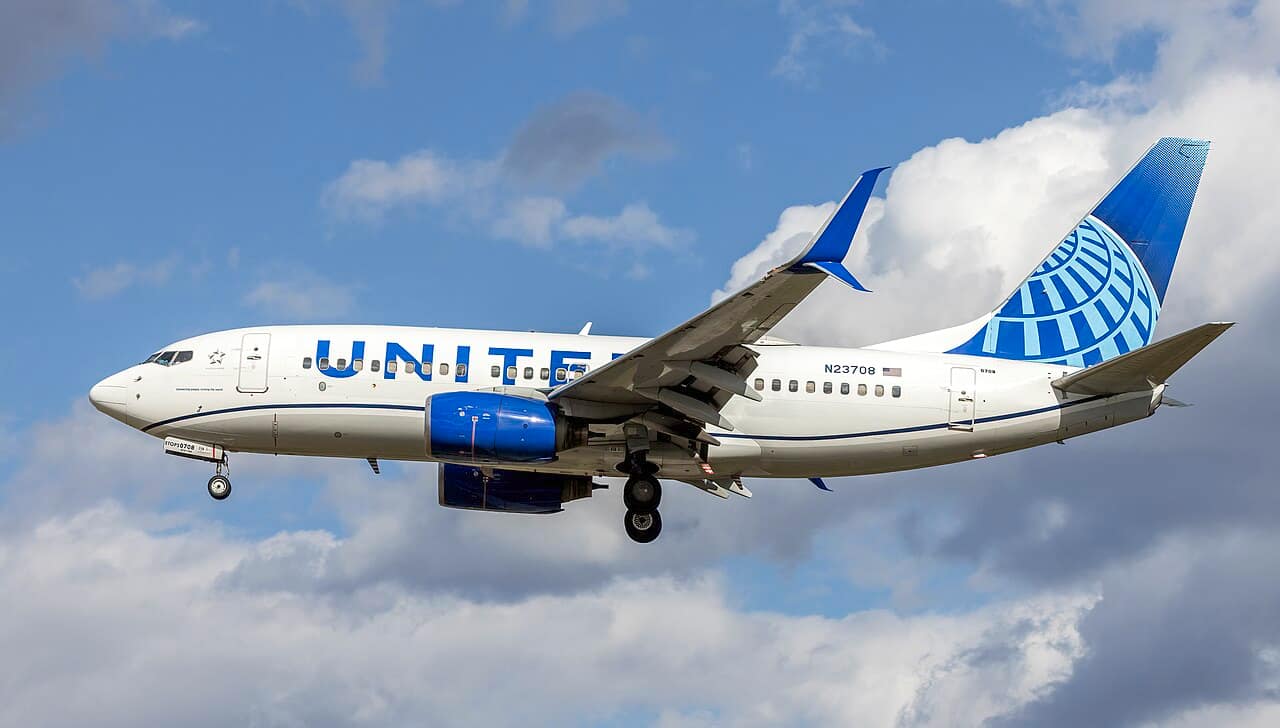
United-Flug 1513, eine Boeing 737-700 aus Key West mit 106 Personen an Bord, befindet sich am Freitagnachmittag im Endanflug auf Newark Liberty, als die Besatzung ein kleines kreisförmiges Objekt – vielleicht einen Meter im Durchmesser – etwa 30 Meter unter dem Flugzeug vorbeiflitzen sieht.
Die 737 landet wenige Minuten später sicher. Doch drei Tage später meldet eine JetBlue-Crew, die gerade auf dem JFK-Flughafen landet, etwas noch Schlimmeres: Sie glauben, tatsächlich mit einer Maschine kollidiert zu sein.
Zwei der verkehrsreichsten Flughäfen Amerikas, eine einzige Woche und eine Gefahr, die die FAA immer noch nicht zuverlässig vorhersehen kann – oder zu demjenigen zurückverfolgen kann, der sie fliegt.
Kurzinfo
| Newark | United 1513 (Boeing 737-700), Drohne ca. 100 Fuß tiefer im Endanflug, ca. 17:20 Uhr, Freitag, 26. Juni 2026 |
| JFK | JetBlue 948 meldete am 29. Juni 2026 gegen 7:15 Uhr einen Drohnenangriff in etwa 3.000 Fuß Höhe im Anflug. |
| Schaden | Auf keinem der beiden Flugzeuge wurde etwas gefunden. |
| Auch berichtet | Eine Crew von United Express (GoJet) sichtete eine Drohne in etwa 600 Metern Höhe in Newark; ein Hubschrauber meldete eine Beinahe-Kollision mit einem Modellflugzeug in der Nähe von JFK. |
| Status | Die FAA ermittelt in beiden Fällen; die Betreiber wurden nicht identifiziert. |
Hundert Fuß über Newark
United 1513 befand sich am Freitag, den 26. Juni, gegen 17:20 Uhr im Endanflug, als die Besatzung ein rundes Objekt mit etwa einem Meter Durchmesser entdeckte, das in etwa 30 Metern Höhe unter dem Flugzeug vorbeiflog. Die Boeing 737-700 landete rund zehn Minuten später sicher. Im selben Zeitraum meldete ein von GoJet durchgeführter Regionalflug von United Express der Flugsicherung, er habe im eigenen Anflug eine Drohne in etwa 600 Metern Höhe gesichtet.
Hundert Fuß sind bei Anfluggeschwindigkeit nichts. Ein Jet im Endanflug ist schwer, langsam und mit ausgefahrenen Landeklappen und Fahrwerk konfiguriert – der denkbar ungünstigste Zeitpunkt, um ein Objekt durch ein Triebwerk oder eine Windschutzscheibe zu schleudern.
Dann ein Angriff auf JFK
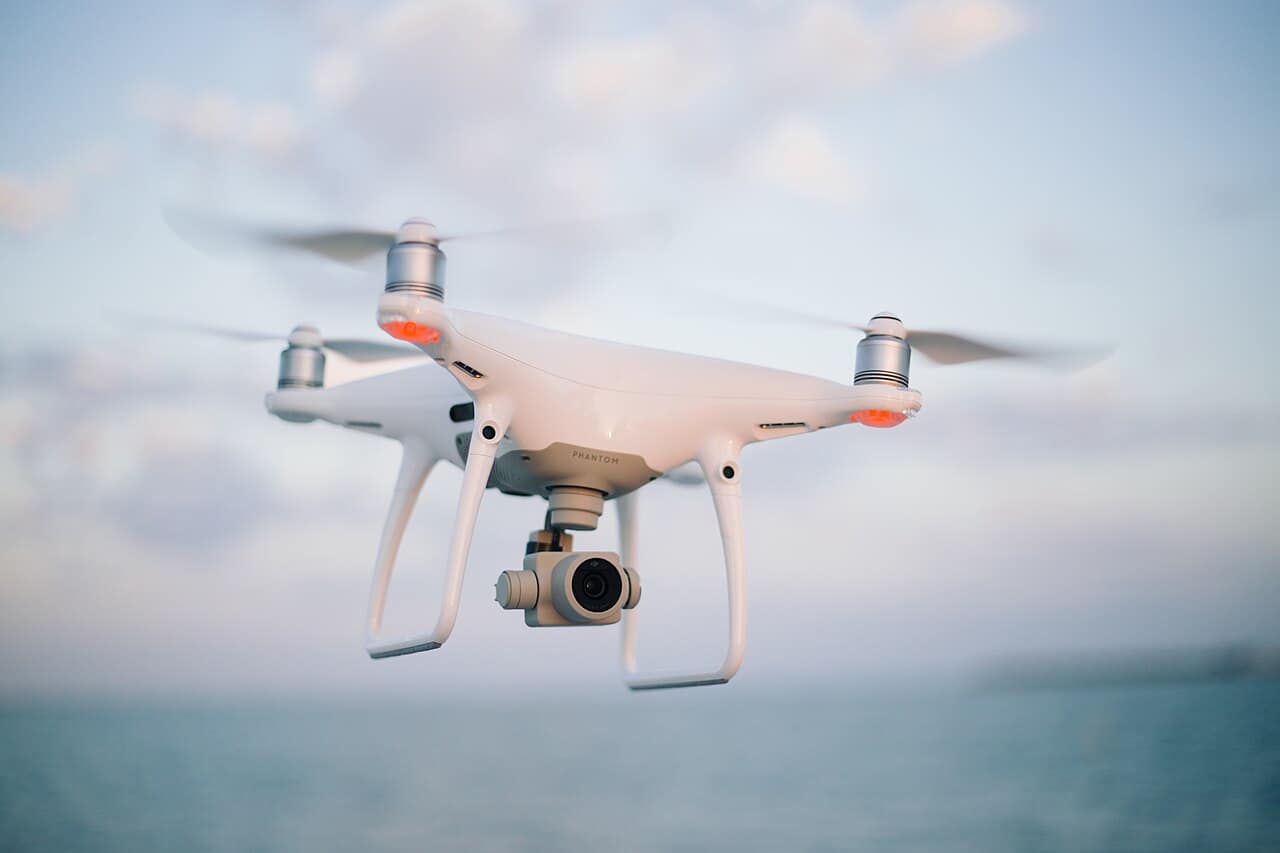
Drei Tage später, am Morgen des 29. Juni, meldete der Pilot von JetBlue-Flug 948 laut FAA, dass er im Endanflug auf JFK in etwa 900 Metern Höhe mit einer Drohne kollidiert sei. Eine anschließende Untersuchung ergab keine Schäden am Flugzeug. Am selben Morgen meldete eine Hubschrauberbesatzung in der Nähe von JFK eine Beinahe-Kollision mit einem Objekt, das sie als Modellflugzeug beschrieben.
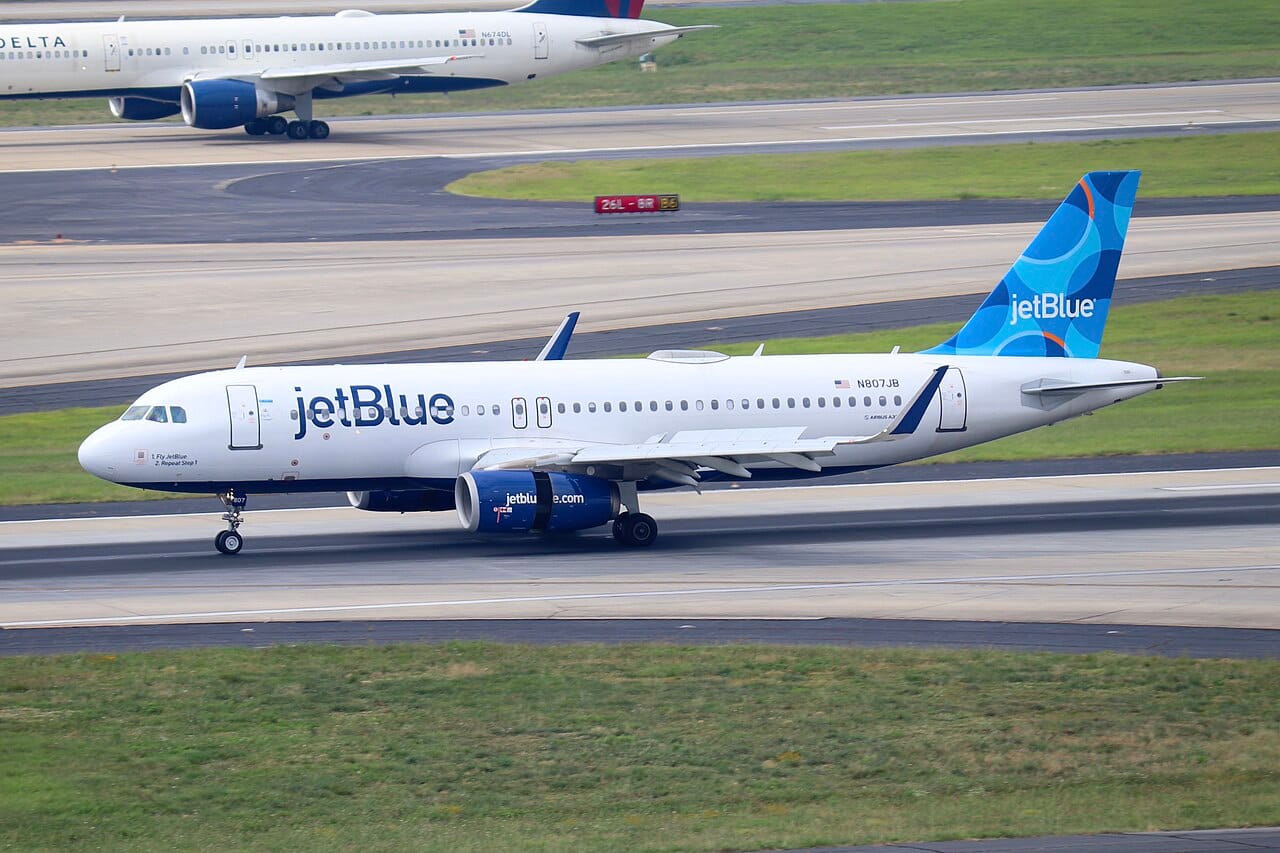
Die gute Nachricht ist, dass kein Schaden entstanden ist. Die schlechte Nachricht ist die Flughöhe: 3.000 Fuß liegen weit über der gesetzlich vorgeschriebenen Höchstflughöhe von 400 Fuß für Hobbydrohnen und kilometerweit von Orten entfernt, an denen sich Freizeitpiloten üblicherweise aufhalten.
Warum passiert das immer wieder?
Drohnen für den Privatgebrauch sind günstig, überall erhältlich und zunehmend in der Lage, genau in den Luftraum vorzudringen, in dem Verkehrsflugzeuge am tiefsten und verwundbarsten sind. Es gibt zwar Regeln zur Fernidentifizierung, doch deren Durchsetzung ist schwierig, und in beiden Fällen in New York konnte die FAA nicht feststellen, wer die Drohne gesteuert hat. Eine Drohne stellt zudem eine größere Gefahr dar als ein Vogel: Statt weichem Gewebe verfügt sie über einen leistungsstarken Lithium-Ionen-Akku, Motoren und eine Kamera, die eine Windschutzscheibe zersplittern oder einen Ventilator zerstören kann.
Bislang steht die Bilanz bei einer Reihe von Beinahe-Treffern und einem Treffer ohne Schaden. Die Angst, die über jedem dieser Berichte schwebt, ist der Tag, an dem diese Glückssträhne endlich endet.
Quellen: CNN; Gothamist; ABC7 New York; Federal Aviation Administration.
Verwandte Fragen
Was ist mit dem United-Flug in Newark passiert?
Am 26. Juni 2026 meldete United-Flug 1513, eine Boeing 737-700 mit 106 Personen an Bord, die aus Key West kam, eine kleine, kreisförmige Drohne, die im Endanflug auf den Newark Liberty International Airport etwa 30 Meter unter ihr vorbeiflog. Das Flugzeug landete wenige Minuten später sicher.
Ist am JFK-Flughafen tatsächlich eine Drohne von einem JetBlue-Flugzeug getroffen worden?
Laut FAA meldete der Pilot von JetBlue-Flug 948 am 29. Juni 2026 im Endanflug auf den JFK-Flughafen in etwa 3.000 Fuß Höhe eine Kollision mit einer Drohne. Eine anschließende Untersuchung ergab keine Schäden am Flugzeug.
Wurden die Flugzeuge beschädigt?
Nein. Weder die United 737 in Newark noch die JetBlue-Maschine in JFK wiesen Beschädigungen auf. Beide Flüge landeten sicher.
Warum stellen Drohnen eine Gefahr für Passagierflugzeuge dar?
Anders als ein Vogel enthält eine Drohne einen leistungsstarken Lithium-Akku, Motoren und andere robuste Bauteile, die eine Windschutzscheibe beschädigen oder einen Motor zerstören können. Das größte Risiko besteht beim Anflug und bei der Landung, wenn die Drohne tief fliegt, langsam ist und die Landeklappen sowie das Fahrwerk ausgefahren sind.
Ist es illegal, eine Drohne in der Nähe eines Flughafens fliegen zu lassen?
Ja. In den Vereinigten Staaten ist der Flug von Freizeitdrohnen im Allgemeinen auf eine Höhe von 400 Fuß (ca. 120 Meter) über dem Boden beschränkt und der Einsatz im kontrollierten Luftraum von Flughäfen ohne Genehmigung verboten. Beide Drohnen aus New York flogen deutlich über den zulässigen Grenzwerten und innerhalb stark frequentierter Anflugkorridore.
Ermittelt die FAA die Drohnenvorfälle in New York?
Ja. Die US-amerikanische Luftfahrtbehörde FAA bestätigte, dass sie die Vorfälle in Newark und am JFK-Flughafen untersucht. Bislang konnte der Betreiber der beiden Geräte nicht ermittelt werden.
0 Kommentare