
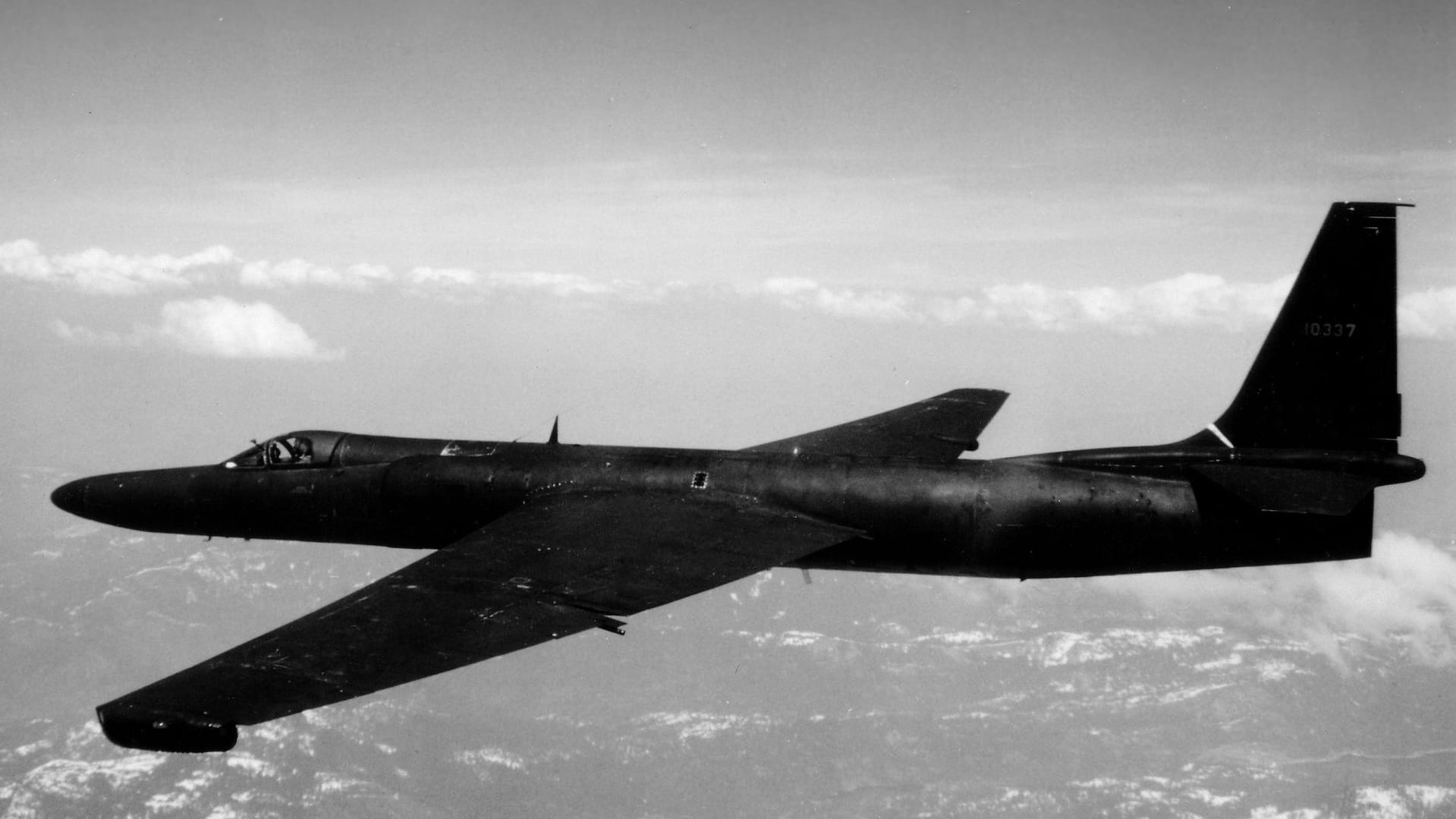
On the morning of Saturday, 27 October 1962, Major Rudolf “Rudy” Anderson Jr. was sealed into his pressure suit at McCoy Air Force Base in Orlando, Florida. He was not on the schedule that day — he had lobbied hard for the mission. It would be his sixth flight over Cuba in thirteen days, alone and unarmed at 72,000 feet, over an island now bristling with live Soviet anti-aircraft missiles.
Below him, the world was closer to nuclear war than it has ever been, before or since. Washington would remember the date as “Black Saturday”: Soviet missile sites in Cuba were nearing readiness, a second, harder-line letter from Moscow had just landed, and another U-2 had accidentally strayed over Soviet territory, scrambling MiGs.
At 10:19 a.m., over the eastern port town of Banes, Anderson’s luck ran out. He became the only man killed by enemy fire in the entire Cuban Missile Crisis — and his death, fired without Moscow’s approval, may have done more than anything else that day to pull two superpowers back from the edge.
Kurzinfo: Der Anderson-Abschuss
| Pilot | Maj. Rudolf Anderson Jr. (1927–1962), Greenville, South Carolina |
| Flugzeug | Lockheed U-2F, AF Seriennummer 56-6676 (ehemals CIA Artikel 343) |
| Einheit | 4080. Strategisches Aufklärungsgeschwader, operierend von der McCoy Air Force Base, Florida. |
| Abgeschossen | 27. Oktober 1962, 10:19 Uhr, in der Nähe von Banes, Kuba |
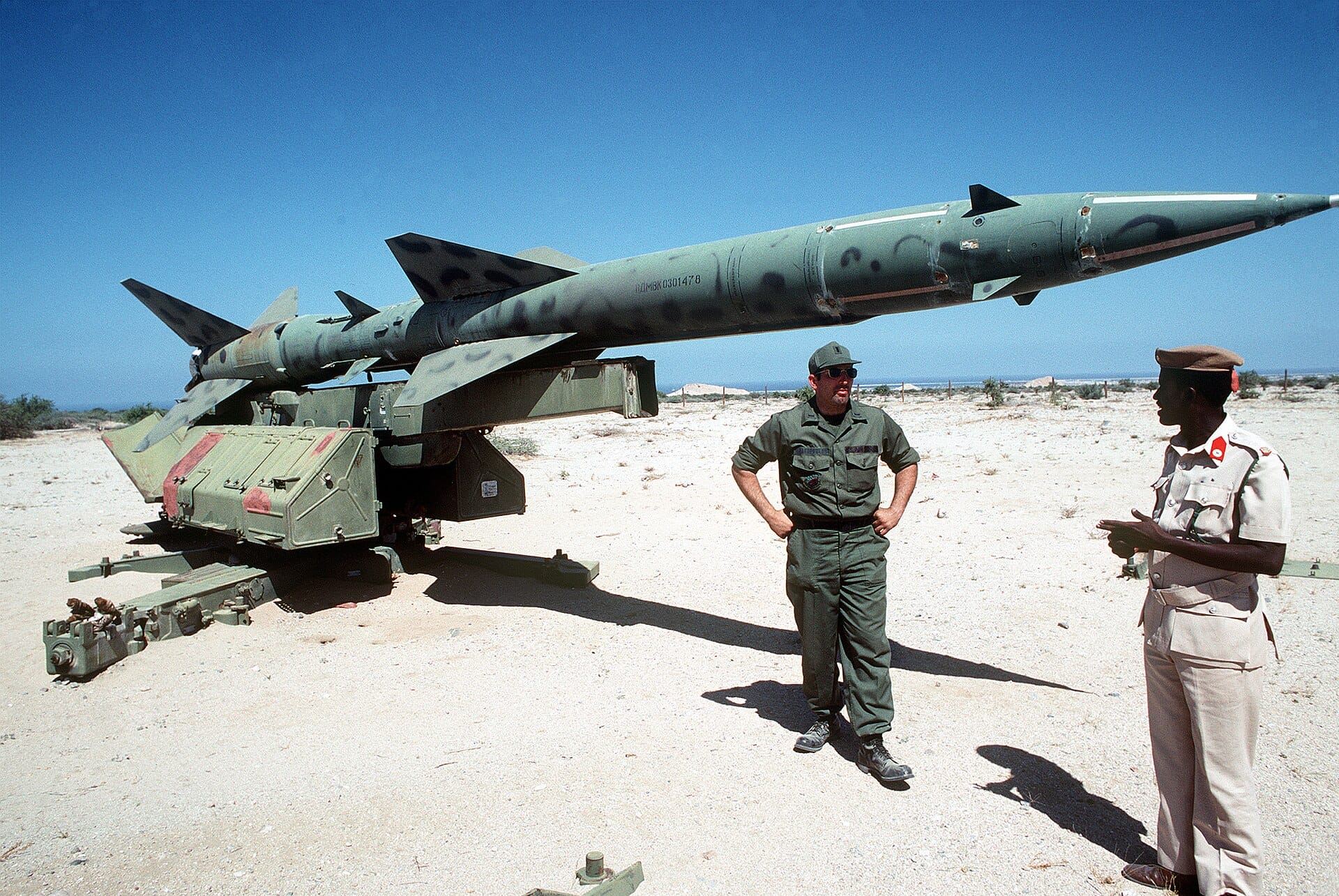
| Waffe | Sowjetische Boden-Luft-Rakete S-75 Dvina (NATO: SA-2-Richtlinie). |
| Mission | Sein sechster Überflug über Kuba während der Krise |
| Dekoration | Das erste jemals posthum verliehene Air Force Cross |
| Begraben | Woodlawn Memorial Park, Greenville, 6. November 1962 |
Dreizehn Tage zuvor
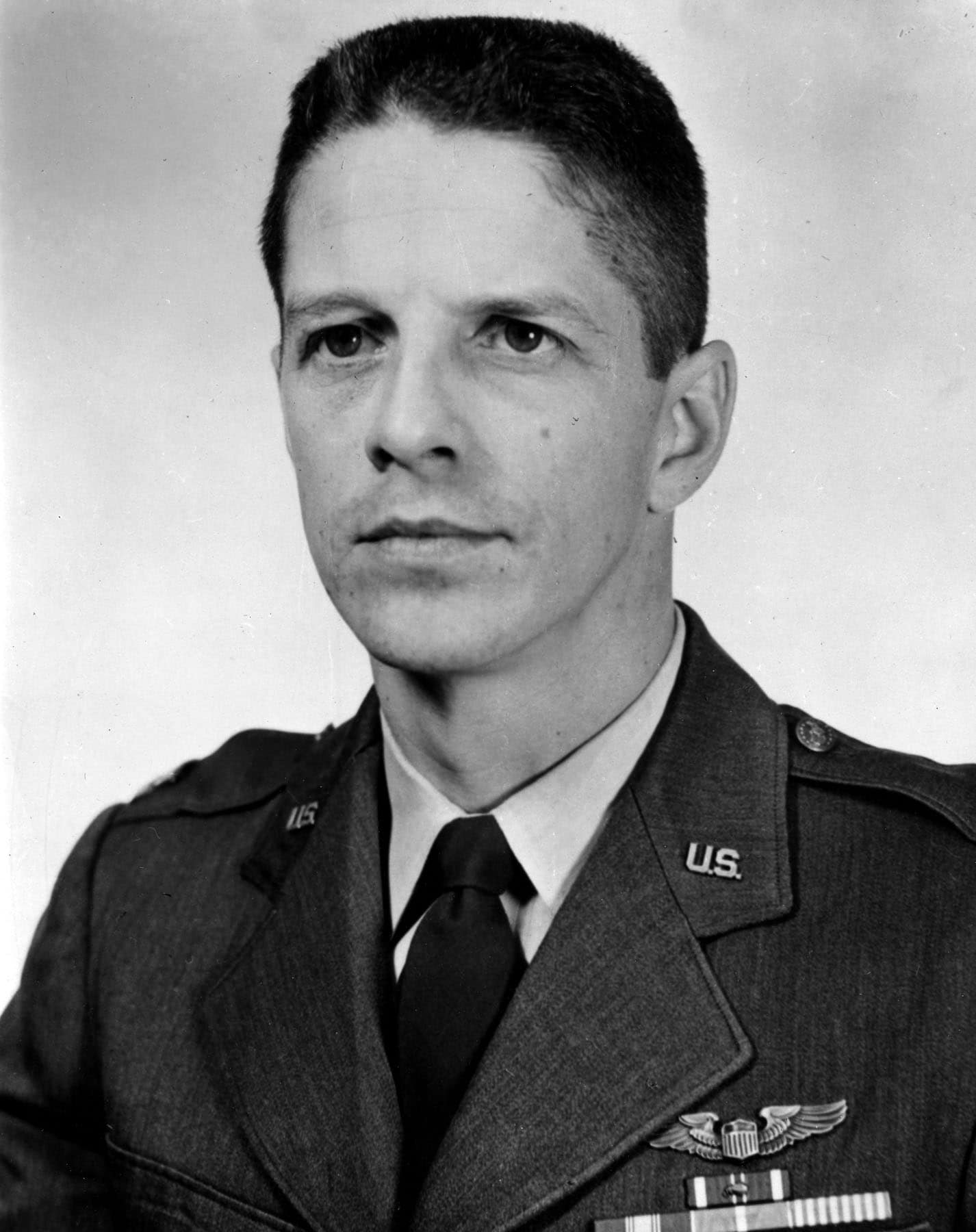
Anderson was the quiet, precise sort of pilot the U-2 demanded. A textile engineering graduate of Clemson, he had flown RF-86 reconnaissance Sabres in Korea, earning two Distinguished Flying Crosses, and by 1962 he was the 4080th Strategic Reconnaissance Wing’s most experienced U-2 pilot, with more than a thousand hours in the unforgiving jet. He had a wife, Jane, two small sons, and a daughter on the way.
When the Air Force took over the CIA’s Cuba overflights in mid-October 1962, Anderson flew one of the first missions — photography that helped confirm Soviet medium-range ballistic missiles standing on Cuban soil, ninety miles from Florida. Those pictures put President Kennedy’s ExComm in the Cabinet Room and started the thirteen days that gave the crisis its name.
Zielnummer 33
By 27 October, the calculus over Cuba had changed: the island’s two dozen SA-2 sites were operational, manned by Soviet crews. As Anderson’s U-2 — tracked as Target Number 33 — crossed the island, Soviet officers in Havana grew convinced he was photographing tactical nuclear weapons positioned near Guantanamo Bay.
Moscow’s standing instruction was not to fire on American aircraft. But the overall Soviet commander in Cuba, General Issa Pliyev, could not be reached — accounts differ as to why, with several sources citing illness. His deputies, Lieutenant General Stepan Grechko and Major General Leonid Garbuz, made the call themselves.
The order went out: destroy Target Number 33. Two S-75 missiles rose from the site near Banes. One detonated close to the U-2, and shrapnel punched through the cockpit, Anderson’s helmet and his pressure suit — at that altitude, even a small breach meant death in seconds if the fragments themselves had not already killed him. The aircraft broke up and fell thirteen miles to the island below.
Ein völlig neues Spiel
Word reached the White House within hours, landing in a Cabinet Room already saturated with bad news. “They’ve fired the first shot,” said Assistant Secretary of Defense Paul Nitze. Kennedy’s own verdict: “We are now in an entirely new ball game.”
The Joint Chiefs pressed for airstrikes on the Cuban air defences the next morning — existing contingency plans called for exactly that if a reconnaissance aircraft were shot down. Kennedy refused to be rushed. He suspected, correctly, that Nikita Khrushchev had never authorised the launch, and he was haunted by where the first strike would lead.
That same evening, the President sent his brother to meet Soviet Ambassador Anatoly Dobrynin in secret. The bargain they sketched — Soviet missiles out of Cuba, an American pledge not to invade, and the quiet removal of U.S. Jupiter missiles from Turkey — ended the crisis within a day. It was also the Saturday of the celebrated incident aboard the Soviet submarine B-59, where a single officer’s refusal helped prevent a nuclear torpedo launch; 27 October earned its dark nickname several times over.
Moskau war nicht erfreut.
The Kremlin’s reaction to the shootdown confirmed how far the decision had strayed from policy. Defence Minister Rodion Malinovsky cabled Havana that the commanders had been “precipitate” in shooting the plane down while negotiations with Washington were progressing. Khrushchev’s son Sergei later wrote that this was the moment his father felt the situation slipping out of his control.
Historians still debate exactly how the order was framed and whether Cuban pressure played a part — Fidel Castro had ordered his own anti-aircraft guns to fire on low-level American flights that morning — but the core facts are established from Soviet testimony: the launch was ordered locally, by Grechko and Garbuz, against Moscow’s instructions. Within twenty-four hours, Khrushchev announced the missiles would be withdrawn.
Das erste Luftwaffenkreuz
Anderson’s fate stayed uncertain in Washington for days. On 31 October, UN Acting Secretary-General U Thant returned from Havana with confirmation that the pilot was dead. Cuba released his body on 4 November, and he was buried in Greenville two days later. Kennedy wrote personally to his widow, Jane, then pregnant with their third child: “Your husband’s mission was of the greatest importance, but I know how deeply you must feel his loss.”
By order of the President, Anderson became the first recipient of the Air Force Cross, the service’s highest decoration after the Medal of Honor — awarded for flying “an unescorted, unarmed aircraft” whose photographs, in the words of the citation, gave the United States conclusive evidence of the missiles and helped chart the nation’s course through the crisis.
Pieces of his U-2 are still displayed in three Cuban museums, including the engine at Havana’s Museum of the Revolution. In Greenville, a memorial in Cleveland Park honours him beside an F-86 Sabre like the one he flew in Korea — no U-2 could be spared when it was built in 1963. Ten other pilots flew U-2s over Cuba during those thirteen days and came home. Anderson’s death remained the crisis’s only combat loss — one man, whose final mission helped convince two leaders that the next shot could not be taken back.
Quellen: Wikipedia; HISTORY (Christopher Klein); JFK Presidential Library; HistoryNet; Arms Control Association
Verwandte Fragen
Wer war Rudolf Anderson?
Major Rudolf Anderson Jr. (1927–1962) war ein U-2-Aufklärungspilot der US-Luftwaffe und der einzige Mensch, der während der Kubakrise durch Feindeinwirkung getötet wurde. Am 27. Oktober 1962 wurde seine U-2 über Kuba von einer sowjetischen Boden-Luft-Rakete abgeschossen. Ihm wurde posthum das allererste Air Force Cross verliehen.
Wer war die einzige Person, die während der Kubakrise getötet wurde?
Der einzige Mensch, der während der Kubakrise durch Feindeinwirkung getötet wurde, war Major Rudolf Anderson Jr., ein U-2-Pilot, der am 27. Oktober 1962 über Banes, Kuba, abgeschossen wurde. Sein Tod am sogenannten "Schwarzen Samstag" erhöhte die Eskalationsgefahr an der Grenze. gefährlichster Moment des Kalten Krieges.
Was hat Rudolf Andersons U-2 abgeschossen?
Rudolf Andersons Lockheed U-2 wurde am 27. Oktober 1962 von einer sowjetischen S-75 Dwina-Boden-Luft-Rakete, der NATO-Bezeichnung SA-2 Guideline, abgeschossen. Die Rakete wurde von einem Stützpunkt auf Kuba abgefeuert, als Anderson auf seinem sechsten Einsatz über Kuba in rund 22.000 Metern Höhe den östlichen Teil der Insel überflog.
Welches Flugzeug fotografierte die Raketen auf Kuba?
Hochfliegende Lockheed U-2-Spionageflugzeuge fotografierten die sowjetischen Raketenstellungen auf Kuba aus einer Höhe von rund 72.000 Fuß, während tieffliegende Flugzeuge RF-8 Crusader Die Flüge lieferten detaillierte Nahaufnahmen. Zusammen bestätigten diese Fotos die Stationierung atomwaffenfähiger Raketen auf der Insel und lösten die Krise aus. Die Aufklärung war gefährlich, da Andersons Abschuss und andere Verluste Spionageflüge im Kalten Krieg zeigte.
Was geschah am Schwarzen Samstag im Jahr 1962?
"Der "Schwarze Samstag“, der 27. Oktober 1962, war der gefährlichste Tag der Kubakrise. Sowjetische Raketenstellungen näherten sich der Einsatzbereitschaft, ein Schreiben mit kompromissloser Rhetorik traf aus Moskau ein, eine U-2 drang in sowjetisches Gebiet ein, und Major Rudolf Anderson wurde über Kuba abgeschossen. Sein Tod und die zunehmenden Spannungen brachten beide Supermächte an den Rand eines Atomkriegs.
Welche Auszeichnung erhielt Rudolf Anderson?
Rudolf Anderson erhielt posthum das Air Force Cross und war der erste Mensch, dem diese Ehre zuteilwurde. Zuvor hatte er im Koreakrieg als Pilot einer RF-86 Sabre-Aufklärungsmaschine zwei Distinguished Flying Crosses erhalten. Er wurde am 6. November 1962 im Woodlawn Memorial Park in Greenville, South Carolina, beigesetzt.
0 Kommentare