
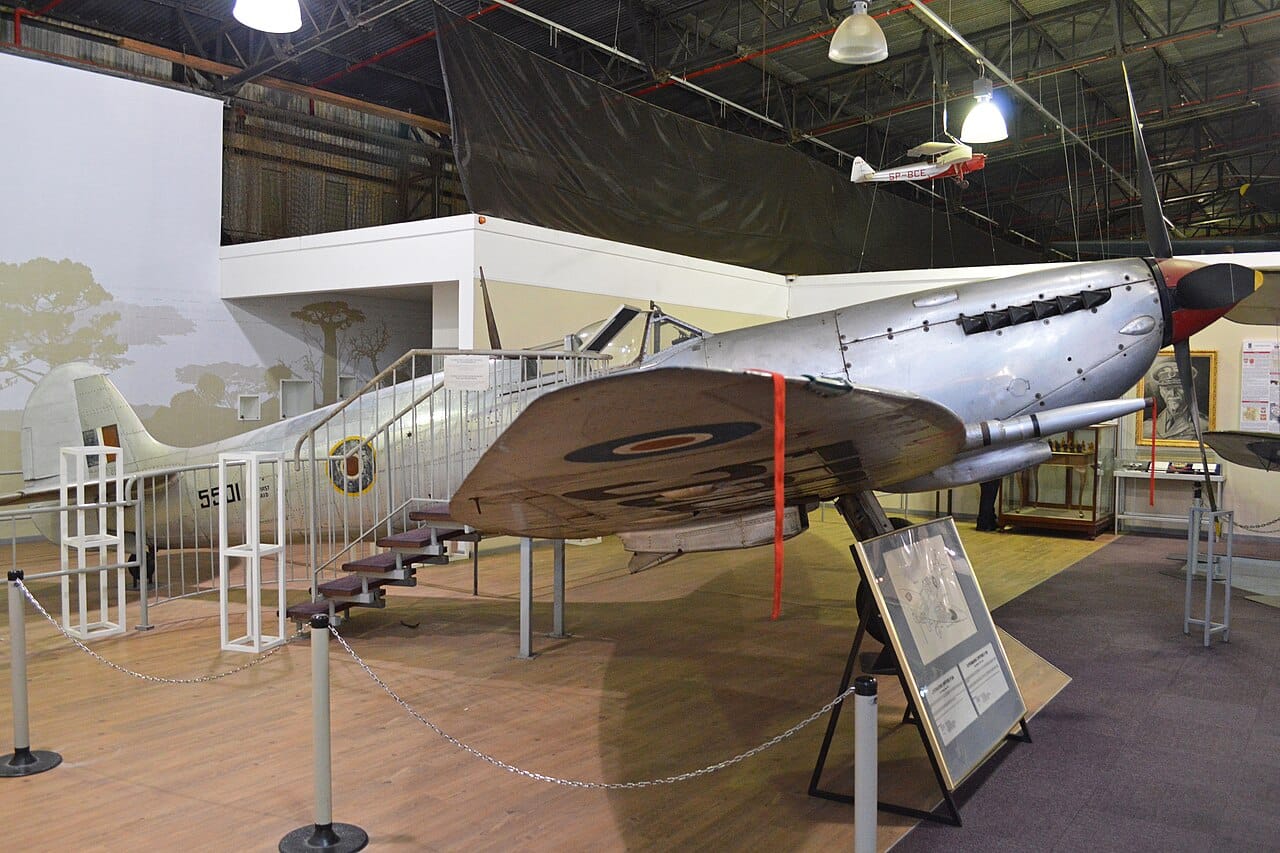
Er trug eine Krawatte statt der vorgeschriebenen Krawatte, keine Rangabzeichen und oft eine geliehene Uniform. Beinahe wäre er aus der Flugausbildung gefallen. Und doch wurde Adrian "Warby" Warburton der höchstdekorierte Fotoaufklärungspilot der Royal Air Force – der Mann, den die Kommandeure als ihren wichtigsten Piloten bezeichneten.
Er flog unbewaffnete Flugzeuge, allein, tief über feindlichen Flotten und Flugplätzen, die Kamera surrte, während die Flak auf ihn zukam. Dann, eines Tages im Jahr 1944, startete er und kehrte nie zurück. Sein Schicksal blieb 58 Jahre lang ein Rätsel.
Kurzinfo
- WHO: Wing Commander Adrian "Warby" Warburton (1918-1944)
- Rolle: RAF-Fotoaufklärungspilot und Jagdfliegerass, stationiert auf Malta
- Flugzeug: Martin Maryland, Bristol Beaufighter, PR Spitfire, Lockheed F-5 (P-38)
- Ruf: Der höchstdekorierte Fotoaufklärungspilot der RAF – DSO & Bar, DFC & zwei Bars, US DFC
- Operationen: etwa 400, oft unbewaffnet und auf sehr niedrigem Niveau
- Verschwunden: 12. April 1944, auf einem Flug Richtung Deutschland
- Gefunden: Wrackteile und Überreste wurden 2002 in Bayern ausgegraben; 2003 wurden sie mit militärischen Ehren wieder beigesetzt.
Der Außenseiter von Malta
Warburton fand sich auf der kleinen, belagerten Insel Malta wieder – und Malta prägte ihn. Von ihren zerklüfteten Flugplätzen aus flog er Aufklärungsflüge, die den Alliierten die Augen über dem Mittelmeer offen hielten. Er fotografierte italienische Häfen und Konvois, die den Krieg in Nordafrika befeuerten. Seine Bilder der Flotte in Tarent im November 1940 trugen maßgeblich dazu bei, den verheerenden Flugzeugträgerangriff der Fleet Air Arm dort zu ermöglichen.
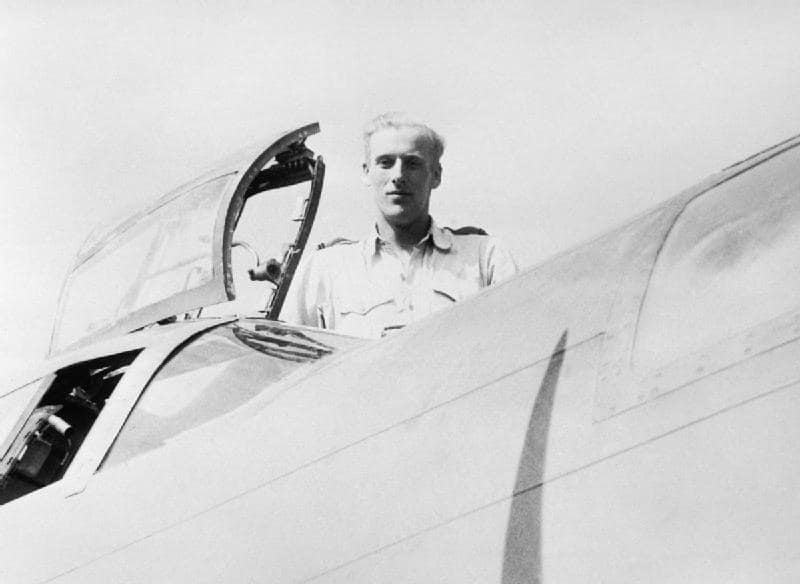
Er war, wie man hört, ein herrlich unkonventioneller Typ: ungepflegt, aufsässig und mutig bis zur Tollkühnheit. Um seine Fotos zu machen, flog er so tief über feindliche Schiffe, dass er manchmal mit Funkantennen und Trümmerteilen in seinem Flugzeug zurückkehrte. Auf einer Insel, die um ihr Überleben kämpfte, wurde er zur Legende – und fand die Liebe in der Kabarettsängerin und späteren RAF-Pilotin Christina Ratcliffe, die ihr Leben lang auf ihn warten sollte.
Der Flug, der nie ankam
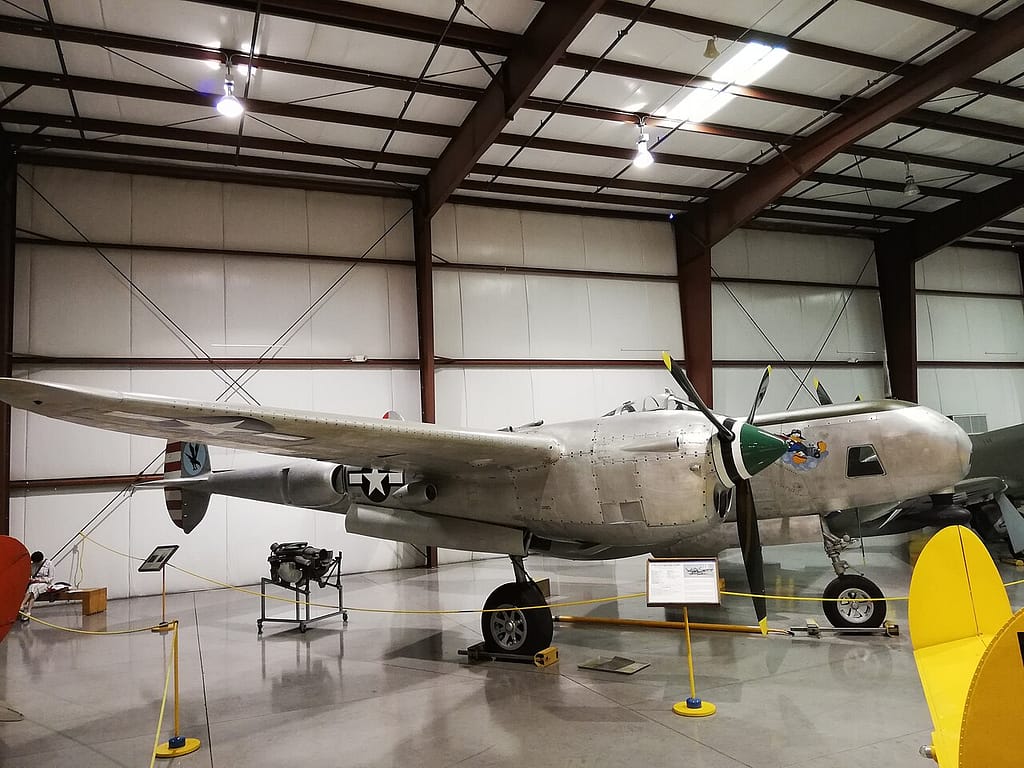
1944 war Warburton Verbindungsoffizier zu den amerikanischen Aufklärungsstaffeln und hatte sich mit Elliott Roosevelt, dem Sohn des Präsidenten, angefreundet. Am 12. April 1944, obwohl er nicht mehr im Einsatz fliegen musste, lieh er sich eine amerikanische Lockheed F-5 – eine mit einer Kamera ausgestattete Version der P-38 Lightning –, um Ziele in Deutschland zu fotografieren. Er verlor den Kontakt zu seiner Eskorte und verschwand spurlos. Kein Wrack, keine Leiche, keine Spur.
Achtundfünfzig Jahre später
Jahrzehntelang galt Warburton als vermisst. Doch 2002 führte ein Flugzeughistoriker, der Absturzstellen untersuchte, die Ermittler zu einem Feld bei Egling an der Paar in Bayern. Dort lagen die Überreste einer F-5 – und ihres Piloten. Ein von Einschusslöchern übersäter Propeller zeugte von einem Treffer durch ein Jagdflugzeug oder Flak. Die Überreste wurden als die von Warburton identifiziert. 2003 wurde er schließlich mit vollen militärischen Ehren auf dem Soldatenfriedhof Dürnbach beigesetzt – seine lange Heimkehr hatte ein Ende gefunden.
Der König der fotografischen Aufklärung, die Perle des Mittelmeers, war gefunden worden.
Quellen: Wikipedia; Malta Aviation Museum (Frederick Galea); Kaiserliches Kriegsmuseum.
Ähnliche Beiträge
0 Kommentare