
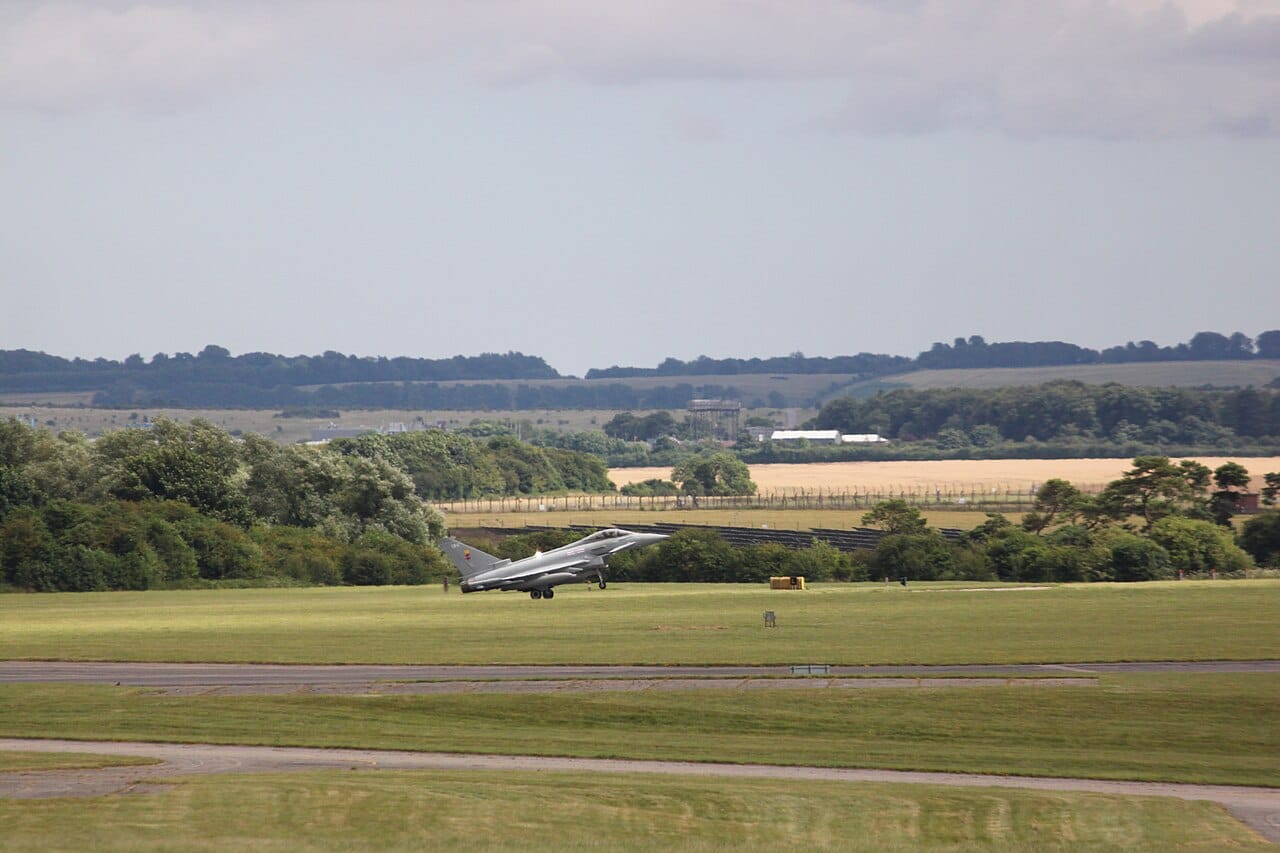
Earlier this year the RAF's first E-7 Wedgetail spent a period at a Wiltshire airfield most people have never heard of, having its systems activated and its radar calibrated, before it was allowed anywhere near an operational squadron.
That is not unusual. Practically every British military aircraft of the last eighty-five years has been through the same place. If it flies for the UK armed forces, somebody at Boscombe Down has tried to break it first.
Kurzinfo
Standort: near Amesbury, Wiltshire, on the edge of Salisbury Plain
Opened: 1930, as RAF Boscombe Down
Testing role since: 9 September 1939, when the A&AEE arrived from Martlesham Heath
A&AEE: the Aeroplane and Armament Experimental Establishment
Runways: two, including the longest military runway in the United Kingdom
Test pilot school: founded 1943, the first in the world, now the Empire Test Pilots' School
ETPS output: over 1,500 graduates from more than 32 countries
Operated by: QinetiQ on behalf of the MoD since 2001
Moved in a hurry, in September 1939
Britain's aircraft testing establishment had been at Martlesham Heath in Suffolk, which in 1939 was an excellent place to be if you wanted to be bombed by Germany. Days after war was declared, the whole organisation moved west to Boscombe Down.
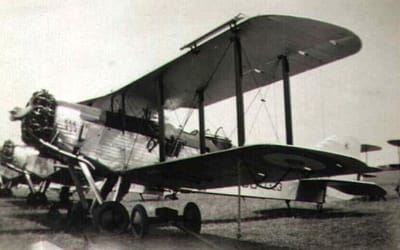
The relocation was chaotic in the way wartime relocations are. Around fifty aircraft plus military and civilian staff arrived by mid-September. The establishment declared itself open on 20 September, at which point it had no access to ranges on which to actually test weapons, which is an awkward gap for an armament experimental establishment.
It got worse. A concrete runway, the thing you need to operate the heavy aircraft you are supposed to be evaluating, was not finished until early 1945. For most of the Second World War, Britain tested its bombers off grass.
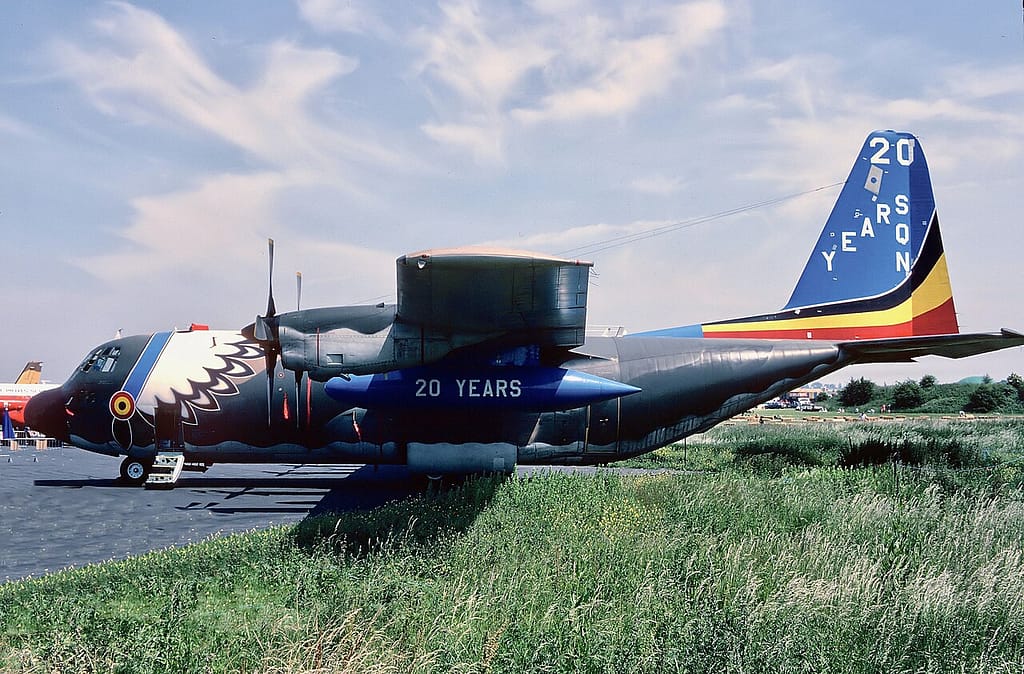
A school founded because people kept dying
The most important institution on the site exists for a grim reason.
During the war, Britain was introducing new aircraft types at enormous speed, and testing them was killing the men who did it. The problem was not courage. It was method. Test flying was being done largely by talented pilots working from instinct, and instinct is a poor tool for finding the edge of an envelope nobody has mapped.
In 1943 Air Marshal Sir Ralph Sorley formed the Test Pilots' Training Flight at Boscombe Down in response. On 21 June 1943 it became the Test Pilots' School, the first institution of its kind anywhere in the world. Every test pilot school since, including the American ones, descends from it.
The insight behind it was that test flying is not a heroic activity but an experimental discipline. A test pilot is not there to survive the aircraft. He is there to gather data about it under controlled conditions, in a defined sequence, so the aircraft can be characterised rather than merely flown.
The BBC filmed an entire ETPS course in 1986, and the footage above is worth the time. It is not a recruiting film. It is students being systematically taken apart and rebuilt as engineers who happen to fly.
What first flew there
The list of aircraft that made their first flights or did their formative testing at Boscombe Down reads like an index of British aviation.
The English Electric P.1, which became the Lightning. The Folland Midge and Gnat. The Hawker P.1067, which became the Hunter, and therefore the aircraft in which a Jordanian pilot would be killed over Hebron in 1966. The Westland Wyvern. And the BAC TSR-2.
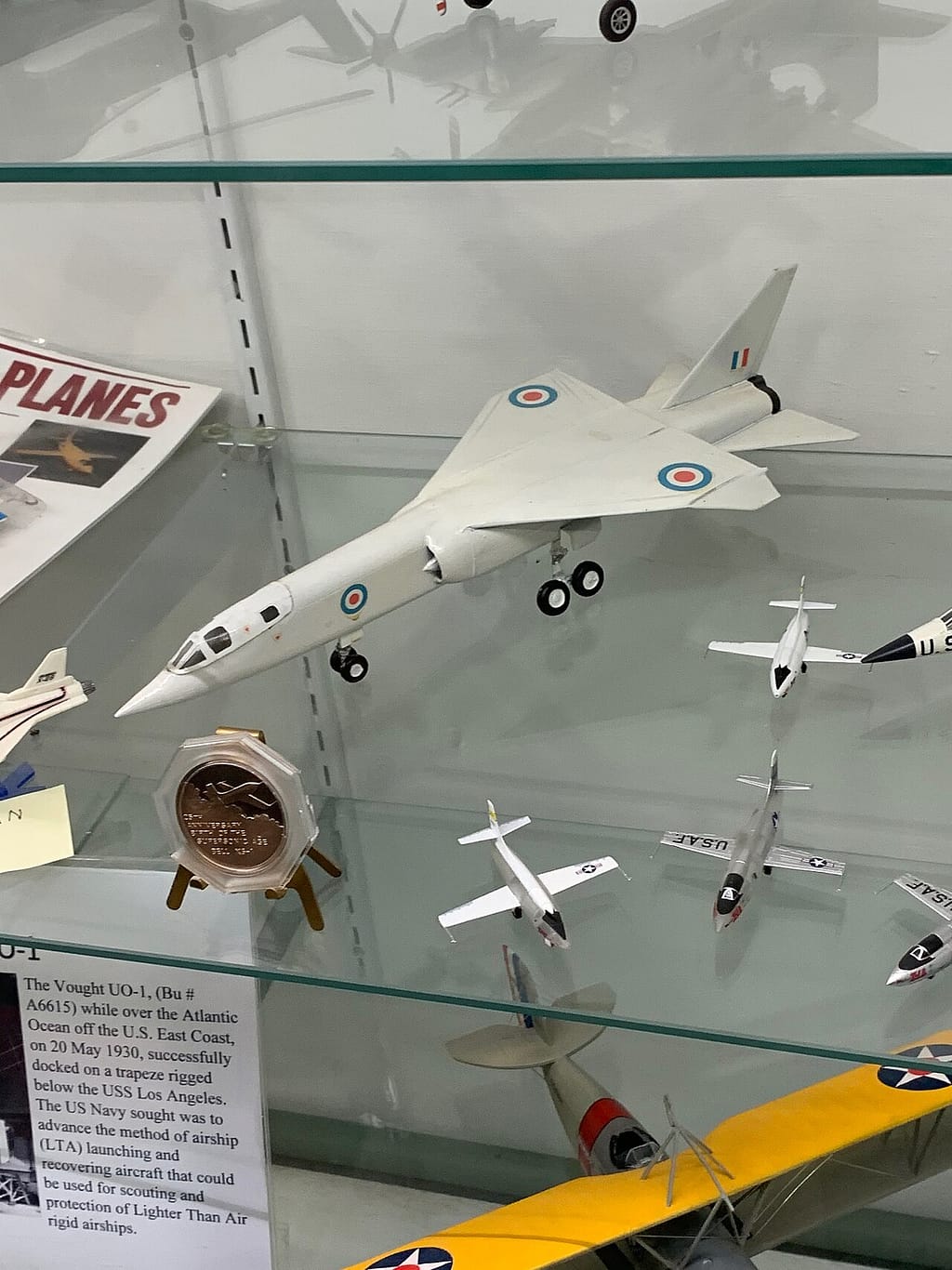
The TSR-2 is the one people still get angry about. By the accounts of the men who flew it at Boscombe Down it was an outstanding aircraft, and it was cancelled in 1965 for reasons of cost and politics rather than performance. The order to destroy the airframes and tooling was carried out thoroughly enough that the decision could never be reversed.
The unglamorous business of saying no
Here is what makes a test establishment genuinely important, and it is not the first flights.
Manufacturers test their aircraft to prove they work. That is their job and their commercial interest. An independent establishment tests them to find out what is wrong with them, which is a different activity carried out by people with no stake in the answer.
Boscombe Down issues the release to service: the document defining what an aircraft is actually cleared to do, in what configuration, within what limits. Those numbers are not marketing. They are the boundaries within which the aircraft has been demonstrated not to kill its crew, and every one of them was established by somebody deliberately flying toward a limit to find out where it was.
An establishment that is willing to say an aircraft is not ready is worth considerably more than one that is not, and the value only shows up in accidents that never happen.
Still working
Since 2001 the site has been run by QinetiQ under a long-term partnering agreement with the Ministry of Defence, a privatisation that raised obvious questions about independence and appears, on the record, to have preserved the function.
ETPS still trains there, using an unusually broad fleet: the Pilatus PC-21, Grob G120TP, an Avro RJ airliner, AW139 and A109 helicopters, an Airbus H125, and uniquely among the world's test pilot schools, a fourth-generation fighter, currently the Eurofighter Typhoon.
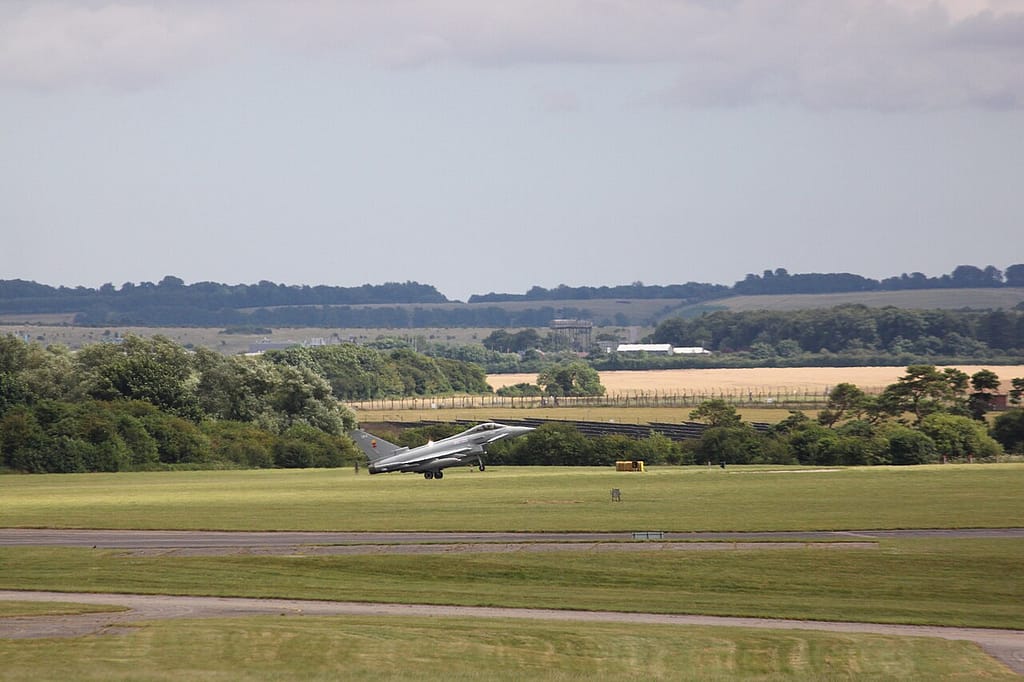
So when the RAF's first Wedgetail went to Boscombe Down this year for systems activation and radar calibration before heading to Lossiemouth, it was following a route worn smooth by the Lancaster, the Hunter, the Lightning, the Harrier, the Tornado and the Typhoon.
Nothing gets to the squadrons until somebody in Wiltshire has spent months trying to find out what is wrong with it. That is the whole point, and it is why the place has survived a war, a privatisation and eighty-five years of defence reviews.
Sources: QinetiQ, Royal Air Force, Empire Test Pilots' School, Boscombe Down Aviation Collection, Key Aero.

0 Kommentare