
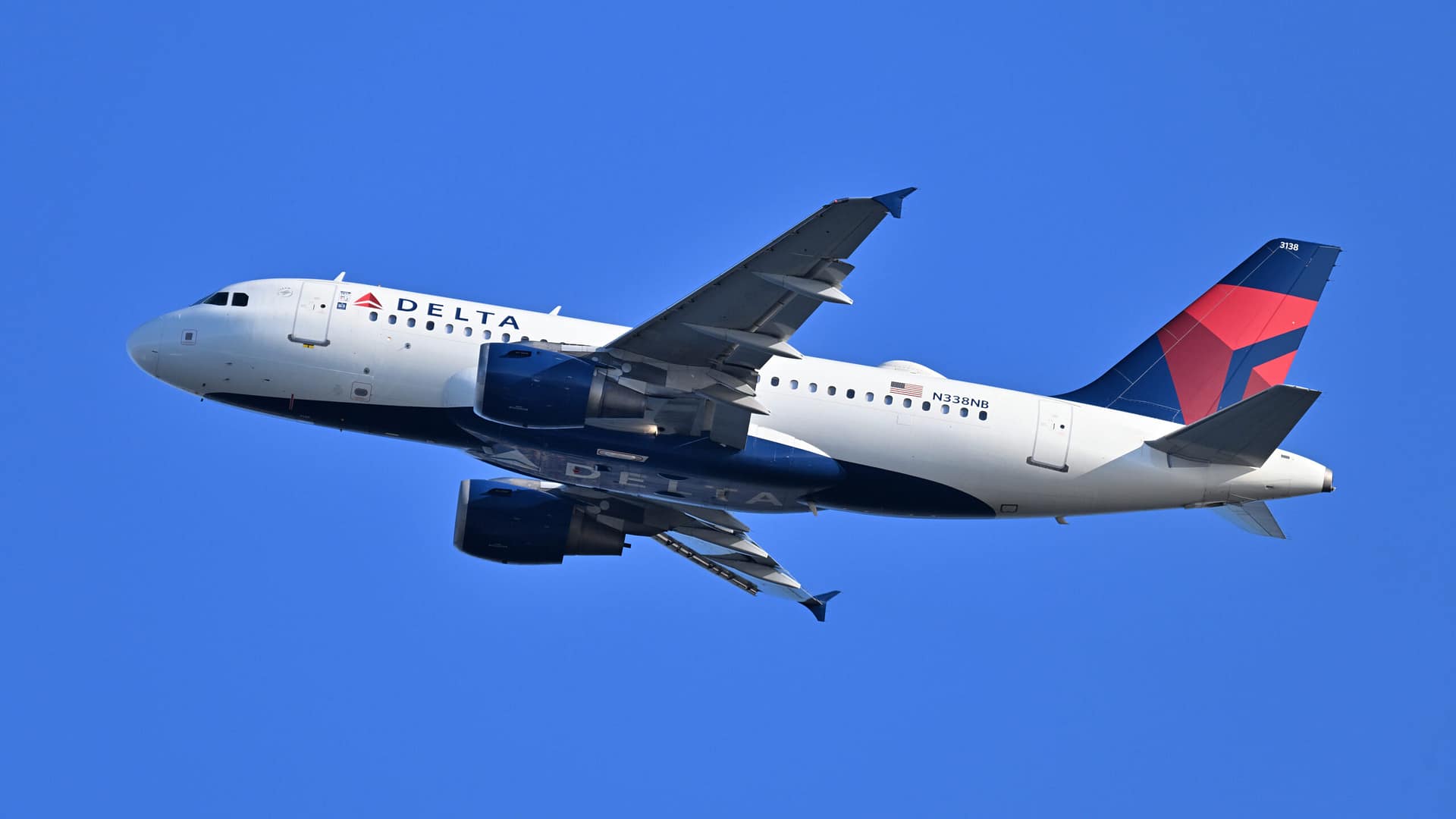
A football field is 300 feet long. On the morning of 20 June 2026, that was roughly the margin between an ordinary Saturday at Boston Logan and a disaster the whole country would still be talking about.
Delta Flight 2351, an Airbus A319 in from Dallas with 135 people aboard, was seconds from touchdown when its crew saw something that should never have been there: an American Airlines Boeing 737-800, rolling for takeoff straight across their runway. They did the one thing that saved everyone — they went around.
The engines spooled up, the A319 climbed away, circled, and landed a few minutes later as if nothing had happened. The 129 passengers deplaned normally. Most of them probably never knew how close it was.
- Was: a near-collision at Boston Logan between a landing Delta Airbus A319 and a departing American Boeing 737-800
- Wann: Saturday, 20 June 2026, around 11:30 a.m.
- How close: roughly 325–350 feet apart at the runway intersection — and the closest points of the jets were likely nearer still
- What saved it: the Delta crew saw the 737 and went around; the A319 (135 people aboard) climbed, circled and landed safely
- Under scrutiny: an apparent air-traffic-control error involving two intersecting runways
- The kicker: a second Logan flight had to abort a landing days later; the NTSB and FAA are both investigating
How close is 325 feet, really?
Investigators put the two jets about 325 to 350 feet apart at the point where the runways cross — and they’re careful to note the nearest parts of the aircraft were likely closer than that. For context, airliners are supposed to be separated by miles, not by the length of a city block. A few hundred feet between two loaded jets is the kind of number that makes safety inspectors lose sleep.
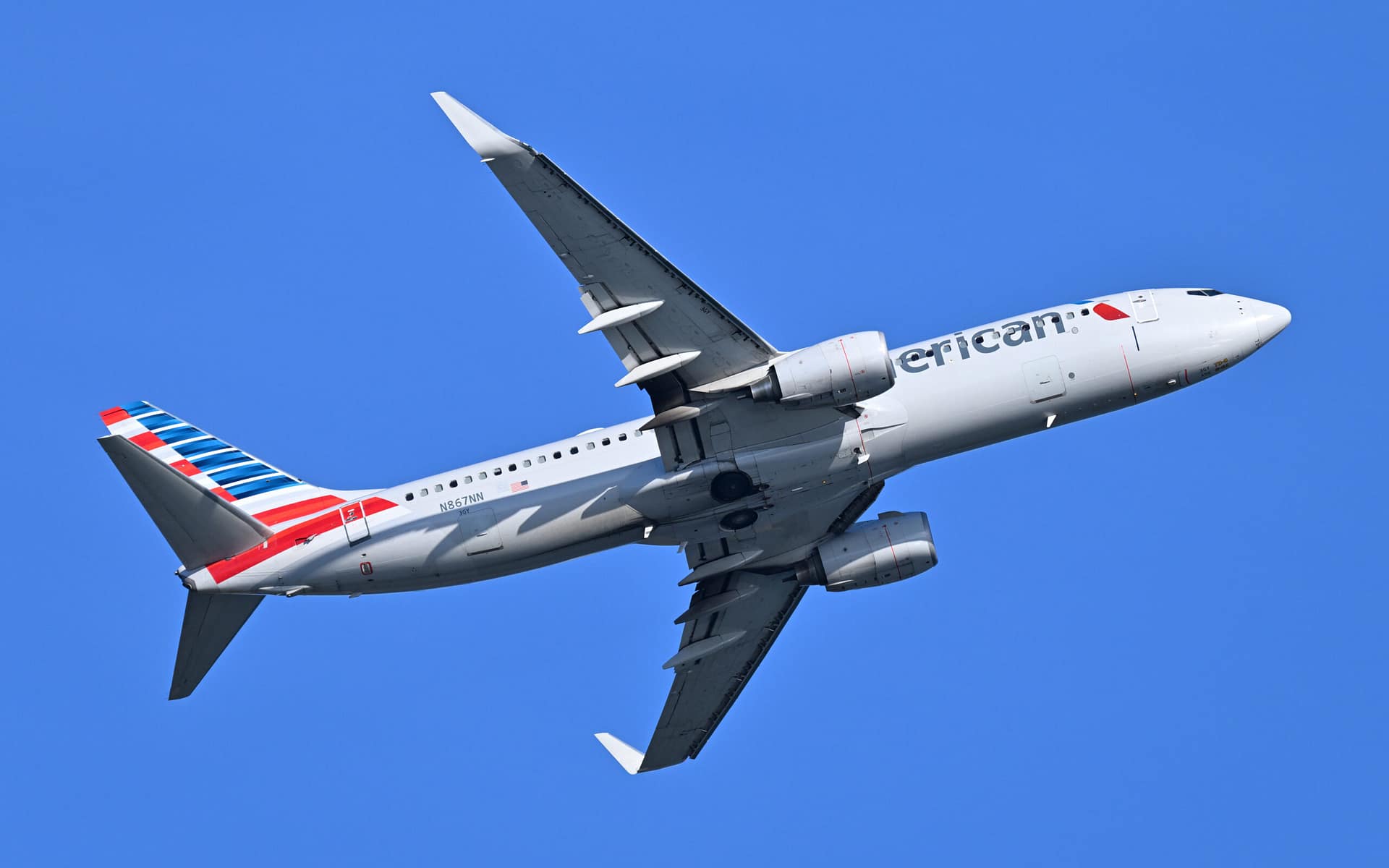
What turned a potential catastrophe into a non-event was not technology. It was a human being in the left seat of the Delta jet, looking out the window and making a split-second call. The go-around — drilled into every airline pilot as a routine option, not a failure — is the unglamorous manoeuvre that quietly saves lives, and it saved 135 of them here.
The part that should worry you
The uncomfortable question is why the Delta crew had to save the day at all. Early reporting points to an air-traffic-control error: somehow, one aircraft was cleared to depart across a runway another was cleared to land on. That is precisely the kind of mistake the system is built to make impossible.
It also did not happen in a vacuum. Logan’s tower has been running at around 85% of its target controller staffing, part of a national shortage that has stretched the people watching America’s busiest skies ever thinner. And if you want proof this was not a one-off: just days later, a second flight at Logan had to abort its own landing to avoid a plane on the runway.
Two agencies are now investigating. The good news is that the system’s last line of defence — a trained crew and a well-practised go-around — held. The bad news is that, twice in one week, it had to.
Sources: NTSB; FAA; The Boston Globe; Reuters; Simple Flying.
Verwandte Fragen
What happened at Boston Logan on 20 June 2026?
A Delta Air Lines Airbus A319 arriving from Dallas was cleared to land at Boston Logan while an American Airlines Boeing 737-800 was departing from an intersecting runway. The two jets came within about 325–350 feet of each other before the Delta crew aborted the landing and climbed away. No one was hurt.
How close did the planes come?
Based on barometric readings, the aircraft were roughly 325 to 350 feet apart at the runway intersection, and investigators note the closest points of the two jets were probably a little nearer than that. In aviation terms, a few hundred feet between two airliners is dangerously close.
Who avoided the collision?
The crew of the Delta A319 spotted the departing Boeing 737 and immediately executed a go-around — firewalling the engines and climbing away rather than continuing to land. The jet, carrying 129 passengers and six crew, circled and landed safely a short time later.
What is a go-around?
A go-around is a standard, practised manoeuvre in which a landing crew abandons the approach, applies full power and climbs away to try again. It is taught as a routine safety decision, not an emergency — but it is exactly the tool that prevented a catastrophe at Logan.
Why is this being investigated so seriously?
Two U.S. agencies — the NTSB and the FAA — have opened investigations because the incident appears to stem from an air-traffic-control error at intersecting runways, and because it was followed days later by a second aborted landing at the same airport. Both are happening while Logan's control tower is significantly short-staffed.
0 Kommentare