
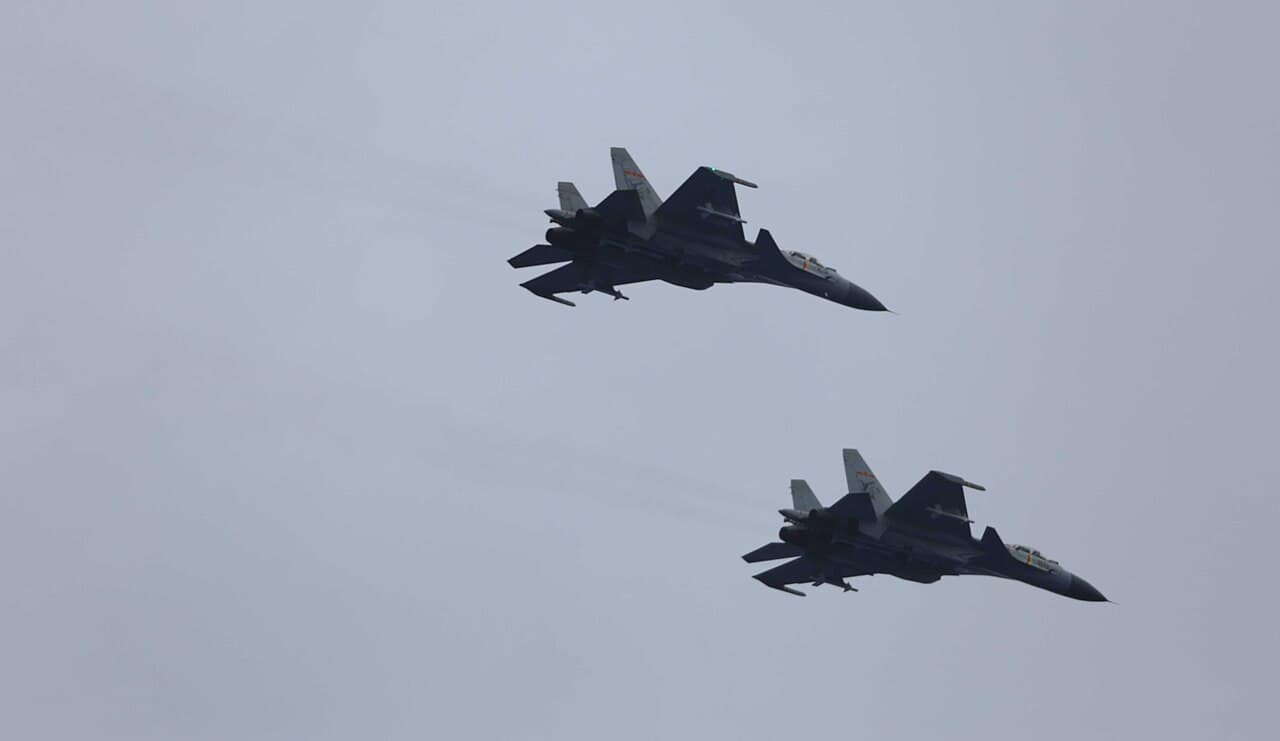
Ein Flugzeugträger ist nur so leistungsfähig wie die Besatzung. Am 14. Juli 2026 veröffentlichte die Marine der Volksbefreiungsarmee Bildmaterial, das dies deutlich unterstrich: Kampfflugzeuge der J-15-Familie absolvierten Start- und Landeübungen an Land und erweiterten so systematisch den Pool an Piloten und Deckbesatzungen, den China für den reibungslosen Betrieb seines neuesten Flugzeugträgers benötigt.
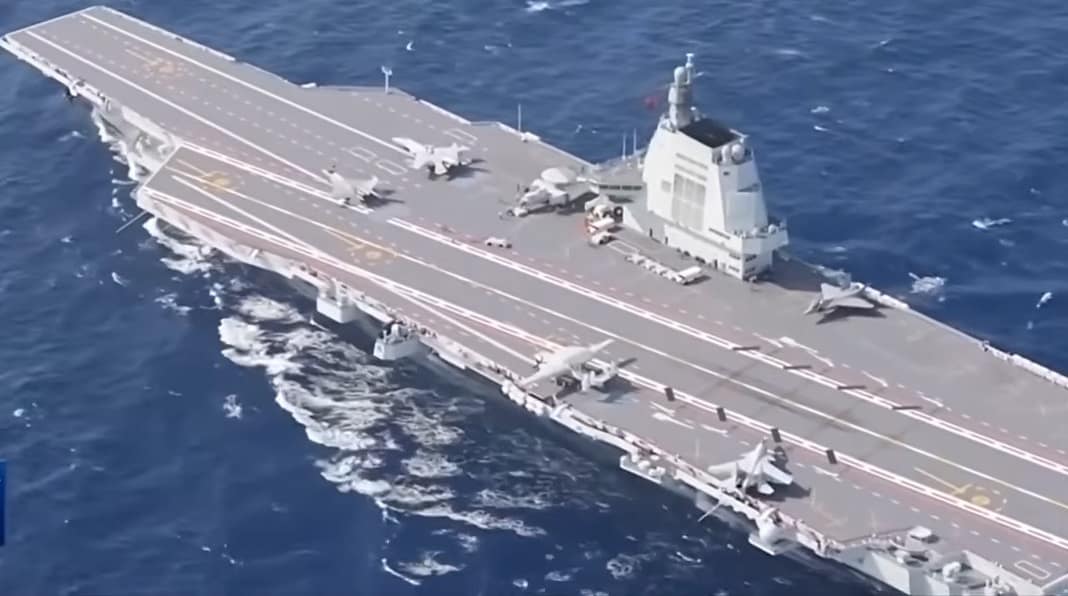
Die Aufnahmen wirken auf den ersten Blick nicht dramatisch – Flugzeuge starten, landen, rollen, werden gewartet und starten erneut. Doch die bewusste Wiederholung ist die eigentliche Geschichte. Peking baut die menschliche Infrastruktur hinter der Fujian auf, seinem dritten und modernsten Flugzeugträger, der als erster mit elektromagnetischen Katapulten anstelle einer Skisprungschanze ausgestattet ist.
Kurzinfo
| Ereignis | Erweiterte landgestützte J-15-Trägerzyklus-Schulung (Bildmaterial veröffentlicht am 14. Juli 2026) |
| Zweck | Den Pool an Piloten und Decksmannschaften für den Flugzeugträger Fujian vergrößern |
| Trainingsbasis | Huangdicun, in der Nähe von Huludao, Provinz Liaoning |
| Träger | Fujian – Chinas dritter Flugzeugträger, der erste mit elektromagnetischen Katapulten |
| Wichtige Flugzeuge | J-15T (Katapultvariante), J-35, KJ-600 |
| Angegebener Meilenstein | Fujian wird im Laufe des Jahres 2026 die volle Kampffähigkeit erreichen (chinesische Staatsmedien) |
Eine Bodenschule von der Größe eines Flugdecks
Das Training konzentriert sich auf Huangdicun bei Huludao in der Provinz Liaoning – dem wichtigsten Test- und Trainingsstützpunkt der Marine der Volksbefreiungsarmee für Flugzeugträger. Satellitenbilder des Geländes zeigen seit Langem Skisprungschanzen, Fangseile, Markierungen für Flugzeugträgerdecks und seit Kurzem auch landgestützte Katapultbahnen. Für diese Übung wurde ein Teil der Start- und Landebahn markiert, um einen Flugzeugträgerlandeplatz zu simulieren, und die Besatzungen führten die Flugzeuge durch einen kompletten Betriebszyklus.
Die Methode ist gerade deshalb so unspektakulär, weil sie funktioniert: Jede etablierte Flugzeugträgerflotte entwickelt ihre Abläufe zunächst an Land, wo Fehler kaum ins Gewicht fallen. Entscheidend ist der Umfang. Für den Betrieb von Flugzeugträgern mit hohem Tempo braucht es weit mehr als nur eine Handvoll qualifizierter Piloten; es braucht ein ganzes, gut ausgebildetes System aus Startoffizieren, Fangseilteams, Tankern und Munitionsbesatzungen. Genau das produziert die Marine der Volksbefreiungsarmee jetzt in großem Umfang.
Das ist die optimistische Interpretation der staatlichen Medien. Westliche Analysten sind zurückhaltender und merken an, dass der Aufbau eines wirklich leistungsfähigen Flugzeugträgergeschwaders – eines Geschwaders, das Tag und Nacht unter umkämpften Bedingungen Einsätze fliegen kann – typischerweise jahrelange Übung auf See erfordert, die über die ersten erfolgreichen Starts hinausgeht. Die landgestützten Übungen sind ein notwendiger Schritt, aber keine fertige Fähigkeit.
Warum das Katapult die Mathematik verändert
Die elektromagnetischen Katapulte der Fujian machen diesen Ausbau so bedeutsam. Eine Skisprungschanze zwingt einen Kampfjet zum Start mit eigenem Schub, was sein Startgewicht und damit auch die Treibstoff- und Waffenkapazität begrenzt. Ein Katapult hebt diese Begrenzung auf. Anfang Juli 2026 zeigten Bilder angeblich eine katapultfähige J-15T, die mit vier YJ-83K-Seezielflugkörpern – etwa 2,9 Tonnen Bewaffnung ohne Treibstoff und Luft-Luft-Raketen – von der Fujian startete. Im Vergleich dazu sind bei J-15, die üblicherweise von einer Skisprungschanze aus starten, nur ein oder zwei Flugkörper an Bord. Diese Angaben basieren auf Bildanalysen und sind keine offiziellen Daten; sie sind daher als Näherungswerte zu verstehen.
Der praktische Effekt ist offensichtlich. Ein Katapultträger kann schwerere Kampfflugzeuge mit größerer Reichweite häufiger in die Luft befördern. Die Nutzung dieses Vorteils hängt jedoch einzig und allein von einer ausreichenden Anzahl ausgebildeter Besatzungen ab, die den Startvorgang aufrechterhalten – und genau das sollen die jüngsten Übungen gewährleisten.
Die Flugbahn
China hat die Entwicklung der Kampffähigkeit des Flugzeugträgers Fujian von den Katapultversuchen bis hin zu einem Tempo vorangetrieben, das nur wenige Marinen erreicht haben. Chinesische Staatsmedien gaben an, dass der Flugzeugträger voraussichtlich im Laufe des Jahres 2026 seine volle Kampffähigkeit erreichen wird. Ob dieser Zeitplan eingehalten wird, ist ungewiss; die Richtung ist jedoch eindeutig: ein methodisches, industriell angelegtes Vorhaben, um eine echte Hochseeflugzeugträgerflotte aufzubauen – mit jeweils einer ausgebildeten Deckbesatzung.
Aufnahmen der PLA zeigen die elektromagnetischen Katapulte der Fujian, die Flugzeuge vom Typ J-15T, J-35 und KJ-600 starten – eine Fähigkeit, die durch das derzeitige landgestützte Training in großem Umfang erhalten werden soll.
Quellen: Army Recognition; Global Times; Defense Mirror; Military Watch Magazine; The War Zone.

0 Kommentare