
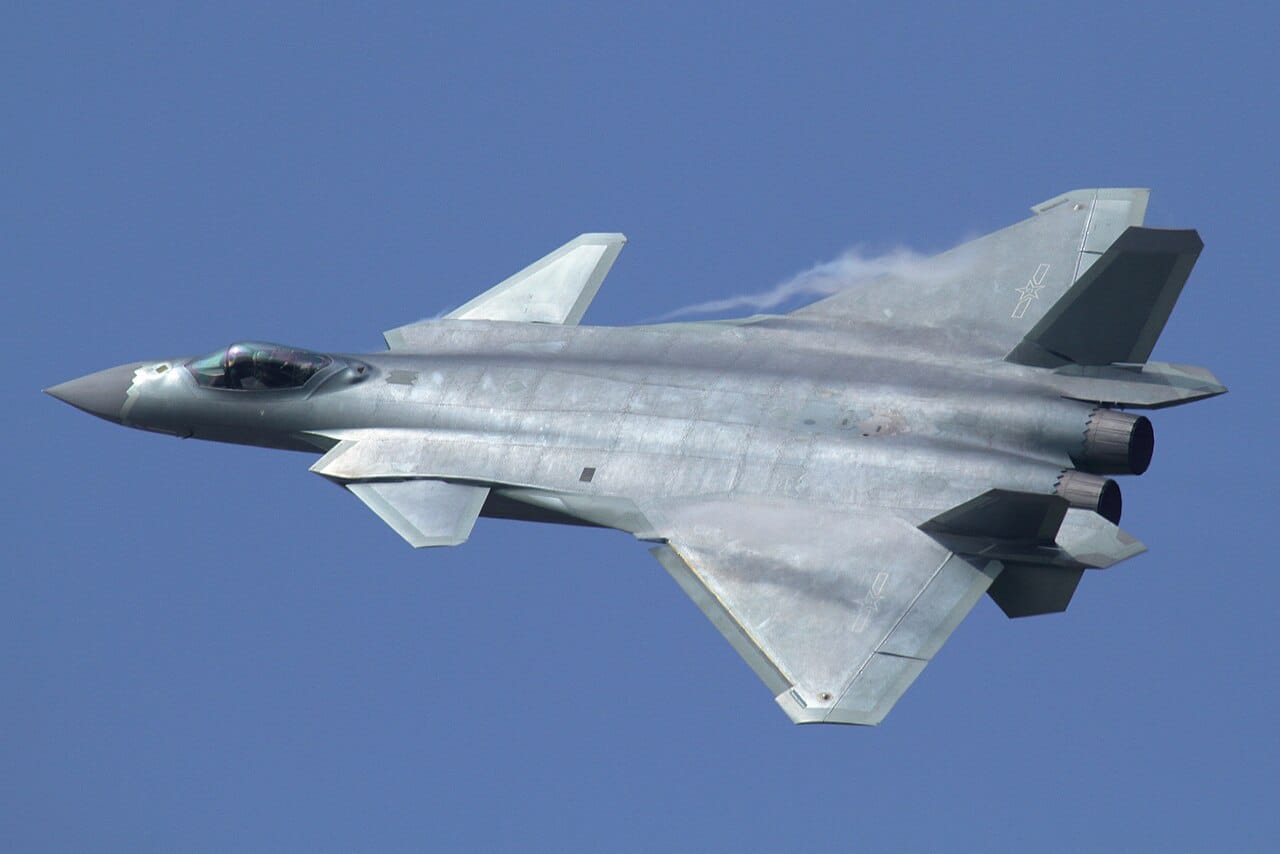
China testet offenbar nicht nur einen, sondern gleich zwei Kampfflugzeuge der sechsten Generation gleichzeitig – und das weniger bekannte der beiden ist gerade auf neuem Bildmaterial aus dem Jahr 2026 wieder aufgetaucht.
Neue Aufnahmen und Bilder aus Einrichtungen der Shenyang Aircraft Corporation zeigen die sogenannte J-50: ein zweistrahliges, schwanzloses Tarnkappenflugzeug, das vermutlich unter anderem für Flugzeugträgereinsätze vorgesehen ist. Es ist das kleinere Schwestermodell der größeren, dreistrahligen J-36 aus Chengdu – und beide Flugzeuge unterstreichen Pekings Absicht, noch vor 2030 einen einsatzfähigen Kampfjet der sechsten Generation in Dienst zu stellen.
Kurzinfo
- Flugzeug: ""J-50" (inoffizielle Bezeichnung), Shenyang
- Konfiguration: schwanzloser, zweimotoriger Tarnkappenjäger
- Begleitprogramm: die größere, dreimotorige Chengdu J-36
- Status: Neue Bilder vom Testflug 2026; keine offizielle Bestätigung
- Ziel: Einsatzbereiter Kampfjet der sechsten Generation vor 2030
Zwei Jets, zwei Büros, ein Rennen
Das Besondere an Chinas Bemühungen ist, dass zwei Konstruktionsbüros parallel zwei verschiedene Prototypen der sechsten Generation fliegen lassen – Chengdu mit der großen J-36, Shenyang mit der kleineren J-50. Die schwanzlose Form beider Flugzeuge deutet auf extreme Tarnkappeneigenschaften und einen klaren Bruch mit den Canards und Leitwerken der Vorgängermodelle hin. J-20 Generation.
Warum der Westen zuschaut
Die USA entwickeln ihren eigenen Kampfjet der sechsten Generation, die F-47, und das GCAP-Programm zwischen Großbritannien, Italien und Japan strebt eine Indienststellung im Jahr 2035 an. Sollte China als erstes Land einen Jet der sechsten Generation fliegen und einsetzen, würde dies eine symbolische und strategische Verschiebung des Machtgleichgewichts im Indopazifik bedeuten. Peking hat zwar noch nichts bestätigt – doch die stetig auftauchenden Bilder, Rolltests und Flüge sprechen für sich.
Quellen: Army Recognition; The War Zone; Zona Militar; Open-Source-Bildanalyse.
Verwandte Fragen
Was ist Chinas J-50-Kampfjet?
Die Bezeichnung "J-50" ist inoffiziell für einen zweistrahligen, schwanzlosen Tarnkappenjäger, der vom chinesischen Flugzeugbaubüro Shenyang entwickelt wird. Neue Bilder von Testflügen tauchten 2026 auf, eine offizielle Bestätigung aus Peking steht jedoch noch aus. Es wird allgemein angenommen, dass es sich neben dem größeren Prototyp des J-50 aus Chengdu um einen von zwei chinesischen Prototypen eines Kampfflugzeugs der sechsten Generation handelt. dreimotorige J-36.
Wie viele Kampfflugzeuge der sechsten Generation entwickelt China?
China scheint mindestens zwei Prototypen der sechsten Generation parallel zu testen: die kleinere, schwanzlose zweistrahlige "J-50" aus Shenyang und die größere, dreistrahlige J-36 aus Chengdu. Der gleichzeitige Betrieb zweier konkurrierender Konstruktionsbüros ist ungewöhnlich und deutet auf ein ambitioniertes Vorhaben hin, noch vor 2030 einen einsatzfähigen Kampfjet der sechsten Generation bereitzustellen.
Was macht die J-50 zu einem Tarnkappenjäger?
Das charakteristische Merkmal der J-50 ist ihr schwanzloses Profil – ohne Seitenleitwerk oder Canards –, wodurch Radarreflexionen drastisch reduziert und extreme Tarnkappeneigenschaften erzielt werden. Dies stellt einen klaren Bruch mit der Canard- und Leitwerkskonfiguration der im Einsatz befindlichen chinesischen J-20 dar. In Kombination mit zwei Triebwerken deutet die Form auf ein echtes Design der sechsten Generation hin, das für geringe Radarsignatur optimiert ist.
Wie schneidet Chinas Technologiebemühung der sechsten Generation im Vergleich zu den amerikanischen ab?
China testet zwei Prototypen der sechsten Generation (die J-50 und die J-36), während die Vereinigten Staaten ihre eigenen Kampfflugzeuge und Plattformen der nächsten Generation, wie beispielsweise Tarnkappenflugzeuge, weiterentwickeln. B-21 Raider Bomber und die F-47. Der Westen beobachtet die Entwicklung genau, da China vor 2030 einen einsatzfähigen Kampfjet der sechsten Generation in Dienst stellen will, was den langjährigen Vorsprung der USA im Bereich der Tarnkappentechnologie potenziell verringern könnte.
Hat China die J-50 offiziell bestätigt?
Nein. China hat die J-50 nicht offiziell bestätigt, und das Flugzeug ist offiziell noch nicht fotografiert worden – es existieren lediglich Bilder aus sozialen Medien und von Testflügen. Selbst die Bezeichnung ist inoffiziell. Diese Geheimhaltung ist typisch für chinesische Prototypenprogramme, bei denen neue Tarnkappenjets oft zuerst auf unscharfen Online-Fotos auftauchen, bevor die Regierung sie offiziell bestätigt.
Ähnliche Beiträge
Die Türkei kombiniert den KAAN mit zwei Roboter-Flügelmännern
Mach 8 und Atomkraft: Frankreich gibt grünes Licht für die Hyperschallrakete ASN4G
0 Kommentare