
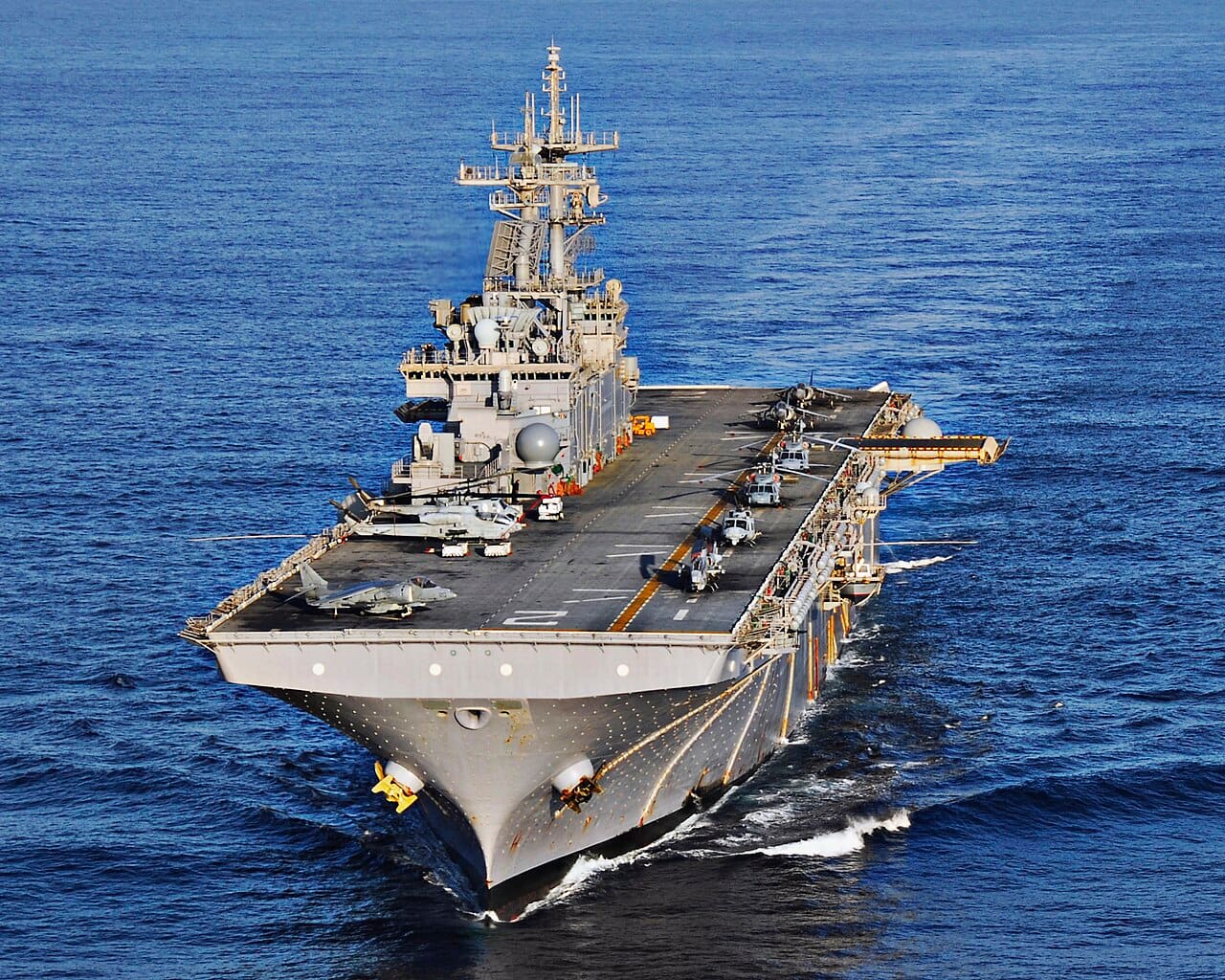
Picture a shipping container bolted to the deck of a warship, its interior glowing with the soft light of industrial 3D printers. Outside, the sea is heaving — twelve-foot waves, some of the roughest water off California in five years. Inside, layer by layer, the machines are building drones. Whole, flight-ready aircraft, printed at sea on a moving ship, with no help from shore.
That was the scene aboard the USS Essex this summer as the amphibious assault ship sailed from San Diego to Hawaii for RIMPAC 2026. The company behind it, San Diego's Firestorm Labs, says it produced more than 1,000 parts and a dozen complete drones during the two-week crossing — the first time its containerised “factory in a box” has run in earnest at sea.
It sounds like a gimmick. It is closer to a glimpse of how the next war might be supplied.
Kurzinfo
- WHO: Firestorm Labs, using its xCell containerised manufacturing platform
- Wo: aboard USS Essex (LHD-2), transiting to RIMPAC 2026 in Hawaii
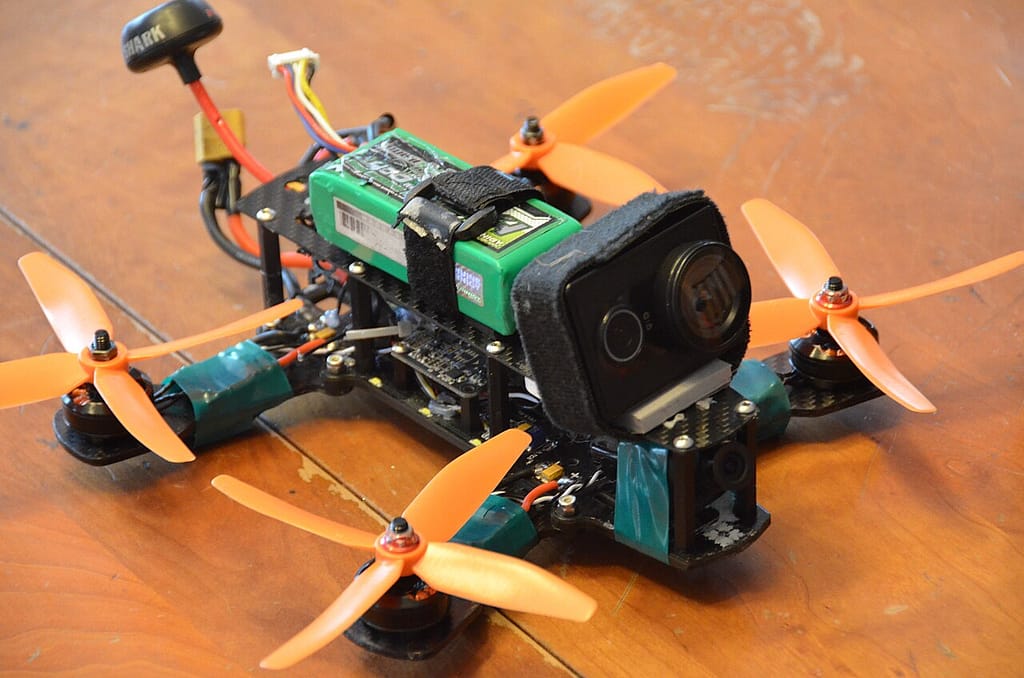
- Was: 1,000+ parts and 12 Squall FPV drones printed and built at sea in two weeks
- Conditions: Sea State 5, waves up to 12 feet
- The kit: two 20-foot containers with industrial HP Multi Jet Fusion printers; a complete airframe in 9-24 hours
- The point: first maritime demo of building combat mass and spare parts at the point of need, without shore resupply
A factory that fits in two shipping containers
Firestorm's system is called xCell, and the concept is deceptively simple: pack a small production line into a pair of expandable 20-foot ISO containers, drop it wherever it's needed, and print. Inside are industrial HP Multi Jet Fusion printers and semi-automated assembly stations. Feed it a design and it can turn out a complete, ready-to-fly airframe in nine to twenty-four hours, and up to roughly fifty Group 2 drones a month from a single unit.
This is not a garage startup. Firestorm has raised more than $150 million from backers including Lockheed Martin, In-Q-Tel and Booz Allen Ventures, and holds a five-year U.S. Air Force contract worth up to $100 million through AFWERX. The pitch that won all that money is exactly what played out on the Essex: build the drone where you need it, instead of shipping it halfway around the planet.
The company has also won a separate contract to push xCell microfactories and its uncrewed systems into the Indo-Pacific — the theatre where the whole idea will be tested if it is ever tested for real.
Twelve drones in twelve-foot seas
The hard part was doing it while the ocean tried to shake the printers apart. Crossing in Sea State 5, with what the crew was told was the roughest water off the California coast in five years, xCell printed three kinds of output: test coupons to check whether the printers even worked underway, components for Firestorm's Squall FPV drones, and repair parts the ship's own crew asked for.
The headline result was the drones. Firestorm printed and assembled twelve Squall first-person-view quadcopters aboard the Essex, training soldiers, sailors and Marines to build and fly them along the way. Once in Hawaii, Marines from the 3rd Light Armored Reconnaissance Battalion flew those very drones as the “red cell” adversary during a counter-drone exercise at the Makua Military Reservation on Oahu — ship-built aircraft, used in the field, days later.
A rotor guard, a life-vest adapter, and the real point
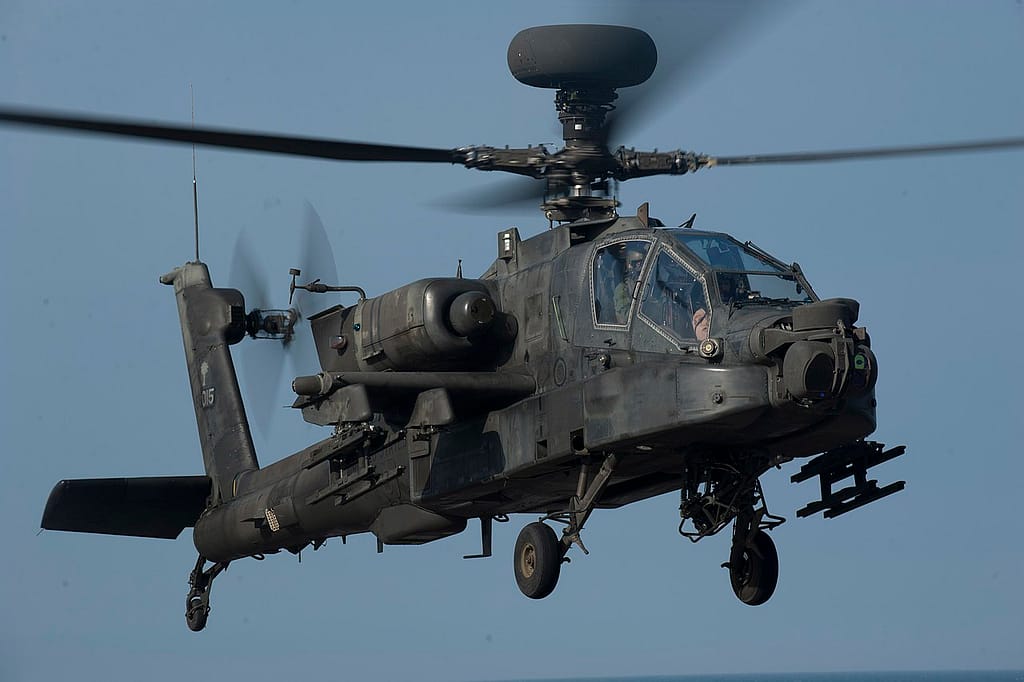
Some of the most telling parts weren't glamorous at all. When Army Apaches operated from the Essex's deck — reportedly the first time Army and Navy have run at-sea Apache operations with rotors mounted — Firestorm designed and printed a droop stop to keep the main rotor from scraping the deck in the swell. The maths there is brutal: an Apache main rotor is a roughly $500,000 component, and each blade strike runs about $230,000, across four blades.
Then there was the mundane genius: an adapter, printed from a sailor's sketch, that let a vacuum inflate and deflate life-preserver units for testing — a part that apparently didn't exist before. Add gauges, valve handwheels, a non-conductive digging knife for the bomb-disposal team, a Starlink mount and assorted door hardware, and you have more than twenty crew-requested items made from broken, lost or simply unavailable stock.
Why the Navy is paying attention
The strategic backdrop is a fleet stretched thin. Of roughly 290 ships in active U.S. Navy service, only about a third are deployed at any moment; another third are training and the rest are in repair. China's navy, by contrast, has grown to some 400 ships backed by hundreds of supply vessels. Anything that keeps a ship on station longer — a printed part instead of a weeks-long resupply run — is strategically valuable.
Every part made on deck is one that doesn't have to be flown or convoyed across contested water. That is the whole argument for “expeditionary manufacturing”: shrink the distance between needing something and having it, from months to hours. A dozen printed drones does not win a war. But a warship that can regenerate its own spares and its own attritable aircraft, far from any friendly port, is a very different kind of problem for an adversary to solve.
Sources: Firestorm Labs (GlobeNewswire), Defense One, Defense News, USNI News, Interesting Engineering, TechCrunch. Quotes as reported by Firestorm's release and Defense One.


0 Kommentare