
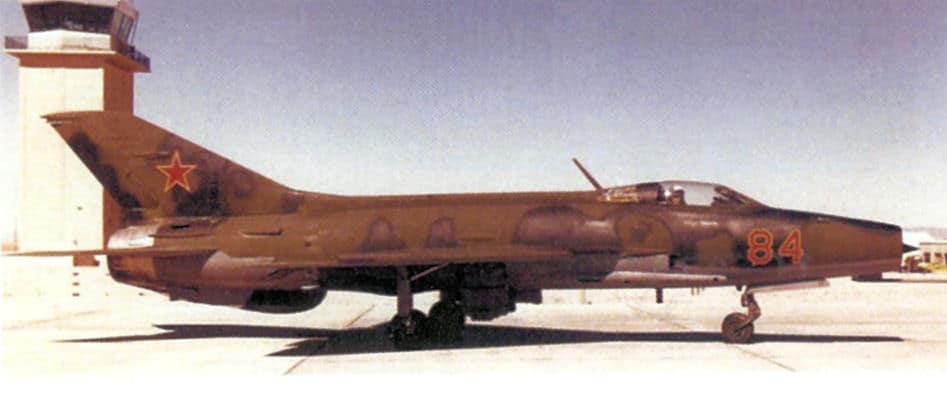
Irgendwo über der Wüste Nevadas rollt ein junger amerikanischer Kampfpilot in eine Kurve und sieht etwas, das dort eigentlich nicht sein dürfte. Ein gedrungener, silberner Pfeil gleitet neben seinem Flügel in Formation – Stupsnase, scharfes Delta, ein roter Stern anstelle des Hoheitsabzeichens. Es ist eine MiG. Eine echte. Sein Puls rast, sein Mund wird trocken, und für einen Herzschlag sind all seine Ausbildung und sein Selbstbewusstsein wie weggeblasen.
Diese Reaktion hatte innerhalb des Programms einen Namen: “Buck-Fieber”. Und genau darum ging es bei der Behandlung dieser Reaktion – bevor ein Pilot über feindlichem Gebiet mit Raketen im Flug tatsächlich in die Falle tappen musste. Fast ein Jahrzehnt lang setzte die US-Luftwaffe erbeutete und erworbene sowjetische Kampfflugzeuge heimlich gegen die eigenen Besatzungen ein, von einem geheimen Flugfeld aus, von dem die meisten Amerikaner noch nie gehört hatten.
Das Programm hieß Constant Peg. Die Männer, die die MiGs flogen, nannten sich die Roten Adler. Und jahrelang wusste fast niemand, dass sie da waren.
• Programm: Constant Peg – benannt nach dem Rufzeichen ’Constant“ von General Hoyt Vandenberg Jr. und der Ehefrau von Major Gail Peck, Peggy (”Peg“).
• Einheit: 4477. Test- und Evaluierungsgeschwader, die “Roten Adler”
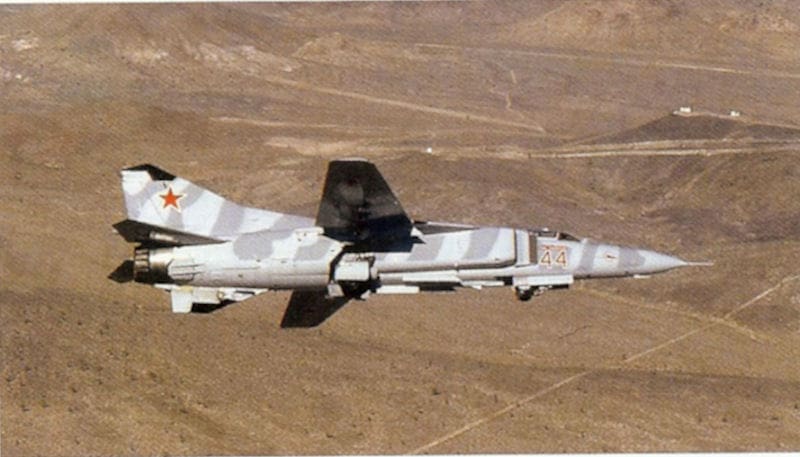
• Flugzeug: MiG-17 “"Fresko,"” MiG-21 “Fischbeet” und MiG-23 “Peitsche”
• Base: Tonopah Test Range Flugplatz, abgelegenes Nevada (Betrieb seit 1979)
• Ran: etwa 1979–1988 (letzte Einsätze März 1988; Einheit 1990 aufgelöst)
• Erreichen: 69 “Bandit”-Piloten flogen mehr als 15.000 Einsätze und setzten dabei fast 6.000 US-amerikanische Besatzungsmitglieder echten MiG-Kampfjets aus.
• Freigegeben: 2006
Eine in Vietnam verfasste Lektion
Constant Peg entstand aus einer harten, blutigen Lektion. Am Himmel über Nordvietnam flogen amerikanische Besatzungen große, mit Raketen bewaffnete Jets wie die F-4 Die Phantom war von den wendigen MiG-17 und MiG-21 gedemütigt worden. Das Pentagon hatte sich selbst davon überzeugt, dass Luftkämpfe überholt seien – dass das Zeitalter der Geschütze und der Kurvenkämpfe vorbei und das Zeitalter der Lenkraketen angebrochen sei. Die MiGs bewiesen das Gegenteil. Die Abschussquoten, die die Amerikaner für selbstverständlich gehalten hatten, brachen zusammen.
Die Marine reagierte mit der Gründung von TOPGUN und der Wiederbelebung der Luftkampfkunst, wodurch ihre Abschussquote sprunghaft anstieg. Die Luftwaffe hinkte hinterher. Was sie brauchte, waren nicht nur in sowjetischer Taktik ausgebildete Piloten, sondern auch die tatsächlichen sowjetischen Jets als Gegner – damit ein amerikanischer Pilot, wenn er schließlich einem sowjetischen Kampfflugzeug begegnete, nicht zum ersten Mal auf eine solche traf.
Ein Rufzeichen, der Name der Ehefrau und eine Serviette
Die Idee wurde von Major Gail Peck, einem Vietnamveteranen und F-4-Piloten, vorangetrieben, der mit der Ausbildung der Jagdfliegerbesatzungen seiner Streitkräfte unzufrieden war. Peck hatte von den früheren, streng geheimen Programmen „Have Doughnut“ und „Have Drill“ gehört, in denen die USA heimlich einige wenige, über Israel beschaffte MiG-Kampfjets getestet hatten. Er wollte mehr als nur ein Testprogramm. Er wollte eine Ausbildungsstätte.
In Generalmajor Hoyt “Sandy” Vandenberg Jr. fand er einen Förderer, der dem Projekt sein Rufzeichen “Constant” zur Verfügung stellte. Peck ergänzte den Namen mit dem Spitznamen seiner Frau Peggy, “Peg”. Der gesamte Flugplatz, so Peck später, entstand aus einer Skizze, die er mit einem Kugelschreiber auf einer Serviette an Bord eines Passagierflugzeugs anfertigte – eine Start- und Landebahn, ein Vorfeld, drei Hangars. Der Standort, von dem er überzeugt war, dass er der richtige war: das Tonopah Testgelände, ein so abgelegenes Stück Wüstenland der Regierung, dass es erst 1985 offiziell als Flugplatz der Luftwaffe anerkannt wurde.
Die offizielle Dokumentation der US-Luftwaffe über Constant Peg, in der die Piloten und Bodenmannschaften vorgestellt werden, die das geheime MiG-Geschwader leiteten.
MiG-Jets aus Schrottplätzen
Der Aufbau einer sowjetischen Jagdfliegerstaffel von Grund auf war ein logistischer Albtraum. Es gab keine Handbücher, keine verlässliche Ersatzteilversorgung und keine Werksunterstützung – die Flugzeuge wurden lediglich durch ein Flickwerk aus Geheimdienstabkommen, stillen Käufen und regelrechter Improvisation beschafft. Die Jets kamen aus Israel, aus Indonesien und später aus Ägypten, als sich Ägypten von Moskau abwandte. Einige waren makellose Flugzeuge von Überläufern, andere Wracks.
Die Wartungsmannschaft der Red Eagles – ein kleines, hochmotiviertes Team – analysierte die Jets nachträglich, fertigte nicht erhältliche Teile selbst an und brachte die störanfälligen sowjetischen Triebwerke wieder zum Laufen. Um das Programm geheim zu halten, erhielten die MiGs harmlose amerikanische Tarnbezeichnungen – die MiG-21 wurde zur ’YF-110“, die MiG-23 zur ”YF-113“ –, sodass in den Unterlagen nie ein sowjetischer Flugzeugtyp direkt genannt werden musste. Tagsüber starteten MiGs von der Startbahn in Tonopah; nachts diente dasselbe geheime Übungsgelände der Luftwaffe. F-117 Tarnkappenjäger.
Die Banditen und das Heilmittel gegen das Bockfieber
Jeder Pilot der Red Eagles erhielt eine persönliche “Bandit”-Nummer; 69 Männer trugen diese im Laufe des Programms. Sie stammten aus der Elite – Ausbilder der Fighter Weapons School und der Aggressor-Ausbildung, Absolventen des TOPGUN-Programms – und ihre Aufgabe war es, den einfachen Frontbesatzungen das Wertvollste zu vermitteln, was eine Ausbildung bieten konnte: eine erste Begegnung mit einer MiG in sicherer Umgebung.
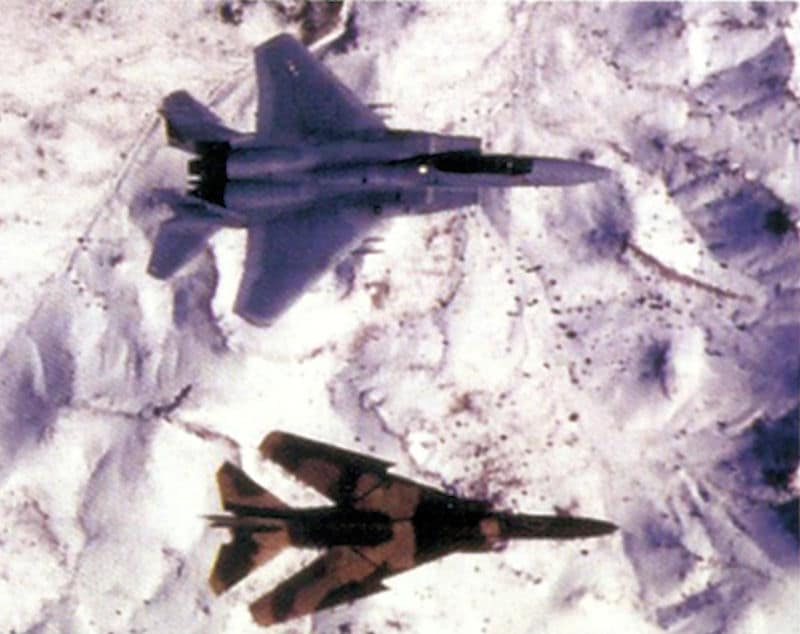
Eine typische “Einweisung” begann mit einem Abfangflug und einem Formationsflug, bei dem der Gastpilot das Flugzeug einfach nur bestaunen und den Schock verarbeiten konnte. Dann folgten die Manöver – Mann gegen Mann, die Stärken und Schwächen der MiG schonungslos offenlegten – bis hin zu simulierten Luftkämpfen, in denen die Roten Adler wie sowjetische Flugzeuge flogen. Der Kommandant, der das Flugzeug gebaut hatte, wusste genau, was er damit heilte.
Das Programm blieb nicht ohne Folgen. Drei Männer, die daran beteiligt waren, kamen im Einsatz ums Leben – zwei Piloten bei Flugunfällen und ein Flugzeugmechaniker bei einem Unfall am Boden. Unbekannte, unersetzliche Jets ohne Handbuch zu fliegen, war in jedem Fall eine gefährliche Angelegenheit.
Das Geheimnis, das sich im Irak auszahlte
Der Flugbetrieb in Tonopah wurde im März 1988 eingestellt, als eine neue Generation sowjetischer Flugzeuge eintraf und die Budgets im Kalten Krieg knapper wurden; die 4477. Staffel wurde 1990 offiziell aufgelöst. In etwa einem Jahrzehnt hatten die Red Eagles mehr als 15.000 Einsätze geflogen und fast 6.000 amerikanische Besatzungsmitglieder in direkten Kampf mit echten MiGs gebracht.
Der Erfolg kam erneut in der Wüste – diesmal im Irak. Während der Operation Desert Storm 1991 schossen Piloten der US-Luftwaffe Dutzende irakische Flugzeuge ab, darunter MiG-21 und MiG-23, ohne selbst einen einzigen Kampfjet durch feindliche Flugzeuge zu verlieren. Viele führen dieses einseitige Ergebnis zum Teil auf die Männer zurück, die in den 1980er Jahren genau gelernt hatten, wie ein Fishbed wendet und wo einem Flogger die Ideen ausgehen.
Die ganze Sache blieb bis 2006 geheim, als die Luftwaffe Constant Peg schließlich freigab. Jahrelang war das bestgehütete Geheimnis der Luftkampfgeschichte direkt vor unseren Augen verborgen geblieben – eine Staffel roter Jets mit Sternen, die über der Wüste Nevadas kreiste und einer ganzen Generation amerikanischer Piloten beibrachte, keine Angst zu haben.
Quellen: Wikipedia (4477th Test and Evaluation Squadron); National Museum of the USAF, “CONSTANT PEG”; Steve Davies, Red Eagles: America's Secret MiGs (Osprey, 2008); The War Zone.
Verwandte Fragen
Was war Constant Peg?
Constant Peg war ein geheimes Programm der US-Luftwaffe, in dessen Rahmen von etwa 1979 bis 1988 erbeutete und erworbene sowjetische Kampfflugzeuge gegen amerikanische Besatzungen eingesetzt wurden. Das Programm, das von einem geheimen Flugplatz in Nevada aus operierte, ermöglichte es US-Piloten, gegen echte MiG-Jets zu trainieren, bevor sie im Kampf gegen diese eingesetzt wurden. Das Programm wurde 2006 freigegeben.
Wer waren die Roten Adler?
Die "Red Eagles" waren die Piloten des 4477. Test- und Evaluierungsgeschwaders, jener Einheit, die die sowjetischen MiGs des Constant-Peg-Programms flog. Ihre 69 "Bandit"-Piloten absolvierten über 15.000 Einsätze und setzten dabei fast 6.000 US-amerikanische Besatzungsmitglieder dem Umgang mit echten MiGs aus, damit diese ihre Angst vor dem Kampfeinsatz überwinden konnten.
Welche sowjetischen Flugzeuge flogen die Roten Adler?
Die „Red Eagles“ der Constant Peg-Einheit flogen die MiG-17 Fresco, die MiG-21 Fishbed und die MiG-23 Flogger. Dies waren die sowjetischen Frontflugzeugtypen, denen US-Besatzungen am ehesten begegnen würden, und die Einsätze gegen sie offenbarten ihre wahren Stärken und Schwächen auf eine Weise, wie es kein Handbuch vermochte.
Wo war das Constant Peg-Programm angesiedelt?
Constant Peg operierte vom Tonopah Test Range Airfield aus, einem abgelegenen Gebiet in der Wüste Nevadas, das so geheim war, dass die Regierung es bis 1985 nicht einmal als Flugplatz der Luftwaffe anerkannte. Der Flugbetrieb dort begann 1979.
Wie gelangten die Vereinigten Staaten an ihre geheimen MiG-Kampfjets?
Die USA stellten ihre MiG-Flotte durch ein Flickwerk aus Geheimdienstabkommen, stillen Käufen und Improvisation zusammen. Die Flugzeuge kamen aus Israel, Indonesien und später aus Ägypten, während sich die USA zunehmend von Moskau distanzierten. Es gab weder Handbücher noch Ersatzteillieferungen – eine Herausforderung, die sich in Geschichten wie diesen widerspiegelt. die Mossad-Operation, bei der eine MiG-21 gestohlen wurde.
Warum wurde Constant Peg entwickelt?
Constant Peg entstand aus den bitteren Erfahrungen in Vietnam, wo amerikanische Besatzungen in großen, raketenbewaffneten Jets wie der F-4 Phantom von wendigen MiG-17 und MiG-21 gedemütigt wurden. Das Pentagon hatte fälschlicherweise angenommen, Luftkämpfe seien überholt; als die Abschussquoten einbrachen, erkannten die Streitkräfte, dass Piloten echte Übung gegen echte MiGs benötigten.
Wann wurde Constant Peg freigegeben?
Das Constant Peg-Programm wurde 2006 freigegeben, fast zwei Jahrzehnte nachdem seine letzten Einsätze im März 1988 geflogen waren und die 4477. Staffel 1990 deaktiviert wurde. Erst dann wurde die Geschichte der geheimen amerikanischen Wüsten-MiGs und ihrer über 15.000 Trainingseinsätze öffentlich.
0 Kommentare