

Am Morgen des 25. Januar 1995 beobachtete ein Team norwegischer und amerikanischer Wissenschaftler auf der Insel Andøya im arktischen Norwegen, wie eine vierstufige Höhenforschungsrakete vom Typ Black Brant XII von ihrer Startrampe abhob und in nordöstlicher Richtung über das Meer nach Spitzbergen flog. Sie transportierte Instrumente zur Erforschung der Aurora borealis – jener Nordlichter, die den ganzen Winter über dem Archipel schimmern. Der Start verlief reibungslos. Das Team begann mit der Beobachtung seines Experiments. Nichts deutete darauf hin, dass 1000 Kilometer östlich Offiziere des russischen Frühwarndienstes denselben Lichtpunkt beobachteten und ganz andere Verfahren anwandten.
Auf der Radarstation Olenegorsk auf der Kola-Halbinsel wirkte das Objekt, das aus der Norwegischen See aufstieg, beunruhigend vertraut: die Geschwindigkeit, die Flugbahn, die Startreihenfolge einer U-Boot-gestützten ballistischen Rakete. Nicht irgendeine Rakete – eine Trident, wie sie von amerikanischen U-Booten eingesetzt wird, die genau in diesen Gewässern patrouillieren. Und eine einzelne Trident, abgefeuert aus der Barentssee, entsprach einem Szenario, das russische Planer seit Jahren beunruhigte: ein Sprengkopf, hoch über dem Land gezündet, dessen elektromagnetischer Impuls die Radargeräte vor dem eigentlichen Angriff blockieren würde.
Innerhalb weniger Minuten hatte die Alarmmeldung die russische Befehlskette so weit hinaufgeklettert wie nie zuvor oder danach. In Moskau wurde – zum ersten und, soweit bekannt, einzigen Mal im Atomzeitalter – der Koffer, mit dem ein Präsident einen Atomraketeneinsatz anordnen kann, ernsthaft aktiviert. Der Kalte Krieg war seit drei Jahren vorbei. Die Wissenschaftler auf Andøya hatten sich an alle Vorschriften gehalten. Und die Vorschriften hatten versagt.
Kurzinfo: Der norwegische Raketenvorfall
| Datum | 25. Januar 1995 |
| Die Rakete | Black Brant XII, eine vierstufige wissenschaftliche Höhenforschungsrakete |
| Gestartet von | Raketentestgelände Andøya, Nordnorwegen |
| Mission | Erforschung der Aurora borealis über Spitzbergen; Apogäum ungefähr 1.450 km (900 Meilen) |
| Verwechselt mit | Eine von einem U-Boot der US-Marine gestartete ballistische Trident-Rakete aus der Barentssee |
| Der Alarm erreichte | Präsident Boris Jelzin – die einzige öffentlich bekannte Aktivierung eines Atomkoffers |
| Entscheidungsfenster | Etwa zehn Minuten, die meiste Zeit davon wurde mit der Verfolgung der Flugbahn verbracht. |
| Grundursache | Norwegens Vorabbenachrichtigung erreichte die russischen Radarteams nie. |
Eine Rakete für die Nordlichter
Andøya startete bereits seit den 1960er Jahren wissenschaftliche Raketen, und Russlands nördliche Nachbarn wussten das. Was sich im Januar 1995 jedoch unterschied, war die Rakete selbst. Die Black Brant XII war die größte Rakete, die jemals auf diesem Startplatz geflogen war: vier Stufen, eine Flugbahn bis in eine Höhe von rund 1450 Kilometern – höher als die Internationale Raumstation heute – und ein Brennprofil, das dem einer Militärrakete deutlich ähnlicher war als den bescheidenen einstufigen Forschungsraketen, die ihr zuvor vorausgegangen waren.
Das Experiment war reine Wissenschaft, Teil einer gemeinsamen Kampagne zur Erforschung der Polarlichter über Spitzbergen. Doch die Physik kann seine Absichten nicht benennen. Für ein Radar ist eine große, feststoffbetriebene Rakete, die steil aus der Norwegischen See aufsteigt, nichts weiter als eine Form und eine Geschwindigkeit.

Tatsächlich war ein Vermerk angebracht – ein diplomatischer. Wochen zuvor, am 21. Dezember 1994, hatte das Einsatzteam das norwegische Außenministerium gebeten, Russland und über zwei Dutzend weitere Staaten über die bevorstehende Kampagne zu informieren, wie es üblich war. Der Brief wurde versandt. Was danach damit geschah, ist der Dreh- und Angelpunkt der ganzen Geschichte, auf den wir später zurückkommen werden.
Auf russischen Bildschirmen: ein Dreizack
Um die Panik in Olenegorsk zu verstehen, ist es hilfreich zu wissen, was die russischen Planer in den 1990er-Jahren am meisten fürchteten. Es war nicht ein massiver amerikanischer Erstschlag aus dem Nichts – der wäre sichtbar, unmissverständlich und mit gleicher Münze beantwortet worden. Es war das Szenario der Enthauptung: eine einzelne Rakete, abgefeuert von einem U-Boot nahe der russischen Küste, die in großer Höhe einen Sprengkopf zündet, um einen elektromagnetischen Impuls zu erzeugen, der Radaranlagen blockiert und die Befehlsverbindungen lahmlegt – der Auftakt eines Angriffs, den die Verteidiger niemals kommen sehen würden.
Eine von der Barentssee aus gestartete Trident II konnte russisches Territorium in etwa zehn Minuten erreichen. Diese Zahl bestimmte alles: Unabhängig davon, was auf dem Bildschirm angezeigt wurde, war das Zeitfenster für eine Reaktion etwa so lang wie eine Kaffeepause.
Die Black Brant XII war ein plausibler Imitator. Ihre Größe und Stufenanordnung ähnelten denen einer Trident; als sich ihre Booster abtrennten, nahm das Radarbild angeblich das Aussehen einer Rakete an, die mehrere Sprengköpfe abwarf. Und ihre Flugbahn, die sich in Richtung Spitzbergen bog, führte durch einen Korridor, den russische Planer mit Flugrouten zwischen amerikanischen Raketenstützpunkten und Moskau in Verbindung brachten.
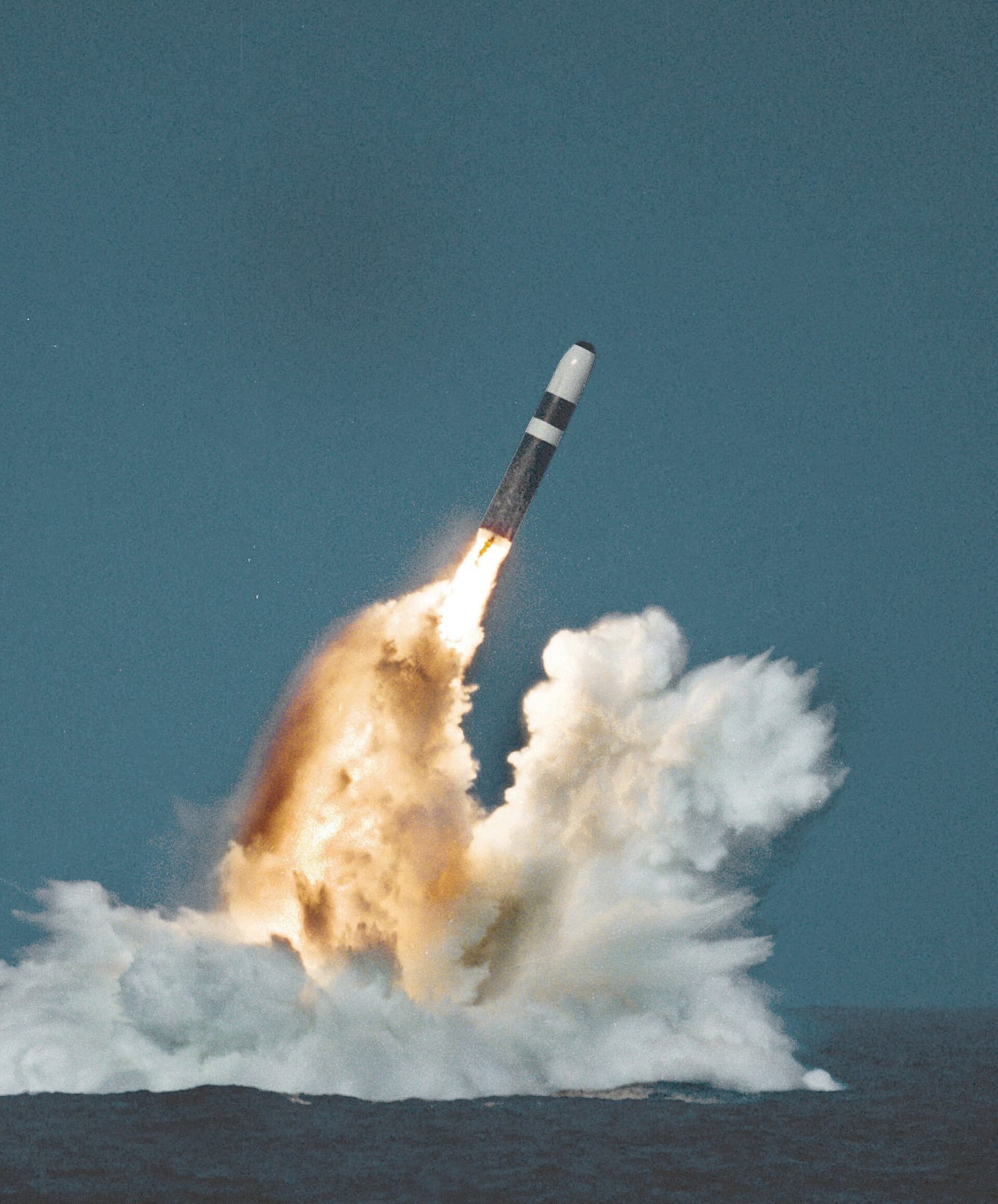
Im russischen Frühwarnzentrum ertönten Alarmsirenen. Die Spur wurde nach oben weitergeleitet – nicht seitwärts in ein Archiv wissenschaftlicher Startmeldungen, sondern nach oben, durch den Generalstab, zu dem Mann, der das sowjetische Arsenal geerbt hatte.
Der Aktenkoffer öffnet sich
Russlands nukleares Kommandosystem reist, wie das amerikanische, mit dem Präsidenten. Das Gerät heißt „Tscheget“ – ein Aktenkoffer, einer von dreien (dem des Präsidenten, des Verteidigungsministers und des Generalstabschefs), die zusammen die elektronische Konferenz bilden, über die ein Startbefehl erteilt werden kann. Am Morgen des 25. Januar 1995 wurden die Koffer aktiviert. Boris Jelzin, Verteidigungsminister Pawel Gratschow und General Michail Kolesnikow waren zu einer Dringlichkeitssitzung verbunden, während die Radarteams die Flugbahn überwachten.
Es ist das einzige Mal, dass ein Atomwaffenstaat nachweislich die Raketenabwehr nach einer echten Warnung aktiviert hat. Wie knapp die Entscheidung zum Raketenstart tatsächlich war, lässt sich von außen ehrlich gesagt nicht feststellen: Das postsowjetische Russland hat das Protokoll nie veröffentlicht, und die Berichte von Beamten und Analysten gehen auseinander – einige beschreiben eine wirklich gefährliche Alarmbereitschaft, andere eine Warnung, die im Rahmen des Zumutbaren gehandhabt wurde. Dokumentiert ist lediglich, was Jelzin selbst am nächsten Tag gegenüber Reportern sagte.
Der Kurs rettete alle. Berichten zufolge wurden etwa acht der zehn verfügbaren Minuten für die Verfolgung des Objekts aufgewendet, bevor seine Flugbahn die Wahrheit offenbarte: Es steuerte auf Spitzbergen und das Meer zu, nicht landeinwärts Richtung Russland. Der Befehl zum Abbruch der Mission wurde an die anderen Dienststellen weitergegeben. Vierundzwanzig Minuten nach dem Start stürzte das ausgebrannte Experiment planmäßig in der Nähe von Spitzbergen ab. Die Wissenschaftler auf Andøya schlossen eine rundum erfolgreiche Mission ab, ohne zu ahnen, dass sie kurzzeitig die gefährlichsten Männer Europas gewesen waren.

Der Brief, der nie ankam
Dann begann das Problem mit dem Papierkram. Norwegen hatte Russland – formell, schriftlich, über die Botschaft in Oslo – einen Monat im Voraus benachrichtigt. Die Nachricht war schlichtweg in der Bürokratie zwischen dem russischen Außenministerium und den Radarbedienern untergegangen. Die gefährlichsten zehn Minuten der Nachkriegszeit wurden nicht durch einen abtrünnigen General oder einen Computerausfall verursacht, sondern durch einen nicht weitergeleiteten Brief.
Für Studierende der Nuklearrisikoforschung ist genau das der Grund, warum das Jahr 1995 so lehrreich ist. Die Hardware funktionierte. Die Radargeräte erfassten ein reales Objekt und charakterisierten es plausibel. Jeder Beteiligte erfüllte seine Pflicht. Das Versagen lag in den Schnittstellen zwischen den Institutionen – denselben Schnittstellen, die auch die ausgefeilteste Raketentechnik nicht schließen kann. Der ehemalige CIA-Analyst Peter Vincent Pry, der die Episode in seinem Buch „War Scare“ dokumentierte, fällte ein Urteil, das noch heute verblüfft.
Nicht alle sind sich einig – einige Wissenschaftler argumentieren, das russische System habe sich tatsächlich bewährt und den Fehler in letzter Minute erkannt und korrigiert. Beide Interpretationen können zutreffen: Die Sicherheitsvorkehrungen funktionierten, und es ist beunruhigend, dass sie drei Jahre nach dem Ende des Kalten Krieges überhaupt nötig waren, um eine Wetterrakete abzuwehren.
Der leiseste Beinahe-Treffer
Die Folgen verliefen unspektakulär, was an sich schon eine Lehre ist. Moskau protestierte; Oslo entschuldigte sich grundlos und versprach verbesserte Benachrichtigungsverfahren; die beiden Länder optimierten stillschweigend ihre Kommunikationswege. Andøya startete weiterhin – und tut dies bis heute, nun als Andøya Space. Der Vorfall wäre womöglich völlig unbemerkt geblieben, hätte Jelzin nicht seine Bemerkung über den kleinen schwarzen Koffer gemacht und so eine interne Warnung in die Geschichte eingehen lassen.
Von den drei großen Fehlalarmen im Atombereich – dem Schwarzen Samstag 1962, der Petrov-Nacht 1983 und dem aktuellen – ist der norwegische Vorfall der unbekannteste und in gewisser Weise der beunruhigendste. Die anderen ereigneten sich auf dem Höhepunkt der Konfrontation, als alle das Schlimmste erwarteten. Dieser hier ereignete sich in Friedenszeiten, zwischen freundschaftlich verbundenen Ländern, im Rahmen eines Polarlichtexperiments. Die Mechanismen der nuklearen Alarmierung kümmern sich nicht um die jeweilige Epoche. Sie erfassen nur Formen und Geschwindigkeiten – und sind stets aktiv.
Quellen: Wikipedia; Nuclear Museum / Atomic Heritage Foundation; Center for Arms Control and Non-Proliferation; Smithsonian Magazine; Russia Matters (Harvard); Peter Vincent Pry, War Scare. Angaben russischer Seite sind teilweise noch nicht verifizierbar und werden daher mit Vorsicht behandelt.
Verwandte Fragen
Was war der norwegische Raketenvorfall?
Der norwegische Raketenvorfall am 25. Januar 1995 war ein nuklearer Fehlalarm. Eine norwegisch-amerikanische Forschungsrakete, die von Andøya aus zur Erforschung der Nordlichter gestartet war, wurde kurzzeitig vom russischen Frühwarnradar fälschlicherweise für eine U-Boot-gestützte ballistische Rakete gehalten. Dies löste den Alarm des russischen Nuklearführungssystems aus, bevor die Rakete auf ihrem Weg ins Meer harmlos wurde – einer der nuklearen Fehlalarme der Ära des Kalten Krieges. Beinahe-Atomkatastrophen.
Warum hielt Russland die Black-Brant-Rakete für eine Rakete?
Russische Radaroperatoren in Olenegorsk auf der Kola-Halbinsel beobachteten eine große, mehrstufige Rakete, die steil aus der Norwegischen See aufstieg. Geschwindigkeit, Flugbahn und Stufenprofil ähnelten einer US-amerikanischen, von U-Booten gestarteten Trident-Rakete. Eine einzelne Trident-Rakete könnte eine nukleare Sprengladung in großer Höhe gewesen sein, die das russische Radar vor einem größeren Angriff blenden sollte. Daher war die uneindeutige Flugbahn besonders alarmierend.
Hat Boris Jelzin den Atomkoffer aktiviert?
Ja. Der russische Präsident Boris Jelzin gab später an, er habe während des Zwischenfalls vom 25. Januar 1995 zum ersten Mal seinen nuklearen Notfallmechanismus – den Tscheget-Regler, der einen nuklearen Gegenschlag autorisiert – aktiviert. Es ist das einzige bekannte Beispiel dafür, dass ein Atomwaffenstaat diesen Mechanismus nach einer echten Warnung einsetzte. Es wurde kein Abschussbefehl erteilt.
Was war die Ursache für den Fehlalarm durch eine norwegische Rakete im Jahr 1995?
Der Alarm entstand durch ein bürokratisches Versagen. Norwegen hatte Russland Wochen im Voraus schriftlich über den wissenschaftlichen Start informiert, doch die Nachricht erreichte die Radarstationen nicht – sie ging irgendwo zwischen dem russischen Außenministerium und den Frühwarnstationen verloren. Die Rakete selbst war eine harmlose Mission zur Erforschung der Polarlichter; die Gefahr ging allein von der unterbliebenen Benachrichtigung aus.
Was ist eine Black Brant-Rakete?
Die Black Brant ist eine Familie kanadischer Höhenforschungsraketen, die für die wissenschaftliche Erforschung der oberen Atmosphäre eingesetzt werden. Der Vorfall von 1995 betraf eine vierstufige Black Brant XII, die vom Testgelände Andøya in der norwegischen Arktis zur Erforschung der Nordlichter gestartet wurde. Sie war damals die größte Rakete, die jemals von diesem Standort aus gestartet war, weshalb ihre Flugbahn der einer Militärrakete ähnelte.
Wie nahe kam der norwegische Raketenvorfall von 1995 einem Atomkrieg?
Die Berichte gehen auseinander. Jelzin sagte, die Kommandeure hätten die Rakete von Anfang bis Ende verfolgt, und etwa acht der rund zehn verfügbaren Minuten seien vergangen, bevor ihre Flugbahn deutlich gemacht habe, dass sie auf Spitzbergen und das offene Meer zusteuerte, nicht auf Russland. Der Vorfall erinnert an die Ereignisse von 1983. Fehlalarm eines sowjetischen Satelliten, als menschliches Urteilsvermögen einmal mehr eine alarmierende Warnung außer Kraft setzte.

0 Kommentare