
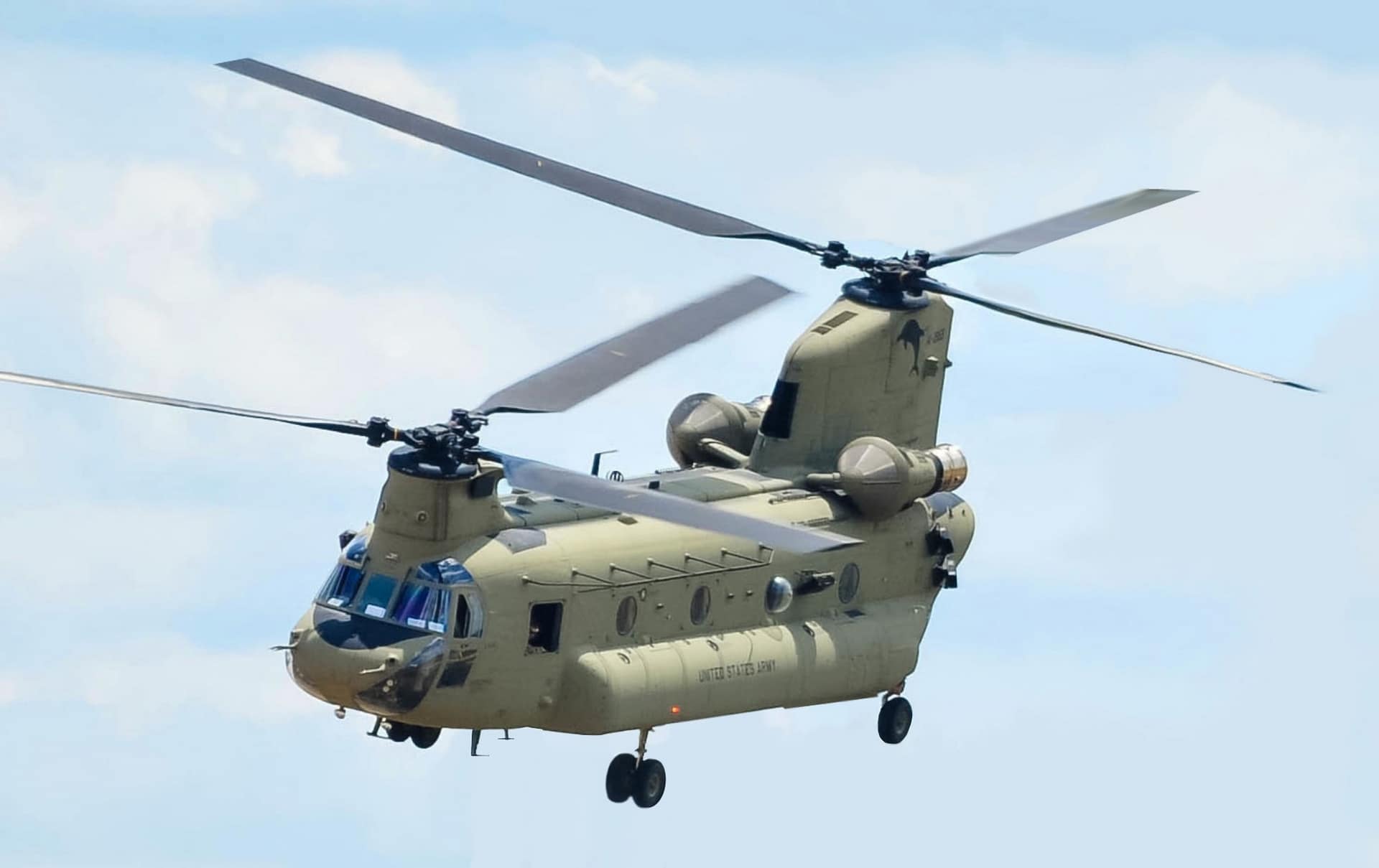
Before dawn on 14 June, two Royal Air Force Chinook helicopters thundered low over the English Channel toward a 244-metre oil tanker flying the flag of Cameroon. Hanging beneath them, silhouetted against the first grey light, were Royal Marines from Kilo Company, 42 Commando — about to execute the United Kingdom's first-ever military seizure of a Russian shadow fleet vessel.
The target was the Smyrtos, a tanker carrying 700,000 barrels of Russian crude oil loaded at the Baltic port of Ust-Luga nine days earlier, bound for Port Said in Egypt. What followed was a six-hour operation involving Royal Navy warships, an RAF P-8A Poseidon maritime patrol aircraft, National Crime Agency officers, and some of the most highly trained boarding specialists in the world.
The Boarding: Six Hours, Zero Shots
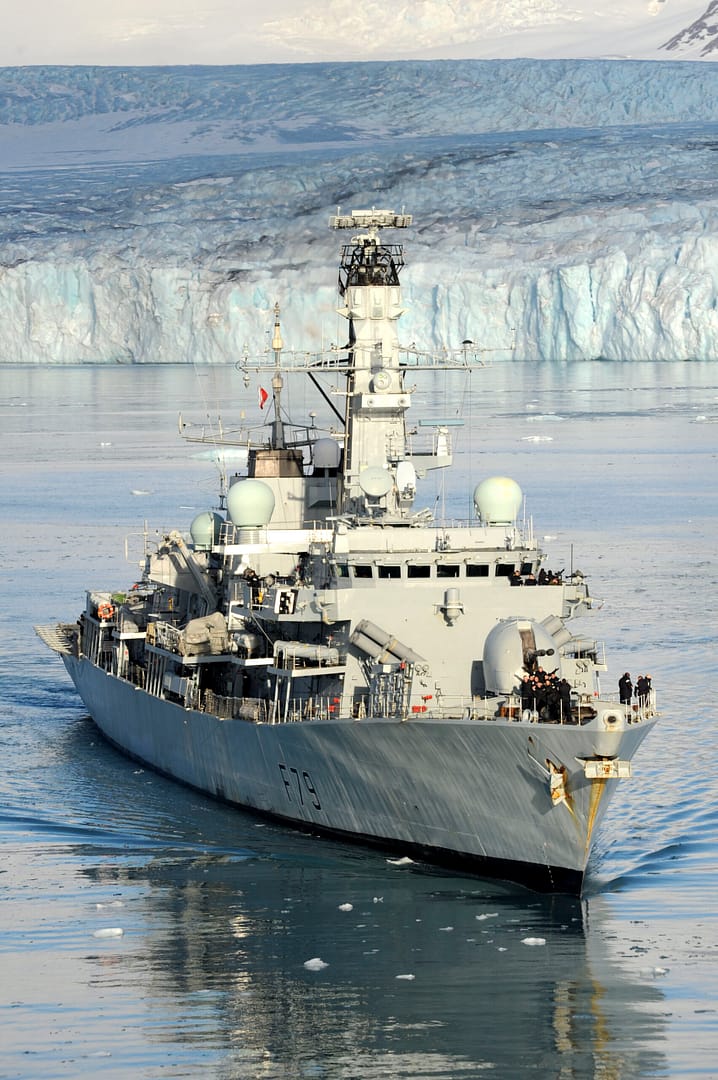
The operation began in darkness. Marines from Kilo Company fast-roped onto the Smyrtos from the two Chinooks while a Royal Navy Type 23 frigate and a minehunter held station nearby. An RAF P-8A Poseidon circled overhead, providing real-time surveillance and communications relay — the same aircraft type that routinely tracks Russian submarines across the North Atlantic.
The boarding was conducted under the authority granted in March 2026, when the UK government announced that British military forces had been given legal powers to interdict and board shadow fleet vessels transiting UK waters. The Smyrtos was the first vessel to be stopped under these new authorities — and the operation was clearly designed to send a message.
By mid-morning, the tanker was under British control. National Crime Agency officers arrested an Indian national aboard on suspicion of sanctions offences. The Smyrtos was escorted to an anchorage near Portland Bill in Dorset, where it remains under Royal Navy guard.
What Is the Shadow Fleet?
Russia's so-called shadow fleet is a network of ageing, often poorly insured tankers used to transport Russian oil in defiance of Western sanctions and the G7 price cap imposed after the invasion of Ukraine. These vessels typically operate under flags of convenience — Cameroon, Gabon, Palau, the Cook Islands — and frequently switch names, owners, and registration to evade tracking.
The fleet has grown from fewer than 100 vessels before the full-scale invasion in February 2022 to an estimated 600 or more today. These ships pose a double threat: they undermine sanctions designed to limit Russia's war revenue, and their age and lack of proper insurance create serious environmental risks. Several shadow fleet tankers have already experienced mechanical failures in the Baltic and Mediterranean, raising fears of a catastrophic oil spill.
The Aviation Angle: P-8A Poseidon and Chinook in Action
From an aviation perspective, the operation showcased two aircraft in roles they were designed for but rarely perform in such dramatic fashion.
The Boeing P-8A Poseidon — the RAF's submarine-hunting patrol aircraft — provided the intelligence and surveillance backbone of the operation. Based on the 737-800 airframe, the P-8A carries an advanced mission system with radar, electro-optical sensors, and electronic surveillance equipment that can track surface vessels across vast ocean areas. During the Smyrtos boarding, the P-8A almost certainly provided continuous tracking of the tanker's movements, monitored nearby shipping for potential interference, and served as a communications hub linking the helicopters, surface ships, and command centres ashore.
The Chinooks, meanwhile, demonstrated why the heavy-lift helicopter remains the platform of choice for maritime boarding operations. The CH-47's rear ramp and spacious cabin can deploy an entire boarding team in a single pass, and its twin-rotor stability makes it far safer for fast-roping onto a moving ship's deck than lighter helicopters. Royal Marines have practised these techniques for decades — but executing them for real, at night, on a vessel that may not be cooperative, is an entirely different proposition.
A Signal to Moscow — and the Fleet
Prime Minister Keir Starmer described the seizure as "a significant setback for Moscow's efforts to fund its war in Ukraine." Former Commandant General of the Royal Marines, Lieutenant General Rob Magowan, praised the operation, telling Forces News it demonstrated exactly the kind of "grey zone" capability that modern militaries need — the ability to enforce international law with precision, professionalism, and minimal force.
The message to the shadow fleet is unambiguous: British territorial waters are no longer a safe corridor. The English Channel, one of the busiest shipping lanes in the world, is also one of the narrowest — and any vessel transiting it passes within easy reach of Royal Navy and Royal Marines forces based along the south coast of England.
Whether other NATO nations follow the UK's lead remains to be seen. Denmark, which controls the strait between the Baltic and North Sea, has been tightening its own enforcement. Norway has increased maritime patrols. But the UK is the first to actually put commandos on a tanker's deck — and that fact will not be lost on the captains of the remaining 600 shadow fleet vessels still plying their trade across European waters.
Sources: Forces News, Bloomberg, Al Jazeera, USNI News, Navy Lookout
0 Kommentare