
Kurzinfo
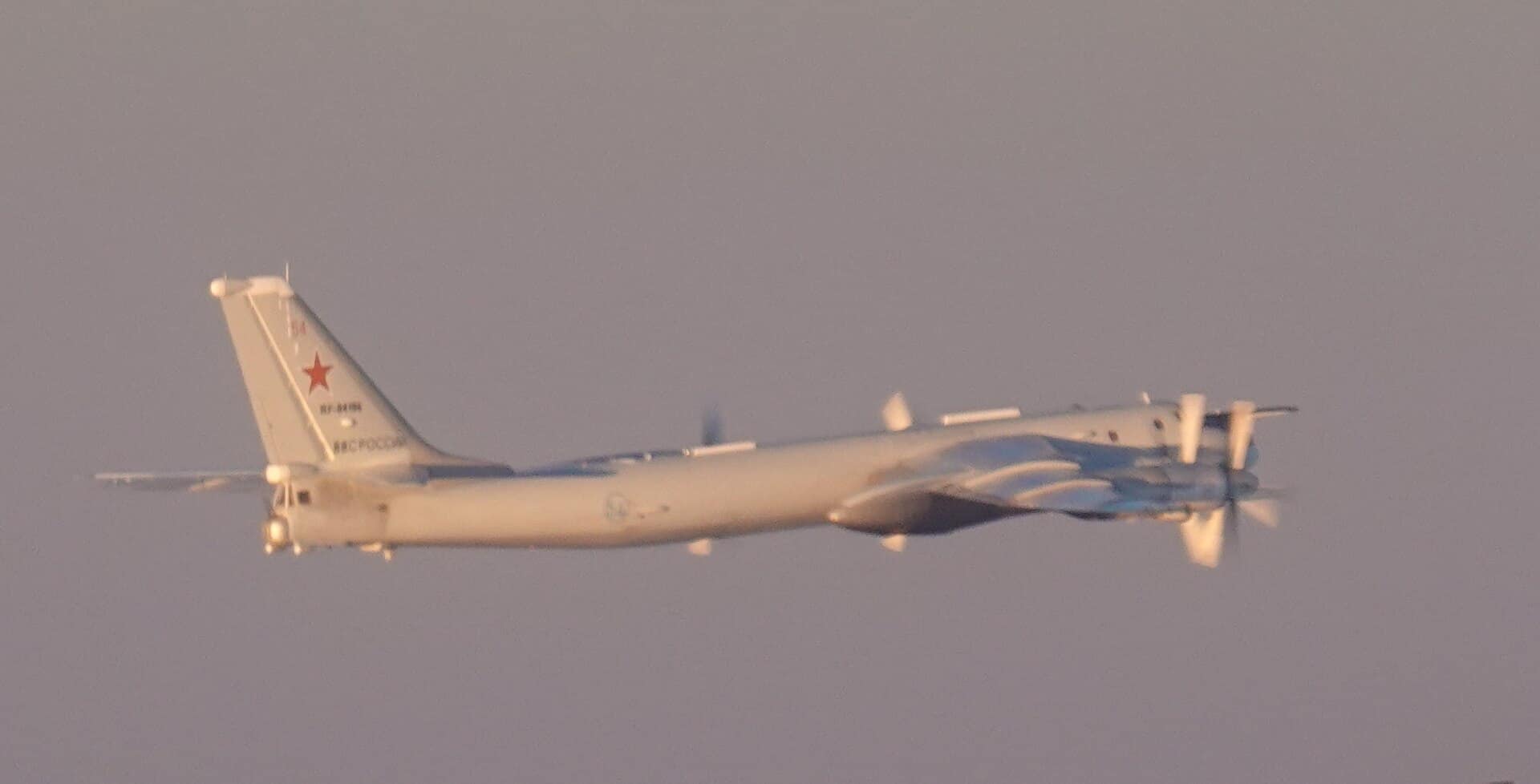
Ereignis: 11. Gemeinsame strategische Patrouille Russland-China
Datum: 27. Juni 2026
Dauer: Ungefähr 6 Stunden
Flugzeuge (russisch): Tu-95MS, Tu-142, Su-30SM, Su-35, Il-78M Tanker
Flugzeuge (chinesisch): H-6K/J, J-16, J-11, J-10C, KJ-500, Y-20A, Y-9Z/G
Gesamtformation: Mindestens 15 Flugzeuge (laut japanischem Verteidigungsministerium)
Abgefangen von: USAF F-35A, JASDF F-15J, ROKAF-Kampfflugzeuge
Bereich: Japanisches Meer, Ostchinesisches Meer, Westpazifik
"Diese Patrouillen sind nicht länger symbolisch. Die zunehmende Häufigkeit, die Ausweitung des Einsatzgebietes und die wachsende taktische Koordination deuten allesamt auf eine militärische Beziehung hin, die weit über diplomatische Gesten hinaus zu einer echten operativen Integration geworden ist."
Dr. Alexander Gabuev — Direktor des Carnegie Russland-Eurasien-Zentrums
Das bisher größte
Russland und China führen diese gemeinsamen Patrouillen seit 2019 durch, in der Regel ein- bis zweimal jährlich. Die elfte Auflage ist die bisher ambitionierteste. Das japanische Verteidigungsministerium verfolgte die Route der Formation: Chinesische und russische Bomber trafen sich in den Gewässern zwischen Japan und Südkorea, flogen südwärts Richtung Okinawa, drehten ostwärts in den westlichen Pazifik ab, umrundeten die Präfektur Miyazaki in einem Bogen nach Norden und kehrten dann zum Heimathafen zurück. Die Zusammensetzung der Flugzeuge spricht Bände. Es handelte sich nicht nur um Bomber – es war ein komplettes Angriffspaket. Die Chinesen brachten Luftbetankung (eine Y-20A betankte zwei J-16 im Flug), ein Frühwarnsystem (KJ-500) und elektronische Aufklärung (Y-9Z und Y-9G) mit. Die Russen steuerten mit einer Il-78M ebenfalls Luftbetankung bei. Es ist genau die Art von gestaffelter Formation, die man für einen tatsächlichen Langstreckenangriff einsetzt.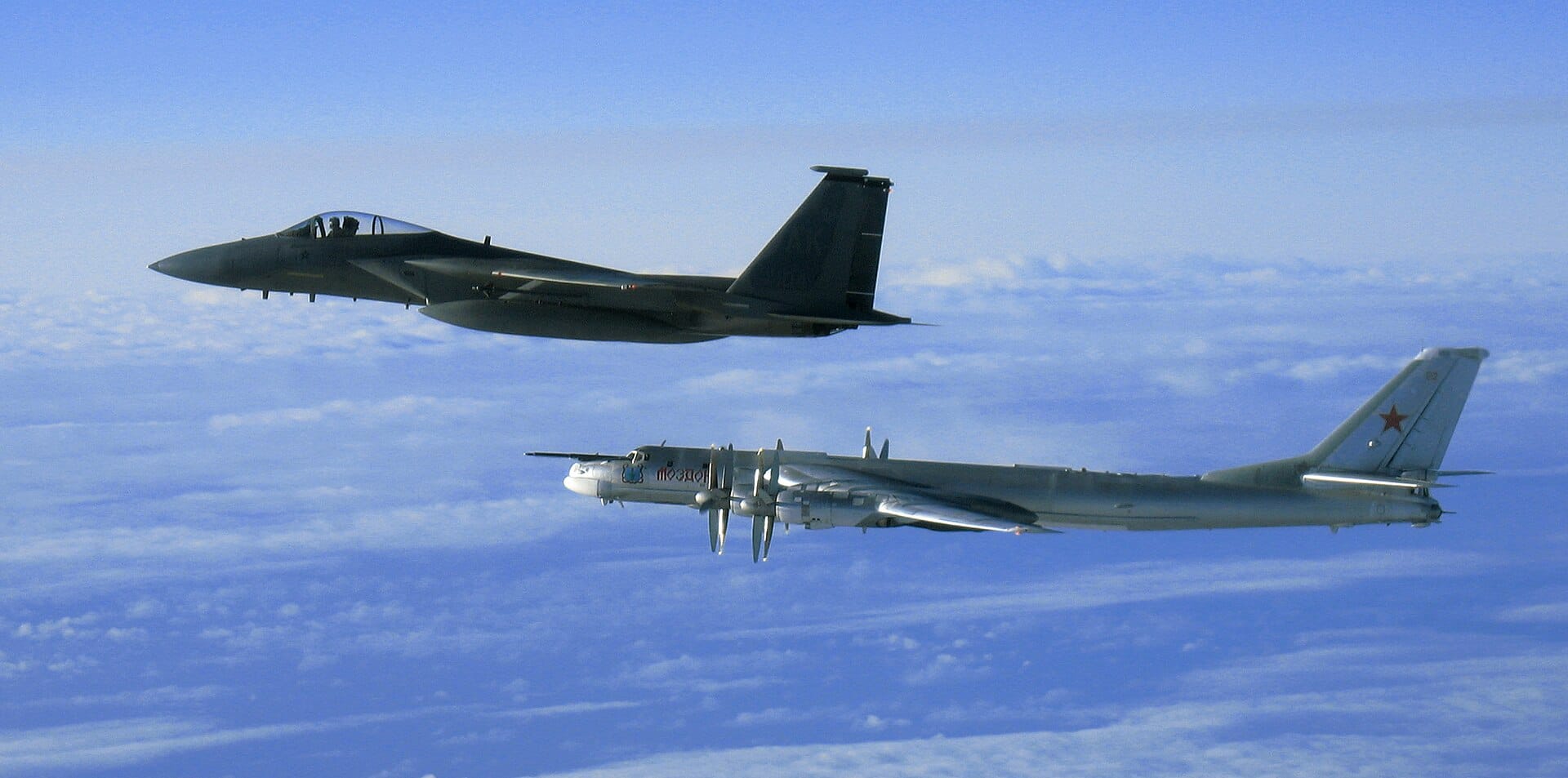
Drei-Länder-Wettstreit
Die Reaktion der USA war bemerkenswert. Die von russischen Kameras erfassten F-35A trugen das Hecksignal "HL", das mit der Hill Air Force Base in Utah in Verbindung gebracht wird. Dies deutet darauf hin, dass es sich um Lightning II handeln könnte, die kürzlich an den 35. Jagdgeschwader in Misawa, Japan, verlegt wurden. Sollte sich dies bestätigen, wäre es einer der ersten operativen Abfangeinsätze der neuen F-35-Flotte des Geschwaders. Japan schickte daraufhin F-15J seiner westlichen Luftverteidigungsstreitkräfte in die Luft. Der südkoreanische Generalstab meldete, dass etwa zehn chinesische und russische Flugzeuge kurzzeitig in die koreanische Luftverteidigungszone über den östlichen und südlichen Gewässern des Landes eingedrungen waren. Seoul reagierte mit eigenen Kampfflugzeugen. Die Aufstellung des japanischen Verteidigungsministeriums ergab vier H-6-Bomber, sechs J-16-Jäger, zwei Tu-95, zwei Tu-142 und eine Su-30 – insgesamt 15 Flugzeuge. Chinesische Militäraufnahmen zeigten zudem J-11, J-10C und KJ-500 am Boden auf ihren Startflugplätzen, was darauf hindeutet, dass die tatsächliche Anzahl der beteiligten Flugzeuge die auf den internationalen Flugrouten erfassten 15 überstieg.Das Timing ist kein Zufall.
Die Patrouille fiel zeitlich mit der Übung Valiant Shield zusammen, einem großangelegten Militärmanöver der USA, Japans, Australiens und der Philippinen im westlichen Pazifik. Das chinesische Verteidigungsministerium warnte öffentlich, die Übung könne "zu unbeabsichtigten Eskalationen führen". Anstatt eine Pressemitteilung herauszugeben, entsandte Peking daraufhin Bomber. Das russische Verteidigungsministerium erklärte, die Patrouille sei "Teil des militärischen Kooperationsplans für 2026". Chinesische Behörden bezeichneten sie als Demonstration der "Entschlossenheit und Fähigkeit, gemeinsam Frieden und Stabilität in der Region zu wahren" – eine diplomatische Formulierung, die sinngemäß bedeutet: "Wir können eure Stützpunkte im Pazifik erreichen." Der Luftfahrtexperte Guy Plopsky merkte an, dass es nur in drei Jahren – 2022, 2023 und 2024 – zwei Patrouillen innerhalb eines Jahres gegeben habe. Da die Patrouille im Juni stattfand, würde eine zweite Patrouille im Laufe des Jahres 2026 diesen Trend fortsetzen und die großangelegten chinesisch-russischen Luftoperationen im Pazifik weiter normalisieren.Was es bedeutet
Die gemeinsamen Patrouillen haben sich von symbolischen Gesten zu einer deutlich ernsteren operativen Maßnahme entwickelt. Luftbetankung, SIGINT-Flugzeuge, Frühwarn- und Kontrollsysteme sowie die Begleitung durch verschiedene Kampfflugzeugtypen verwandeln die einstigen Fototermine für Bomber in eine Generalprobe für die Machtprojektion über große Entfernungen. Die Botschaft an Washington, Tokio und Seoul ist eindeutig: Russland und China können ein komplexes, vielseitiges Luftoperationspaket im Pazifikraum koordinieren, und sie wollen, dass dies jeder weiß.Quellen: Japanisches Verteidigungsministerium, NORAD, The Korea Times, Bloomberg, Sputnik
Verwandte Fragen
Welche Flugzeuge setzen Russland und China bei diesen Patrouillen ein?
Russland setzt üblicherweise Tu-95MS Bear-H-Turboprop-Bomber ein, China hingegen H-6K-Strategiebomber. Beide sind atomwaffenfähig. Bei den jüngsten Patrouillen wurden auch russische Su-35S- und Su-30SM2-Jets sowie chinesische J-16-Kampfjets als Begleitschutz eingesetzt.
Wie reagieren die USA und ihre Verbündeten auf diese Patrouillen?
NORAD scrambles F-16s oder F-22s from Alaska to intercept and shadow the bombers when they approach the Air Defense Identification Zone (ADIZ). Japan and South Korea also scramble fighters when the patrols pass near their airspace. The bombers typically do not enter sovereign airspace but fly in international airspace near the ADIZ boundary.
Wie viele gemeinsame Patrouillen gab es?
Dies war die elfte bestätigte gemeinsame strategische Bomberpatrouille seit Beginn des Programms im Jahr 2019. Die Häufigkeit hat sich deutlich erhöht – von etwa zwei pro Jahr in den Jahren 2019–2023 auf vier oder mehr pro Jahr seit 2024.
Stellen diese Patrouillen eine reale militärische Bedrohung dar?
Die Patrouillen sind in erster Linie eine strategische Signalübung, die demonstriert, dass Russland und China gemeinsam Luftmacht im Pazifikraum projizieren können. Sie dienen aber auch einem echten militärischen Zweck: Die Besatzungen üben gemeinsame Kommunikations-, Koordinations- und Langstreckennavigationsverfahren, die in einem realen Konfliktszenario unerlässlich wären.
Ähnliche Beiträge
0 Kommentare