
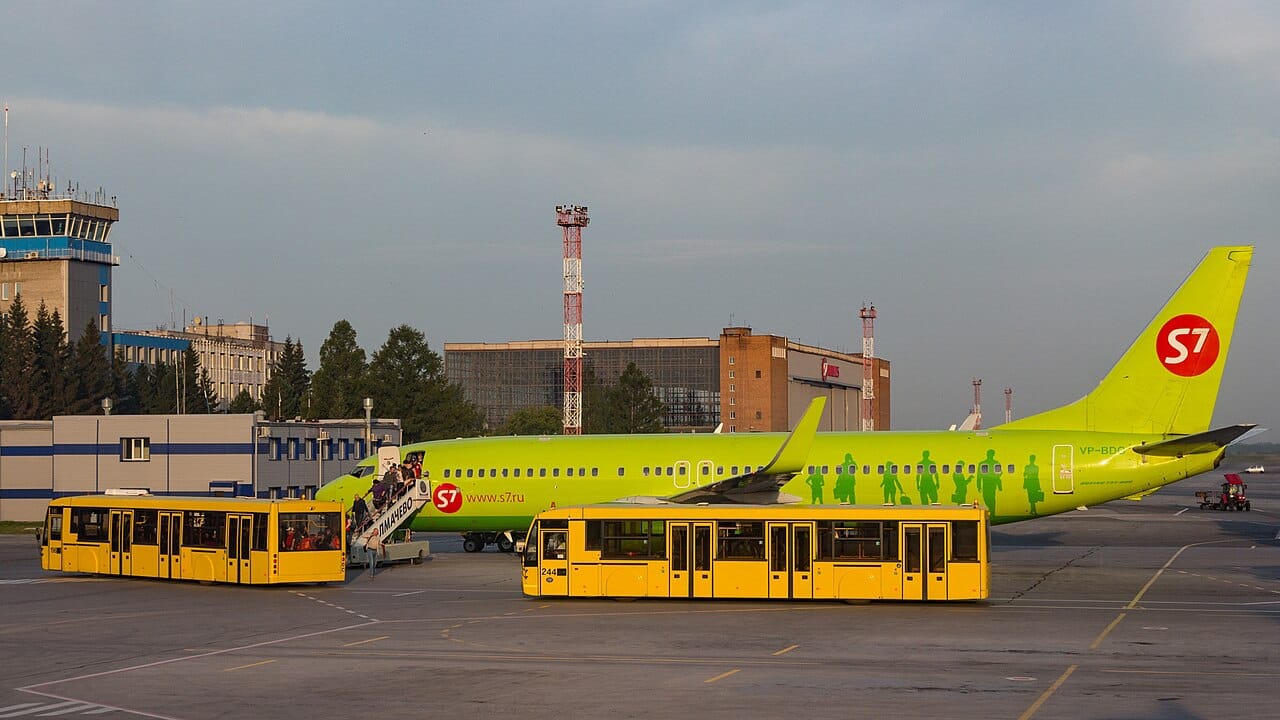
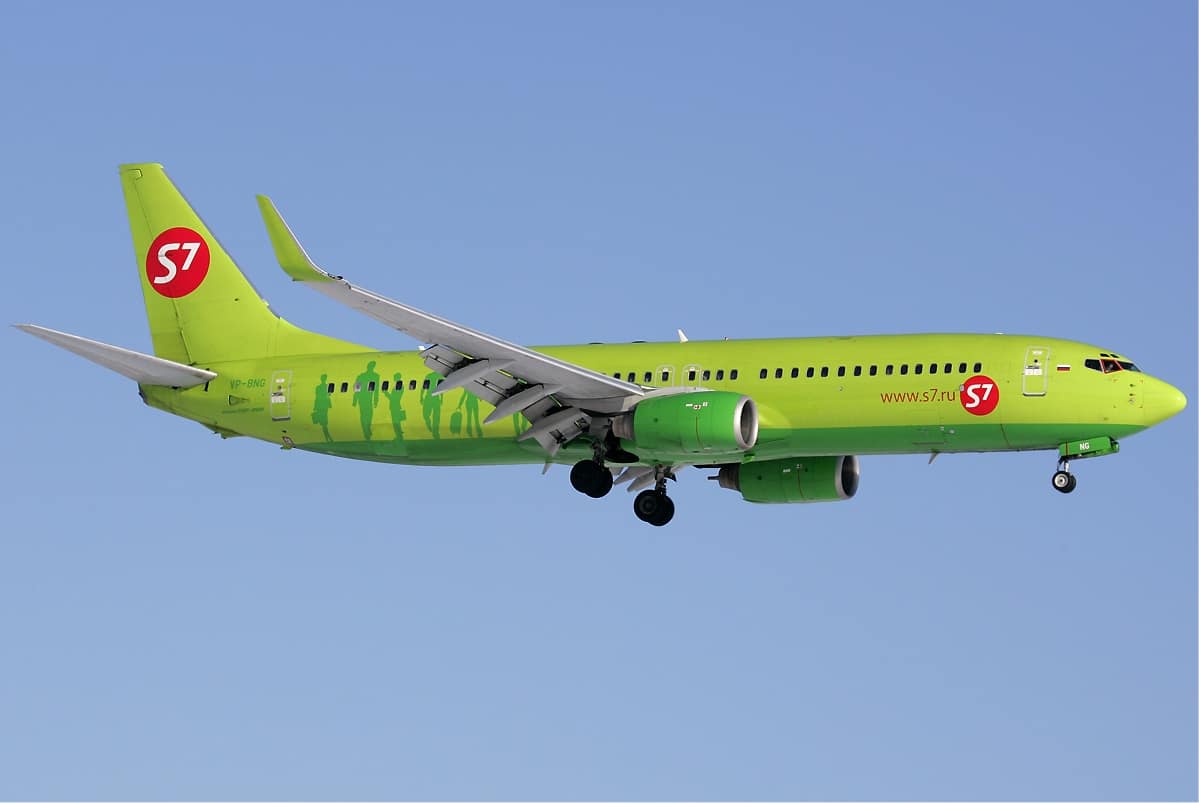
Eine Boeing 737-800 der S7 Airlines rutschte am 30. Juni auf dem Flughafen Mirny in der russischen Republik Sacha von der Landebahn ab und kam im Schlamm hinter der befestigten Fläche zum Stehen. Alle 173 Passagiere und sechs Besatzungsmitglieder blieben unverletzt. Der Vorfall – von der russischen Luftfahrtbehörde Rosaviatsiya als "schwerwiegend" eingestuft – gerät jedoch in den Mittelpunkt einer viel größeren Debatte über die russische Flugsicherheit unter den Sanktionen.
Das Flugzeug mit dem Kennzeichen RA-73359 befand sich auf dem Inlandsflug S7-5241 vom Flughafen Tolmachevo in Nowosibirsk. Nach der Landung auf Landebahn 25 schoss die Boeing 737-800 bei Regen über die Landebahn hinaus. Meteorologische Daten vom Zeitpunkt des Vorfalls verzeichneten Regenschauer und Cumulonimbuswolken in der Nähe des Flughafens.
Ein abgelegener Flughafen im Diamantenland
Mirny ist kein Ort, den die meisten Reisenden freiwillig besuchen. Die Kleinstadt im Osten Jakutiens verdankt ihre Existenz den Diamanten – sie liegt neben einem der größten Tagebaue der Welt, betrieben vom russischen Diamantenkonzern Alrosa, der mehr als ein Viertel der weltweiten Rohdiamanten fördert. Der Flughafen ist die einzige praktikable An- und Abreisemöglichkeit. Es gibt keine Bahnverbindungen, und die Straßenverbindung durch die jakutische Wildnis beschränkt sich auf saisonale Eisstraßen. Wenn die Start- und Landebahn geschlossen ist, ist die Stadt praktisch von der Außenwelt abgeschnitten.
Das Landeverbot, das niemand kommen sah
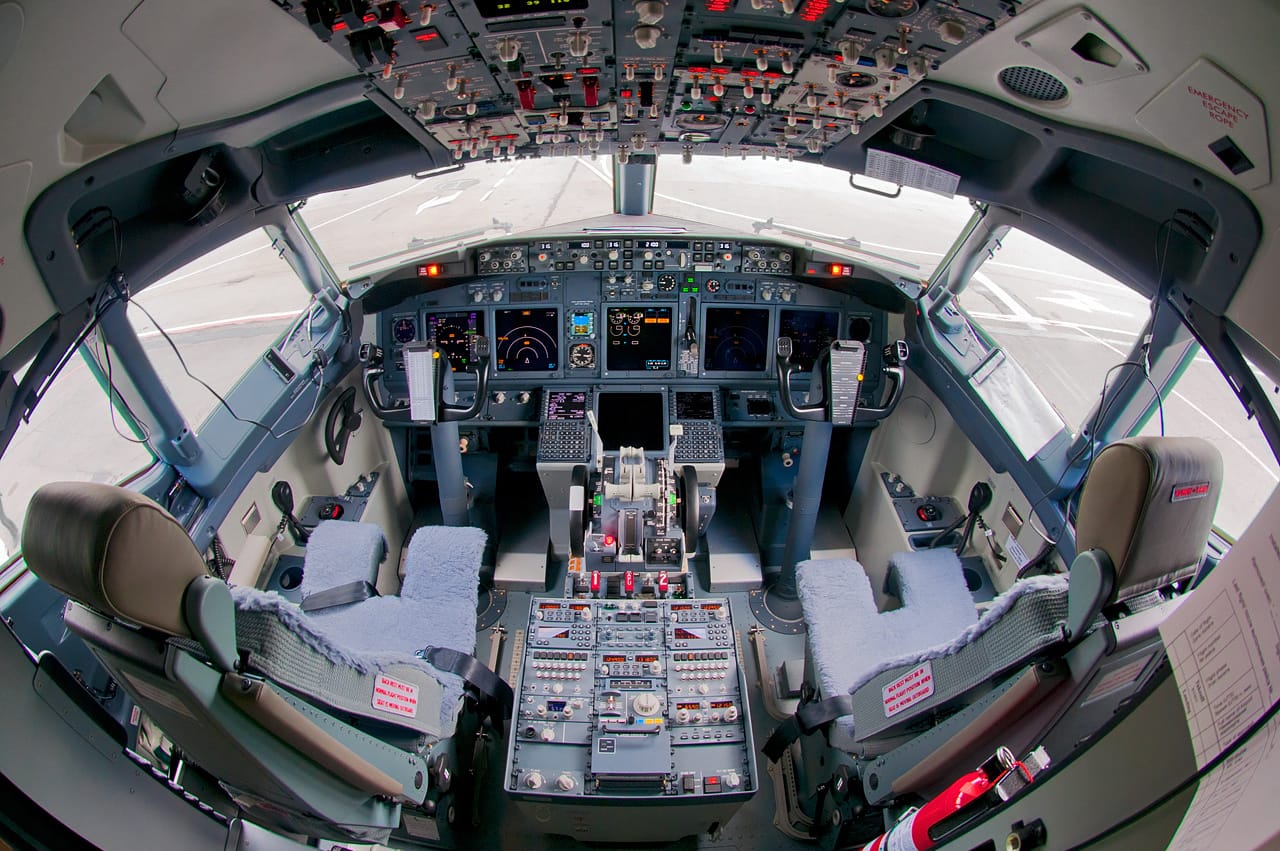
Was den Mirny-Unfall sofort zu einer Sensation machte, war sein Zeitpunkt. Nur wenige Tage zuvor waren Berichte aufgetaucht, dass S7 Airlines stillschweigend eine der ungewöhnlichsten betrieblichen Beschränkungen in der modernen kommerziellen Luftfahrt verhängt hatte: ein vorübergehendes Verbot für die meisten Ersten Offiziere, Landungen an den meisten Zielen der Fluggesellschaft durchzuführen.
Die am 1. Juni in Kraft getretene und bis zum 1. Oktober 2026 geltende Regelung beschränkt die Landung von Ersten Offizieren auf vier der größten Flughäfen des S7-Netzwerks: Moskau-Domodedowo, Nowosibirsk, Irkutsk und Wladiwostok. An allen anderen Flughäfen des Netzwerks muss der Kapitän die Landung durchführen. Trainings- und Qualifikationsflüge sind von dieser Regelung ausgenommen, doch sie führt dazu, dass jungen Piloten monatelange Landeübungen an Dutzenden von Flughäfen verwehrt bleiben.
Als Grund wurde ein sprunghafter Anstieg harter Landungen genannt – Aufsetzer mit so hohen vertikalen Belastungen, dass obligatorische Strukturinspektionen erforderlich werden und Flugzeuge für Wartungsarbeiten außer Betrieb genommen werden müssen, die sich S7 zunehmend kaum noch leisten kann. In der Luftfahrtindustrie führen Erste Offiziere üblicherweise etwa die Hälfte aller Starts und Landungen durch, um die nötige Erfahrung für eine spätere Beförderung zum Kapitän zu sammeln. Diese Möglichkeit für vier Monate einzuschränken, ist eine Maßnahme, die in jeder Flugsicherheitsabteilung weltweit Verwunderung auslöst.
Der Schatten der Sanktionen
Der größere Kontext lässt sich nicht ignorieren. Seit den westlichen Sanktionen infolge des russischen Einmarsches in die Ukraine sind russische Fluggesellschaften von den Lieferketten für Ersatzteile, Wartung und Software-Updates von Boeing und Airbus abgeschnitten. Die Folgen verschärfen sich stetig. Zwischen 2023 und 2025 legte die russische Luftfahrtbehörde über 480 Flugzeuge still – fast die Hälfte der 1.135 Maschinen umfassenden kommerziellen Flotte des Landes – wegen Wartungsverstößen. Die Zahl der Unfälle in der kommerziellen Luftfahrt verdoppelte sich von acht im Jahr 2023 auf siebzehn im Jahr 2024.
Fluggesellschaften sollen Berichten zufolge die Lebensdauer von Bauteilen über die empfohlenen Grenzwerte hinaus verlängert, nicht zertifizierte Ersatzteile verwendet und in einigen Fällen Wartungszyklen komplett ausgelassen haben. Eine im Dezember 2025 eingeleitete Überprüfung des Bundesverkehrswesens, die sich gegen regionale Fluggesellschaften richtet, die als erhebliche Sicherheitsrisiken eingestuft wurden, soll bis Dezember 2026 laufen.
Noch keine Verbindung hergestellt
S7 Airlines betonte, dass der Zwischenfall mit der Mirny und das Landeverbot für den Ersten Offizier nicht zusammenhängen und dass es keine Beweise gibt, die dieser Aussage widersprechen. Die Fluggesellschaft bestätigte, dass die Flugbesatzung gemäß den Standardverfahren vorübergehend vom Dienst suspendiert wurde und die Passagiere nach dem Stillstand des Flugzeugs über mobile Treppen evakuiert wurden. S7 teilte russischen Medien mit, dass der Kapitän nach dem Stillstand des Flugzeugs "gemäß den geltenden Verfahren gehandelt" habe.
Die offizielle Untersuchung von Rosaviatsiya und der Verkehrsstaatsanwaltschaft wird technische, betriebliche und umweltbedingte Faktoren prüfen. Vorläufige Berichte deuten auf eine mögliche technische Störung als Ursache hin, die Ermittler betonen jedoch, dass sich die Untersuchung noch in einem frühen Stadium befindet.
Was das für die russische Luftfahrt bedeutet
Ob die beiden Geschichten zusammenhängen oder nicht, ist fast nebensächlich. Zusammengenommen zeichnen sie das Bild einer nationalen Luftfahrtindustrie unter enormem Druck. Eine Fluggesellschaft, die ihren Kopiloten die Landung verbietet, weil zu viele von ihnen zu hart aufsetzen, und deren Jet wenige Tage später im sibirischen Schlamm versinkt, hat ein Glaubwürdigkeitsproblem, das keine Pressemitteilung lösen kann. Das Sanktionsregime wurde entwickelt, um Russlands Fähigkeit zur sicheren Wartung westlicher Flugzeuge zu schwächen. Nach allen verfügbaren Kriterien scheint es zu funktionieren.
Verwandte Fragen
Was geschah mit der Boeing 737 der S7 Airlines in Mirny?
Eine Boeing 737-800 der S7 Airlines kam am 30. Juni 2026 auf dem Flughafen Mirny in der russischen Republik Sacha von der Landebahn ab und blieb im Schlamm hinter der Startbahn stecken. Alle 173 Passagiere und sechs Besatzungsmitglieder blieben unverletzt. Das Flugzeug war bei Regenwetter über die Landebahn 25 hinausgeschossen. Die Nachrichtenagentur Rosaviatsiya stufte den Vorfall als schwerwiegend ein.
Wo befindet sich der Flughafen Mirny?
Der Flughafen Mirny bedient die abgelegene Stadt Mirny im Osten Jakutiens (Republik Sacha), Russland. Die Stadt verdankt ihre Existenz dem Diamantenabbau – sie liegt neben einem der größten Tagebaue der Welt. Aufgrund ihrer Isolation erreichen die meisten Passagiere die Stadt auf dem Luftweg und nicht über Land.
Warum hat S7 Airlines den ersten Offizieren das Landen verboten?
Nach einem Anstieg harter Landungen – so heftig, dass sie obligatorische Strukturinspektionen auslösen und Flugzeuge außer Betrieb nehmen – wurde den meisten Ersten Offizieren aufgrund der Verordnung S7 vorübergehend die Durchführung von Landungen untersagt. Vom 1. Juni bis zum 1. Oktober 2026 dürfen Erste Offiziere nur noch in Moskau-Domodedowo, Nowosibirsk, Irkutsk und Wladiwostok landen. Auf allen anderen Flughäfen muss der Kapitän landen.
Was ist ein Runway Overrun?
Ein Überrollen der Landebahn liegt vor, wenn ein Flugzeug vor dem Ende der Landebahn nicht zum Stehen kommt und auf die darüber hinausgehende Fläche weiterrollt. Überrollen ereignet sich häufig bei Nässe, da diese die Bremswirkung verringert, wie beispielsweise beim Zwischenfall der S7 im Jahr 2026 in Mirny. Startbahnmarkierungen hilft Piloten, die verbleibende Entfernung einzuschätzen.
Wie haben sich die Sanktionen auf die russische Luftfahrt ausgewirkt?
Westliche Sanktionen haben den Zugang russischer Fluggesellschaften zu Ersatzteilen und Unterstützung für ihre Boeing- und Airbus-Flotten eingeschränkt und die Fluggesellschaften unter Druck gesetzt, ihre Flugzeuge flugfähig zu halten, während gleichzeitig kostspielige Inspektionen begrenzt werden. Diese Spannungen bilden den Hintergrund für Maßnahmen wie die Landebeschränkungen der S7 und haben Russland dazu veranlasst, verstärkt auf im Inland entwickelte Flugzeugtypen wie die Boeing 760 zu setzen. Yak-130.
Was versteht man in der Luftfahrt unter einem 'schweren Zwischenfall'?
In der Luftfahrt bezeichnet man einen schwerwiegenden Zwischenfall als ein Ereignis, bei dem es beinahe zu einem Unfall gekommen wäre – ein erhebliches Risiko, jedoch ohne die für einen Unfall typischen Todesfälle oder größeren Schäden. Aufsichtsbehörden wie die russische Rosaviatsiya nutzen diese Klassifizierung, um eine formelle Untersuchung einzuleiten. Der Landebahnüberrollung von Flug S7 im Jahr 2026 in Mirny wurde so eingestuft.

0 Kommentare