
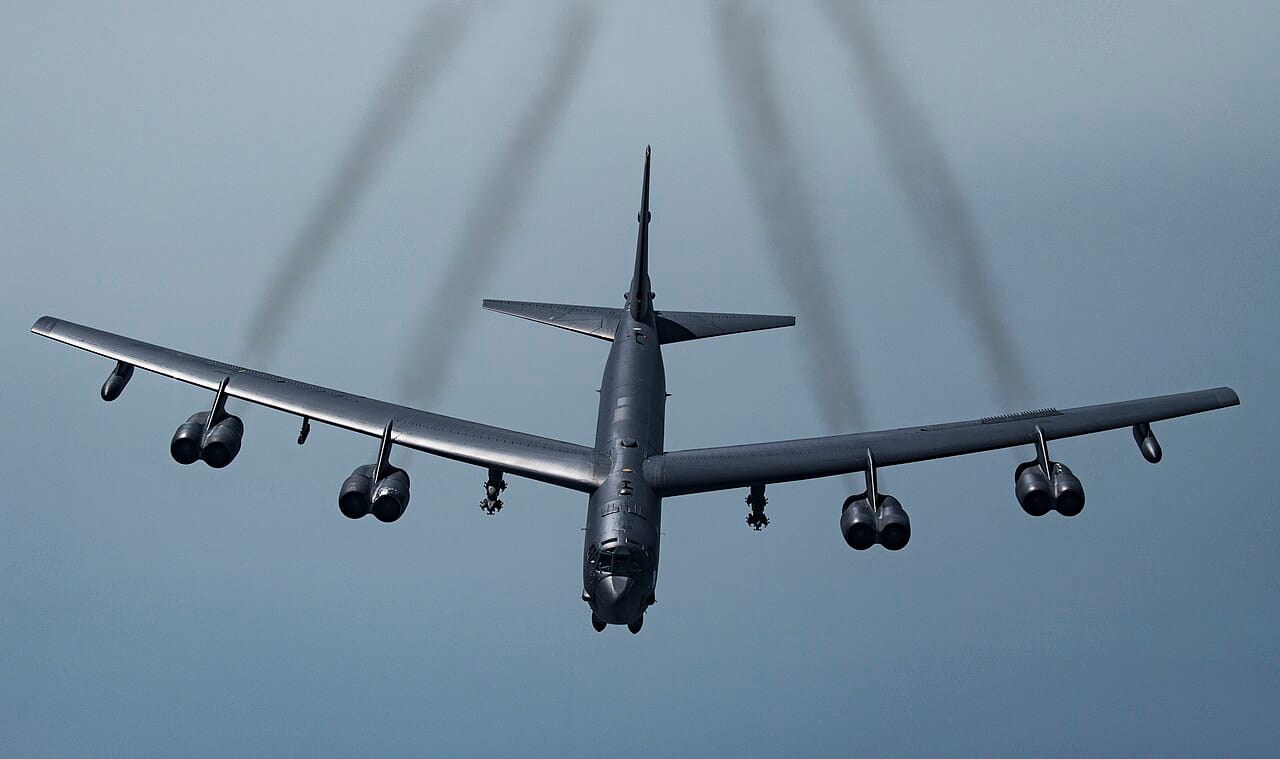
Six weeks ago, a B-52 Stratofortress carrying the U.S. Air Force's brand-new radar rolled down the runway at Edwards Air Force Base, lifted off, and crashed. All eight crew were killed. The single jet fitted with the upgrade the entire bomber fleet is counting on was gone.
Now the Air Force has its answer: put the same radar on another B-52 and keep going. Officials confirmed on July 27 that a second B-52H is already being modified at Boeing's San Antonio plant, with the work due to wrap up this year.
It is the clearest sign yet that the service intends to push its troubled radar program through the wreckage rather than around it.
Kurzinfo
- Programm: B-52 Radar Modernization Program (part of the B-52J upgrade)
- New radar: Raytheon AN/APQ-188 active electronically scanned array (AESA), replacing the 1960s-era AN/APQ-166
- Flotte: 75 B-52H bombers, in service since the early 1960s, to fly into the 2050s
- Also in the B-52J upgrade: new Rolls-Royce F130 engines (about 20% more range), new avionics
- Setback: the first radar testbed crashed on takeoff at Edwards AFB on 15 June 2026, killing all eight crew
- Now: a second B-52H is being fitted with the radar at Boeing's San Antonio plant; install due to finish in 2026
- Angekündigt: 27 July 2026, by the B-52 program office at a conference in Dayton, Ohio
Why a 60-year-old bomber needs a new radar
The B-52 is old and going nowhere. The Air Force plans to fly its 75 H-model bombers — machines that first entered service when Kennedy was president — deep into the 2050s. To get there, each jet is being rebuilt so thoroughly it earns a new name, the B-52J: new Rolls-Royce F130 engines worth roughly 20% more range, new avionics, and, crucially, a new radar.
Out goes the ancient mechanical AN/APQ-166. In comes Raytheon's AN/APQ-188, an active electronically scanned array that gives the lumbering bomber all-weather navigation and targeting closer to what a modern fighter carries. On paper, it is one of the most important upgrades in the aircraft's long life. In practice, it has been anything but smooth.
A program already under strain
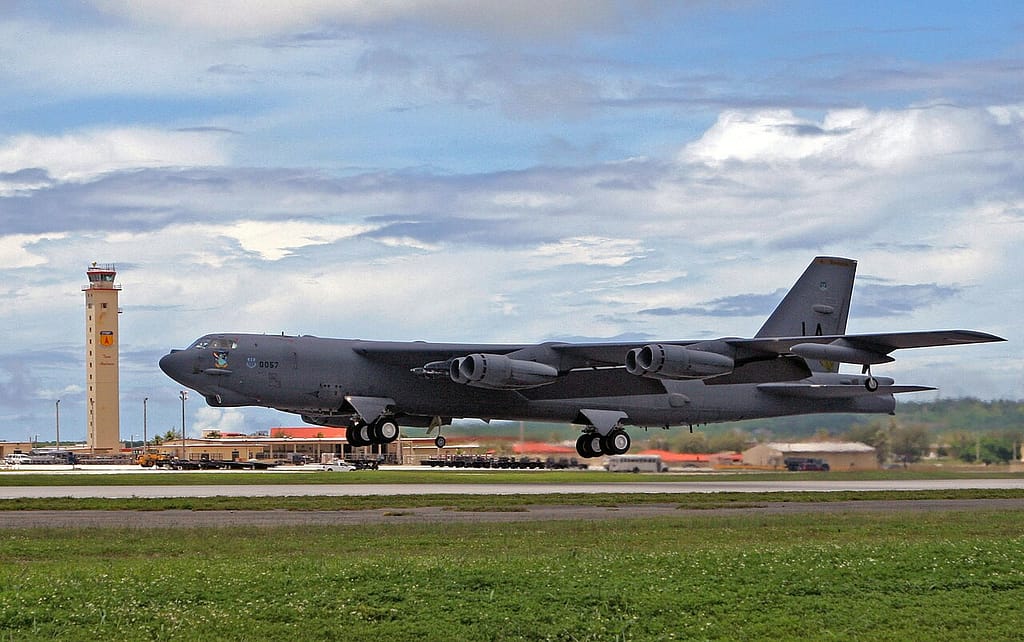
Even before the crash, the radar effort was in trouble. Rising costs tripped a congressional cost-overrun alarm known as a Nunn-McCurdy breach, forcing the Air Force to trim the program's scope. The first upgraded B-52H had only just ferried from San Antonio to Edwards in December 2025 to begin flight testing when it went down on June 15.
Program managers say the plan always called for two test aircraft, so the second bomber was coming regardless. But losing the first jet still stalls flight testing for months while investigators comb through the wreckage — and the team says it will adjust its schedule depending on what the accident board finds. For a fleet meant to fly another 25 years, getting the radar right matters more than getting it fast.
Sources: Air & Space Forces Magazine; Defense News; The War Zone; U.S. Air Force. Video: B-52 Stratofortress operations, for illustration.
0 Kommentare