
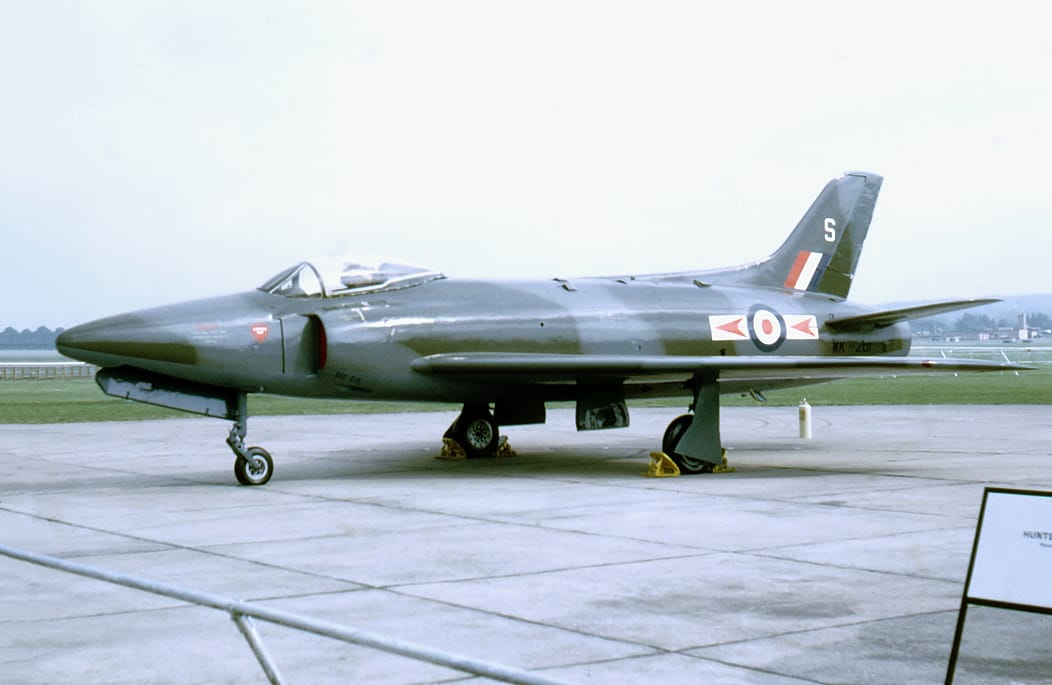
Im Herbst 1953 war für einige Tage das schnellste Flugzeug der Welt britisch: die Supermarine Swift. Doch dann wurde ebendiese Maschine zu einem der peinlichsten Jagdflugzeuge, die die Royal Air Force je beschafft hatte. Die Swift ist ein seltener Fall: Fast zeitgleich stellte sie einen Weltrekord auf und scheiterte kläglich.
Es stammte von Supermarine, dem Unternehmen, das Großbritannien die Spitfire. Die Erwartungen waren enorm hoch. Was folgte, war eine warnende Geschichte darüber, einen Kampfjet vorschnell in Dienst zu stellen, bevor er fertig war.
Kurzinfo
- Hersteller: Supermarine (Vickers-Armstrong) – die Firma, die die Spitfire baute
- Erster Flug: Prototyp Typ 541, 1. August 1951
- Motor: Rolls-Royce Avon Turbojet
- Weltrekord für Fluggeschwindigkeit: 735,7 Meilen pro Stunde, 26. September 1953, Mike Lithgow, über Libyen
- Kämpferkarriere: Dienst bei der RAF ab 1954; als Abfangjäger bis 1955 außer Dienst gestellt.
- Zweites Leben: FR.Mk 5 Tiefflugaufklärung in RAF Deutschland
- Errichtet / außer Betrieb genommen: Etwa 197 gebaut (von 497 bestellten); Aufklärungs-Swifts außer Dienst gestellt 1961
Rekordbrecher
Am 26. September 1953 erreichte Testpilot Mike Lithgow mit einer Swift F.4 über Libyen eine Geschwindigkeit von 1184,5 km/h und sicherte sich damit den absoluten Geschwindigkeitsweltrekord. Es war ein wahrer Triumph – das letzte britische Serienflugzeug, das jemals den absoluten Geschwindigkeitsrekord hielt. Für eine Nation, die dem Jetzeitalter mit Sorge entgegenblickte, war es ein stolzer Moment.
...und das Versagen der Kampfflugzeuge
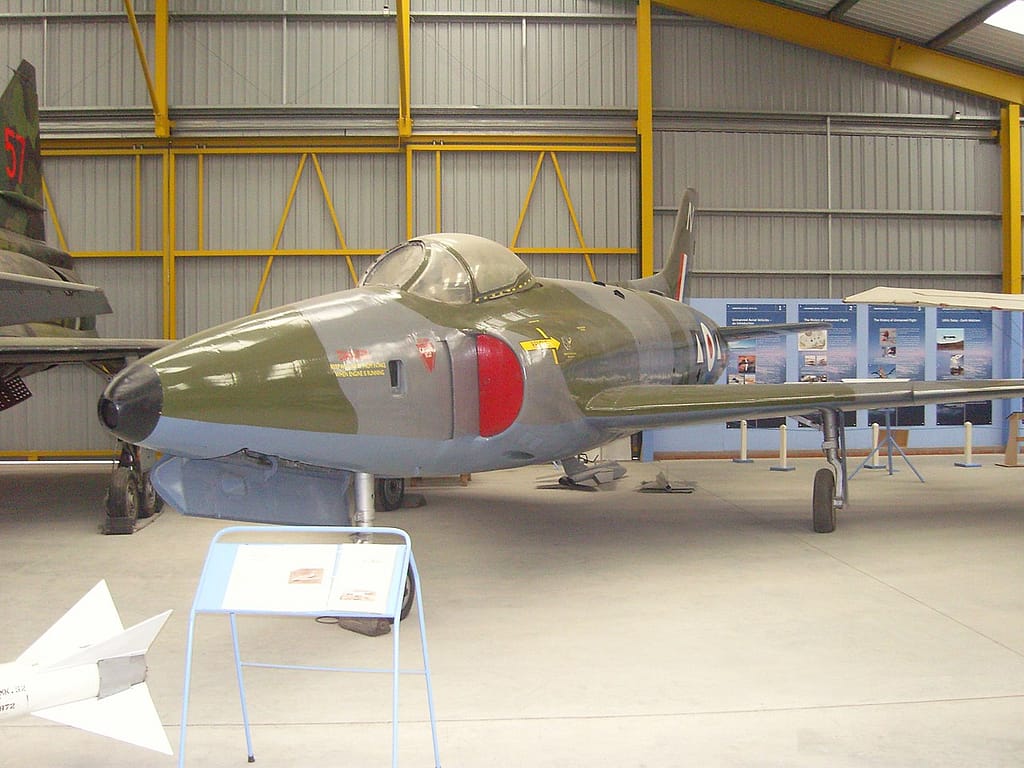
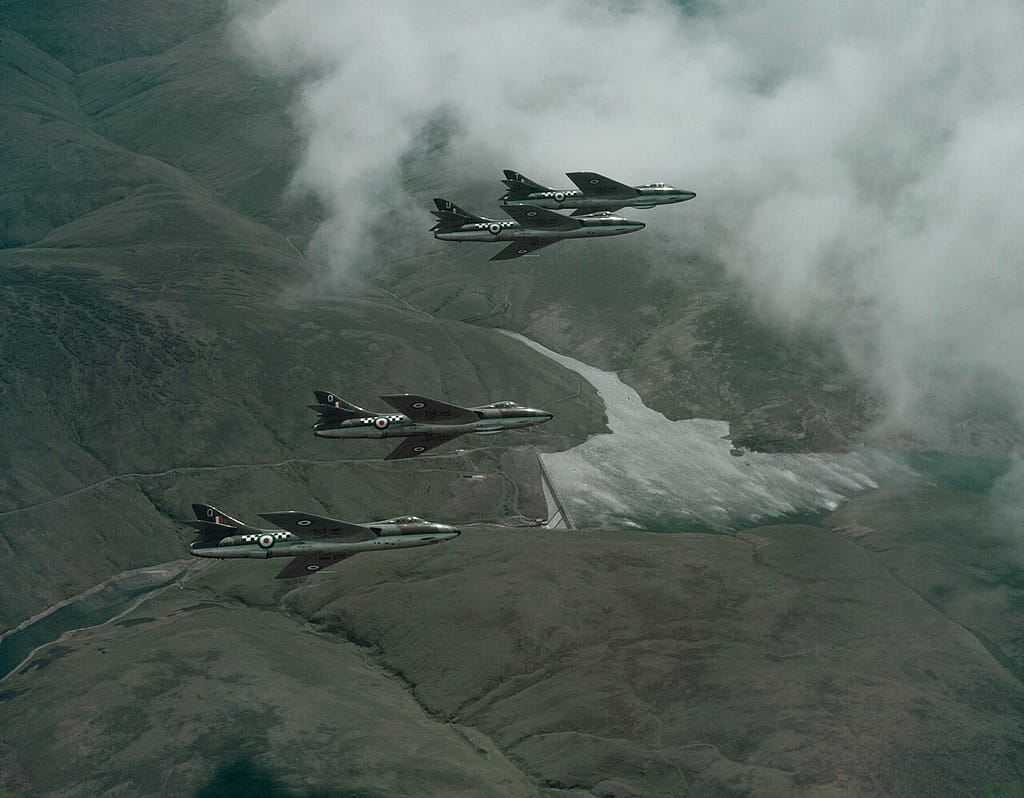
Hinter dem Rekord verbarg sich ein problembehaftetes Flugzeug. Die Swift war 1950 "vom Reißbrett" in Auftrag gegeben worden, als Versicherung für den Fall, dass der Konkurrent… Hawker Hunter Es hatte Probleme. Der Rumpf war noch für ein älteres Triebwerk ausgelegt, und die Flugeigenschaften waren in entscheidenden Bereichen mangelhaft: Es neigte gefährlich zum Aufbäumen, die Bordkanone klemmte, und der Nachbrenner ließ sich in großer Höhe nicht wieder zünden. Oberhalb von etwa 12.000 Metern war es schlichtweg nicht effektiv im Kampf einsetzbar.
Nach tödlichen Unfällen im Jahr 1954 wurden die frühen Jagdflugzeugversionen stillgelegt, und die ganze Angelegenheit eskalierte zu einem öffentlichen Skandal um Millionen von Pfund an Ausgaben. 1955 war die Karriere der Swift als Abfangjäger beendet, und die Hunter – das Flugzeug, das sie eigentlich unterstützen sollte – übernahm stattdessen diese Aufgabe.
Einlösung auf niedrigem Niveau
Die Geschichte hat ein glücklicheres Ende, als sie verdient. Dank ihrer robusten Flugzeugzelle eignete sich die Swift hervorragend für Tiefflüge, weshalb die RAF sie zur FR.Mk 5 umbaute, einem taktischen Aufklärungsflugzeug, das in Baumwipfelhöhe über die deutschen Ebenen raste. In dieser Rolle gewann sie 1957 und 1959 sogar NATO-Aufklärungswettbewerbe. Die 1961 außer Dienst gestellte Swift ist als der Jäger in Erinnerung geblieben, der es nicht schaffte – aber auch als Rekordbrecher, der Großbritannien kurzzeitig zur schnellsten Nation am Himmel machte.
Quellen: Wikipedia; Thunder & Lightnings (Damien Burke); Derek Wood, "Project Cancelled"; British Pathé.
Ähnliche Beiträge
0 Kommentare