
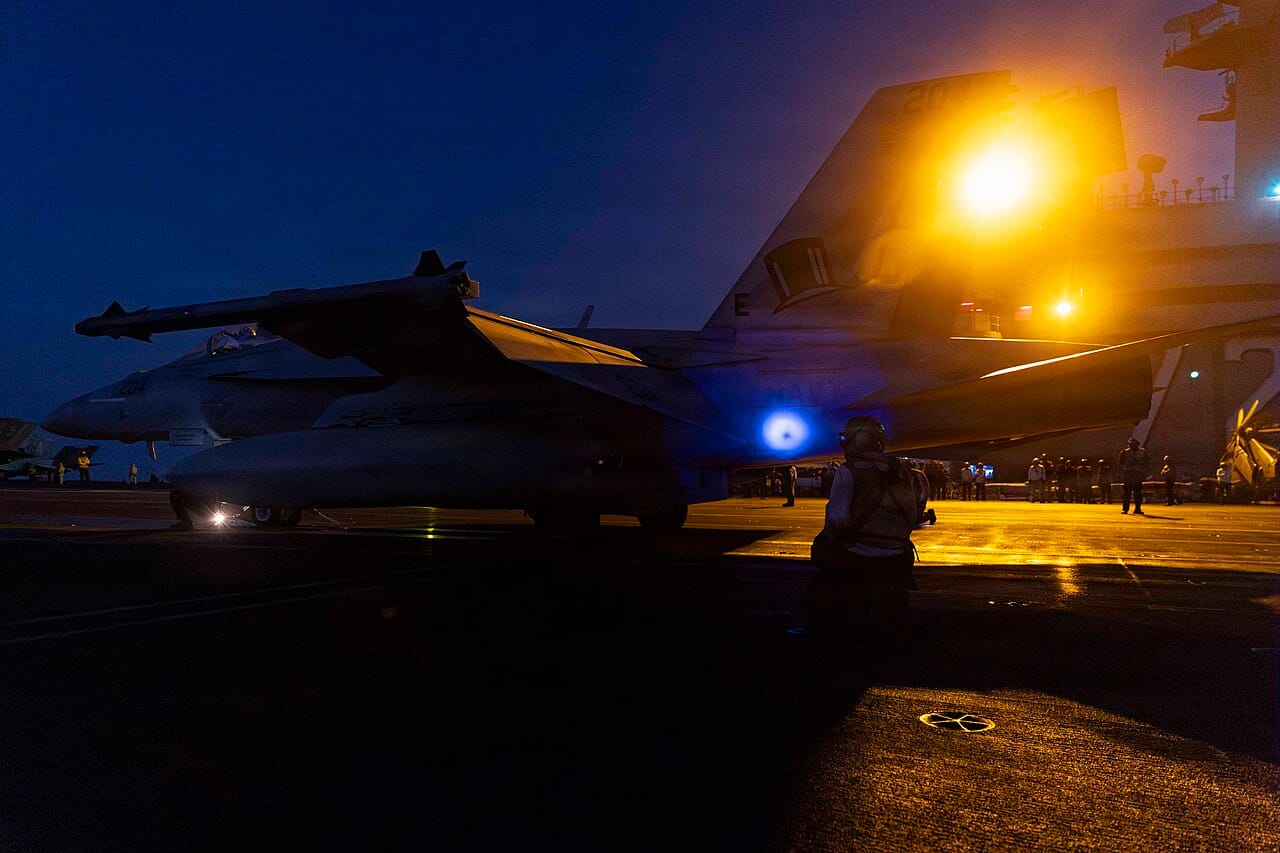
Irgendwo im nördlichen Arabischen Meer vollbringt ein 100.000 Tonnen schwerer, atomgetriebener Flugzeugträger etwas, was noch keinem amerikanischen Kriegsschiff in der Neuzeit gelungen ist: Er hält einfach nicht an. Die USS Abraham Lincoln verließ San Diego vor Weihnachten, legte genau einmal an und ist seitdem ununterbrochen auf See. Mitte Juli war sie bereits über 210 Tage ohne einen einzigen Hafenanlauf unterwegs.
Diese Zahl übertraf stillschweigend den bisherigen Rekord – 206 aufeinanderfolgende Tage auf See, aufgestellt von der USS Dwight D. Eisenhower im von COVID-19 geprägten Sommer 2020. Die Lincoln hatte nicht die Absicht, diesen Rekord zu brechen. Sie geriet in eine besonders heikle Lage, und der Kalender tat sein Übriges.
Dieser Rekord sagt ebenso viel über die Belastung der amerikanischen Flugzeugträgerflotte aus wie über die Ausdauer einer einzelnen Besatzung. Niemand hatte einen 200-tägigen Marathon geplant. Sie erleben ihn trotzdem.
Kurzinfo
- Schiff: USS Abraham Lincoln (CVN-72), Flugzeugträger der Nimitz-Klasse
- Rolle: Flaggschiff, Flugzeugträgerkampfgruppe 3
- Linker Heimathafen: Marinestützpunkt San Diego, 21. November 2025
- Einziger Portanruf seit: Guam, 11.–12. Dezember 2025
- Aufeinanderfolgende Tage auf See: 210+ (Stand Mitte Juli 2026)
- Vorheriger Rekord: USS Dwight D. Eisenhower – 206 Tage, 2020
- Aktuelle Operationen: Operation Epic Fury: Angriffe gegen den Iran
Ein Pier in acht Monaten
Die Lincoln verließ am 21. November 2025 den Marinestützpunkt San Diego mit Kurs auf den Ostpazifik und das Südchinesische Meer. Sie legte am 11. und 12. Dezember einen eintägigen Zwischenstopp auf dem Marinestützpunkt Guam ein – das war das letzte Mal, dass ihre Besatzung festen Boden unter den Füßen hatte. Danach bestand alles nur noch aus Stahl, Salzwasser und einem Flugdeck.
Dann änderte sich der Plan. Statt einer Pazifikkreuzfahrt wurde die Kampfgruppe nach Westen, in den Nahen Osten, umgeleitet, wo die USA immer tiefer in einen offenen Konflikt mit dem Iran gerieten. Aus einem Routineeinsatz wurde ein unbefristeter. Der Rückflug verzögerte sich zusehends.
Die Speerspitze in Epic Fury
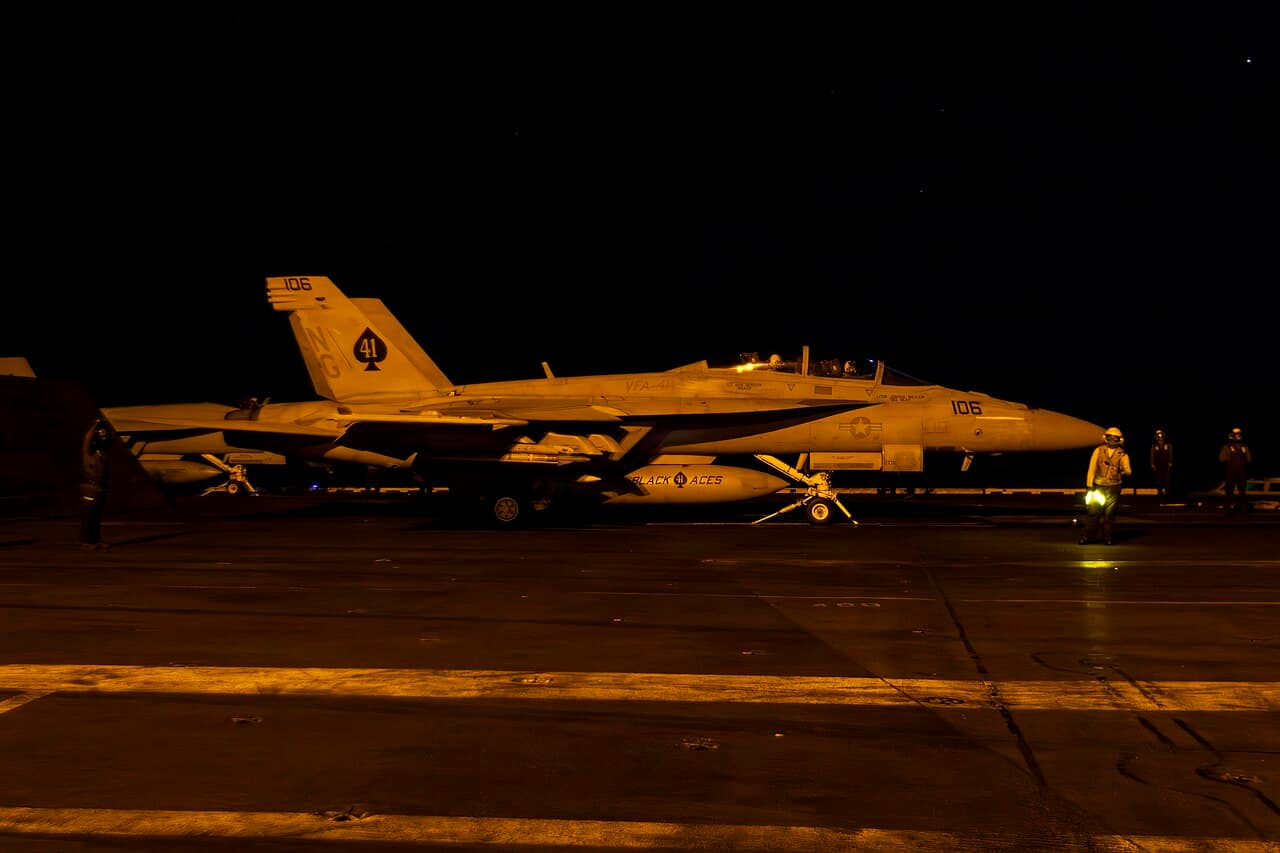
Als die Kämpfe begannen, befand sich die Lincoln mitten im Geschehen. Während der Operation Epic Fury – der rund 40-tägigen Kampagne gegen den Iran – feuerten die Zerstörer der Kampfgruppe des Zerstörergeschwaders 21 Dutzende von Tomahawk-Marschflugkörpern ab, während die Bordflieger des Flugzeugträgers Tausende von Einsätzen flog und zur Durchsetzung einer Seeblockade beitrug.
Bei diesem Tempo bleibt kein Raum für einen gemächlichen Hafenaufenthalt in Dubai oder Jebel Ali. Das Flugzeug wurde genau dort gebraucht, wo es war, und so blieb es Tag für Tag genau dort.
Die obigen Aufnahmen zeigen Lincolns Jets beim Start im Arabischen Meer – der tägliche Rhythmus, der sich nun schon fast ein ganzes Jahr lang ununterbrochen fortgesetzt hat.
Was 200 Tage mit einer Crew machen
Rund 5.000 Matrosen leben und arbeiten an Bord eines Flugzeugträgers der Nimitz-Klasse. Acht Monate ohne Landgang sind für sie keine bloße Zahl – es bedeuten verpasste Geburtstage, verpasste Geburten, verpasste Beerdigungen und einen Horizont, der sich nie ändert. Offizielle Vertreter der Marine haben die psychischen Belastungen dieser Marathon-Einsätze offen anerkannt, und der Einsatz der USS Lincoln ist zu einem Paradebeispiel dafür geworden, wie weit eine Besatzung getrieben werden kann.
Vor Eisenhowers 206-tägiger Fahrt im Jahr 2020 hielt die USS Theodore Roosevelt den modernen Rekord, indem sie nach dem 11. September etwa 160 Tage auf See verbrachte. Jeder Rekord entstand aus einer Krise, nicht aus Ehrgeiz – und jeder hinterlässt eine Flotte, die etwas stärker beansprucht ist als zuvor.
Ein Rekord und eine Warnung
Die Marine verfügt nur über eine begrenzte Anzahl an Flugzeugträgern, während die Zahl der Einsatzorte, die einen solchen benötigen, stetig wächst. Wenn ein einzelnes Schiff eine Lücke von über 200 Tagen schließen muss, liegt das meist daran, dass kein anderes Schiff die Wache übernehmen kann. Der Meilenstein der Lincoln ist eine wahre Meisterleistung der Seemannschaft und Ausdauer. Er ist zugleich ein Warnsignal.
Noch weht die Flagge der Carrier Strike Group 3 über dem Arabischen Meer, die Jets starten unaufhörlich, und die Tage vergehen. Wenn die Lincoln schließlich die Heimreise antritt, wird sie neue Maßstäbe dafür gesetzt haben, wie lange ein moderner Flugzeugträger im Einsatz bleiben kann. Ihre Besatzung würde wohl jede einzelne Seite dieser Erfolgsgeschichte für einen ruhigen Abend am Pier eintauschen.
Quellen: USNI News; Die Kriegszone (TWZ); Sternenbanner; Forbes; Wikipedia.
Ähnliche Beiträge
39 Flugzeuge verloren: Die vollen Kosten der epischen Wut
Von Null auf 265 km/h in zwei Sekunden: Wie Flugzeugträger Jets starten

Ich bin so stolz auf jeden Einzelnen von ihnen, aber jetzt reicht es. Sie sind viel zu lange ohne Hafenaufenthalt auf See. Es reicht! Sie sind keine Fische, sie brauchen Zeit an Land. Das muss sich zwangsläufig auf ihre psychische Gesundheit auswirken.
BITTE SCHICKEN SIE SIE JETZT NACH HAUSE!!! SIE HABEN IHREN TEIL ERFÜLLT!
Vielen Dank an jedes einzelne Besatzungsmitglied für ihren wirklich unglaublichen Einsatz. Seit heute sind sie ununterbrochen 225 Tage auf See, ohne einen Hafen angelaufen zu haben. Wie ein Seemann kürzlich in einem Nachrichtenbeitrag sagte: “Ich werde im Jahr 2026 keinen Fuß an Land gesetzt haben.” Es ist nun an der Zeit, sie nach Hause zu bringen.