
Here is a puzzle. A modern fighter jet is designed to fly something like 8,000 hours before its airframe is worn out. And yet, across NATO, air forces routinely retire their fighters long before they reach that limit — parking perfectly flyable jets in the desert while the meter still has thousands of hours left on the clock. Why throw away a machine that still works?
The answer, it turns out, is rarely about the airframe at all. It is about money, technology, politics and people. Here are the real reasons Western air forces put their fighters out to pasture early — with the important caveat that some, like the carrier-battered jets of the US Navy, genuinely do get flown into the ground.
Datos rápidos
| Typical design life | ~8,000 flight hours for many Western fighters |
| F-15C operating cost | About $27,900 per flight hour |
| The big US boneyard | AMARG, Davis-Monthan AFB, Arizona |
| Capability swap | Belgium, the Netherlands, Norway and Denmark trading F-16AMs for F-35As |
| Rearmament twist | Germany retiring the Tornado while buying 35 F-35As and more Eurofighters |
| Allied angle | Belgium set to become Ukraine’s largest F-16 supplier |
Obsolescence: the smartphone problem
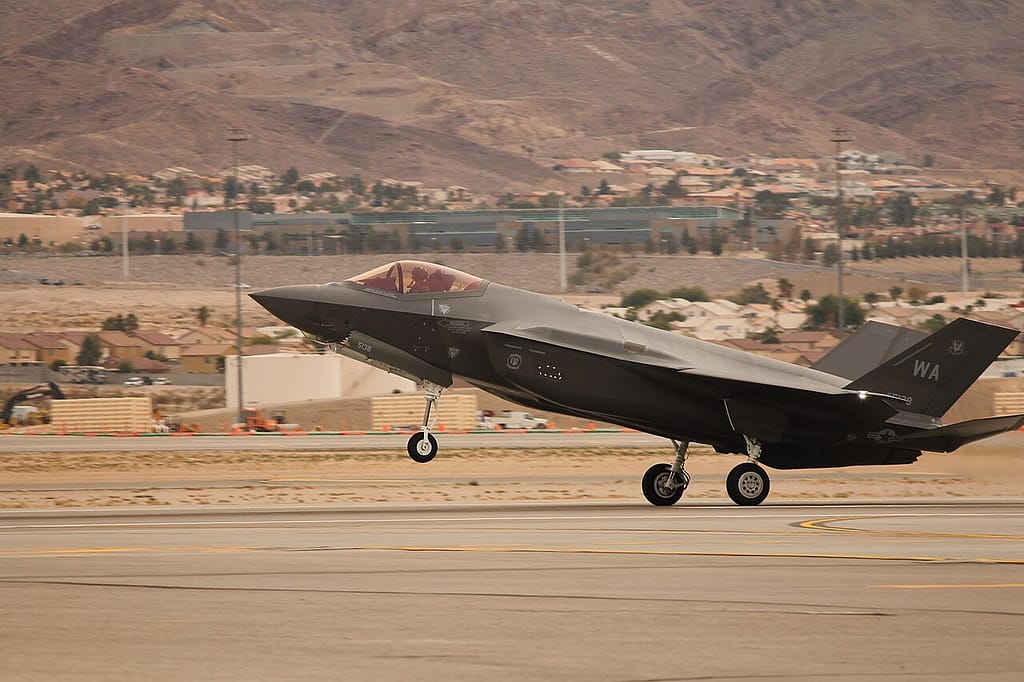
The leading reason is simply that air forces want a better aircraft, in the same way you might replace a phone that still works. The F-35A is a generational leap over the F-16AMs that Belgium, the Netherlands, Norway and Denmark flew for forty years. For a small air force, it makes little sense to pour scarce money into sustaining old jets and new ones at the same time — better to retire the F-16s, sell or donate them, and concentrate resources on the F-35 fleet.
Australia did much the same, retiring its legacy Hornets in 2021. Canada provides the counter-example: it bought those very Australian Hornets, first for spares and then to fly, squeezing every last hour out of its ageing fleet rather than replace it. There is no single right answer — only different bets.
The rising cost of old age
Old aircraft get expensive. As airframes age they break more, need more maintenance, and spend more time grounded — and the cost per flight hour climbs steeply in the final years of service, something planners call the “long tail” of fleet costs. An F-15C now costs roughly $27,900 for every hour it flies.
Spare parts are the quiet killer. A jet out of production for decades may have a supply chain that has simply withered — suppliers gone, tooling scrapped. That is why so many old fighters end their days being cannibalised: airframes retired and stripped to keep an ever-shrinking number of their siblings flying. It is one of the main jobs of the vast US boneyard at Davis-Monthan, where retired A-10, B-1Bs and F-16s are picked over for parts.
Politics, production lines and peace dividends
Air forces do not exist in a vacuum. Keeping a national fighter production line running is a strategic asset in itself: once it closes, the skills evaporate and restarting is painfully hard. Britain needs to keep the Eurofighter line busy until it can switch to the sixth-generation GCAP, and the US Congress funded more Super Hornets than the Navy actually wanted — partly to bridge Boeing to future programmes. Surplus new jets, in turn, give the Navy every reason to retire old ones early.
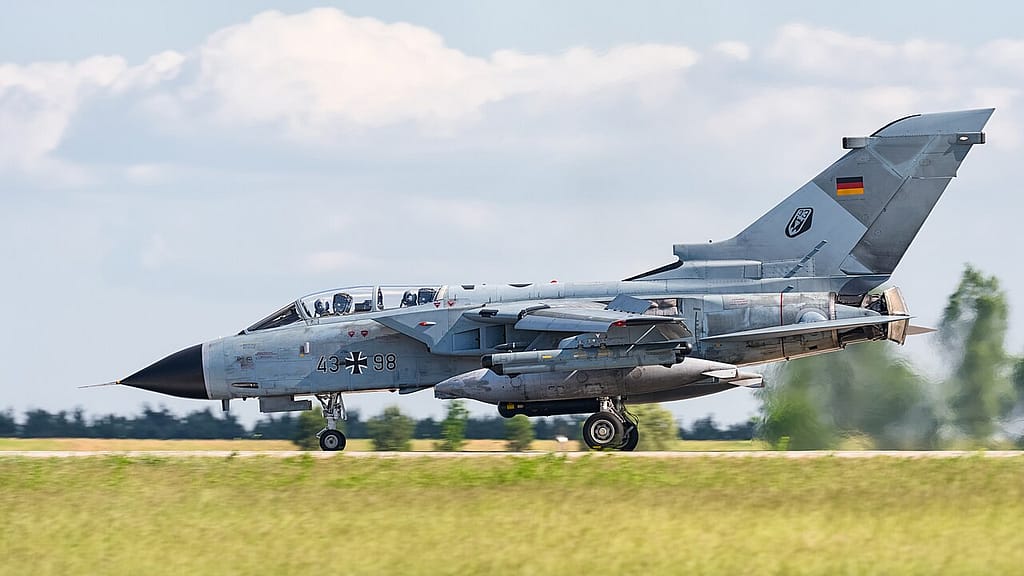
Then there is the swing between peace and rearmament. After the Cold War, the “peace dividend” saw Western fleets slashed. Now the pendulum has swung back — and paradoxically, rearming also retires jets early, as countries like Germany judge the ageing Tornado de Panavia inadequate for a future high-end war and move to F-35s and new Eurofighters. Expanded budgets only go so far, though: the real bottleneck is trained pilots and maintainers, which pushes air forces to concentrate scarce people on their newest aircraft.
Finally, there is the war in Ukraine. Poland and Slovakia handed over their MiG-29s ahead of schedule in 2023; Sweden is sending 16 older Gripen Cs from early 2027; and Belgium, once reluctant to part with its F-16s over concerns about their age, is now on course to become Ukraine’s largest F-16 supplier. It is the perfect illustration of the whole logic: one air force’s worn-out liability is another’s front-line asset.
Sources: Simple Flying; US Air Force / Department of Defense; congressional budget documents.
Publicaciones relacionadas
0 Comentarios