
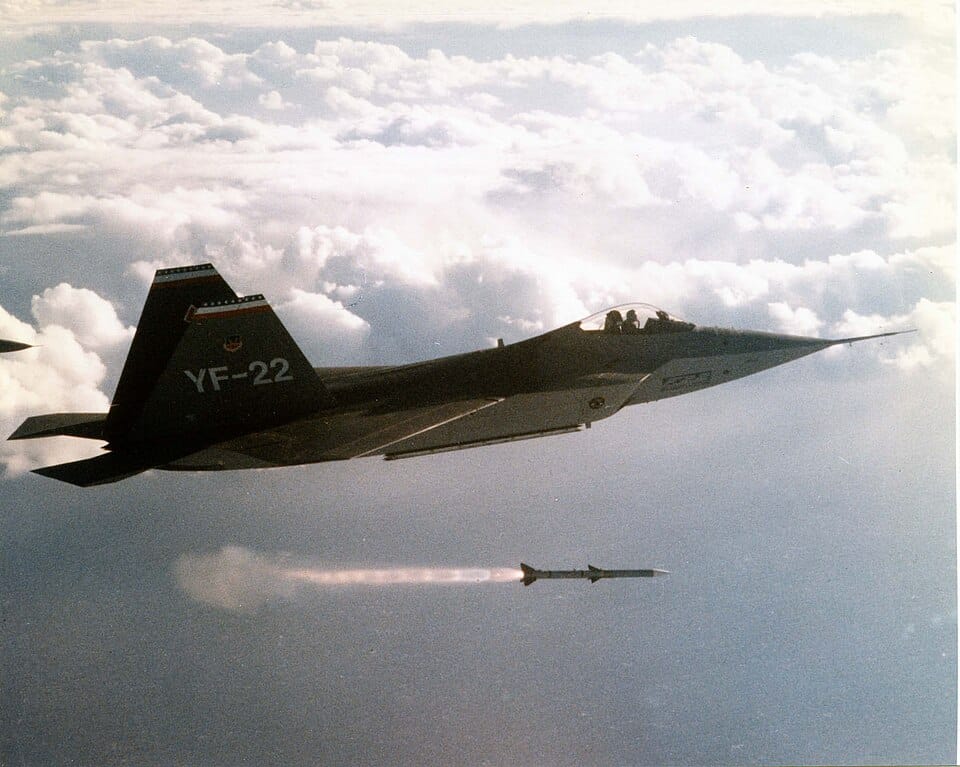
Fox One Lanzamiento de misiles guiados por radar semiactivo (por ejemplo, AIM-7 Sparrow)
Zorro Dos Lanzamiento de misiles infrarrojos/de búsqueda de calor (por ejemplo, AIM-9 Sidewinder)
Zorro Tres Lanzamiento de misiles guiados por radar activo (por ejemplo, AIM-120 AMRAAM)
Origen Sistema de códigos breves de la OTAN (publicación BREVITY)
Objetivo Comunicación instantánea del tipo de arma a los aliados: afecta a las tácticas de todos.
También se utiliza “Rifle” (misil aire-tierra), “Guns guns guns” (disparo de cañón), “Maddog” (AMRAAM sin fijación de radar)
“¡Víbora Uno, Zorro Tres, AMRAAM, grupo norte, diana 270/45!” En lo que se tarda en leer esa frase, un misil ya está en el aire, volando a Mach 4, y todos los pilotos en la frecuencia saben exactamente lo que acaba de ocurrir: quién lanzó, qué lanzaron, qué sistema de guiado utiliza y dónde está el objetivo. Ese es el propósito de los códigos de brevedad. No para sonar geniales en la radio —aunque lo hacen— sino para comprimir información vital en la menor cantidad de sílabas posible.
Las señales "Fox" son los códigos abreviados más famosos de la aviación militar. En todas las películas de pilotos de combate, alguien grita "¡Fox Dos!" antes de que un misil salga disparado. Pero qué significan realmente estos códigos, por qué hay tres y por qué un error podría costar la vida a alguien: esa es la parte que Hollywood nunca explica.
Fox One: El misil guiado que necesita ayuda
“El avión ”Fox One” anuncia el lanzamiento de un misil con guiado por radar semiactivo (SARH). El ejemplo clásico es el AIM-7 Sparrow. Semiactivo significa que el misil no tiene su propio transmisor de radar. En cambio, el avión lanzador ilumina el objetivo con su haz de radar, y el misil aprovecha esa energía reflejada para alcanzarlo, como si se iluminara a alguien con una linterna mientras un perro persigue la luz.
El problema es evidente: el piloto debe mantener el radar fijado en el objetivo desde el lanzamiento hasta el impacto. Si el piloto pierde el seguimiento para evadir una amenaza o realizar una maniobra defensiva, el misil se descontrola y falla. Esto limita tácticamente los disparos del Fox One: el piloto se ve obligado a apuntar al enemigo durante todo el vuelo del misil, que puede durar entre 20 y 30 segundos a larga distancia. En un combate dinámico con múltiples amenazas, eso es una eternidad.
El Sparrow fue el misil de largo alcance más allá del alcance visual por excelencia durante la Guerra Fría. Entró en combate desde Vietnam (donde sus primeras versiones tuvieron una tasa de derribos pésima) hasta la Guerra del Golfo (donde los modelos mejorados tuvieron un buen desempeño). Hoy en día, los misiles semiactivos están prácticamente obsoletos en las fuerzas aéreas occidentales, reemplazados por las armas Fox Three con radar activo. Pero muchas fuerzas aéreas en todo el mundo, incluyendo operadores de misiles más antiguos, siguen en uso. F-16, MiG-29, y F/A-18 — siguen portando misiles SARH, y a "Fox One" todavía se le conoce por frecuencias en todo el mundo.
Fox Two: El buscador de calor
“Fox Two” significa que un misil guiado por infrarrojos está en el aire. El AIM-9 Sidewinder es el ejemplo más emblemático: el misil aire-aire más producido en la historia occidental, con más de 200 000 unidades fabricadas desde 1956. Sus sensores térmicos rastrean la radiación infrarroja emitida por el objetivo, generalmente el escape del motor. Son misiles de «dispara y olvida»: una vez lanzados, el piloto puede maniobrar libremente. El misil hace el trabajo.
Los primeros misiles Sidewinder solo podían fijar el objetivo desde atrás, donde el escape del motor alcanzaba su máxima temperatura. Las versiones modernas, como el AIM-9X, pueden fijar el objetivo desde cualquier ángulo, incluso de frente, y se controlan mediante la pantalla montada en el casco del piloto. Basta con mirar el objetivo, escuchar el zumbido del buscador en los auriculares y pulsar el botón. El misil se lanza, realiza un giro increíblemente cerrado y sigue al objetivo sin importar su trayectoria.
Cuando un piloto dice "Fox Dos", todos en la frecuencia saben dos cosas: el combate es a corta distancia (los misiles guiados por calor son armas de corto alcance) y el misil es autónomo. No se necesita fijación por radar. No se requiere guiado continuo. Esto hace que las llamadas "Fox Dos" sean inherentemente más peligrosas para el objetivo y más liberadoras para el tirador. También es la razón por la que se escucha en casi todos los combates aéreos que se han representado en pantalla: el combate a corta distancia y a la vista es el más dramático, y el Sidewinder es el arma que lo termina.
Fox Three: Dispara y olvida a 50 millas
“La señal ”Fox Three” revolucionó el combate aéreo. Anuncia el lanzamiento de un misil guiado por radar activo (AMRAAM), un arma con su propio transmisor de radar a bordo. El AIM-120 AMRAAM es el ejemplo paradigmático. El piloto proporciona los datos iniciales de puntería y lanza el misil hacia la amenaza. Durante la primera fase del vuelo, el misil navega mediante guiado inercial, actualizado por el enlace de datos de la aeronave lanzadora. En la fase terminal, el AMRAAM activa su propio radar y se guía hacia el objetivo de forma autónoma.
La revolución táctica es total. A diferencia de un disparo de Fox One, el piloto puede desviarse, defenderse de otras amenazas o volver a atacar un objetivo diferente inmediatamente después del lanzamiento. El misil se maneja solo. Una formación de cuatro F-16 puede disparar cada uno un AMRAAM contra cuatro objetivos distintos simultáneamente, para luego girar y dejar 16 misiles convergiendo en 16 objetivos desde diferentes ángulos. Nadie necesita permanecer apuntando al enemigo. Nadie está limitado a un solo enfrentamiento.
El AMRAAM ha sido el arma dominante de largo alcance en las fuerzas aéreas occidentales desde la década de 1990. Su probabilidad de impacto es información clasificada, pero se estima que es significativamente mayor que la de sus predecesores. Cuando un piloto escucha "Fox Three" por radio, sabe que el misil aire-aire más letal del arsenal de la OTAN está buscando. Si es el objetivo, tiene segundos para reaccionar.
Más allá de Fox: Otras llamadas que importan
La serie Fox trata sobre misiles aire-aire, pero los pilotos de caza tienen códigos abreviados para cada arma y situación. "Rifle" significa el lanzamiento de un misil aire-tierra (Maverick, HARM). "Guns guns guns" —siempre dicho tres veces— anuncia el uso del cañón interno. "Maddog" significa un AMRAAM disparado sin fijación de radar, usando su propio buscador para encontrar el primer objetivo que encuentra (peligroso en una melé con aliados). "Pitbull" significa que un AMRAAM lanzado previamente se ha vuelto activo: su propio radar ahora lo guía y el objetivo está en la zona de destrucción terminal.
Cada llamada comprime la información. Cada segundo ahorrado en la radio es un segundo ganado para la toma de decisiones. En un combate donde las velocidades superan los 1600 km/h, donde los misiles vuelan desde múltiples direcciones y donde la diferencia entre un aliado y un enemigo puede ser de 16 kilómetros y un código de transpondedor, la brevedad no es una conveniencia. Es supervivencia. Las llamadas Fox son la forma en que los pilotos de combate transforman el caos en información, palabra por palabra.
Fuentes: Publicación BREVITY de la OTAN (ATP-62), Escuela de Armas de la USAF, “Combate de cazas: tácticas y maniobras” por Robert L. Shaw, Raytheon Missiles & Defense
Preguntas relacionadas
¿Qué significan Fox One, Fox Two y Fox Three?
"Las llamadas "Fox" son códigos abreviados de la OTAN que un piloto utiliza al disparar un misil aire-aire. Fox Uno indica un misil guiado por radar semiactivo (como el AIM-7 Sparrow), Fox Dos un misil de búsqueda de calor infrarrojo (como el AIM-9 Sidewinder) y Fox Tres un misil guiado por radar activo (como el AIM-120 AMRAAM). Cada uno informa instantáneamente a los pilotos aliados sobre el misil lanzado.
¿Qué es Fox Two?
Fox Two anuncia el lanzamiento de un misil infrarrojo de búsqueda de calor, como el AIM-9 Sidewinder. La llamada alerta instantáneamente a los demás pilotos de que un misil está rastreando la firma térmica de un objetivo en lugar de su reflexión de radar, lo que modifica la forma en que todos maniobran y se defienden. Los misiles de búsqueda de calor se utilizan normalmente en combates aéreos a corta distancia.
¿Cuál es la diferencia entre Fox One y Fox Three?
Ambos sistemas utilizan misiles guiados por radar, pero el sistema de guiado difiere. El Fox One es un misil semiactivo que requiere que la aeronave lanzadora mantenga su radar fijado en el objetivo, mientras que el Fox Three es un misil de radar activo, similar al AMRAAM, con su propio buscador, lo que permite al piloto "lanzar y alejarse" y maniobrar con mayor rapidez.
¿Por qué los pilotos de combate utilizan códigos abreviados?
Los códigos de brevedad comprimen información vital en una sola palabra para que pueda ser pronunciada y comprendida instantáneamente a través de una radio congestionada. En un combate que dura segundos, decir "Fox Tres" les indica a todos quién disparó, qué tipo de misil está en el aire y cómo se guía, mucho más rápido que describirlo por completo, lo que podría costar un tiempo crucial.
¿Qué significa Guns guns guns?
"¡Disparos, disparos, disparos!" es la breve orden que da un piloto al disparar el cañón de la aeronave contra un objetivo aéreo. Al igual que las órdenes de Fox, informa instantáneamente a los pilotos aliados qué arma se está utilizando. El fuego de cañón es un ataque de muy corto alcance, por lo que la orden indica que se está produciendo un combate cercano.
¿Qué es una llamada de rifle?
"Rifle" es el código abreviado que anuncia el lanzamiento de un misil aire-tierra, diferenciándolo de las comunicaciones aire-aire "Fox". Indica a otras aeronaves que un arma se dirige hacia un objetivo terrestre. El uso de términos claros y estandarizados como este evita confusiones peligrosas durante misiones complejas con múltiples aeronaves y armas en juego.
¿Qué significa Maddog en combate aéreo?
"El sistema "Maddog" advierte que se ha lanzado un misil AMRAAM sin fijación de radar, lo que significa que el misil se dirigirá hacia el primer objetivo que encuentre su buscador. La alerta avisa a todas las aeronaves cercanas, amigas o enemigas, para que se pongan a la defensiva, ya que un misil con radar activo sin fijar puede ser peligroso para cualquiera que se cruce en su trayectoria.
¿A qué misiles se refieren las llamadas de Fox?
Los ejemplos clásicos son el AIM-7 Sparrow para Fox One (radar semiactivo), el AIM-9 Sidewinder para Fox Two (infrarrojo) y el AIM-120 AMRAAM para Fox Three (radar activo). Los cazas modernos como el F-35 Estos misiles se transportan internamente, y los pilotos siguen utilizando los mismos códigos Fox al emplearlos.
¿De dónde provienen los códigos de abreviatura de Fox?
Las llamadas Fox forman parte de un sistema estandarizado de códigos breves de la OTAN establecido en publicaciones oficiales, diseñado para que las tripulaciones aéreas de diferentes unidades y naciones puedan comunicarse con claridad. Un vocabulario compartido significa que un piloto en una F-22 Raptor y en el caos del combate aéreo, los pilotos se entienden al instante.

0 Comentarios