
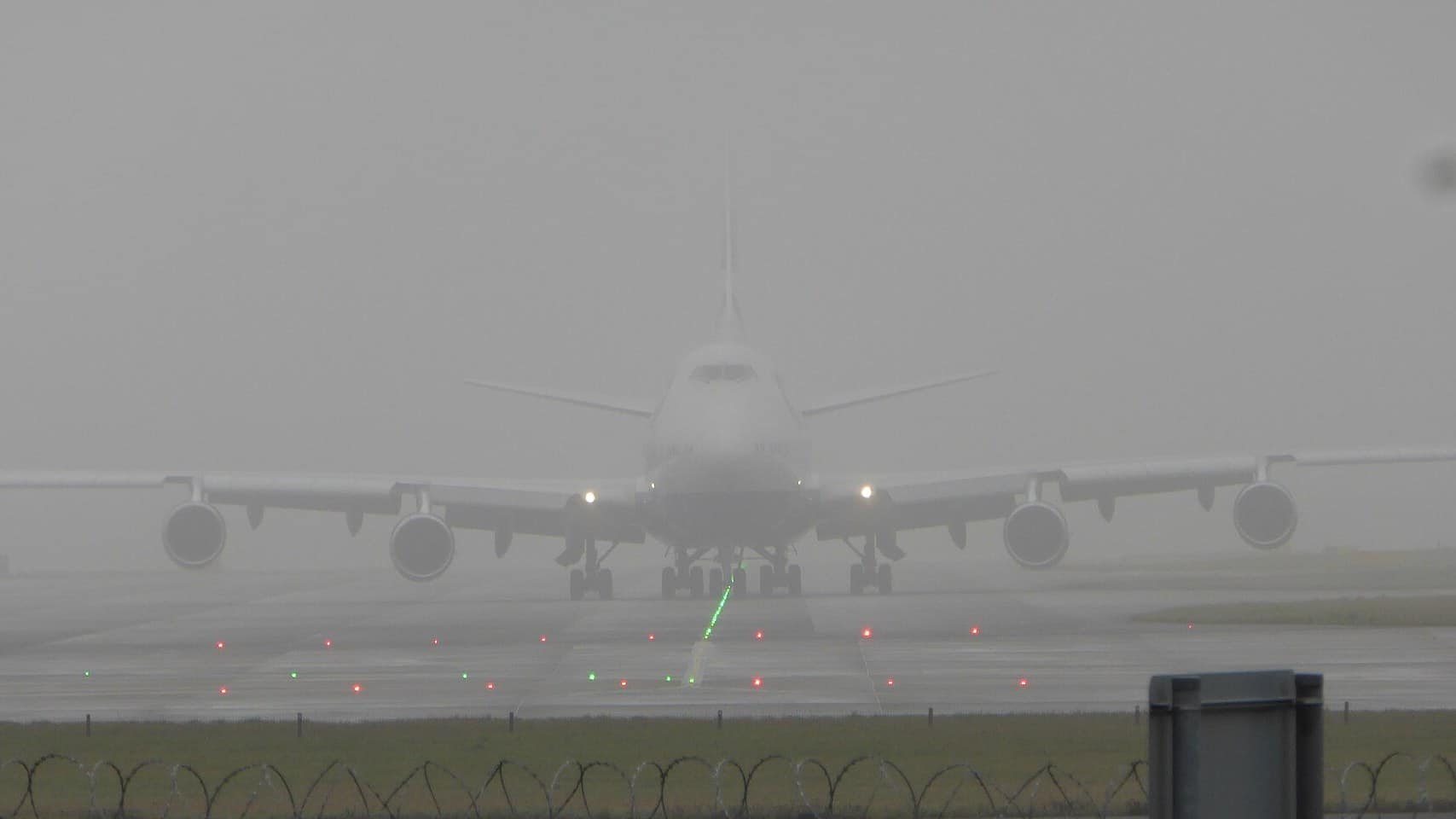
Heathrow, una mañana de diciembre. La niebla es tan densa que desde la cabina de un Boeing 777 en rodaje la tripulación no puede ver la punta de su propia ala. Oficialmente, el alcance visual de la pista es de 125 metros, aproximadamente la longitud del avión más un autobús. Y, sin embargo, cada pocos minutos, 300 toneladas de aluminio emergen de la bruma y se depositan sobre la línea central, justo donde deben.
Ningún ser humano puede aterrizar un avión en esas condiciones. Los ojos humanos necesitan referencias visuales, y no las hay hasta segundos antes del aterrizaje. Lo que lo hace posible es uno de los sistemas más extraordinarios y discretos de la aviación comercial: el aterrizaje automático.
Así es como aterriza un avión de pasajeros, y por qué, la mayoría de las veces, los pilotos todavía lo hacen manualmente.
Datos rápidos: CAT III Autoland
| Qué es | Un aterrizaje totalmente automático realizado por el piloto automático en condiciones de visibilidad casi nula. |
| Cuando se utiliza | Condiciones de categoría II/III: alturas de decisión inferiores a 200 pies y alcance visual de la pista de hasta aproximadamente 75 m. |
| Sensor de llave | El radioaltímetro, que mide la altura sobre la pista con una precisión de pies. |
| La llamarada | Se inicia automáticamente a una altitud de radio de aproximadamente 50 pies. |
| Redundancia | Dos o tres pilotos automáticos: diseños "de tolerancia a fallos" o "de tolerancia a fallos operativos". |
| Con qué frecuencia | Solo una pequeña fracción de los aterrizajes —la gran mayoría se realizan manualmente— |
La escala ILS: de CAT I a “altura sin decisión”
Toda aproximación de precisión depende del Sistema de Aterrizaje Instrumental (ILS): un haz localizador que marca el eje de la pista y un haz de senda de planeo que marca la trayectoria de descenso de 3 grados. Lo que diferencia una aproximación ordinaria de una a ciegas es hasta qué punto se permite seguir los haces, y eso es lo que definen las categorías del ILS.
Una aproximación CAT I estándar requiere una altura de decisión de al menos 200 pies y una visibilidad de alrededor de 550 m: alcanzar los 200 pies, ver la pista o abortar el aterrizaje. CAT II te lleva a una altura de decisión de 100 pies con un alcance visual de la pista de aproximadamente 300 m. CAT III es donde los humanos ceden el control: alturas de decisión inferiores a 100 pies o ninguna, y una visibilidad que se reduce a alrededor de 175–200 m para CAT IIIA y tan solo 75 m para CAT IIIB. Las cifras exactas difieren ligeramente entre los reglamentos de la FAA y la EASA —las últimas reglas de operaciones en cualquier condición meteorológica de Europa incluso han integrado la antigua división IIIA/IIIB en un único marco CAT III— pero la lógica es universal: cuanto menos se ve, más capaces y redundantes deben ser la aeronave, la tripulación y el equipo del aeropuerto.
Una CAT IIIC teórica —altura de decisión cero, visibilidad cero— existe solo en teoría, pero no se utiliza en ningún sitio. Aunque se pudiera aterrizar con niebla absoluta, jamás se podría rodar hasta la puerta de embarque.
Fallo pasivo, fallo operativo y el arte de no confiar en un solo ordenador.
La pregunta central del diseño de Autoland es brutal: ¿qué sucede si el sistema falla a 40 pies? La respuesta viene en dos versiones. A fallar pasivo El sistema —normalmente dos pilotos automáticos que se verifican mutuamente— garantiza que un solo fallo no desestabilice la aeronave, pero el aterrizaje debe abandonarse; por eso las aeronaves con sistema de detección de fallos pasivo mantienen una altura de decisión de unos 50 pies. falla operativa El sistema, que consta de dos o tres pilotos automáticos más una copia de todo lo demás, puede absorber un fallo y simplemente continuar aterrizando automáticamente.
Los aviones operativos en caso de fallo cambian la altura de decisión por algo más sutil: un altura de alerta, Aproximadamente a 30 metros en un A320 y a 60 metros en los Boeing. Por encima de este valor, cualquier fallo significativo implica una maniobra de aterrizaje frustrado. Por debajo, la aeronave está comprometida: se confía en que los sistemas restantes completen el trabajo, y las estadísticas indican que lo harán: la certificación exige que la probabilidad de un fallo catastrófico sea prácticamente nula.
Los últimos cincuenta pies
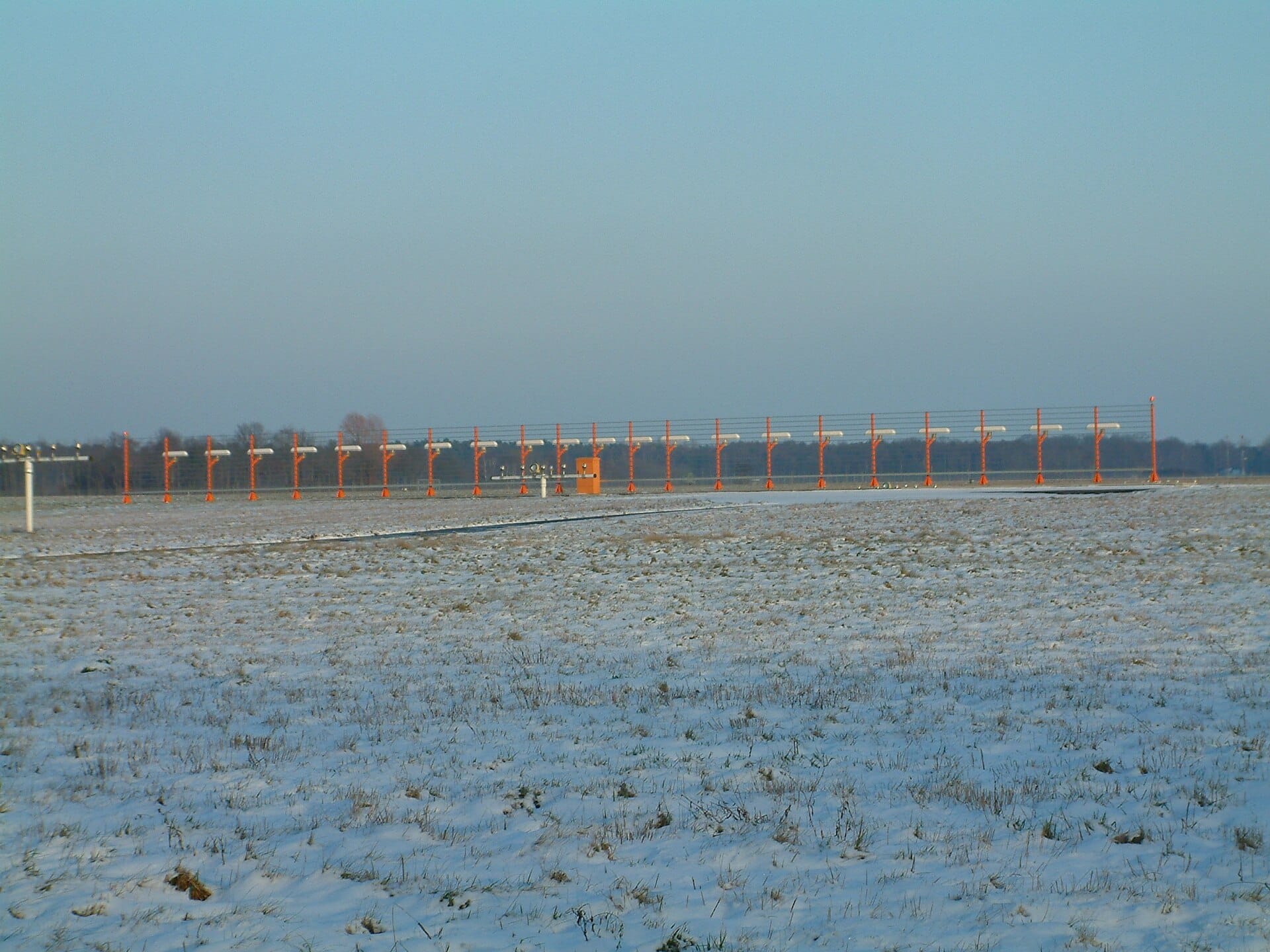
En la aproximación final, los pilotos automáticos siguen los haces de luz. Pero estos haces no pueden aterrizar la aeronave: cerca del suelo generan ruido y no hay una senda de planeo que indique cuándo interrumpir el descenso. Esa función la desempeña el radioaltímetro, que emite ondas de radio que rebotan en el suelo y mide la altura sobre la pista con una precisión de pocos metros.
Aproximadamente a 15 metros, el sistema automático inicia la maniobra de aterrizaje: un suave ascenso del morro que prioriza un aterrizaje suave sobre la velocidad de descenso. Alrededor de los 9 metros, el acelerador automático reduce la potencia al ralentí. Al tocar tierra, el modo de rodaje toma el control, dirigiendo la aeronave con el timón y la rueda de morro para mantener la línea central invisible mientras los pilotos desaceleran. En un avión a reacción con capacidad de fallo, la máquina ha volado a cualquier altitud, desde 300 metros hasta velocidad de peatón.
Durante todo el proceso, los pilotos permanecen sentados con las manos apoyadas en los controles y las palancas de empuje. No por comodidad, sino por protocolo. Un piloto supervisa los instrumentos y avisa de cualquier desviación; el otro está preparado para tomar el control o abortar el aterrizaje en cuanto algo no coincida. El aterrizaje automático no excluye a la tripulación del control; simplemente la traslada a un nivel superior, pasando de pilotar la aeronave a analizarla.
¿Por qué no automatizar todo el aterrizaje?
Dada toda esta capacidad, cabría esperar que el aterrizaje automático fuera la opción predeterminada. Sin embargo, ocurre todo lo contrario: solo una pequeña fracción de los aterrizajes son automáticos. El veterano piloto de aerolíneas estadounidenses y autor Patrick Smith lo cuantifica.
Las razones se acumulan rápidamente. La mayoría de los días, el clima simplemente no lo requiere, y un aterrizaje manual mantiene la destreza del piloto al volante. Cuando se realizan aterrizajes automáticos con buen tiempo, suele ser por la razón opuesta: las tripulaciones y las aeronaves deben practicarlos periódicamente para mantener la certificación vigente, ya que esta caduca sin práctica.
Luego está el aeropuerto. En los procedimientos de baja visibilidad, las "áreas críticas" del ILS cerca de las antenas deben mantenerse libres de aeronaves y vehículos en rodaje, ya que un fuselaje en el lugar equivocado literalmente desvía el haz. Los aterrizajes se espacian más, los despegues esperan más tiempo y una pista que maneja 45 movimientos por hora con sol puede manejar muchos menos con niebla. El aterrizaje automático salva la situación precisamente al aceptar un aterrizaje más lento.
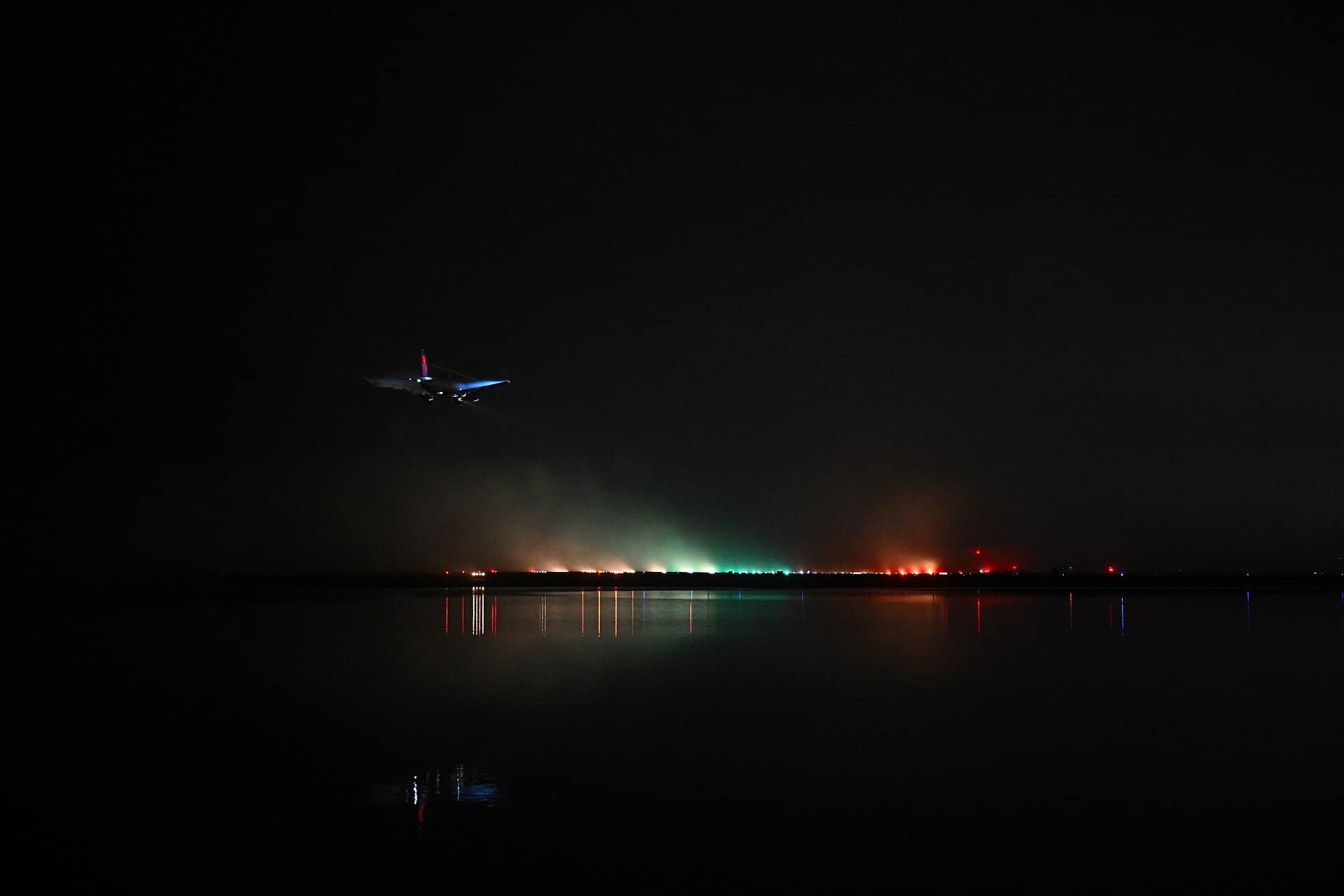
Y ahí reside la clave del aterrizaje automático: nunca se concibió para sustituir a los pilotos. Es una herramienta especializada para un problema específico y poco frecuente —la pista de aterrizaje cubierta de niebla—, envuelta en redundancia y procedimientos. La máquina vuela; los humanos dan las órdenes.
La próxima vez que salgas de una densa nube a 30 metros de altura y sientas que las ruedas rozan el eje central, sabrás lo que acaba de ocurrir: dos o tres pilotos automáticos se coordinaron durante todo el descenso, un radioaltímetro midió los últimos 15 metros y dos profesionales, con calma, vigilaron cada parámetro, listos para retomar el control en medio segundo. Resulta que aterrizar a ciegas es el aterrizaje más supervisado que existe.
Fuentes: FAA, EASA, SKYbrary, AskThePilot.com (Patrick Smith), documentación de tripulación de vuelo de Airbus/Boeing
Preguntas relacionadas
¿Qué es Autoland?
El sistema Autoland permite que el piloto automático de un avión vuele y complete el aterrizaje automáticamente, hasta el contacto con la pista, incluso en condiciones de visibilidad demasiado reducida para que un piloto lo haga manualmente. Es una de las capacidades más destacadas de la aviación comercial, utilizada cuando la niebla o las nubes bajas impiden a los pilotos tener referencias visuales hasta segundos antes del aterrizaje.
¿Qué es un aterrizaje CAT III?
Un aterrizaje CAT III (Categoría III) es una aproximación instrumental que se realiza en las condiciones de visibilidad más bajas, donde la altura de decisión desciende por debajo de los 100 pies o desaparece por completo. Depende del sistema de aterrizaje automático, ya que el ojo humano no puede ver la pista a tiempo. CAT IIIA permite una visibilidad de entre 175 y 200 metros, mientras que CAT IIIB permite tan solo 75 metros.
¿Cómo aterriza un avión comercial en medio de la niebla?
Un avión de pasajeros aterriza en la niebla mediante el sistema de aterrizaje automático: el piloto automático sigue las señales del sistema de aterrizaje instrumental de la pista para una guía vertical y horizontal precisa, luego realiza el aterrizaje y toma tierra automáticamente. En aeropuertos como Heathrow, los aviones se asientan sobre la línea central de la pista con una visibilidad de tan solo 125 m, aproximadamente la longitud del avión, sin que la tripulación vea la pista.
¿Qué es el alcance visual en pista (RVR)?
El alcance visual en pista es la distancia que un piloto puede ver a lo largo de la pista, medida por sensores instalados en ella. Es el dato clave que determina qué categoría de aproximación es legal. En caso de niebla densa, puede reducirse a unos 125 m o menos, momento en el que solo una aeronave, tripulación y aeropuerto totalmente equipados con sistema de aterrizaje automático pueden operar.
¿Cuál es la diferencia entre los enfoques CAT I, II y III?
Las categorías reflejan la poca visibilidad. CAT I permite una altura de decisión de 200 pies, donde se ve la pista o se puede abortar el aterrizaje. CAT II la reduce a unos 100 pies, con una visibilidad de aproximadamente 300 m. CAT III desciende por debajo de los 100 pies, o incluso elimina la altura de decisión, con una visibilidad de hasta 75 m, y es donde entra en juego la automatización.
¿Qué es una altura de decisión?
La altura de decisión es la altitud en una aproximación instrumental a la que la tripulación debe contar con las referencias visuales necesarias y continuar, o abortar y realizar una maniobra de frustrada. Las alturas de decisión más bajas exigen aeronaves, tripulación y equipos aeroportuarios más capaces y redundantes. Las aproximaciones CAT III tienen alturas de decisión inferiores a 100 pies, o ninguna.
¿Por qué los pilotos no siempre utilizan el aterrizaje automático?
Aunque el aterrizaje automático funciona, los pilotos realizan la mayoría de los aterrizajes manualmente para mantener sus habilidades al día y porque los aterrizajes manuales son más suaves y sencillos con buen tiempo. El aterrizaje automático se reserva para condiciones de visibilidad realmente baja, donde la automatización, la redundancia adicional y el equipamiento del aeropuerto son necesarios para aterrizar con seguridad.
¿Cuál es la diferencia entre el aterrizaje automático pasivo y el aterrizaje automático operativo?
Un sistema de aterrizaje automático pasivo, en caso de fallo, se desconecta sin provocar una desviación significativa, devolviendo el control a los pilotos. Un sistema operativo a prueba de fallos puede continuar el aterrizaje automático incluso tras un único fallo, gracias a la redundancia de ordenadores y sensores. La configuración operativa a prueba de fallos más avanzada es la que permite las operaciones de CAT III de menor nivel.
¿Qué es CAT IIIC y por qué no se utiliza?
La categoría CAT IIIC permitiría aterrizajes con altura de decisión cero y visibilidad cero, pero solo existe en papel y no se utiliza en ningún lugar. Incluso si un avión pudiera aterrizar en niebla absoluta, la tripulación nunca podría ver lo suficientemente bien como para rodar con seguridad hasta la puerta de embarque, por lo que la categoría no tiene ninguna aplicación práctica. La tecnología de cabina relacionada incluye: la pantalla de visualización frontal.
0 Comentarios