
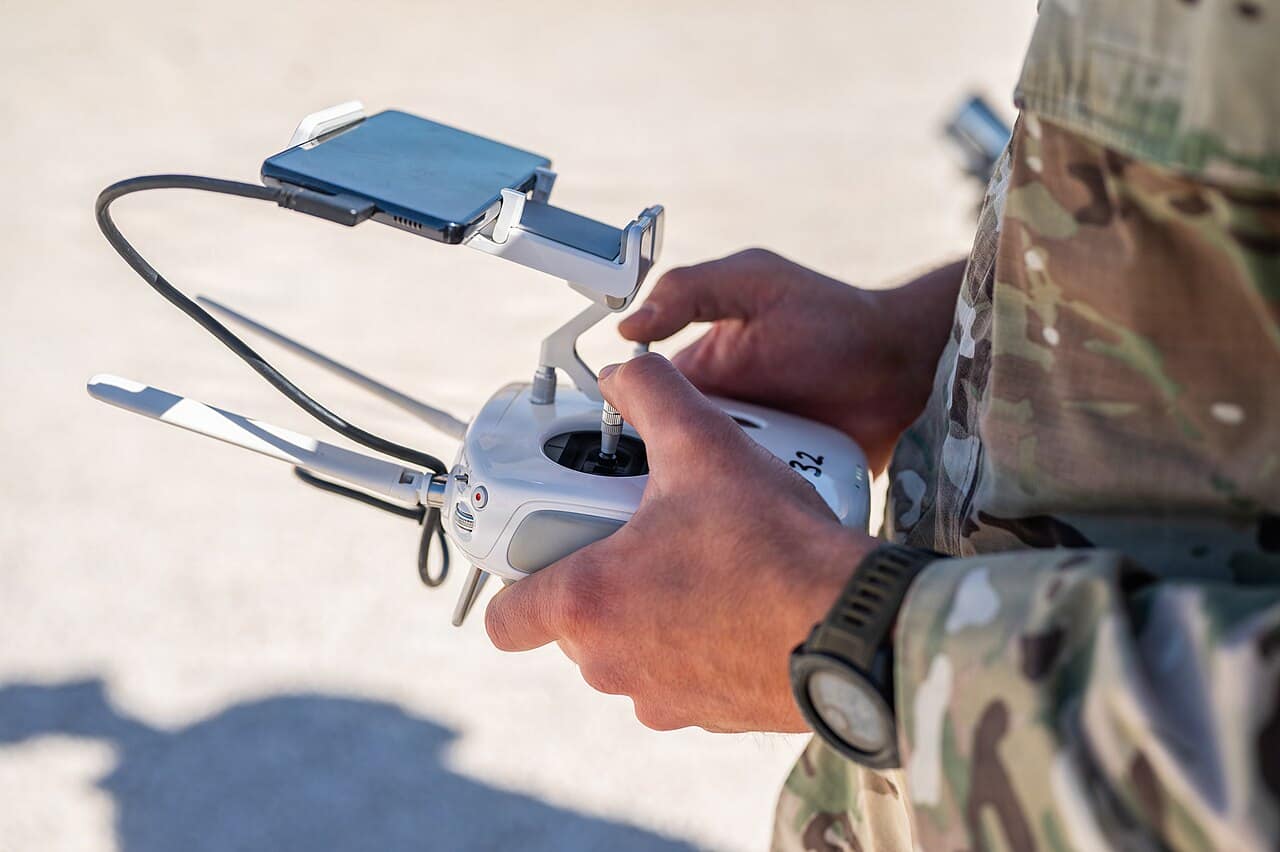
La aeronave que más preocupa a los comandantes de las bases aéreas estadounidenses en 2026 no es un caza furtivo chino ni un bombardero ruso. Es un cuadricóptero eléctrico que cuesta menos que un ordenador portátil usado, y nada impide que uno hostil sobrevuele el perímetro de una base repleta de aviones multimillonarios.
Así pues, la Fuerza Aérea de Estados Unidos ha creado un laboratorio cuya única función es averiguar cómo eliminarlo, y este mes ha hecho un llamamiento a la industria para que proponga mejores maneras de hacerlo.
El mensaje, en resumen: tráigannos cualquier cosa que pueda encontrar un dron pequeño y derribarlo, y tráiganla rápido.
Datos rápidos
| OMS | Laboratorio de Batalla de Defensa Puntual del ACC, 319.ª Ala de Reconocimiento, Base Aérea de Grand Forks, Dakota del Norte |
| Misión | Proteger las bases aéreas y espaciales de Estados Unidos de los drones. |
| Quiere | Sistemas de detección y seguimiento, además de efectores: cohetes, drones interceptores, láseres de alta energía, microondas de alta potencia. |
| Fecha límite del proveedor | 31 de julio de 2026 |
| Ceremonias | Se prevén alrededor de seis en 2026; hay más programadas para agosto y diciembre. |
| Fecha límite para la presentación del informe | Al comandante del ACC para finales de 2026. |
Red Air, con cuadricópteros
El laboratorio es deliberadamente poco glamuroso. Ubicado en Grand Forks y operado bajo el mando del Comando de Combate Aéreo, enfrenta a equipos de aviadores que simulan ser "Aire Rojo" —pilotando pequeños drones de los Grupos 1 y 2, las clases comerciales y militares ligeras— contra sistemas antidrones de la competencia para ver qué funciona realmente cuando aparece un enjambre sobre la pista de aterrizaje. Aproximadamente seis ejercicios de este tipo ya se han realizado este año.
La clave no reside únicamente en el hardware. Se trata de la coordinación humana en la defensa de la base: quién detecta el dron, quién tiene permiso para disparar y con qué rapidez se desarrolla toda la cadena.
Esa pregunta parece sencilla hasta que recuerdas que, hasta hace muy poco, defender una base aérea contra algo que volara significaba usar aviones de combate y misiles tierra-aire; sistemas diseñados para destruir otros aviones, no para derribar un dron de recreo del circuito de tráfico aéreo sin atravesar un hangar con un misil.
Todo lo que mata a un dron
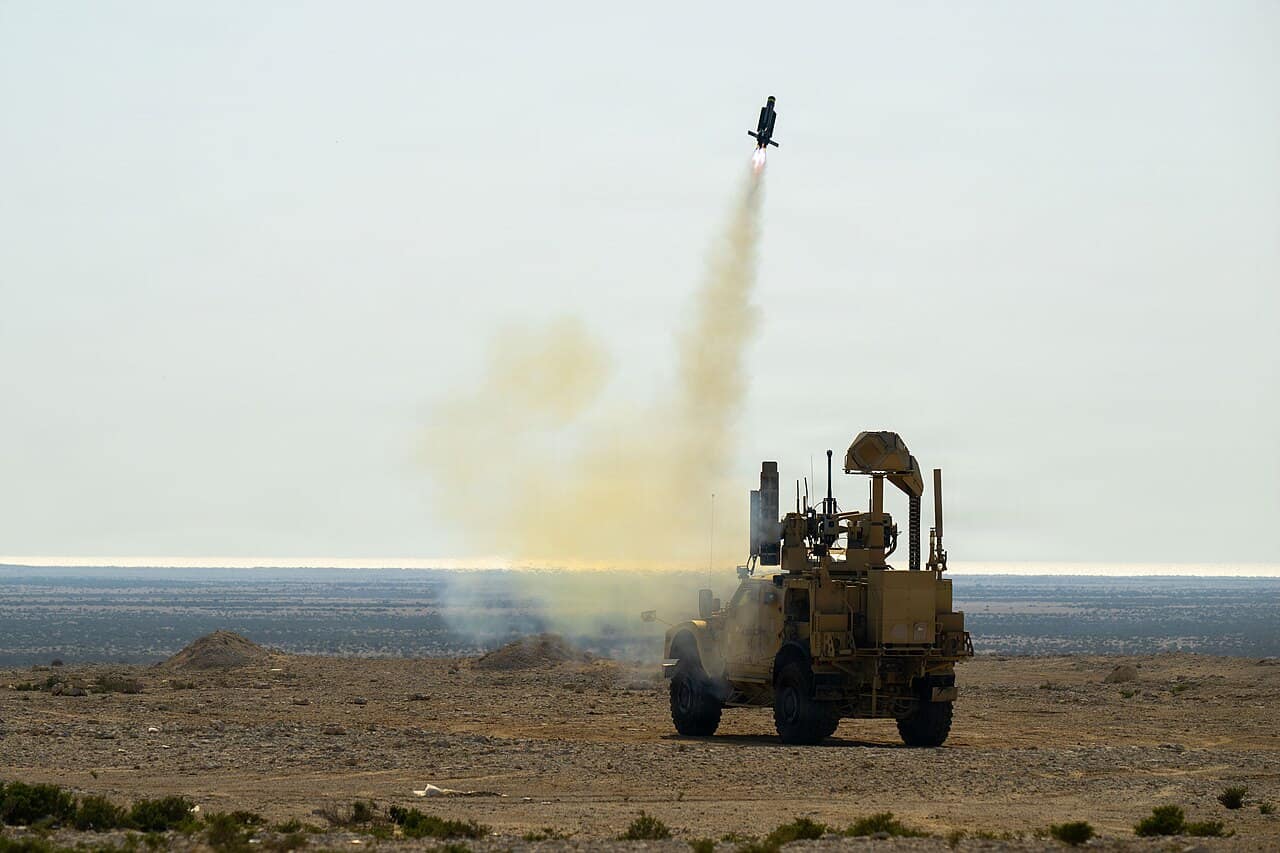
El laboratorio solicita dos cosas: sensores que detecten, identifiquen y rastreen los drones entrantes, y efectores que los destruyan. La lista de deseos de efectores parece un catálogo de toda la industria antidrones: cohetes guiados, interceptores de drones, láseres de alta energía y armas de microondas de alta potencia que inutilizan los sistemas electrónicos de toda una formación a la vez.
No existe en el vacío. El Pentágono ya ha comenzado a desplegar sistemas láser y de microondas en cinco instalaciones, ha creado unidades de defensa aérea en bases aéreas y, tras replicar un ataque con drones al estilo ucraniano en un campo de tiro de Florida, concluyó que sus bases en territorio nacional están mucho más expuestas de lo que nadie se atrevía a admitir. En el Laboratorio de Batalla, esas lecciones se convierten en una lista de compras.
Una instantánea de la rapidez con la que se está multiplicando la industria antidrones, extraída de una exposición de defensa de 2026.
El reloj es un Shahed
La urgencia no es teórica. Drones de ataque unidireccionales baratos como el Shahed iraní han demostrado que una aeronave de unos pocos miles de dólares puede amenazar objetivos que antes requerían un misil de crucero, y las misteriosas incursiones de drones sobre bases estratégicas estadounidenses han quedado impunes repetidamente por falta de una respuesta eficaz. Desde el aire, cualquier base con aeronaves estacionadas representa un objetivo enorme y prácticamente indefenso.
La industria tiene hasta finales de julio para responder. Las ideas ganadoras se incorporan a los ejercicios de agosto y diciembre, y un informe llega al escritorio del comandante del Comando de Combate Aéreo antes de que termine el año. Por una vez, la carrera armamentística que la Fuerza Aérea intenta ganar no se mide en velocidades Mach, sino en dólares por dron destruido, y se apresura a reducir esa cifra antes de que alguien más la incremente.
Fuentes: Revista Air & Space Forces; DefenseScoop; Defense One; Fuerza Aérea de los Estados Unidos.
Preguntas relacionadas
¿Qué es el Laboratorio de Batalla de Defensa Puntual de la ACC?
Se trata de un laboratorio de la Fuerza Aérea de los Estados Unidos, operado bajo el mando del Comando de Combate Aéreo por la 319.ª Ala de Reconocimiento en la Base Aérea de Grand Forks, Dakota del Norte. Su única misión es defender las bases aéreas y espaciales nacionales de pequeños drones, probando sistemas antidrones en ejercicios reales contra pilotos que realizan simulacros de ataque.
¿Por qué los drones pequeños representan una amenaza para las bases militares?
Porque un cuadricóptero a batería que cuesta menos que un portátil usado puede sobrevolar una base repleta de aviones multimillonarios, y detenerlo es sorprendentemente difícil. Los drones comerciales baratos pueden realizar vigilancia o transportar cargas útiles, y las defensas aéreas tradicionales nunca fueron diseñadas para objetivos tan pequeños, lentos y que vuelan a baja altitud.
¿Qué armas pueden derribar drones pequeños?
La convocatoria de la Fuerza Aérea de julio de 2026 a la industria solicita sistemas de detección y seguimiento, además de un menú completo de efectores: cohetes, drones interceptores, láseres de alta energía y armas de microondas de alta potencia. El ejército también ha establecido un zar de drones del Pentágono dedicado para coordinar los esfuerzos contra los drones.
¿Qué son los drones del Grupo 1 y del Grupo 2?
Se trata de las clases de drones más pequeñas del ejército estadounidense: tipos comerciales y militares ligeros como cuadricópteros y pequeñas aeronaves de ala fija. En los ejercicios del laboratorio de combate, los aviadores pilotan drones de los grupos 1 y 2 como atacantes aéreos "rojos" contra sistemas antidrones rivales para comprobar qué estrategias son realmente efectivas contra un enjambre.
¿Cuándo seleccionará la Fuerza Aérea nuevas armas antidrones?
Los proveedores tienen hasta el 31 de julio de 2026 para responder a la convocatoria. Ya se han realizado aproximadamente seis ejercicios de evaluación en 2026, hay más programados para agosto y diciembre, y el laboratorio de combate debe presentar un informe al comandante del Comando de Combate Aéreo antes de que finalice el año.
¿Los drones también han atacado buques de guerra?
La guerra con drones también se ha extendido al mar: las armadas ahora despliegan drones kamikaze lanzados desde buques de guerra, y los buques defensores se enfrentan a la misma economía de atacantes baratos que preocupa a los comandantes de bases aéreas en tierra.

0 Comentarios