
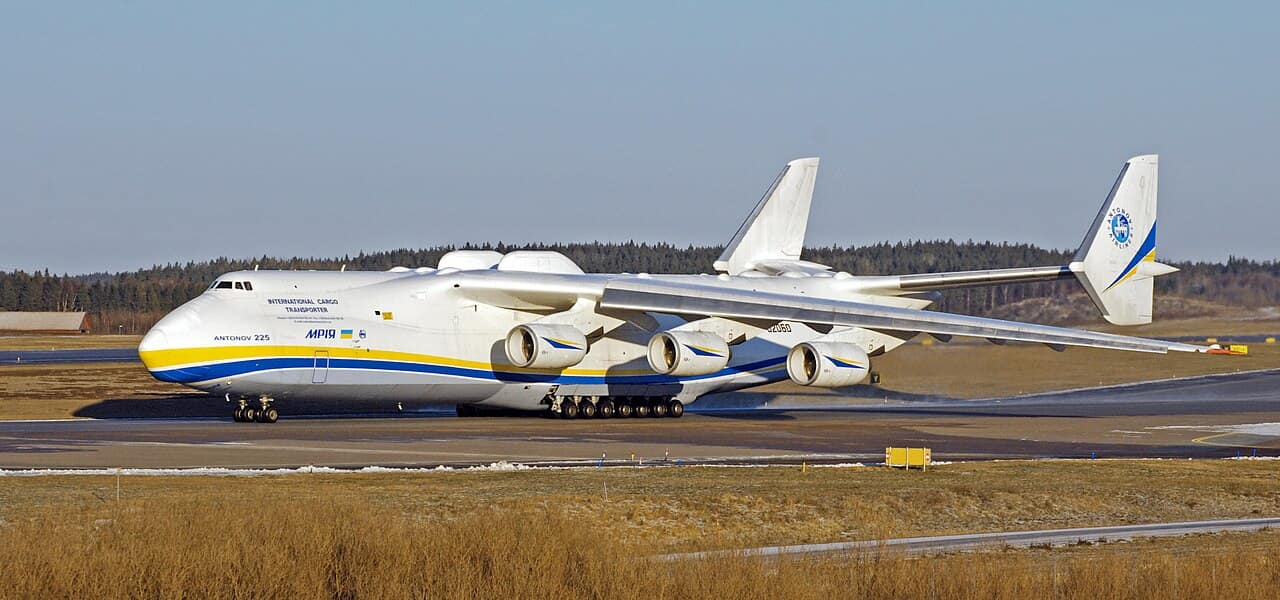
Existen aviones grandes, y luego estaba el Mriya. Si te paras debajo de un Boeing 747, te sientes pequeño. Si te paras debajo de un An-225, el 747 empieza a parecer pequeño. Durante 33 años existió exactamente una de estas máquinas: un gigante soviético de seis motores construido para una única tarea, casi absurda. Y luego, una mañana de febrero de 2022, el mundo la perdió en cuestión de horas.
Su nombre era Mriya, ucraniano para sueño. Fue, y sigue siendo, el avión más grande y pesado que jamás haya volado.
Construido para transportar una nave espacial.
El An-225 no comenzó como un avión de carga. Comenzó como una pieza del programa espacial soviético. En la década de 1980, la URSS estaba construyendo Buran, su propio transbordador espacial reutilizable, lanzado por el enorme Energía cohete. Tanto el orbitador como los componentes del cohete eran demasiado grandes para transportarlos por carretera o ferrocarril a través de un país del tamaño de un continente. Los soviéticos necesitaban un transportador volador: su respuesta al Boeing 747 Shuttle Carrier modificado de la NASA, solo que mucho más grande.
La oficina de diseño de Antonov en Kiev tomó su avión de carga pesada An-124 de cuatro motores existente, alargó el fuselaje y agregó dos motores más para un total de seis turbofan Ivchenko-Progress D-18T, instaló una nueva cola doble para que un transbordador pudiera viajar sobre su lomo sin perturbar el flujo de aire, y ensanchó el ala a una envergadura de 88,4 metros — más ancho que cualquier aeronave operativa anterior o posterior. El resultado se presentó y voló por primera vez en 21 de diciembre de 1988. Se desplazaba sobre un tren de aterrizaje de 32 ruedas y podía levantar un peso máximo de despegue de 640 toneladas.
Un sueño sin misión
En 1989, el Mriya transportó el orbitador Buran a bordo y fue la estrella del Salón Aeronáutico de París de ese año. Pero entonces la historia avanzó más rápido que la ingeniería. El programa Buran se canceló, la Unión Soviética se desintegró y el avión más grande del mundo se quedó sin carga. Durante la década de 1990 permaneció aparcado, con sus motores desmontados y utilizados en otros proyectos, acumulando polvo lentamente.
Su segundo acto fue más improbable que el primero. Entre 2000 y 2001, Antonov reconstruyó y recertificó la aeronave para una nueva carrera como avión comercial de carga pesada: la máquina que se podía alquilar cuando una carga era simplemente demasiado grande para cualquier otra cosa en la Tierra. Locomotoras, generadores, palas de aerogeneradores, plantas industriales enteras: el Mriya los transportaba. En el camino, estableció numerosos récords mundiales de la FAI, incluyendo el artículo de carga individual más pesado y una carga útil total transportada por aire de aproximadamente 253 toneladas. Durante la pandemia de COVID-19 en 2020 se convirtió en un símbolo de esperanza, transportando enormes cantidades de suministros médicos entre continentes y acaparando titulares en todo el mundo.
El día en que murió el sueño
Cuando Rusia invadió Ucrania en febrero de 2022, el An-225 estaba en su hangar en Aeropuerto Antonov en Hostomel, En el extremo noroeste de Kiev, uno de los primeros objetivos del ataque. Según la empresa ucraniana Ukroboronprom, uno de los motores del avión había sido desmontado para mantenimiento y no hubo tiempo para llevar el gigante a un lugar seguro. En los combates sobre el aeródromo, el hangar fue alcanzado y el Mriya quedó destruido. 27 de febrero de 2022 Ucrania confirmó la pérdida; las imágenes grabadas con drones que aparecieron semanas después mostraron el fuselaje delantero calcinado y las alas principales rotas.

A segunda estructura del avión, El avión, con aproximadamente 60-701 toneladas de material completado, ha permanecido sin terminar en un taller desde la era soviética. Antonov ha manifestado su intención de finalizarlo para darle un sucesor al Mriya, pero el costo asciende a cientos de millones y la guerra continúa. Por ahora, el mundo no tiene ningún An-225 en vuelo y, por primera vez desde 1988, ningún avión de esa magnitud surca los cielos.
Por qué sigue siendo importante
El An-225 fue un prototipo único, fruto de una necesidad muy específica de la Guerra Fría, y en términos de ingeniería estricta, resultó ser un fracaso: ninguna aerolínea necesitaba un avión de 640 toneladas, y su nicho de mercado para carga era mínimo. Sin embargo, casi ninguna otra aeronave fue tan querida. Los aficionados conducían durante horas para presenciar un solo aterrizaje. Fue el avión que hizo que pilotos adultos sacaran sus teléfonos para grabar. Demostró, de forma gloriosa e impráctica, la magnitud que puede alcanzar la aviación.
Su compañero de cuadra en lo más alto de las tablas de tamaño es el estadounidense Galaxia C-5 — el otro gigante del transporte aéreo, que aún sigue volando. Pero solo existió un Mriya, y su nombre resultó ser lo más cierto: realmente fue un sueño.
Preguntas relacionadas
¿Qué era el An-225 Mriya?
El An-225 Mriya fue un avión de carga soviético de seis motores, el más grande y pesado jamás construido, con una envergadura de 88,4 metros y un peso máximo al despegue de 640 toneladas. "Mriya" significa "sueño" en ucraniano. Solo se construyó una unidad; voló durante 33 años antes de ser destruida en febrero de 2022.
¿Por qué se construyó el An-225?
El An-225 fue construido para el programa espacial soviético. En la década de 1980, la URSS necesitaba trasladar su transbordador espacial Buran y los componentes del gigantesco cohete Energia a través de un país del tamaño de un continente, y eran demasiado grandes para transportarlos por carretera o ferrocarril. El Mriya fue diseñado como un transportador volador para llevarlos, una de las varias máquinas soviéticas de gran tamaño, junto con rarezas como el Ekranoplano Monstruo del Mar Caspio.
¿Qué tamaño tenía el An-225 Mriya?
El An-225 tenía una envergadura de 88,4 metros, un tren de aterrizaje de 32 ruedas y una capacidad de despegue máxima de 640 toneladas. Era mucho más grande que un Boeing 747; al estar debajo del Mriya, un 747 parecía un avión diminuto. Sigue siendo el avión más grande y pesado que jamás haya volado.
¿Cuántos aviones An-225 se fabricaron?
Solo se completó y voló un An-225. Un segundo fuselaje, aproximadamente entre 60 y 70%, permanece sin terminar en un taller de Antonov desde la era soviética. Antonov ha considerado terminarlo para darle un sucesor al Mriya, pero el costo asciende a cientos de millones y la guerra en Ucrania continúa.
¿Qué le sucedió al An-225 Mriya?
El An-225 fue destruido al comienzo de la invasión rusa de Ucrania en 2022. Durante la batalla por el aeródromo de Hostomel, cerca de Kiev, su hangar fue alcanzado y la aeronave quedó destrozada. Ucrania confirmó la pérdida el 27 de febrero de 2022, y posteriormente imágenes de drones mostraron el fuselaje delantero calcinado y las alas principales rotas.
¿Qué transportaba el An-225 como avión de carga?
Tras la cancelación del programa Buran y el colapso de la Unión Soviética, Antonov reconstruyó y recertificó el An-225 entre 2000 y 2001 como avión comercial de carga pesada. Transportaba cargas demasiado grandes para cualquier otra aeronave —locomotoras, generadores, palas de aerogeneradores y plantas industriales completas— y estableció récords mundiales de la FAI, incluyendo una carga útil total transportada por aire de aproximadamente 253 toneladas.
¿Qué era el transbordador espacial Buran?
El Buran fue el transbordador espacial reutilizable de la Unión Soviética, lanzado por el enorme cohete Energia y comparable en gran medida al transbordador de la NASA. El An-225 fue construido para transportar el orbitador Buran y los componentes del Energia, y se hizo famoso por llevar el Buran a cuestas en 1989, acaparando toda la atención en el Salón Aeronáutico de París de ese año. El programa Buran fue cancelado posteriormente.
¿Cuál es el avión más grande que vuela en la actualidad?
Con la destrucción del An-225, actualmente no hay ningún avión de su tamaño en el cielo, por primera vez desde 1988. Entre los gigantes que aún vuelan, el de la Fuerza Aérea de los Estados Unidos C-5M Super Galaxy Sigue siendo uno de los aviones de transporte aéreo más grandes del mundo, pero nada iguala el tamaño del Mriya y actualmente no tiene ningún sucesor.


0 Comentarios