
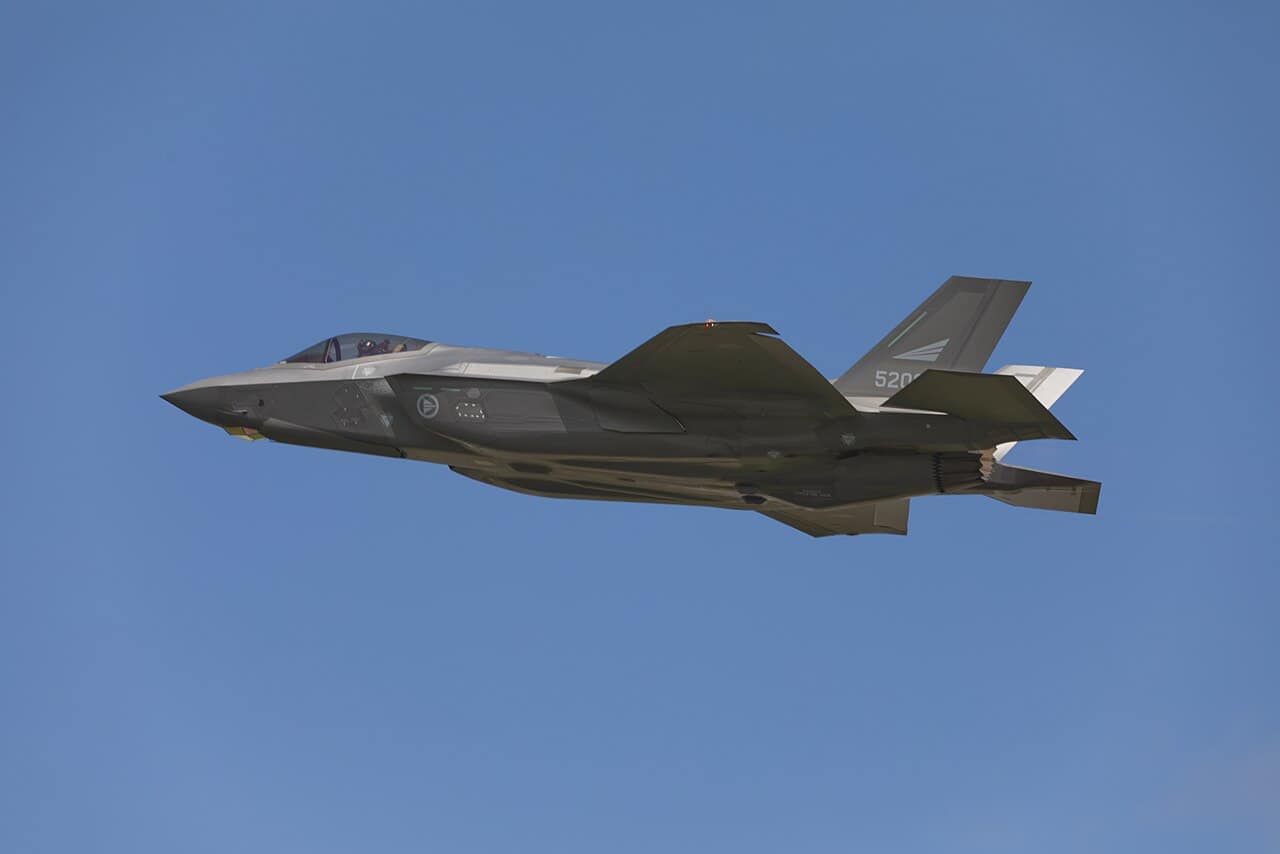
Ottawa ha tomado una decisión que dice tanto de política como de poderío militar. Canadá armará a su futuro. F-35A La flota estará equipada con el misil Joint Strike Missile, un misil de crucero de fabricación noruega que se aloja en el interior del Lightning II sin comprometer su capacidad de sigilo.
El primer ministro Mark Carney anunció la adquisición en la cumbre de la OTAN en Ankara. El acuerdo, valorado en aproximadamente 1.040.564 millones de dólares, convierte a Canadá en la sexta nación en desplegar el JSM, después de Noruega, Japón, Australia, Estados Unidos y Alemania.
Para un país que ha pasado dos años angustiado por su caza de fabricación estadounidense, recurrir a un misil europeo es un gesto significativo.
Datos rápidos
| Arma | Misil de ataque conjunto Kongsberg (JSM): misil de ataque de precisión lanzado desde el aire. |
| Origen | Noruega (derivado del misil de ataque naval) |
| Peso / longitud | 416 kg / aproximadamente 4 metros |
| Rango | Más de 350 km (189 millas náuticas), velocidad subsónica alta |
| Buscador | Imágenes infrarrojas con reconocimiento automático de objetivos. |
| Característica clave | Única arma de su clase transportada dentro de la bahía interna del F-35 |
| Trato | Aproximadamente $564 millones; Canadá se convierte en el sexto operador de JSM. |
Un misil construido para esconderse
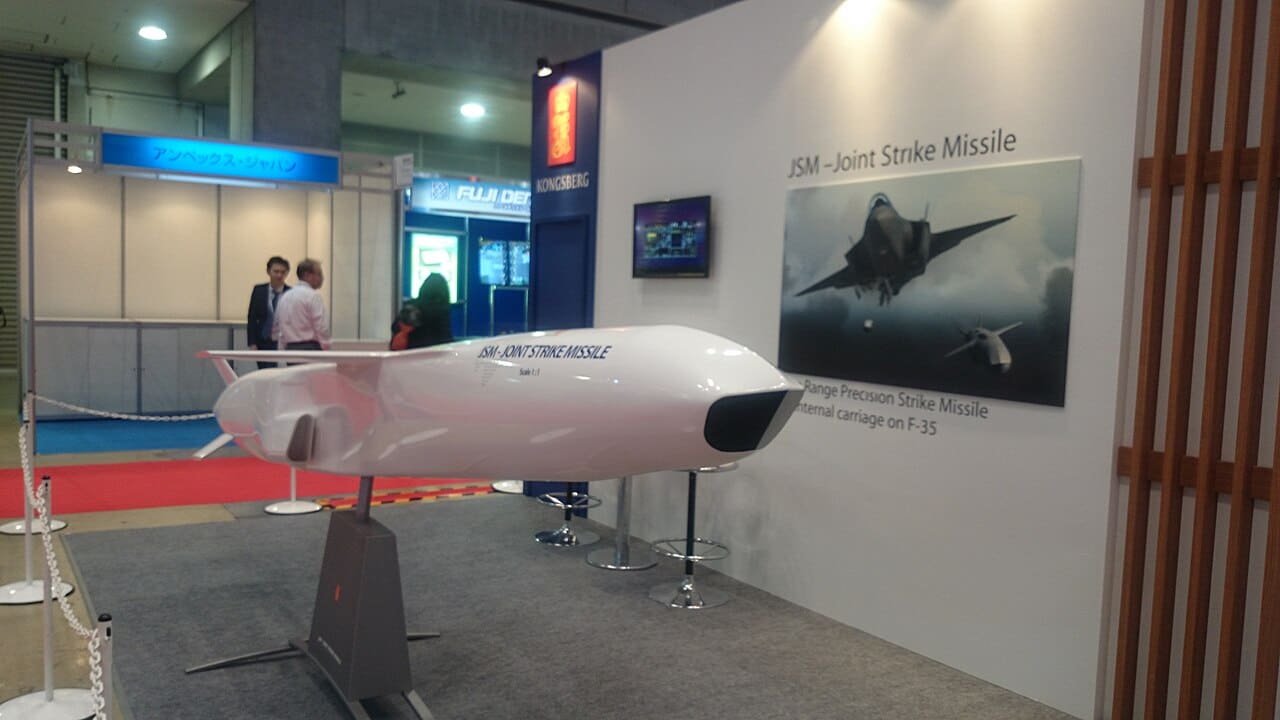
El JSM es una variante lanzada desde el aire del misil antibuque Naval Strike Missile de Kongsberg, y su principal ventaja es la discreción. Es la única arma de su tipo que cabe dentro de la bahía de armas interna del F-35. Los misiles de crucero estadounidenses JASSM y LRASM son simplemente demasiado grandes; transportados externamente, convierten a un caza furtivo en un objetivo de radar común.
Dentro de la bahía, el F-35 mantiene un perfil bajo hasta el punto de lanzamiento. Desde allí, el JSM toma el control: 416 kilogramos, cuatro metros de largo, vuelo subsónico alto, volando a baja altitud y utilizando un buscador infrarrojo y reconocimiento automático de objetivos para identificar un buque o objetivo terrestre específico a más de 350 kilómetros de distancia. La integración se realizará con la actualización Block 4 del F-35.
La relación intermitente de Canadá con el F-35
El misil cae sobre un programa de cazas que ha sufrido varios tropiezos. Canadá firmó un acuerdo de 19.000 millones de dólares canadienses (unos 1.000 millones de dólares estadounidenses) para la compra de 88 F-35A en 2023, con entregas previstas para 2026 y plena capacidad operativa para 2034. Pero tras un distanciamiento diplomático con Washington, el gobierno de Carney consideró abiertamente la posibilidad de comprar solo los 16 aviones que ya había pagado.
El compromiso con un armamento diseñado específicamente para el F-35 se interpreta como un voto de confianza en la plataforma, mientras que la elección de un misil europeo permite tener una opción más flexible. Este tipo de estrategia de reserva se ha convertido en un sello distintivo de la política de defensa de Ottawa.
Una inclinación europea
El JSM llega en medio de una serie de compras claramente no estadounidenses. Canadá ha seleccionado el avión radar GlobalEye de Saab, construido sobre un avión ejecutivo Bombardier canadiense, en un acuerdo por valor de más de cinco mil millones de dólares, y la propia OTAN eligió el GlobalEye este mes para reemplazar su antigua flota AWACS. Carney ha coqueteado públicamente con el Saab. Gripen, Canadá está adquiriendo aviones cisterna CC-330 Husky, derivados de Airbus. Por su parte, Kongsberg está reinvirtiendo dinero en la industria canadiense como parte del acuerdo.
El mensaje de Ottawa es sutil pero inequívoco: compre productos estadounidenses cuando tenga sentido, pero mantenga una presencia europea en el mercado.
Fuentes: The Aviationist, Kongsberg, Defense News.
Publicaciones relacionadas

0 Comentarios